

In The Media
Lilia Shevtsova
{
  "authors": [
    "Lilia Shevtsova"
  ],
  "type": "legacyinthemedia",
  "centerAffiliationAll": "",
  "centers": [
    "Carnegie Endowment for International Peace",
    "Carnegie Russia Eurasia Center"
  ],
  "collections": [],
  "englishNewsletterAll": "",
  "nonEnglishNewsletterAll": "",
  "primaryCenter": "Carnegie Russia Eurasia Center",
  "programAffiliation": "",
  "programs": [],
  "projects": [],
  "regions": [
    "Caucasus",
    "Russia"
  ],
  "topics": [
    "Foreign Policy"
  ]
}
Source: Getty
Russia’s actions in the Russia-Georgia conflict proved that for the Kremlin, foreign policy is the crucial means of carrying out its domestic agenda. For the political elite, this agenda maintains the status quo. However, such a policy is unlikely to stand. Should Russia be unable to start to reform it risks collapse and repeating the end of the Soviet Union.
Source: The World Today

While this conflict has achieved this aim of maintaining a status quo and served as a unifying event for Russian citizens, it also faces a current challenge. The problem lies in Russia’s next step. Because the elite is a rentier class feeding off energy sales to the west, they have no interest in further escalation of the confrontation, as this would threaten their personal inclusion in the west and this is the new element in the old matrix. But, at the same time, they cannot abandon the anti-western means of consolidating Russia.
The country is approaching a new moment of truth when the elite discovers that the petro-economy no longer works and maintaining mobilisation at the enemy’s expense has become infinitely more difficult. It is unclear whether it will be able to start to reform the predatory state before it collapses and Russia repeats the end of the Soviet Union.
The article first appeared in The World Today magazine.
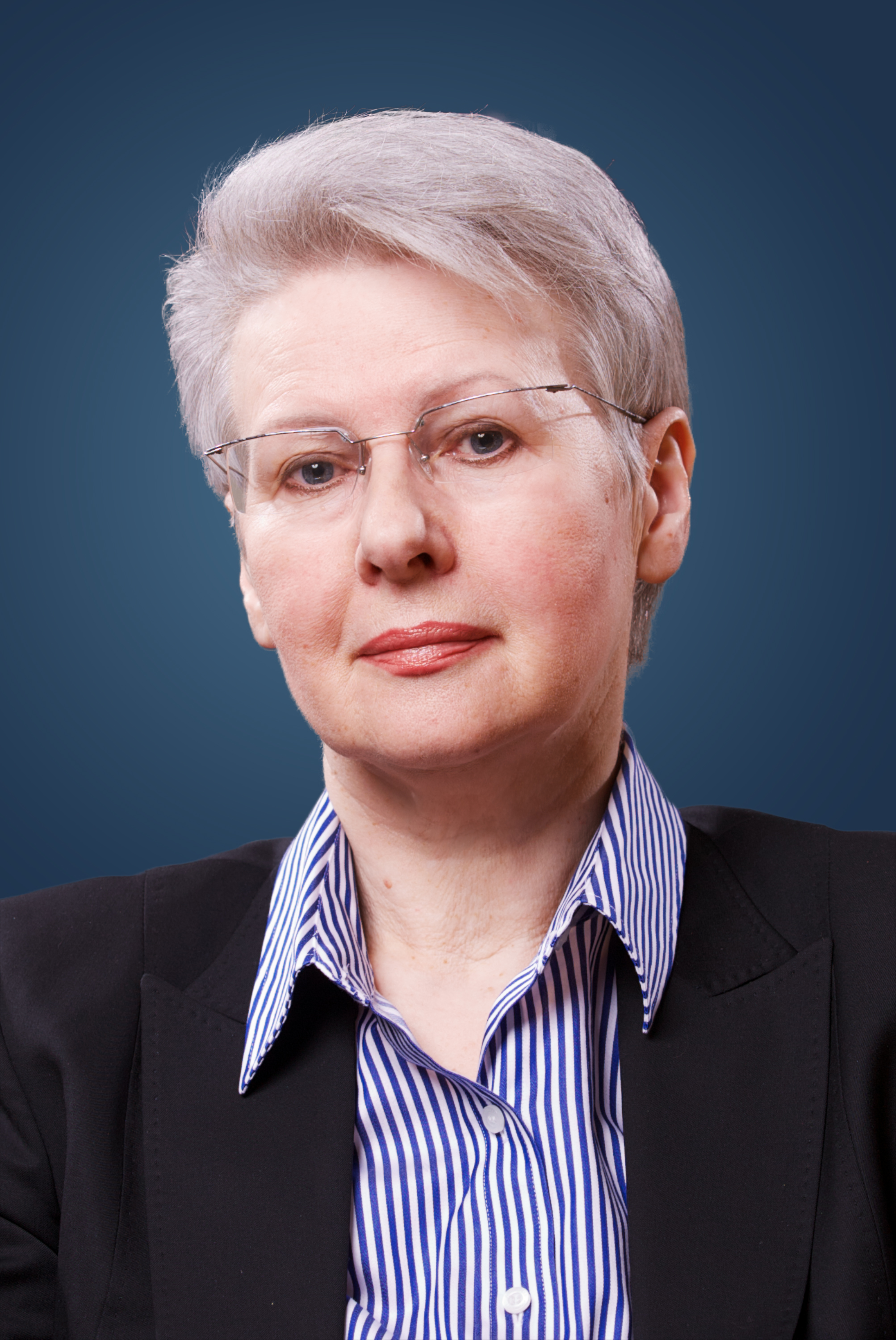
Former Senior Associate, Russian Domestic Politics and Political Institutions Program, Moscow Center
Shevtsova chaired the Russian Domestic Politics and Political Institutions Program at the Carnegie Moscow Center, dividing her time between Carnegie’s offices in Washington, DC, and Moscow. She had been with Carnegie since 1995.
Recent Work
Lilia Shevtsova
Lilia Shevtsova
Carnegie does not take institutional positions on public policy issues; the views represented herein are those of the author(s) and do not necessarily reflect the views of Carnegie, its staff, or its trustees.

But their "principal to principal" model will only be as effective as the political strength of each leader back home.

Damien Ma

U.S. unpredictability has allowed China to capitalize on its positioning as the “responsible great power”. Paradoxically, the more China wins the perception game, the more likely expectations will rise for Beijing to deliver not just words but to demonstrate with its deeds.

Chong Ja Ian

Hanoi and Beijing have long treated each other as distant cousins rather than comrades in arms. That might be changing as both sides draw closer to hedge against uncertainty and America’s erratic behavior.

Nguyễn Khắc Giang

Across Asia, China is better positioned to withstand energy shocks from the fallout of the Iran war. Its abundant coal capacity can ensure stability in the near term. Yet at the same time, the country’s energy transition away from coal will make it even less vulnerable during the next shock.
Damien Ma

Malaysia’s chairmanship sought to fend off short-term challenges while laying the groundwork for minimizing ASEAN’s longer-term exposure to external stresses.

Elina Noor