

Other
- +1
Dmitri Trenin, Sergei Aleksashenko, Sam Greene, …
{
  "authors": [
    "Sam Greene"
  ],
  "type": "other",
  "centerAffiliationAll": "",
  "centers": [
    "Carnegie Endowment for International Peace",
    "Carnegie Russia Eurasia Center"
  ],
  "collections": [],
  "englishNewsletterAll": "",
  "nonEnglishNewsletterAll": "",
  "primaryCenter": "Carnegie Russia Eurasia Center",
  "programAffiliation": "",
  "programs": [],
  "projects": [],
  "regions": [
    "Caucasus",
    "Russia"
  ],
  "topics": [
    "Political Reform",
    "Domestic Politics"
  ]
}
Source: Getty
Preventing Russia’s economic, social, and political collapse requires effective leadership, cooperation and patience, and government acknowledgment that the crisis has domestic dimensions.
Russians have seen their home values and spending power plummet. More and more people are losing their jobs, and, according to forecasts, the number of unemployed will continue to grow. Yet rather than preparing people to face the upcoming difficulties, the government has stuck to rhetoric about “islands of stability”, asserting that the crisis is a problem in the West, not in Russia. Business leaders, meanwhile, are concerned. “Workers who have been convinced that everything is fine may soon learn that they are unemployed and are likely to blame their employers,” Greene writes. The government may also decide to point fingers at business.
Based on Public Opinion Foundation surveys, Greene notes a clear gap between perceptions and reality. The government, in Greene’s view, is only creating more nervousness and uncertainty among the elite and the general public. “Ordinary Russians, starved for information and guidance, may begin to panic, causing bank runs and even, possibly, civil unrest,” Greene writes.
Looking at possible ways out of the situation, Greene proposes drawing up new principles for labor relations and doing business more broadly. These principles should guarantee that “that management and workers will share the burden [of economic hardship], that safety and quality control will not be compromised, and that companies will open their books to the public, so that workers and others can share in the evaluation of effectiveness.”
At the international level, Greene proposes getting Russian research and analysis centers, non-governmental organizations, journalists, business associations and trade unions actively involved in global discussions of ways out of the crisis. “Given the lack of an open public debate on how to deal with the crisis in Russia, helping Russian stakeholders to latch onto policy discussions and initiatives internationally will empower them at home to create new, content-rich platforms for debate, as well as to be ready with solutions when and if the state determines its own policymaking to be at an impasse.” Preventing economic, social and political collapse will require a rare combination of effective leadership, cooperation and patience.
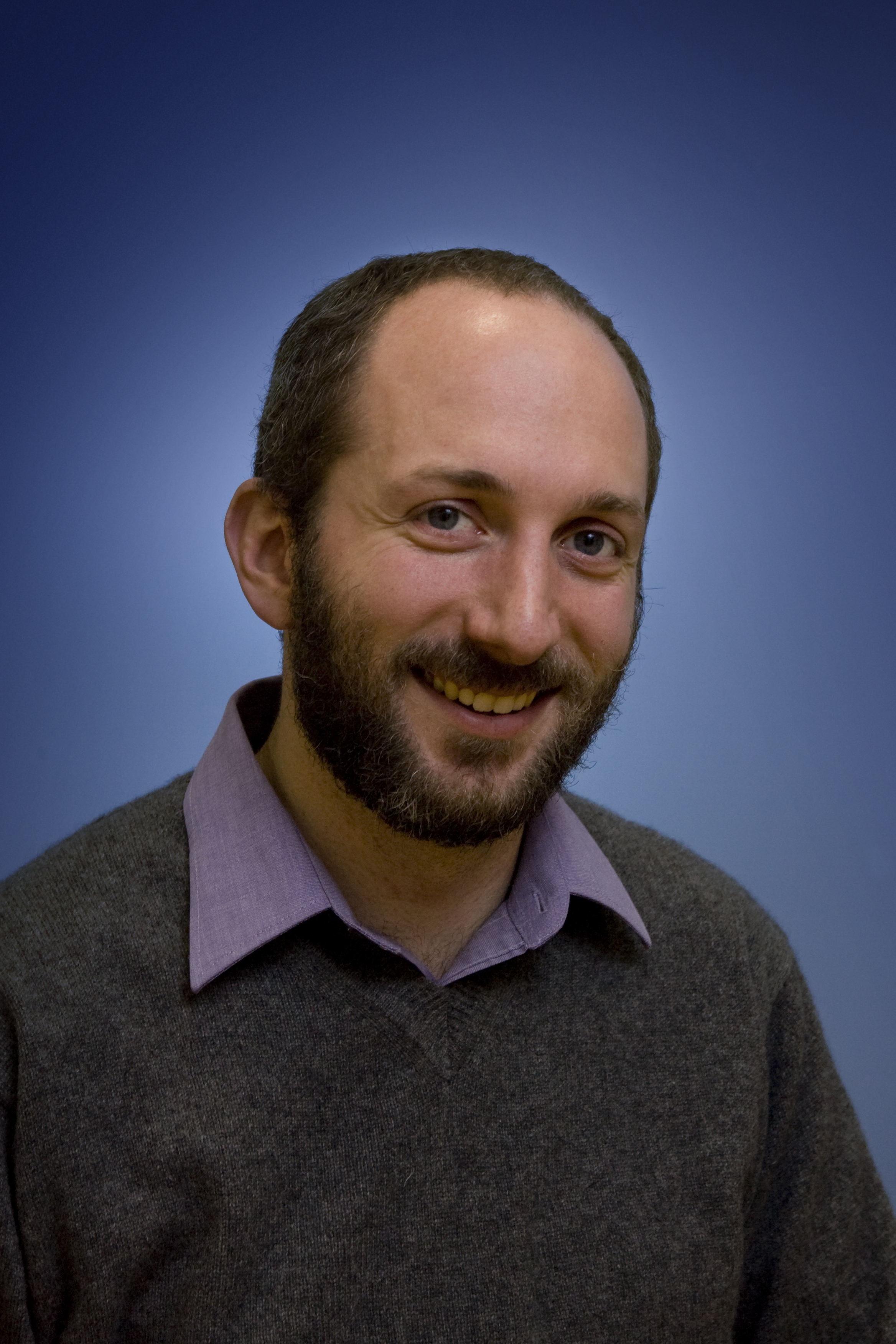
Former Deputy Director for Operations, Moscow Center
Sam Greene was a deputy director for operations at the Moscow Center. He joined the Moscow Center in 2005. Previously, he was senior media program advisor for the New Eurasia Foundation, and a London and Moscow correspondent for FT Business.
Recent Work
Dmitri Trenin, Sergei Aleksashenko, Sam Greene, …
Sam Greene
Carnegie does not take institutional positions on public policy issues; the views represented herein are those of the author(s) and do not necessarily reflect the views of Carnegie, its staff, or its trustees.

China’s political future will be shaped between now and next October. As the Communist Party enters its intense “campaign season” to prepare for a major political transition in 2027, reading Beijing's actions and responses may become more difficult as domestic politics weigh on its behavior more than usual.

Damien Ma

In the latest Five-Year Plan, the Chinese president cements the shift to an innovation-driven economy over a consumption-driven one.
Damien Ma
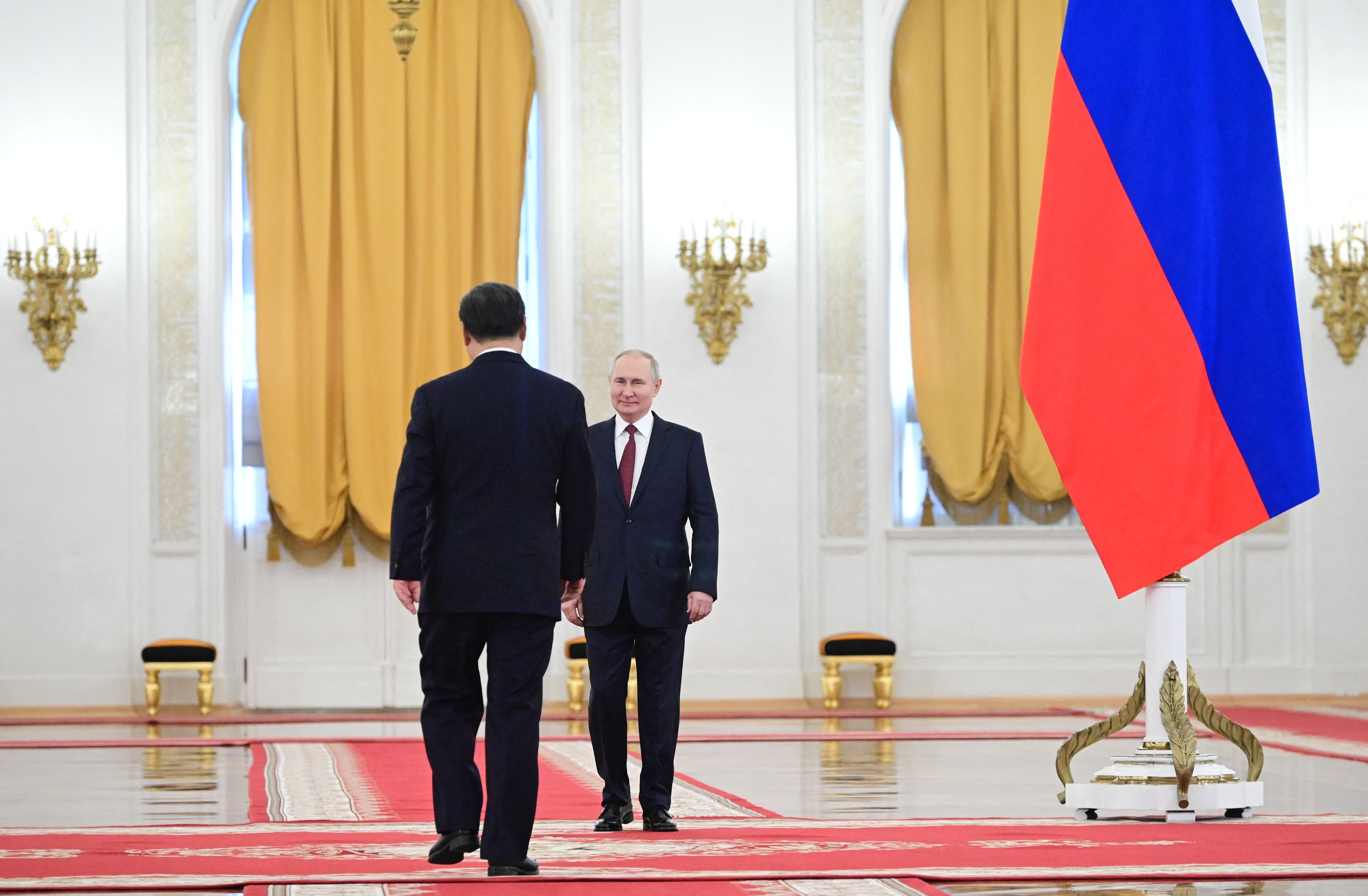
Beijing is trying to navigate the overall situation regarding Ukraine, especially the substance of interactions between Washington and Moscow.
Ellen Nakashima, Zhao Long, Pavlo Klimkin, …
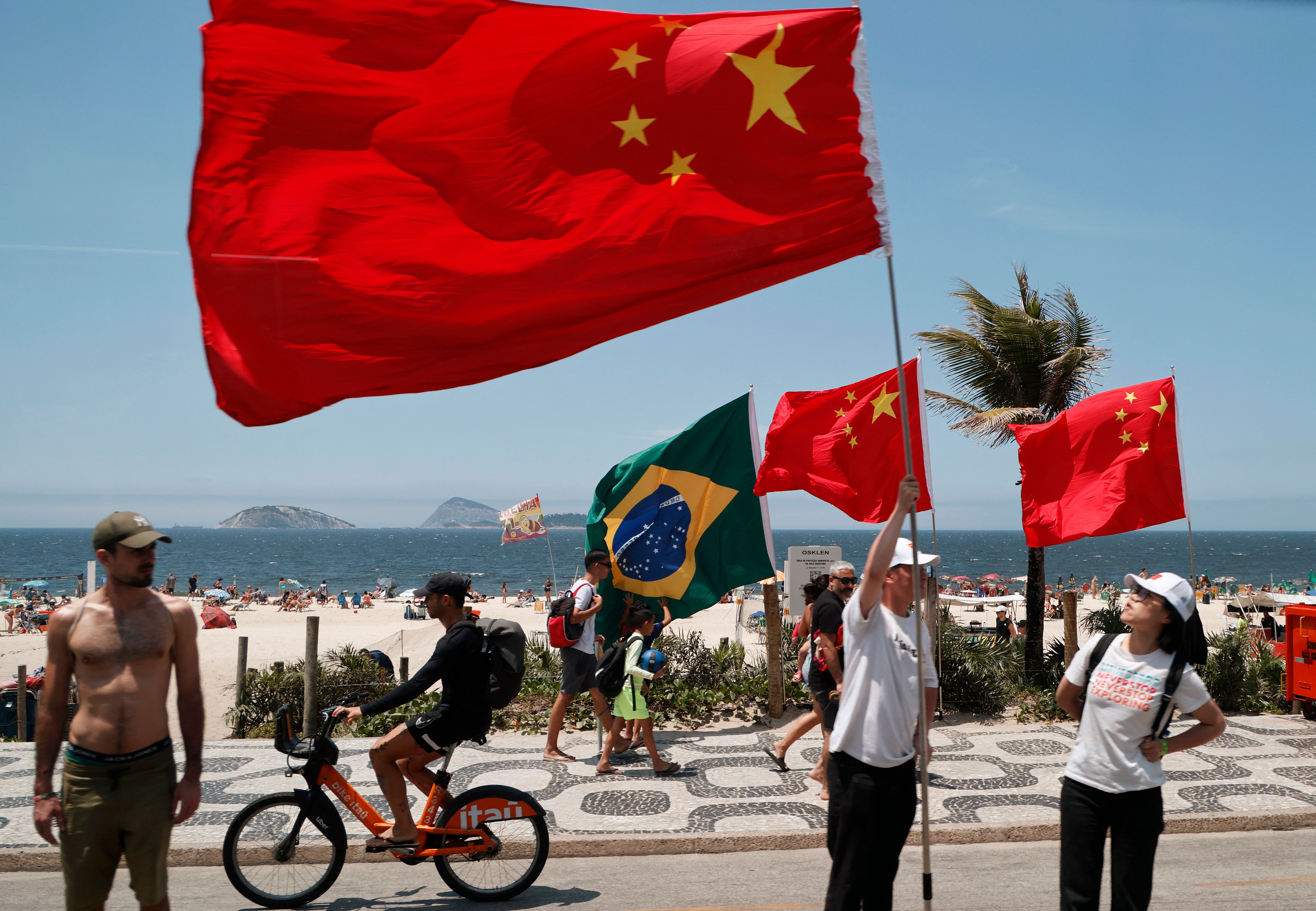
While China will remain a significant political and economic force in the Global South, its ambition to leverage the Global South as a counterbalance to the United States and the Global North is far from assured.

Xue Gong
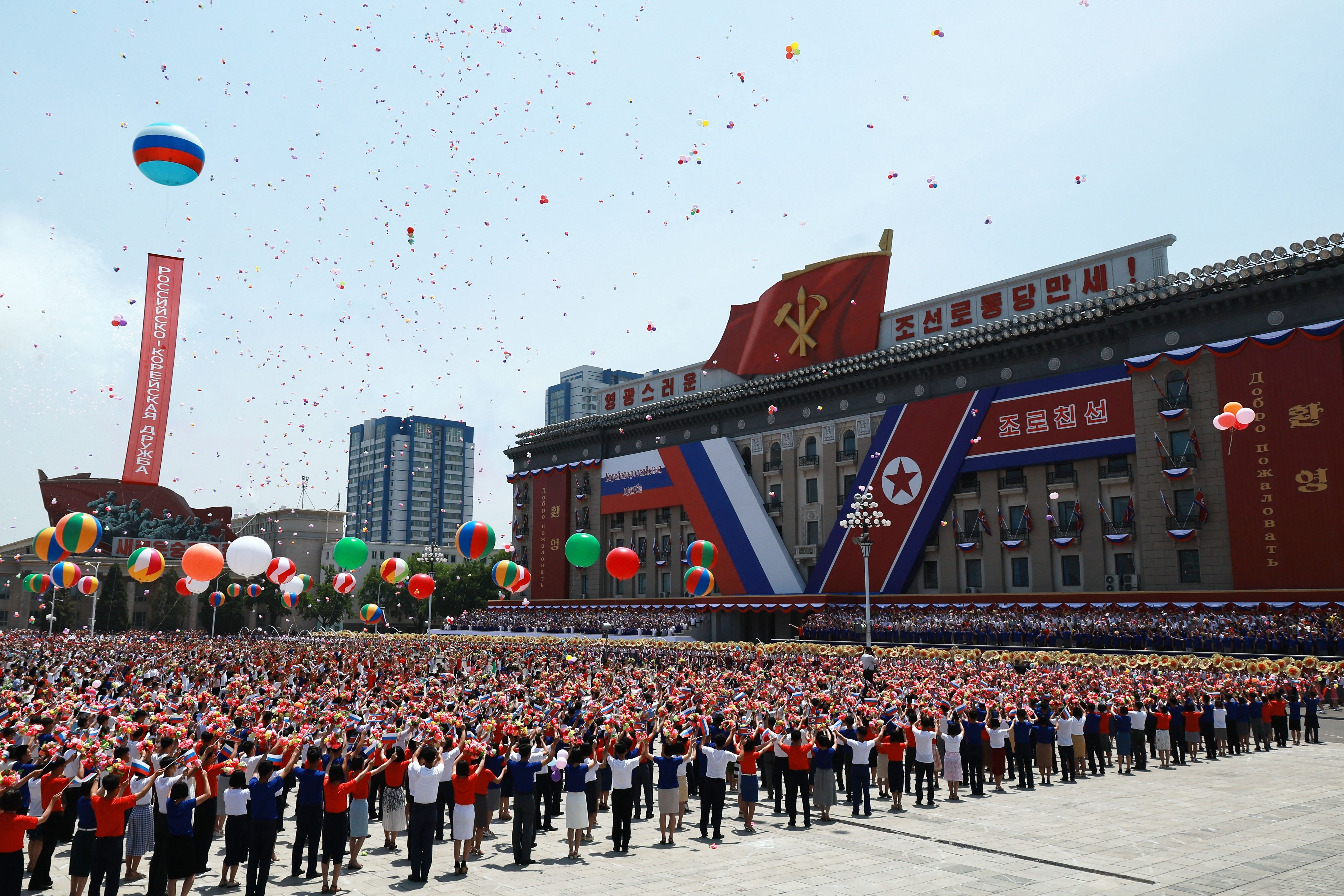
Faced with an increase in strategic maneuvering by Moscow and Pyongyang, Beijing will not sit idly by and allow Putin and Kim to shape the security environment on its behalf.

Tong Zhao