

Paper
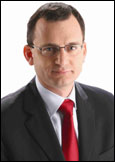
Paul Salem
{
  "authors": [
    "Paul Salem"
  ],
  "type": "legacyinthemedia",
  "centerAffiliationAll": "dc",
  "centers": [
    "Carnegie Endowment for International Peace",
    "Malcolm H. Kerr Carnegie Middle East Center"
  ],
  "collections": [],
  "englishNewsletterAll": "menaTransitions",
  "nonEnglishNewsletterAll": "",
  "primaryCenter": "Malcolm H. Kerr Carnegie Middle East Center",
  "programAffiliation": "MEP",
  "programs": [
    "Middle East"
  ],
  "projects": [],
  "regions": [
    "Middle East",
    "Iran"
  ],
  "topics": [
    "Political Reform"
  ]
}
Source: Getty
While Europe and the United States have been vocal in their response to the turmoil in Iran, its neighbors in the Arab world have been noticeably silent.
Source: Bloggingheads.tv
The turmoil in Iran following the June 12 presidential election, and the contested victory of President Mahmoud Ahmadinejad, has seen widespread response from Europe and the United States. Iran's neighbors in the Arab world however, have been noticeably silent in their reaction to the events unfolding. Paul Salem sheds light on Arab opinion to the Iranian crisis:
"The events in Iran took Iran down a few notches in terms of its high horse that it sat on in the Islamic world, and in the Arab world, and in the Arab-Israeli conflict - that the Islamic state in Iran is the only legitimate, the only fairly democratic [state]... which a lot of people believed... and it enabled Iran to play this moral high ground role. Now in the region, Iran pretty much looks like most other states in the region and that has already taken down Iran a couple of pegs and might in the end be positive in the sense that it no longer puts Iran on a different plain from other states in the region and that might enable a bit more accomodation in the future, although nothing immediate."
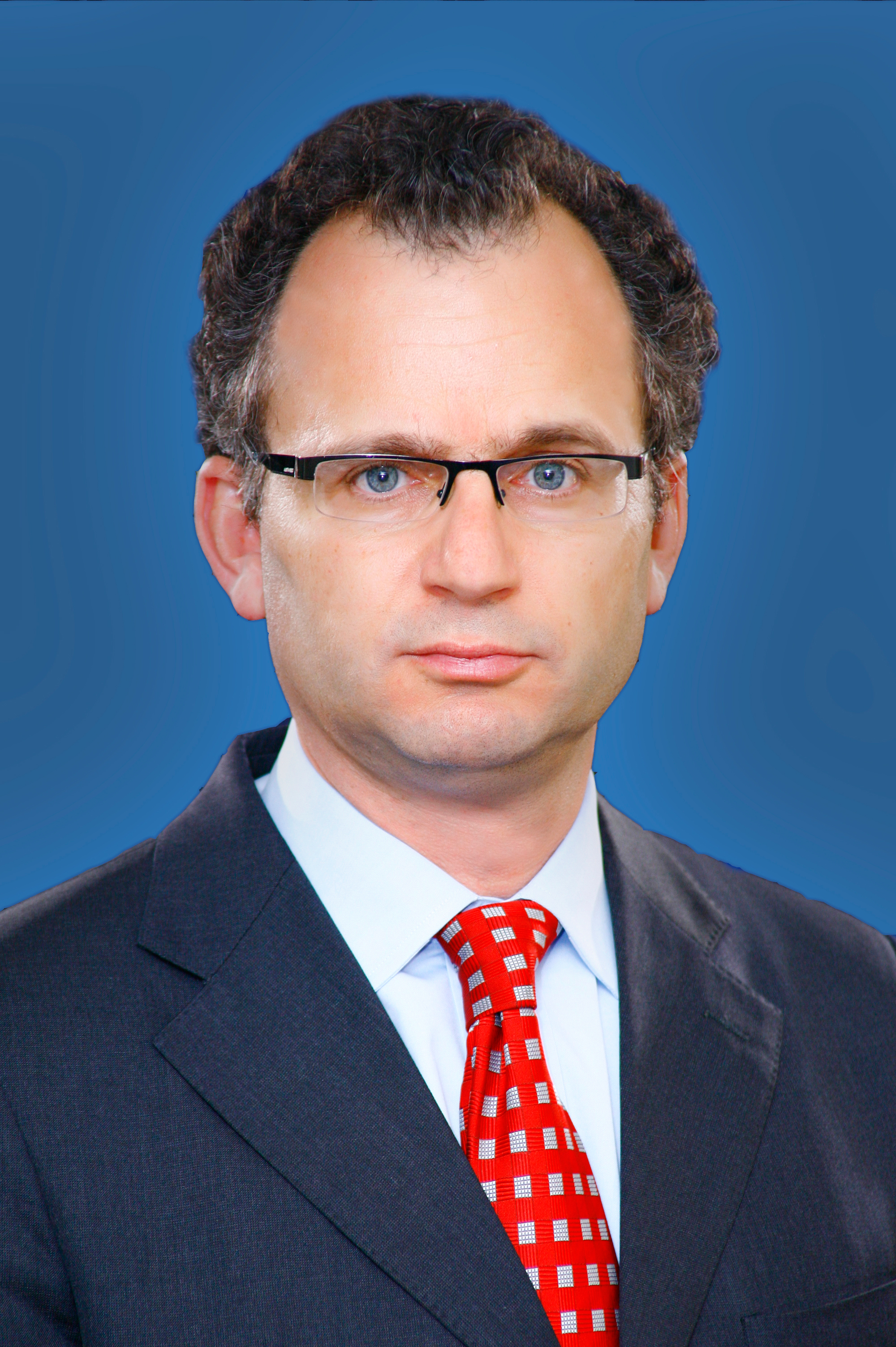
Senior Fellow at the Middle East Institute
Paul Salem is a senior fellow at the Middle East Institute.
Recent Work
Paul Salem
Paul Salem
Carnegie does not take institutional positions on public policy issues; the views represented herein are those of the author(s) and do not necessarily reflect the views of Carnegie, its staff, or its trustees.
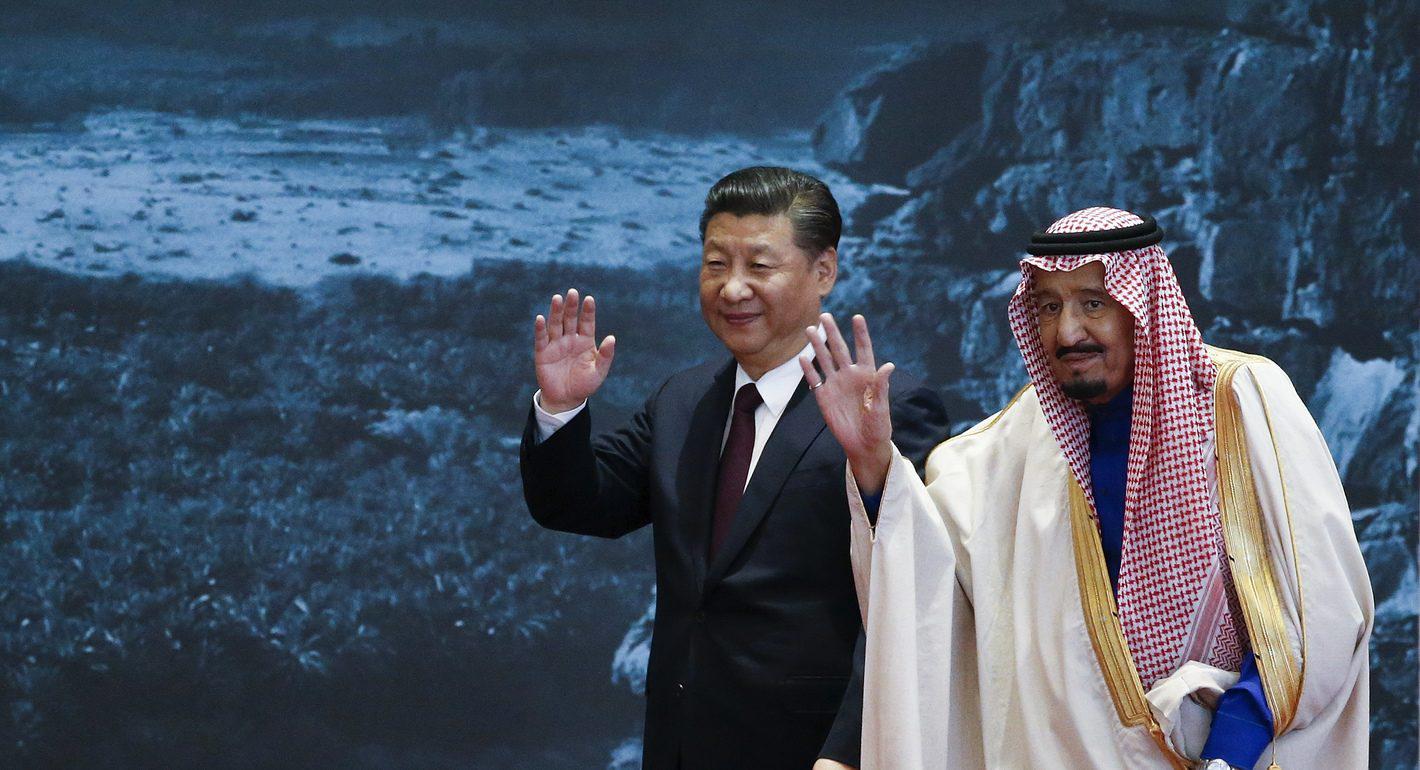
The advantage that China has over other global powers, especially America, is that its foreign policy is closely aligned with those of many of the Middle Eastern countries.


Jin Liangxiang, Maha Yahya, Hesham Alghannam
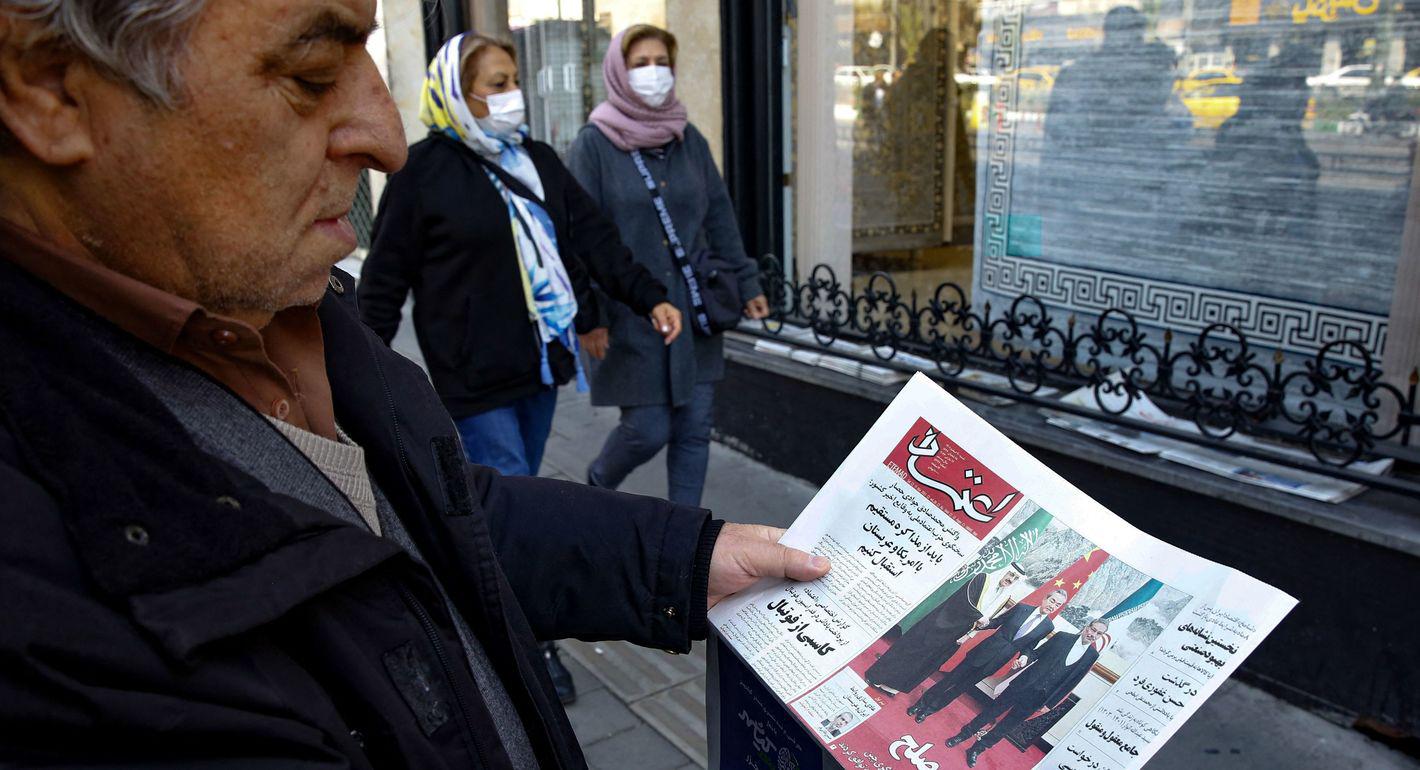
Transactional relationships are stable but can be shallow.

Paul Haenle, Maha Yahya, Benjamin Ho, …
“It’s not so clear how we’re going to get out of this.”
Paul Haenle, Philippe Le Corre
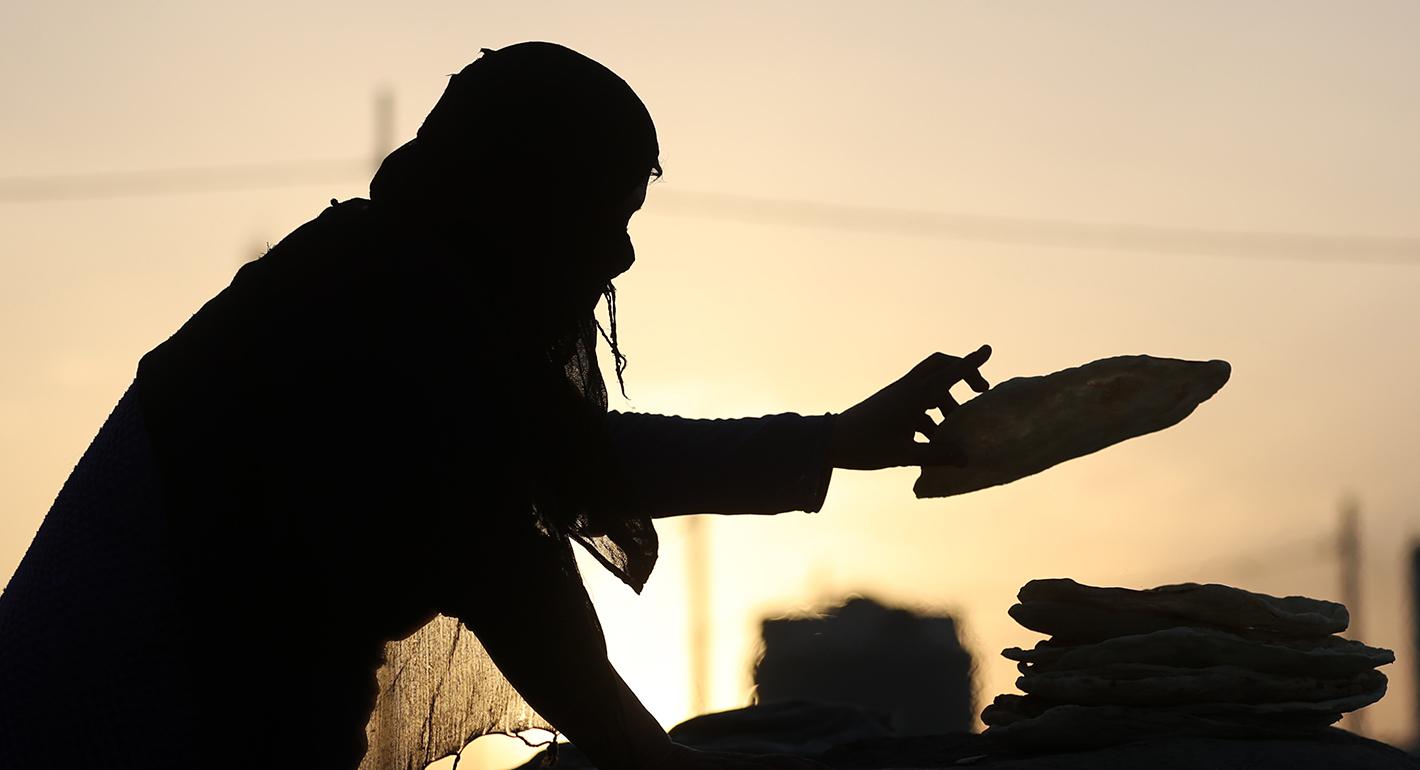
It’s about managing oil prices, bread prices, and strategic partnerships.



Amr Hamzawy, Karim Sadjadpour, Aaron David Miller, …
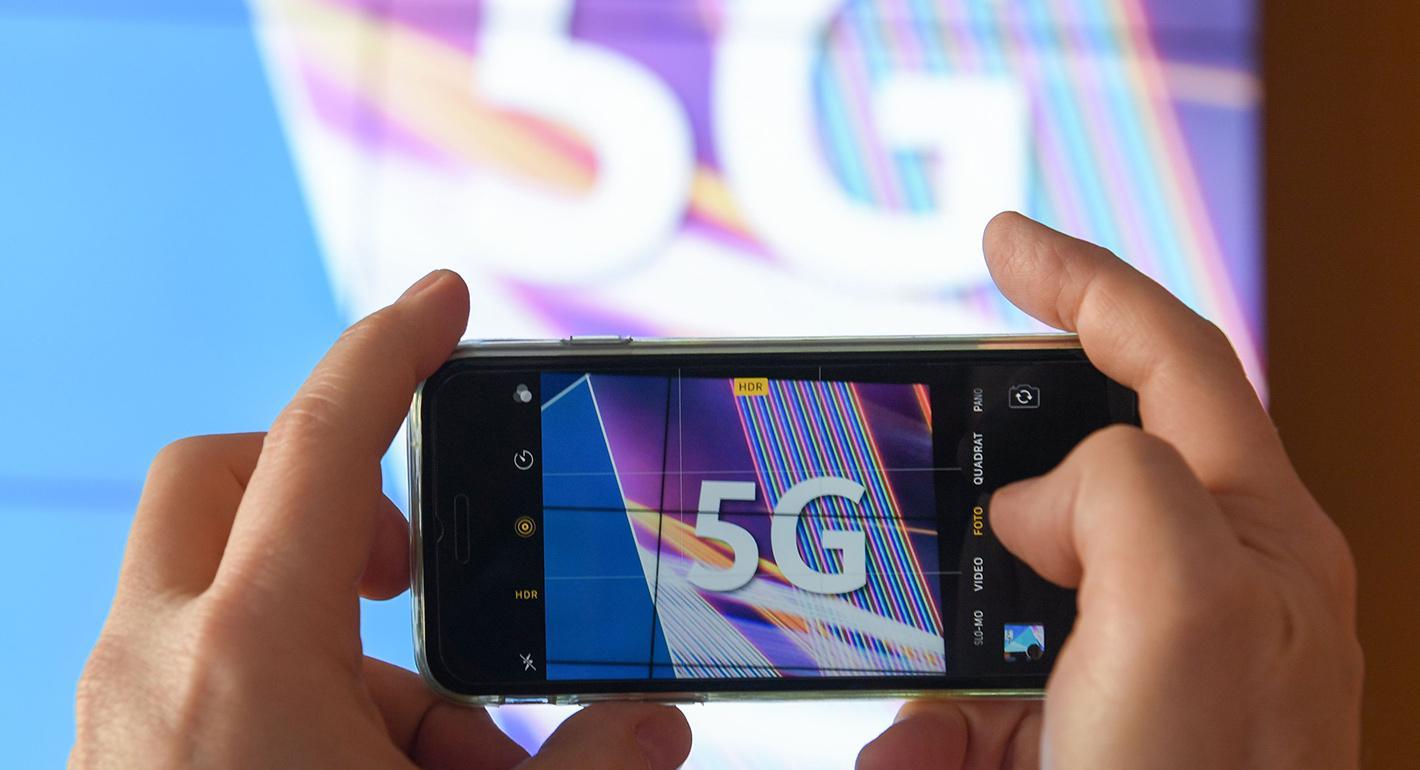
With the potential of enabling not only significant economic growth but also the innovation of critical technologies in various fields, both the United States and China view 5G as one of the key influencing factors in the “great power competition.”
Lyu Jinghua