

In The Media
Michele Dunne, Robert Kagan
{
  "authors": [
    "Robert Kagan"
  ],
  "type": "legacyinthemedia",
  "centerAffiliationAll": "",
  "centers": [
    "Carnegie Endowment for International Peace"
  ],
  "collections": [],
  "englishNewsletterAll": "",
  "nonEnglishNewsletterAll": "",
  "primaryCenter": "Carnegie Endowment for International Peace",
  "programAffiliation": "",
  "programs": [],
  "projects": [],
  "regions": [
    "North America",
    "United States",
    "South Asia",
    "Afghanistan"
  ],
  "topics": [
    "Security",
    "Military",
    "Foreign Policy"
  ]
}
Source: Getty
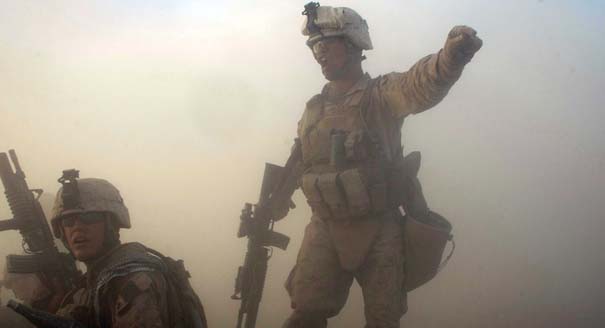
The Afghan War is one of choice, not necessity. President Obama should be prepared to explain why this choice, while difficult and fraught with complexity, is right and better than the alternatives.
Source: Washington Post

The president has walked into a murky swamp that is best avoided. There have been few if any clear-cut wars of necessity in America's history. Not the Revolution, where both the colonists and the British had other and, in the British case, better choices. Not the Civil War, which some historians still believe was an unnecessary and catastrophic spilling of American blood. (Slavery, they wrongly argue, would eventually have died of natural causes.) And never mind the war with Mexico, the Spanish-American War, the many interventions in Central America and the Caribbean, or, in the view of many, World War I.
Haass's own examples don't fit the bill either. He cites the Persian Gulf War as a "war of necessity," but as Chairman of the Joint Chiefs Colin Powell, 48 members of the U.S. Senate and just about every self-described "realist" in the punditocracy argued at the time, the United States could have drawn the line at defending Saudi Arabia and tried to "contain" Saddam Hussein in Kuwait. A bad policy? Yes, and with all kinds of negative consequences for the Middle East and the world. But there also would have been many negative consequences had the United States not gone to war in 2003 and had Hussein remained in power these past six years.
Even the risk of a serious strategic setback does not automatically require going to war to prevent it. It partly depends on the cost. It would have been bad if the United States had not defended South Korea in 1950 -- another of Haass's "necessary" wars -- but it would not have been the end of the world, either. The United States and the West suffered far more from the Soviet Union's stationing of the Red Army across Eastern Europe after World War II, but no one, including Haass, claims it was necessary to go to war with Stalin in 1945.
The fact is, unless the nation is invaded or its very survival is imminently threatened, going to war is always a choice. So what is the point of trying to make this elusive distinction anyway? For many, including Obama, the present purpose is to distinguish Afghanistan from Iraq, Obama's "good" war from George W. Bush's "bad" war. But it won't work. As Haass correctly argues, right or wrong, they were both wars of choice.
But there is a deeper reason, as well, for Obama to claim necessity in Afghanistan. It is part of what increasingly seems to be a striving for moral purity in international affairs by this administration. Obama and his top advisers apologize for America's past sins, implicitly suggesting they will commit no new ones. And that goes for fighting wars. No one can blame you for fighting a war if it is a war of necessity, or so they may believe. All the inevitable ancillary casualties of war -- from civilian deaths to the occasional misbehavior of the troops to the errors of commanders -- are more easily forgiven if one has no choice. The claim of necessity wipes away the moral ambiguities inherent in the exercise of power. And it prevents scrutiny of one's own motives, which in nations, as in individuals, are rarely pure.
This hoped-for escape from moral burdens is, however, an illusion. Just because America declares something necessary doesn't mean that the rest of the world, and especially its victims, will believe it is just. The claim of necessity will not absolve the United States, and Obama, from responsibility for its actions.
As Reinhold Niebuhr pointed out long ago, Americans find it hard to acknowledge this moral ambiguity of power. They are reluctant to face the fact that it is only through the morally ambiguous exercise of their power that any good can be accomplished. Obama is right to be prosecuting the war in Afghanistan, and he should do so even more vigorously. But he will not avoid the moral and practical burdens of fighting this war by claiming he has no choice. An action can be right or just without being necessary. Like great presidents in the past, Barack Obama will have to explain why his choice, while difficult and fraught with complexity, is right and better than the alternatives.

Former Senior Associate
Kagan, author of the recent book, The Return of History and the End of Dreams (Knopf 2008), writes a monthly column on world affairs for the Washington Post and is a contributing editor at both the Weekly Standard and the New Republic.
Recent Work

Michele Dunne, Robert Kagan
Robert Kagan, Michele Dunne
Carnegie does not take institutional positions on public policy issues; the views represented herein are those of the author(s) and do not necessarily reflect the views of Carnegie, its staff, or its trustees.
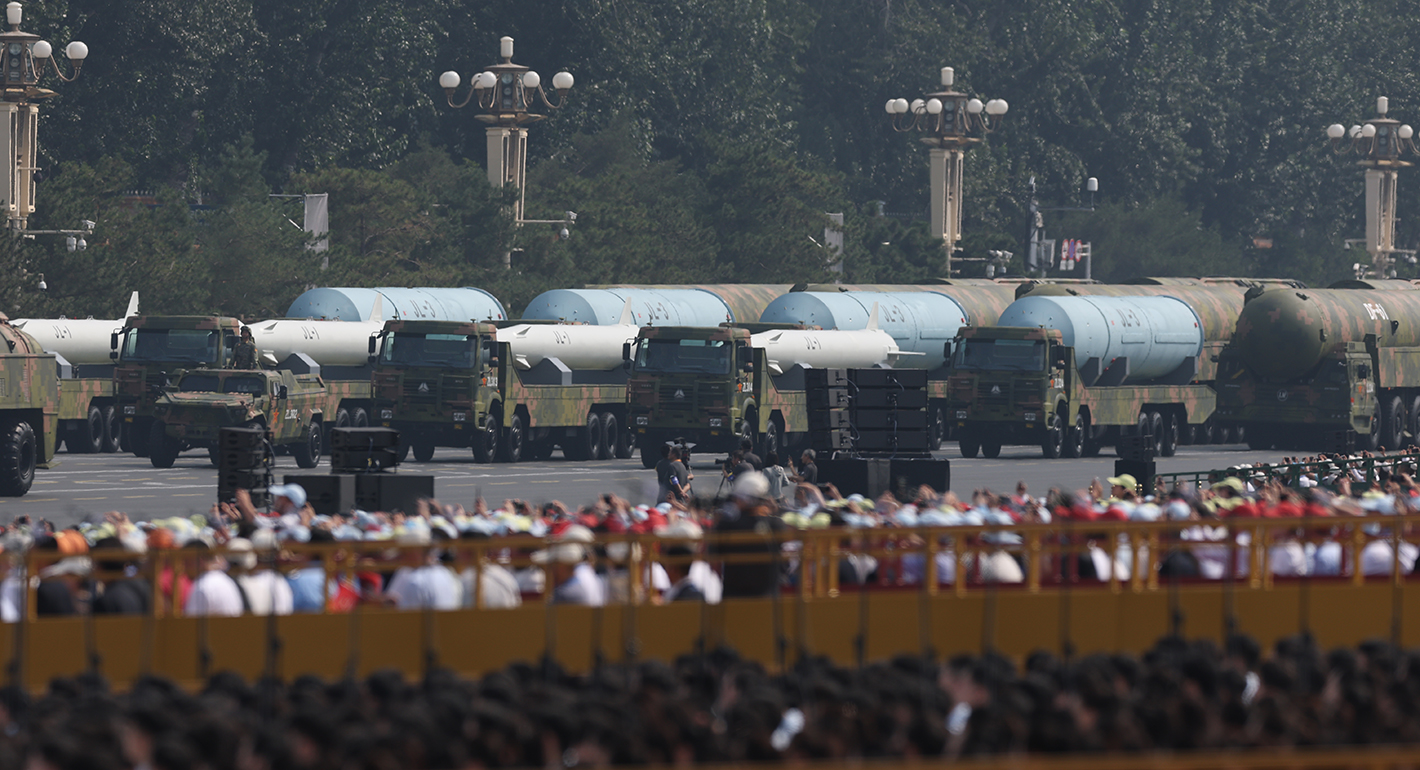
The nuclear relationship between China and the United States is increasingly shaped by widening perception gaps rather than deliberate strategic design.

Tong Zhao
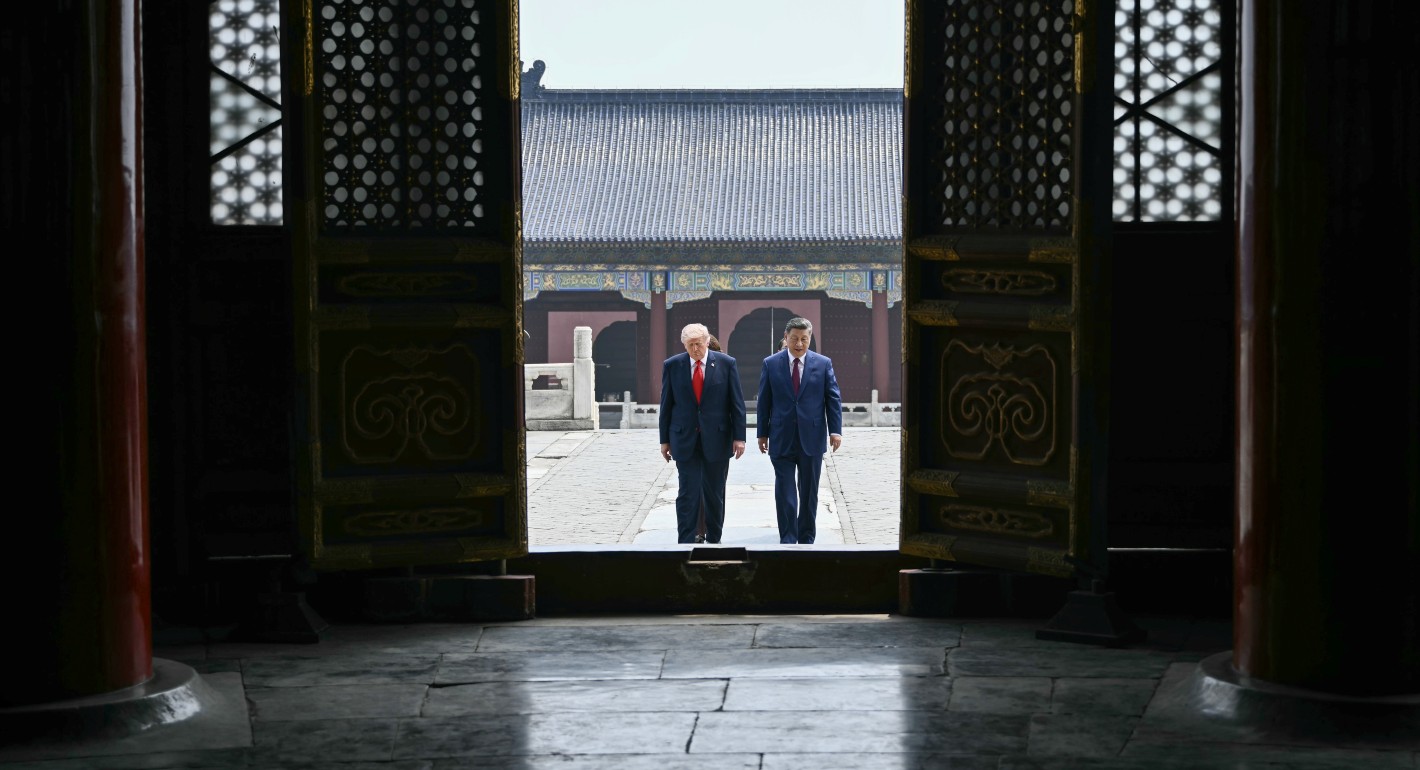
But their "principal to principal" model will only be as effective as the political strength of each leader back home.

Damien Ma
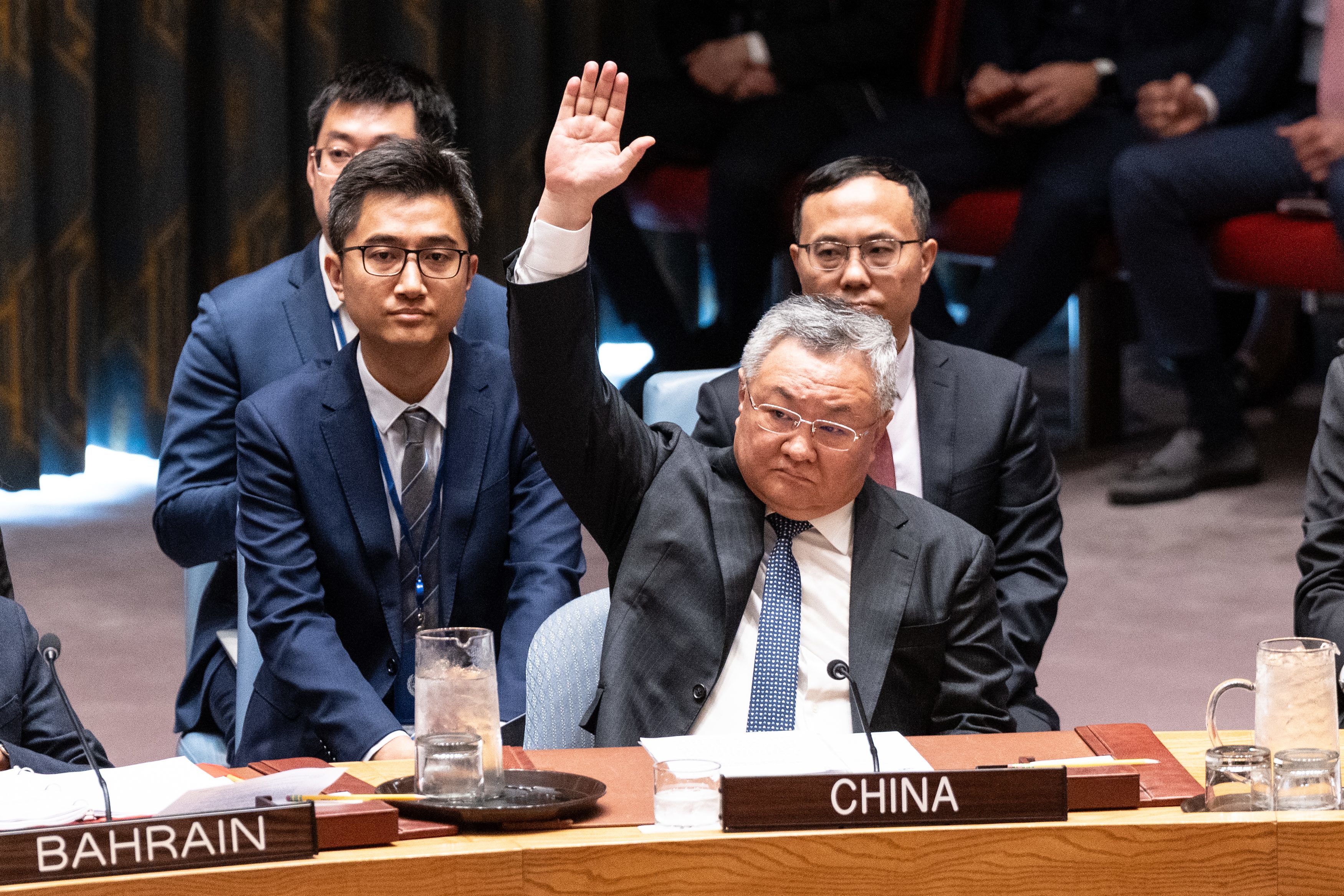
U.S. unpredictability has allowed China to capitalize on its positioning as the “responsible great power”. Paradoxically, the more China wins the perception game, the more likely expectations will rise for Beijing to deliver not just words but to demonstrate with its deeds.

Chong Ja Ian
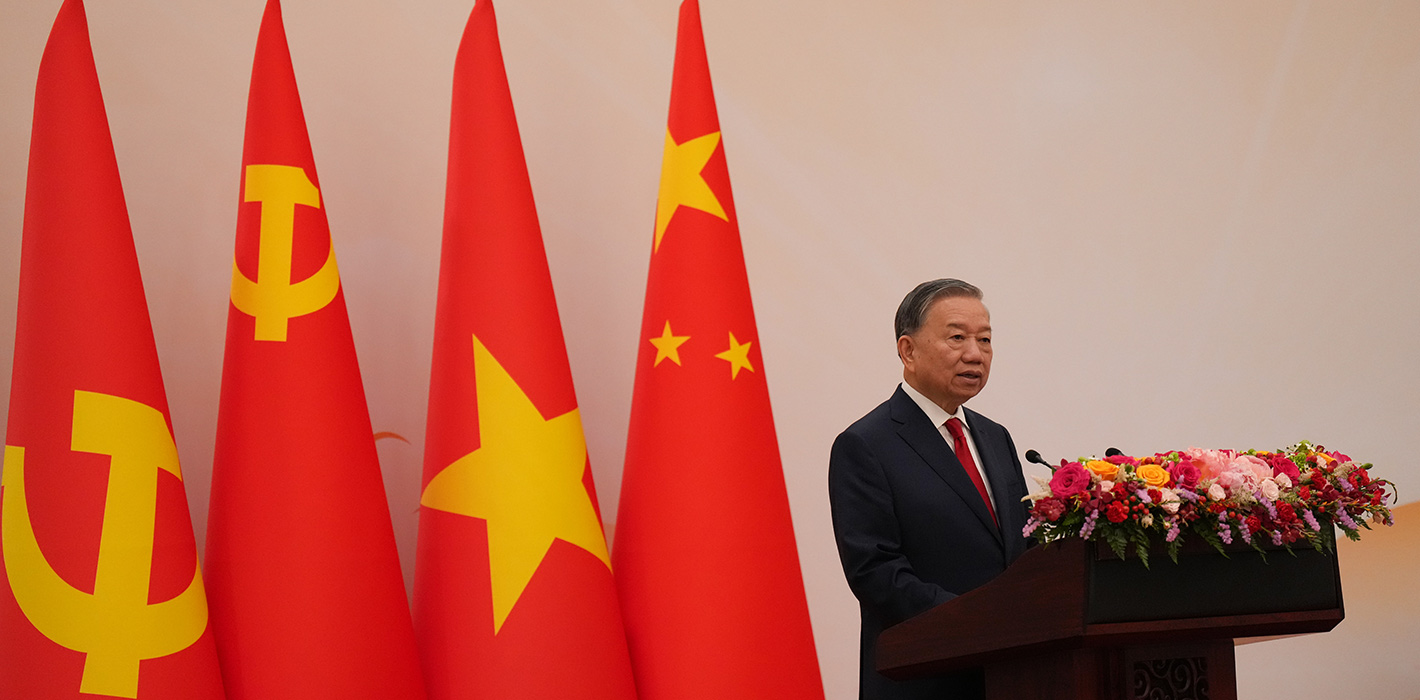
Hanoi and Beijing have long treated each other as distant cousins rather than comrades in arms. That might be changing as both sides draw closer to hedge against uncertainty and America’s erratic behavior.

Nguyễn Khắc Giang
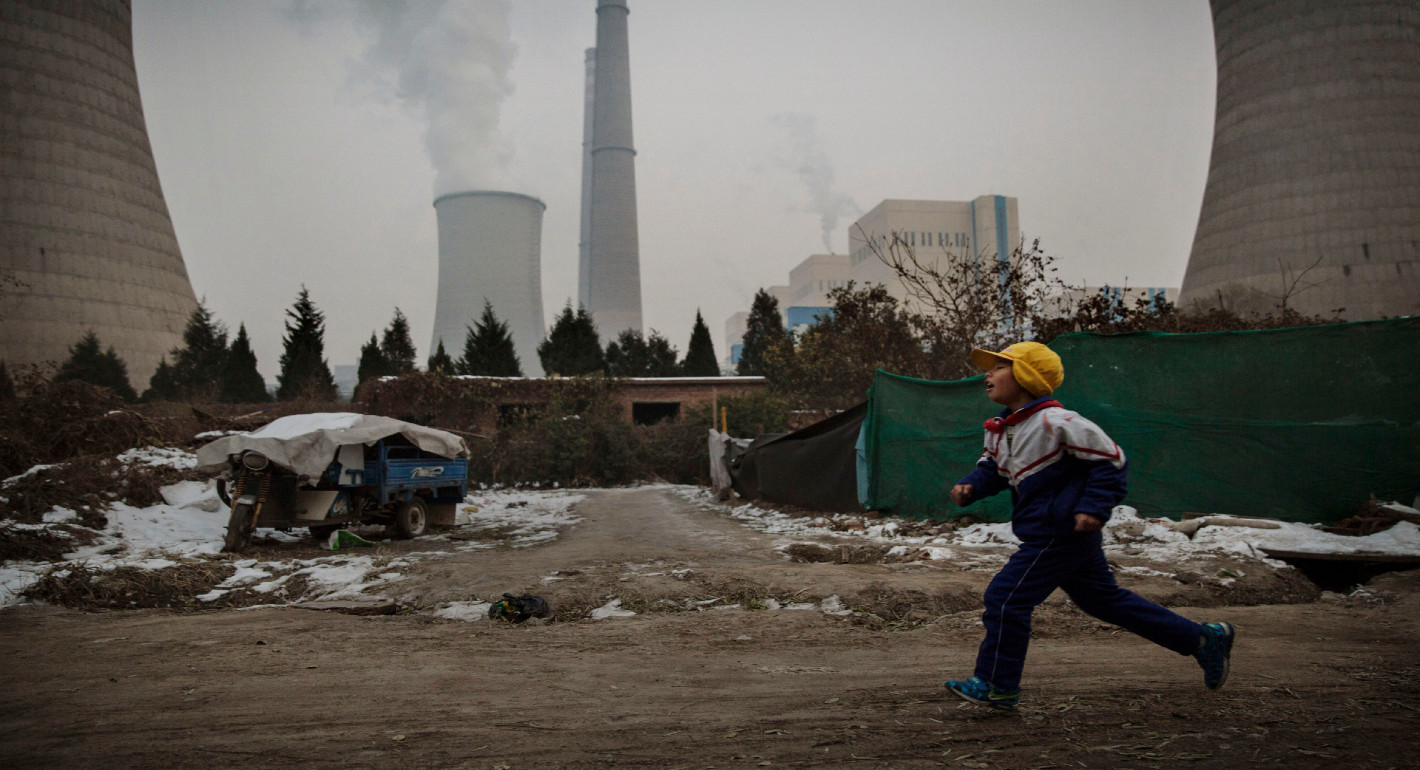
Across Asia, China is better positioned to withstand energy shocks from the fallout of the Iran war. Its abundant coal capacity can ensure stability in the near term. Yet at the same time, the country’s energy transition away from coal will make it even less vulnerable during the next shock.
Damien Ma