

Paper
The nuclear relationship between China and the United States is increasingly shaped by widening perception gaps rather than deliberate strategic design.
Tong Zhao
{
  "authors": [],
  "type": "pressRelease",
  "centerAffiliationAll": "dc",
  "centers": [
    "Carnegie Endowment for International Peace"
  ],
  "collections": [
    "U.S. Nuclear Policy"
  ],
  "englishNewsletterAll": "ctw",
  "nonEnglishNewsletterAll": "",
  "primaryCenter": "Carnegie Endowment for International Peace",
  "programAffiliation": "NPP",
  "programs": [
    "Nuclear Policy"
  ],
  "projects": [],
  "regions": [
    "United States",
    "Caucasus",
    "Russia",
    "Eastern Europe"
  ],
  "topics": [
    "Military"
  ]
}
REQUIRED IMAGE
Critics of President Obama’s move to reconfigure the proposed missile shield in Europe have accused the administration of kowtowing to Russia in the naïve hope of increased pressure from Moscow on Iran. Kimberly Misher contends that the president’s decision was the right one based on technical, financial, political, and security considerations.
WASHINGTON, Sept 18—Critics of President Obama’s move to reconfigure the proposed missile shield in Europe have accused the administration of kowtowing to Russia in the naïve hope of increased pressure from Moscow on Iran. In a new policy outlook, Kimberly Misher contends that the president’s decision was the right one based on technical, financial, political, and security considerations.
Key Conclusions
“The Obama administration was right to evaluate planned missile defense deployments against tough standards of feasibility, affordability, and desirability,” writes Misher. “Its decision to reconfigure European missile defenses to meet a short- and medium-range Iranian missile threat demonstrates a commitment to European defenses, not an abandonment of its allies.”
###
NOTES
Carnegie does not take institutional positions on public policy issues; the views represented herein are those of the author(s) and do not necessarily reflect the views of Carnegie, its staff, or its trustees.

The nuclear relationship between China and the United States is increasingly shaped by widening perception gaps rather than deliberate strategic design.

Tong Zhao

But their "principal to principal" model will only be as effective as the political strength of each leader back home.

Damien Ma

U.S. unpredictability has allowed China to capitalize on its positioning as the “responsible great power”. Paradoxically, the more China wins the perception game, the more likely expectations will rise for Beijing to deliver not just words but to demonstrate with its deeds.

Chong Ja Ian

For Malaysia, the conjunction that works is “and” not “or” when it comes to the United States and China.

Elina Noor
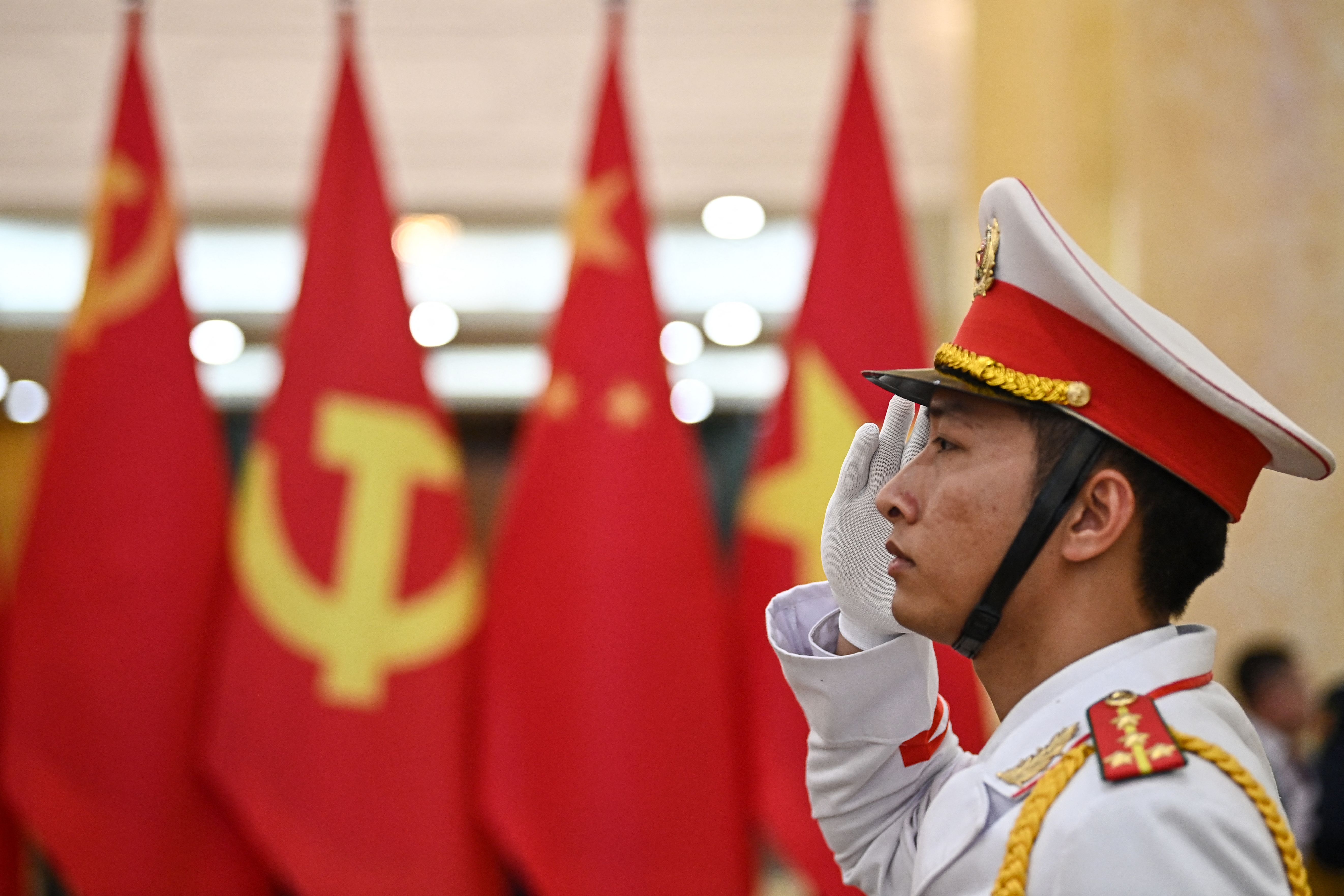
In July 2025, Vietnam and China held their first joint army drill, a modest but symbolic move reflecting Hanoi’s strategic hedging amid U.S.–China rivalry.

Nguyễn Khắc Giang