

Commentary
Nikolay Petrov
{
  "authors": [
    "Nikolay Petrov"
  ],
  "type": "legacyinthemedia",
  "centerAffiliationAll": "",
  "centers": [
    "Carnegie Endowment for International Peace",
    "Carnegie Russia Eurasia Center"
  ],
  "collections": [],
  "englishNewsletterAll": "",
  "nonEnglishNewsletterAll": "",
  "primaryCenter": "Carnegie Russia Eurasia Center",
  "programAffiliation": "",
  "programs": [],
  "projects": [],
  "regions": [
    "Caucasus",
    "Russia"
  ],
  "topics": [
    "Political Reform",
    "Economy"
  ]
}
Source: Getty
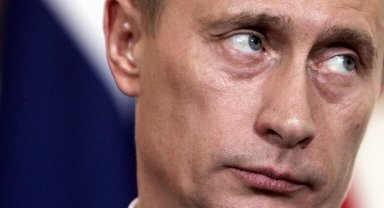
Although Prime Minister Putin’s eighth annual call-in show was much livelier than the typical state television coverage of the government’s public policy, it will take much more than a yearly show to establish a genuine two-way dialogue between the government and the people.
Source: The Moscow Times

This time Putin answered questions from a wider geographic spread than usual and revisited conversations that he had this year with ordinary citizens in areas hit hard by the crisis, including Pikalyovo, Magnitogorsk, Kuzbass, Tolyatti, Naberezhny Chelny and the Sayano-Shushenskaya hydroelectric plant.
Putin spoke at length about all of the great steps that the government is taking to help the people — everything from raising pensions to giving government allowances to mothers who give birth to more than one child. He even remarked offhandedly that he is not concerned with his popularity ratings, but this was hardly convincing. It was difficult not to see the event as a run-up to Putin’s presidential re-election campaign.
Putin addressed regional authorities without mentioning individuals by name. He described the governor of Krasnoyarsk as “young and energetic” and the Chelyabinsk governor as “an experienced and respected person, and generally an effective manager.” Putin mentioned that he would ask the Leningrad governor “to submit the regional and municipal governments’ plans for Pikalyovo’s development,” and reminded Rostov’s governor that “negligence on the part of officials should be punished.” All 2 million questions submitted for the program were broken down by region and analyzed after the call-in show. Governors from every region must report later on the work that they are doing to address those issues.
During the program, Putin demonstrated his knowledge of the names of factory directors and the technical complexities of different manufacturing processes. But despite all of this detail, the most important things were missing: an overall assessment of the country’s economic condition, the government’s strategy for dealing with it and a strategy to improve the effectiveness of government.
There were also two blatant contradictions in Putin’s answers. First, he criticized Russians for expecting the state to solve all of their problems. This, Putin believes, breeds governmental paternalism, which hampers the country’s development. At the same time, Putin cast himself as the ultimate and kind father figure, trying to convince Russians that the government — and he in particular — is concerned about each and every citizen.
Second, Putin mentioned several times that these televised call-in programs are an excellent way for the government to establish direct contact with the people. But as the number of bureaucrats exceeds 1 million people and continues to grow, the notion of “government” is much broader than Putin, and it will take much more than his yearly call-in show to establish a genuine two-way dialogue between the government and the people.
Former Scholar-in-Residence, Society and Regions Program, Moscow Center
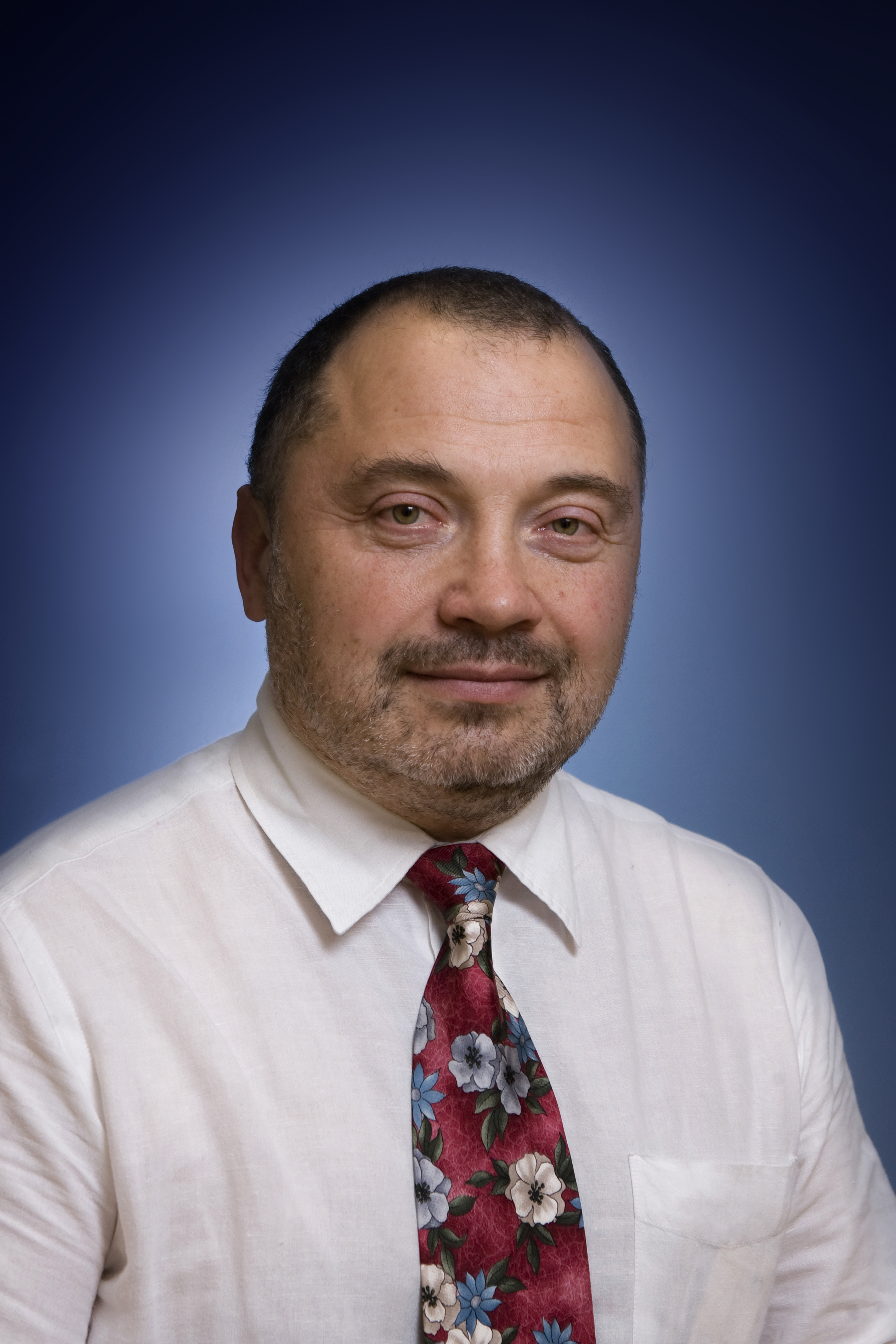
Nikolay Petrov was the chair of the Carnegie Moscow Center’s Society and Regions Program. Until 2006, he also worked at the Institute of Geography at the Russian Academy of Sciences, where he started to work in 1982.
Recent Work
Nikolay Petrov
Nikolay Petrov
Carnegie does not take institutional positions on public policy issues; the views represented herein are those of the author(s) and do not necessarily reflect the views of Carnegie, its staff, or its trustees.

China’s banking crisis in the 2000s was resolved by transferring the costs to households through financial repression—a decision that recapitalized the banks while exacerbating the structural imbalances that continue to shape the Chinese economy today.

Michael Pettis

In the latest Five-Year Plan, the Chinese president cements the shift to an innovation-driven economy over a consumption-driven one.

Damien Ma
Rather than climate ambitions, compatibility with investment and exports is why China supports both green and high-emission technologies.

Mathias Larsen
“Involution” is a new word for an old problem, and without a very different set of policies to rein it in, it is a problem that is likely to persist.
Michael Pettis
While China's investment story seems contradictory from the outside, the real answers to Beijing's high-quality growth ambitions are hiding in plain sight across the nation's cities.
Yuhan Zhang