

Paper
The nuclear relationship between China and the United States is increasingly shaped by widening perception gaps rather than deliberate strategic design.
Tong Zhao
{
  "authors": [
    "Pierre Goldschmidt",
    "Nima Gerami"
  ],
  "type": "legacyinthemedia",
  "centerAffiliationAll": "dc",
  "centers": [
    "Carnegie Endowment for International Peace",
    "Carnegie Europe",
    "Malcolm H. Kerr Carnegie Middle East Center"
  ],
  "collections": [],
  "englishNewsletterAll": "ctw",
  "nonEnglishNewsletterAll": "",
  "primaryCenter": "Carnegie Endowment for International Peace",
  "programAffiliation": "NPP",
  "programs": [
    "Nuclear Policy"
  ],
  "projects": [],
  "regions": [
    "Middle East",
    "Iran",
    "Israel",
    "North Africa",
    "Egypt",
    "Gulf",
    "Levant",
    "Maghreb"
  ],
  "topics": [
    "Security",
    "Nuclear Policy"
  ]
}
Source: Getty
A nuclear-test-free zone in the Middle East would be a realistic and practical way to lower regional tensions.
Source: The Guardian

At the review conference of 15 years ago, states agreed to the indefinite extension of the NPT and to the Middle East resolution, which calls on states in the region to take practical steps towards a verifiable nuclear-weapon-free zone. The concept was not new. Earlier initiatives were advanced by Iran and Egypt at the UN in 1974. Israel later joined the consensus for similar resolutions adopted every year since 1980. All have had little effect, leading a frustrated Egypt – a champion of the cause – to block all other work during the 2005 conference. The issue is a potential stumbling block in the current talks.
Israel – not a member of the NPT – will not give up its alleged nuclear arsenal so long as Iran and other Middle Eastern countries refuse to recognise Israel's existence. It is unrealistic to expect Israel to join the treaty as a non-nuclear-weapon state while Iran continues its nuclear development. As the Spanish diplomat Salvador de Madariaga once said: "Nations don't distrust each other because they are armed; they are armed because they distrust each other. And therefore to want disarmament before a minimum of common agreement on fundamentals is as absurd as to want people to go undressed in winter."
So the hope for eliminating nuclear weapons is tied to progress on the Middle East peace process. And given political realities, a nuclear-weapon-free zone is impossible at this stage. What can be done to break the deadlock?
Countries should seize the moment to promote a nuclear-test-free zone in the Middle East. States would agree to ratify the comprehensive test ban treaty – a global ban on nuclear tests – within an agreed period of time. As a practical confidence-building measure, this initiative would decouple resolution of the Arab-Israeli conflict and other regional disputes from reducing the risks of nuclear escalation and proliferation.
But who could lead this effort? In her opening-day speech, US secretary of state Hillary Clinton said: "The Middle East may present the greatest threat of nuclear proliferation in the world today." The US will therefore support practical measures to eliminate weapons of mass destruction in the region, but it is presently not in the best position to take the lead in banning nuclear tests.
If Egypt, as the influential chair of the non-aligned movement and of the New Agenda Coalition, were to promote a nuclear-test-free zone, it would bolster its leadership, and Egypt would enjoy international credit for matching its words with deeds. Indeed, Egypt is the only member of the New Agenda Coalition not to have ratified the test ban treaty, as advocated by the coalition's 1998 joint declaration. Unfortunately, for Egypt, anything less than Israel joining the NPT as a non-nuclear-weapon state seems to be a political non-starter.
Israel, arguably, could take a lead, which would directly pressure Iran and its Arab neighbours to follow suit. Yet Israel will argue that this would be a distraction from the more pressing issue of Tehran's pursuit of a nuclear weapons capability. For Iran itself, promoting a test-free zone could alleviate mounting international pressures over its refusal to comply with International Atomic Energy Agency and UN security council resolutions against its questionable nuclear activities. But the odds that Iran would initiate a deal involving Israel are nil.
The European Union and Turkey, however, are both possible leaders. Each wants to play a moderating role to bring peace to the Middle East, and both could promote a region without nuclear tests as a first step in the right direction.
At the review conference, diplomats must avoid raising unrealistic and counterproductive expectations. Rather, banning nuclear tests in the Middle East is a realistic and practical way to lower regional tensions, and bring us all closer to global peace and security.

Former Nonresident Senior Associate, Nuclear Policy Program
Goldschmidt was a nonresident senior associate at the Carnegie Endowment.
Nima Gerami
Former Research Assistant, Nuclear Policy Program
Carnegie does not take institutional positions on public policy issues; the views represented herein are those of the author(s) and do not necessarily reflect the views of Carnegie, its staff, or its trustees.

The nuclear relationship between China and the United States is increasingly shaped by widening perception gaps rather than deliberate strategic design.

Tong Zhao
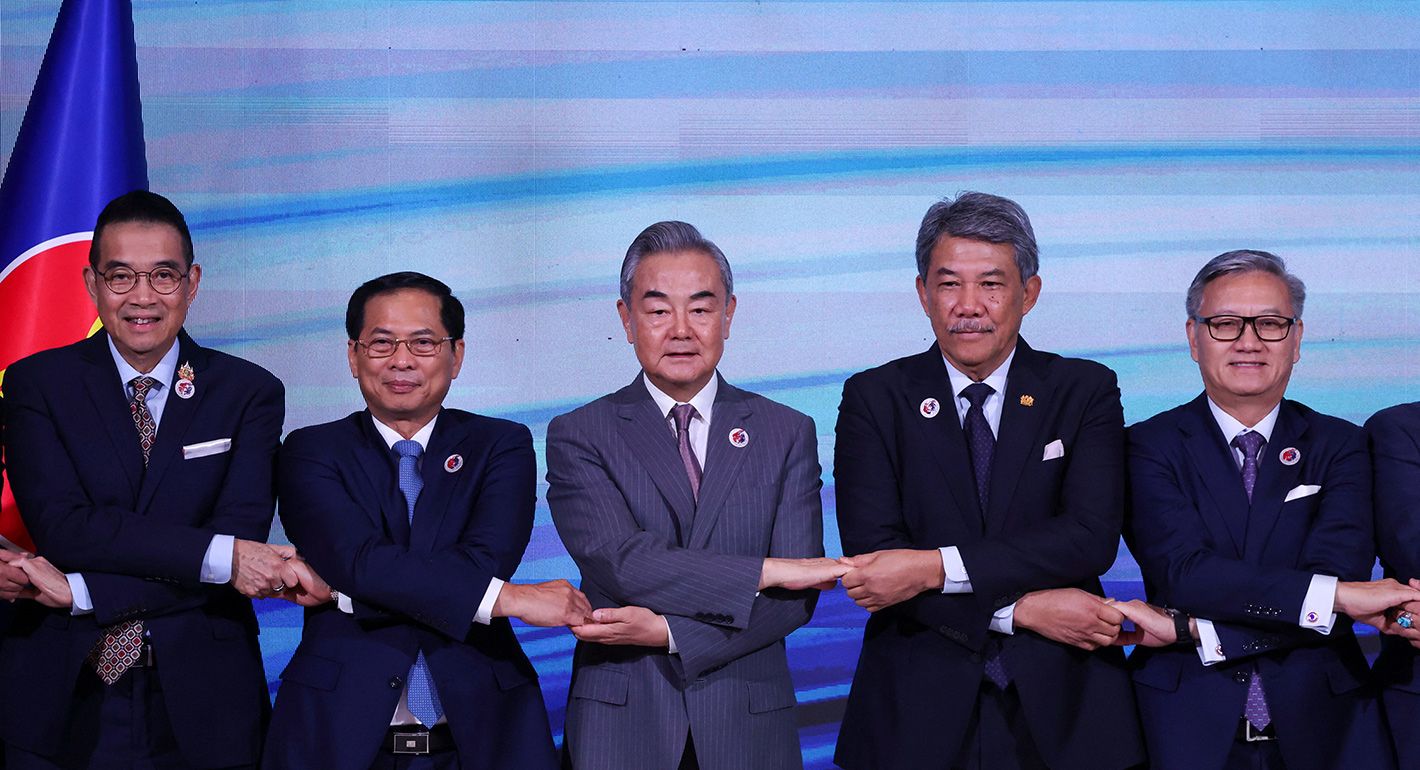
The Thai-Cambodian conflict highlights the limits to China's peacemaker ambition and the significance of this role on Southeast Asia’s balance of power.

Pongphisoot (Paul) Busbarat
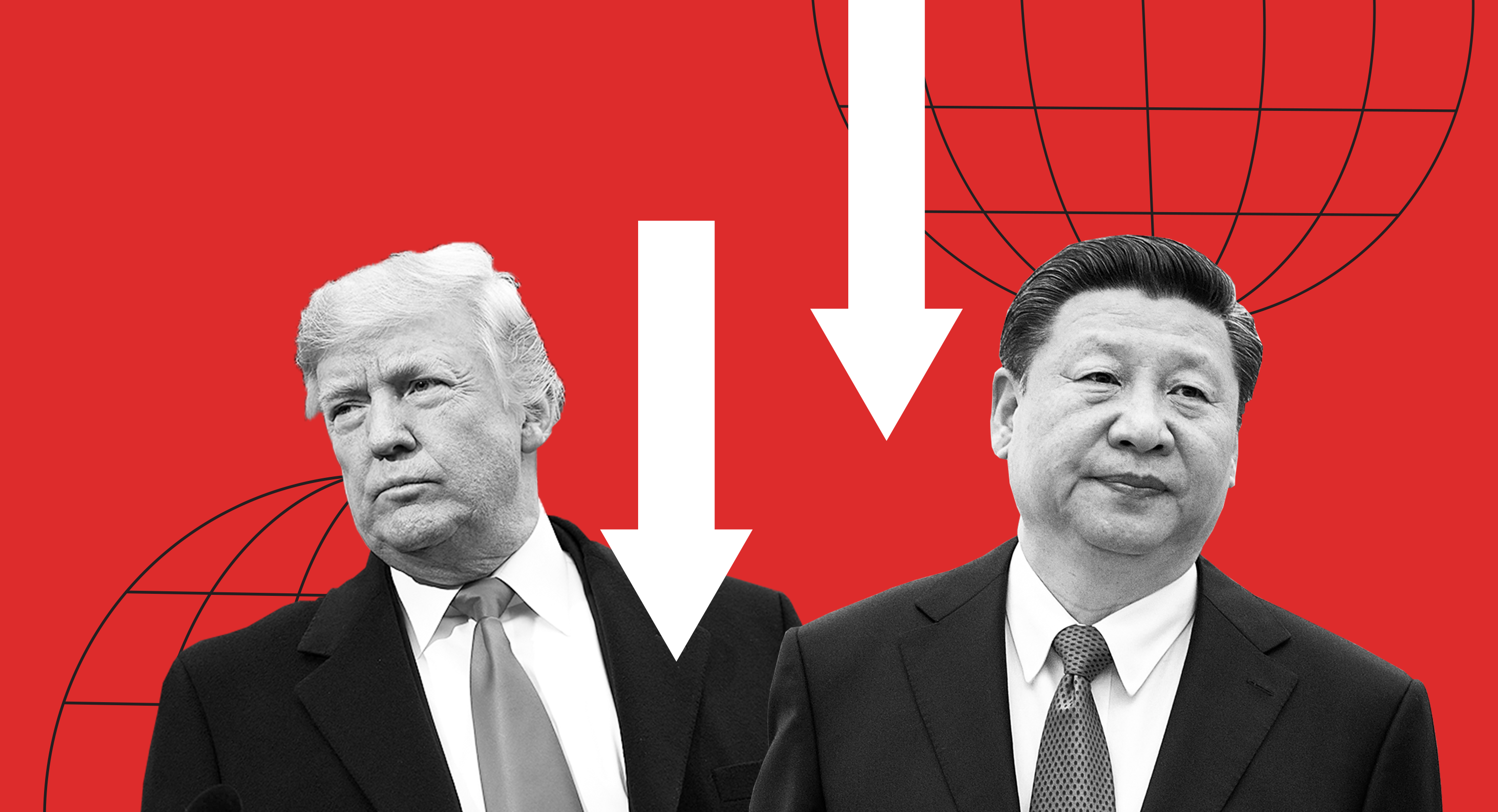
Beijing believes that Washington is overestimating its own leverage and its ability to handle the trade war’s impacts.


Rick Waters, Sheena Chestnut Greitens
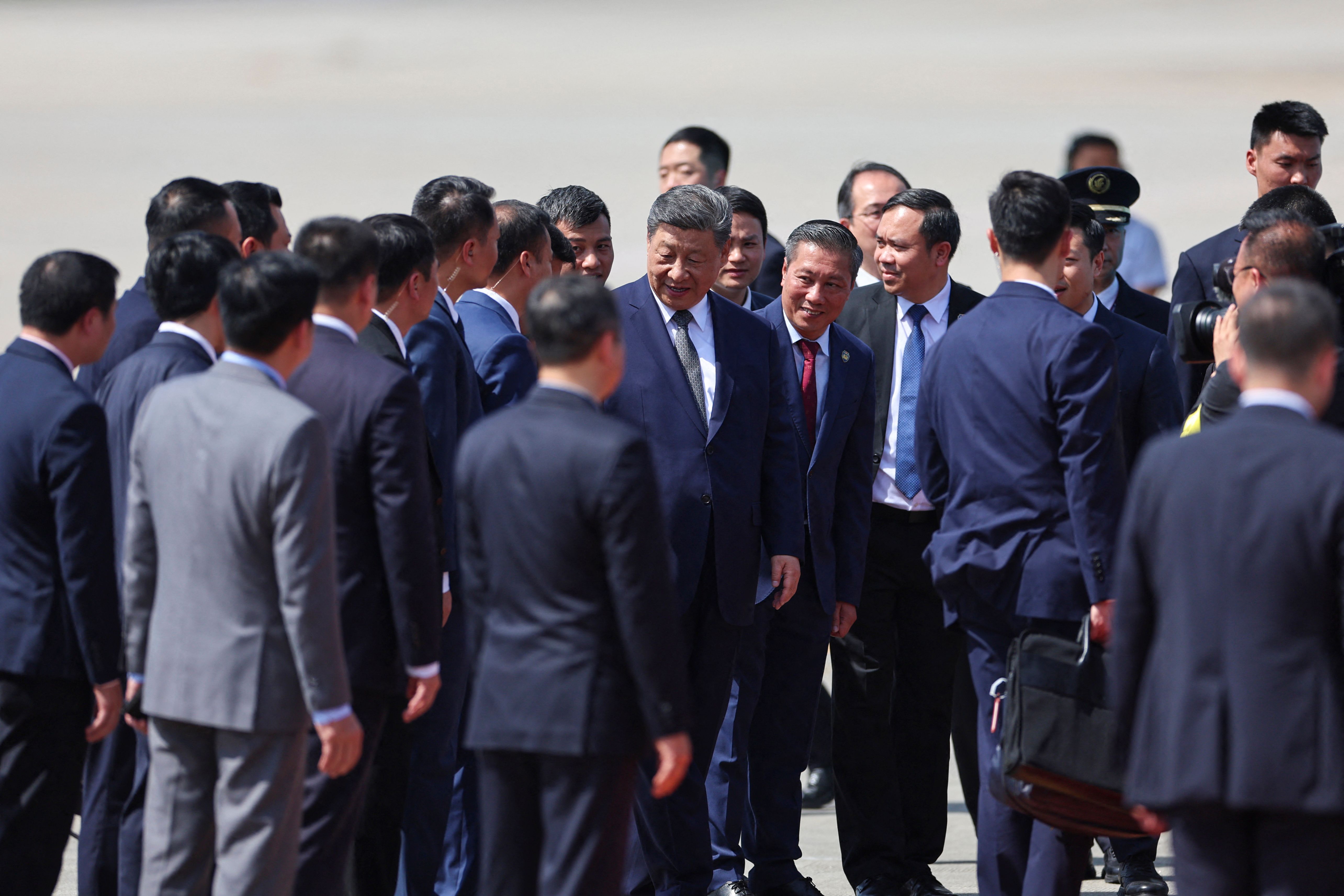
Tapping our network of China experts in the region, Carnegie China offers this latest “China Through a Southeast Asian Lens” report to offer preliminary assessments of whether the U.S. effort to reshape the global trading order will lead countries in the region to tilt toward Beijing.


Selina Ho, Khin Khin Kyaw Kyee, Joseph Ching Velasco, …
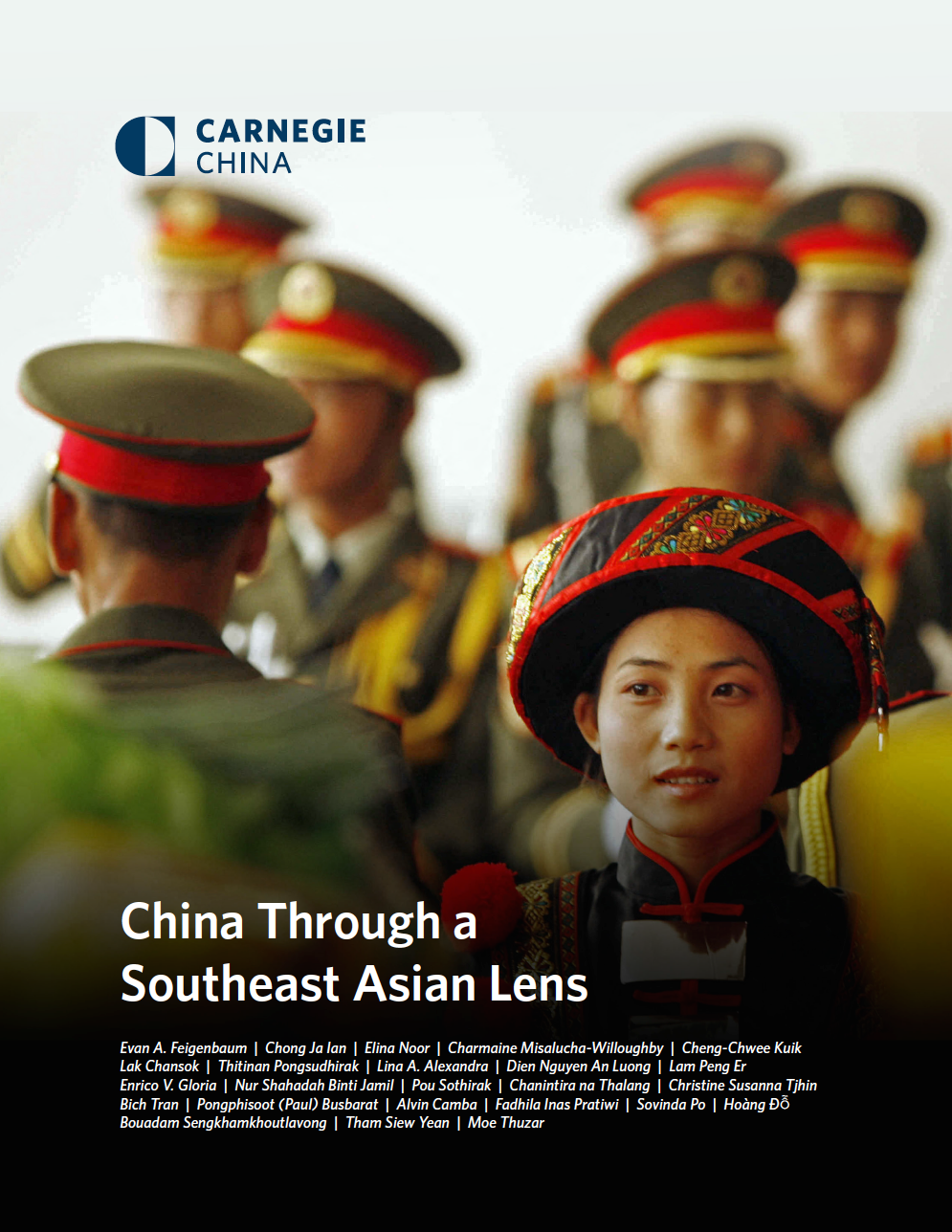
Because strategic, economic, and ideological perceptions of China contain multiple, sometimes contradictory facets in Southeast Asia, receptions of and responses to Beijing diverge across and within state lines.



Evan A. Feigenbaum, Chong Ja Ian, Elina Noor