

Commentary
Thomas de Waal
{
  "authors": [
    "Thomas de Waal"
  ],
  "type": "legacyinthemedia",
  "centerAffiliationAll": "dc",
  "centers": [
    "Carnegie Endowment for International Peace",
    "Carnegie Europe",
    "Carnegie Russia Eurasia Center"
  ],
  "collections": [],
  "englishNewsletterAll": "ctw",
  "nonEnglishNewsletterAll": "",
  "primaryCenter": "Carnegie Europe",
  "programAffiliation": "russia",
  "programs": [
    "Russia and Eurasia"
  ],
  "projects": [],
  "regions": [
    "Russia",
    "Europe",
    "Caucasus",
    "Western Europe"
  ],
  "topics": []
}
Source: Getty
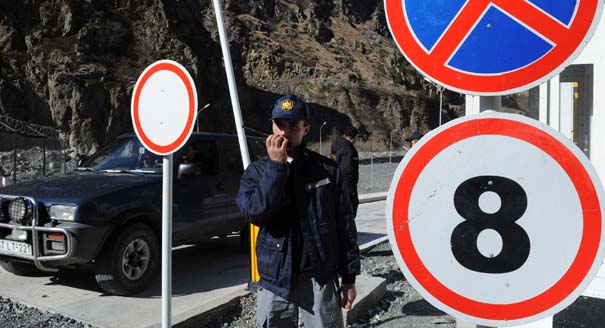
The position of EU special representative for the south Caucasus plays an important role in the potential transformation and development of the volatile region.
Source: European Voice

Why is the post currently occupied by the Swedish diplomat Peter Semneby still needed in the EU’s new, post-Lisbon treaty era? First of all because, in the old-fashioned vertical hierarchies of these countries, personalities matter. The two or three leaders who take the key decisions in each place like regular interlocutors with whom they can do business. In the form of an EUSR, the leaders of the south Caucasus have had an answer to Henry Kissinger’s question, “What is the telephone number of Europe?”
On a couple of occasions, the envoy’s diplomacy has been critical. Semneby’s predecessor, Finland’s Heiki Talvitie, helped mediate a peaceful solution to the crisis over Georgia’s autonomous province of Ajaria in 2004. In June 2008, Semneby, in late-night talks, persuaded Georgia’s President Mikheil Saakashvili not to declare the Russian peacekeeping force in Abkhazia illegal, thereby sparing Abkhazia a potential conflagration. Sadly, he and others could not pull off the same trick when the crisis in South Ossetia escalated into war two months later.
Secondly, international policy towards the south Caucasus would be shackled if it turned into three bilateral policies towards Georgia, Armenia and Azerbaijan. If this region is to have a promising future, it has to work, eventually, as a region. That entails resolving its conflicts, rebuilding its broken railway network, tearing down customs barriers and unlocking borders so as to make it into an attractive and open thoroughfare between Russia, Turkey and Iran. Currently, far too many feudal lords in the Caucasus are comfortable with the status quo of closed borders, which enables them to maintain cartels and monopolies and control their local fiefdoms. Inevitably, one-country agendas pursued by the West encourage the governments in Baku, Tbilisi and Yerevan to look inward and forget about regional co-operation. They reinforce divisions, rather than break them down. Only an outsider who works with the whole region can lobby effectively for regional integration.
That also means working in the three shadowy conflict regions of the south Caucasus. South Ossetia has been closed to the outside world since the 2008 war, but Semneby has been successful in keeping up vital links with the de facto republic of Abkhazia – something that a diplomat based in Tbilisi is no longer able to do. (In parallel to Semneby, the EU delegation to the Geneva talks on Georgia’s conflicts is led by Pierre Morel, who is also the EUSR on Central Asia. This thankless task must eventually be reviewed, as the Geneva talks are completely deadlocked.)
The third unresolved conflict in the region, between Armenia and Azerbaijan over the province of Nagorno-Karabakh is the biggest, the most hidden and the most dangerous. The EU currently has no proper role in the peace process, although France is one of the three mediators in the political negotiations of the Minsk process. Sooner or later, if this emaciated peace process is to acquire some flesh, the EU will be required to play a role it performed in the post-Dayton Balkans, as the guarantor of reconstruction, policing and political reform. But, again, it would need a supra-regional envoy to argue for this role and assert the EU’s right to be an agent of peaceful change.
The south Caucasus is the EU’s most fragile neighbourhood and potentially the one most conducive to its transforming capacities. It needs the agile personal leadership of a single envoy to help make that mission achievable.

Senior Fellow, Carnegie Europe
Thomas de Waal is a senior fellow at Carnegie Europe, specializing in Eastern Europe and the Caucasus.
Recent Work
Thomas de Waal
Thomas de Waal
Carnegie does not take institutional positions on public policy issues; the views represented herein are those of the author(s) and do not necessarily reflect the views of Carnegie, its staff, or its trustees.
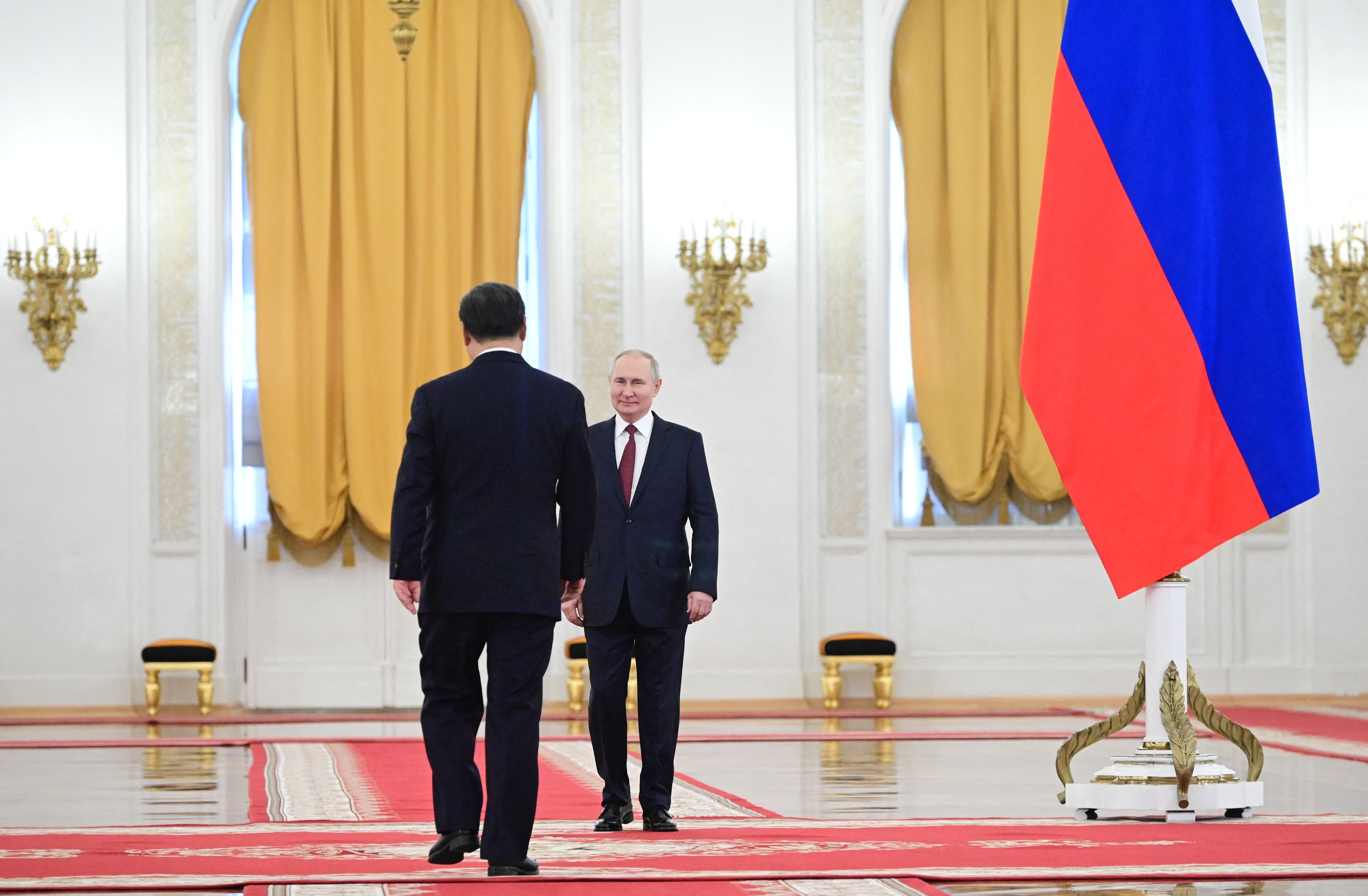
Beijing is trying to navigate the overall situation regarding Ukraine, especially the substance of interactions between Washington and Moscow.
Ellen Nakashima, Zhao Long, Pavlo Klimkin, …
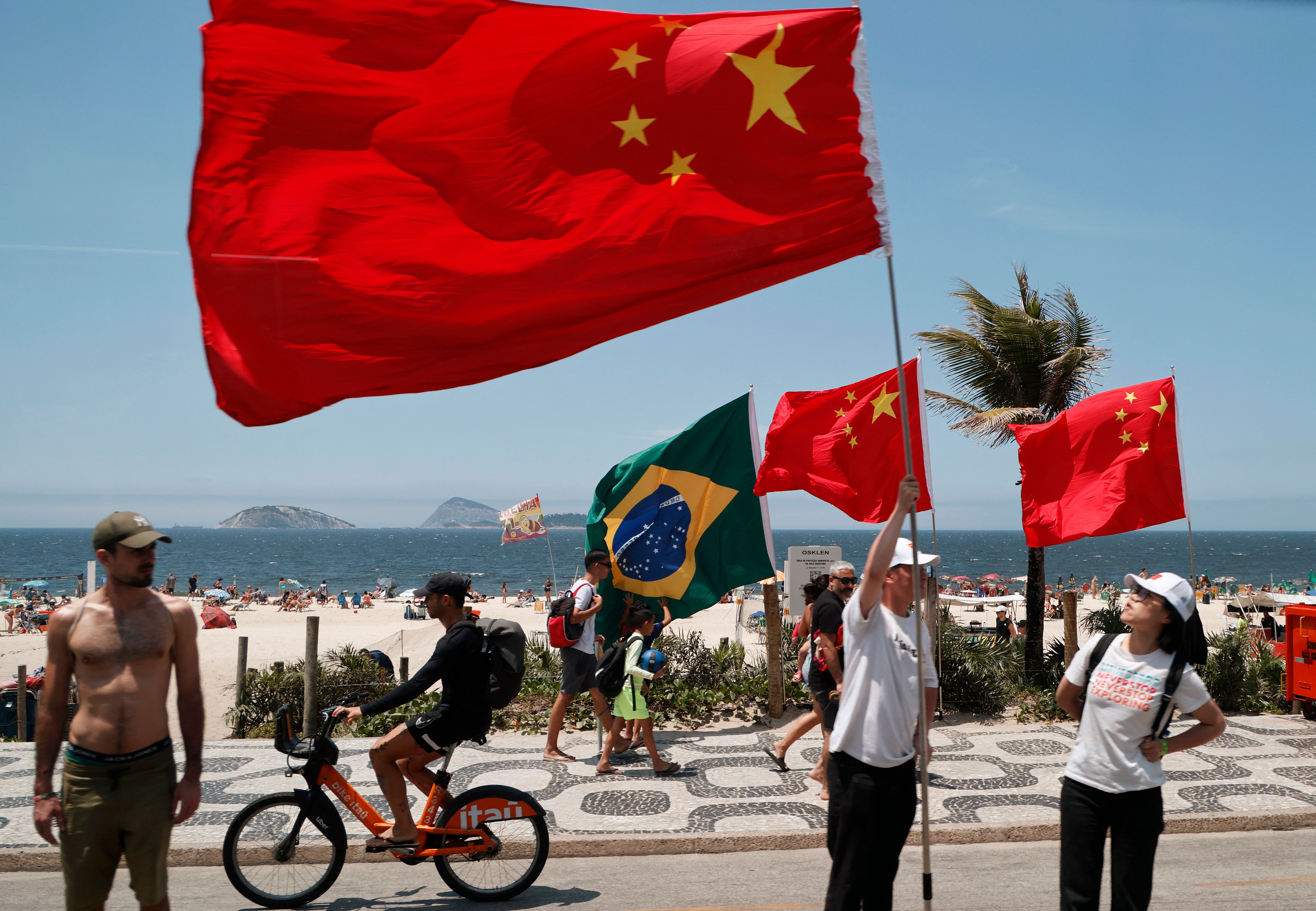
While China will remain a significant political and economic force in the Global South, its ambition to leverage the Global South as a counterbalance to the United States and the Global North is far from assured.

Xue Gong
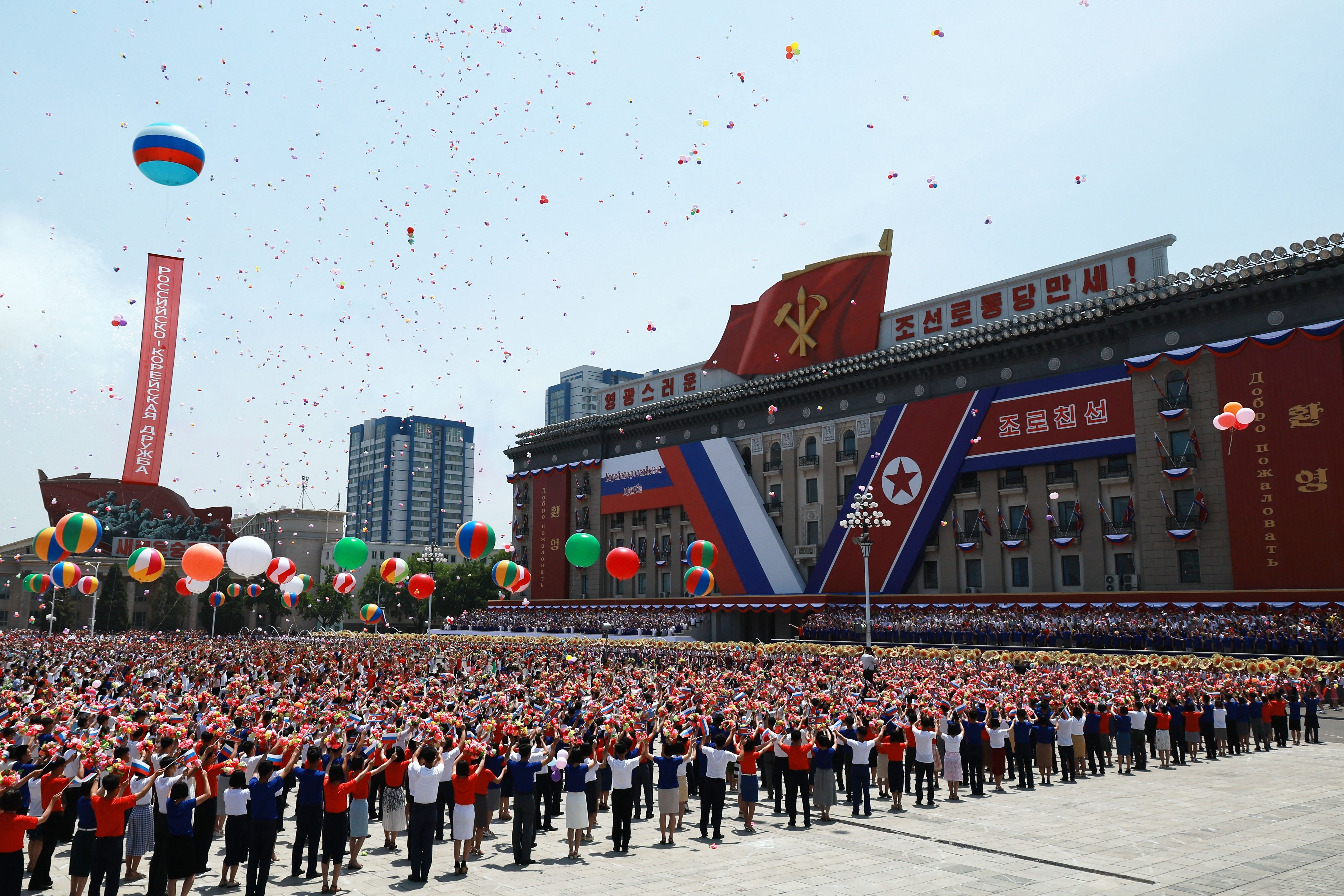
Faced with an increase in strategic maneuvering by Moscow and Pyongyang, Beijing will not sit idly by and allow Putin and Kim to shape the security environment on its behalf.

Tong Zhao
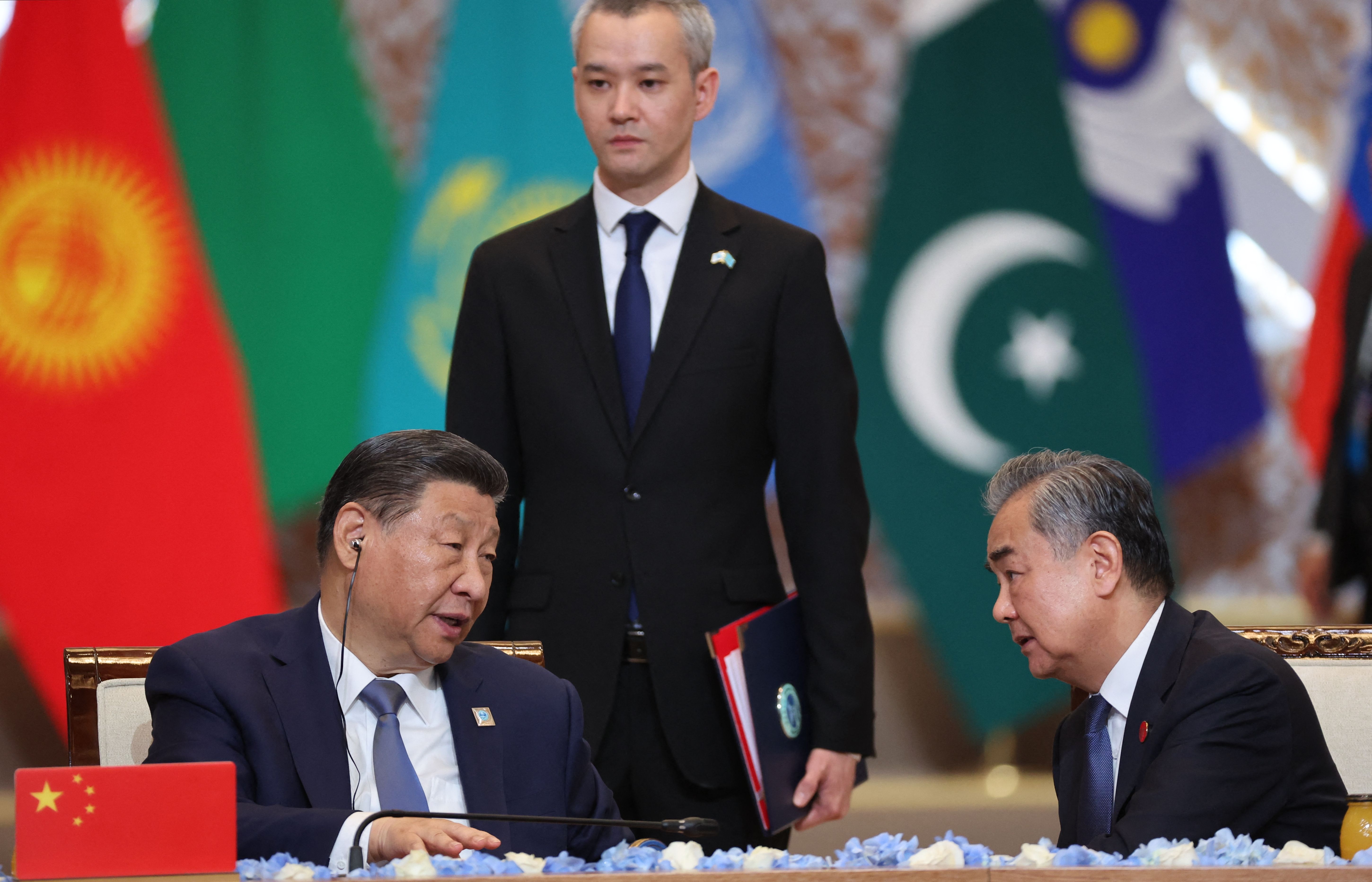
China’s growing attention to Central Asia is perceived as a harbinger of tectonic shifts in regional geopolitics.

Temur Umarov
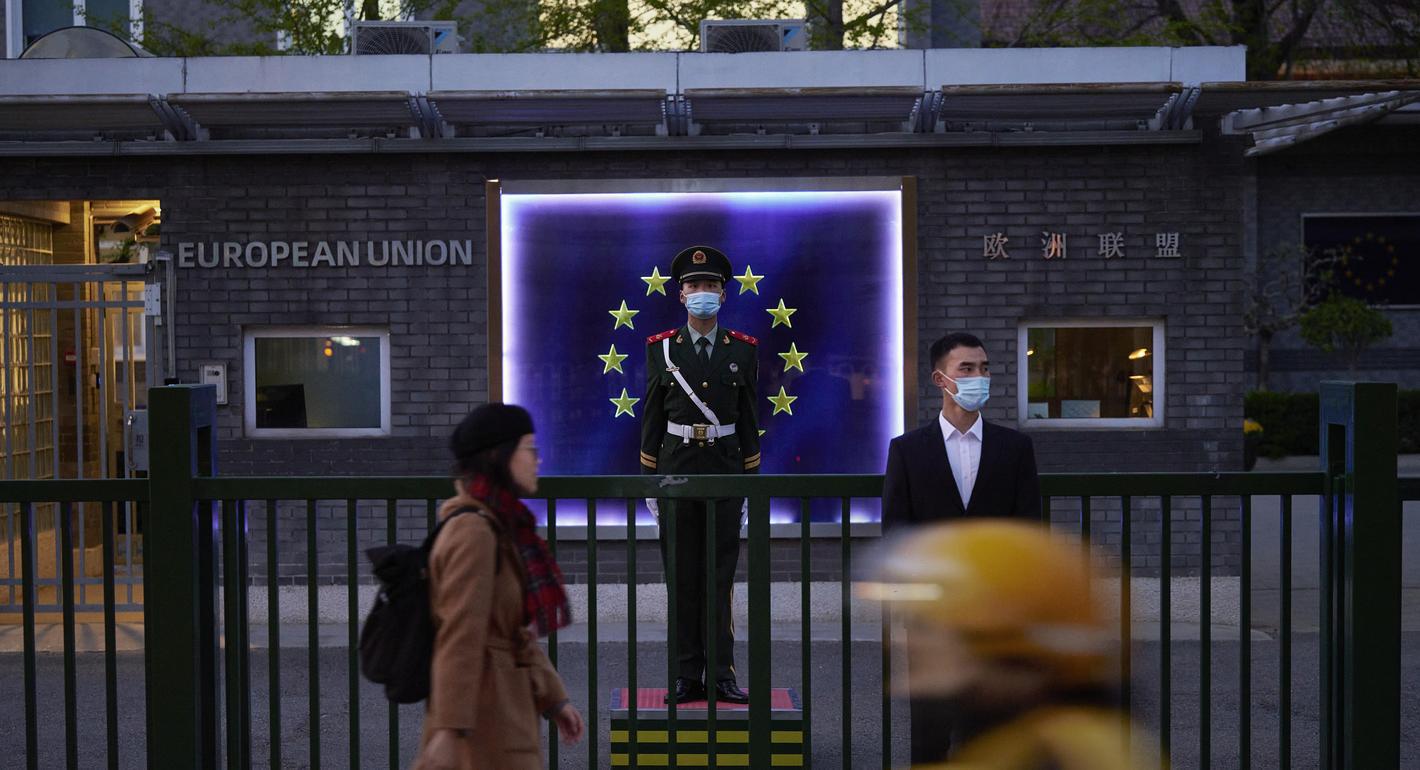
The Russian invasion of Ukraine is a turning point in the EU-China relationship, and evolution of the China-Russia relationship will continue to impact EU-China relations.
Yifan Ding, Alice Ekman