

Commentary
Beijing is trying to navigate the overall situation regarding Ukraine, especially the substance of interactions between Washington and Moscow.
- +1
Ellen Nakashima, Zhao Long, Pavlo Klimkin, …
{
  "authors": [],
  "type": "pressRelease",
  "centerAffiliationAll": "dc",
  "centers": [
    "Carnegie Endowment for International Peace"
  ],
  "collections": [],
  "englishNewsletterAll": "ctw",
  "nonEnglishNewsletterAll": "",
  "primaryCenter": "Carnegie Endowment for International Peace",
  "programAffiliation": "russia",
  "programs": [
    "Russia and Eurasia"
  ],
  "projects": [],
  "regions": [
    "Iran",
    "Caucasus",
    "Russia"
  ],
  "topics": []
}
REQUIRED IMAGE
Although Iran and Russia have substantial economic and military ties, Moscow is increasingly wary of Tehran’s growing ambitions. In a new report, Dmitri Trenin and Alexey Malashenko offer a view from Moscow and detail how Iran’s desire to develop nuclear weapons and long-range missiles—while refusing to compromise with the international community—threaten Russia.
WASHINGTON, October 26—Although Iran and Russia have substantial economic and military ties, Moscow is increasingly wary of Tehran’s growing ambitions. In a new report, Dmitri Trenin and Alexey Malashenko offer a view from Moscow and detail how Iran’s desire to develop nuclear weapons and long-range missiles—while refusing to compromise with the international community—threaten Russia.
Key Policy Recommendations:
"Moscow does not have enough sway to directly alter Tehran’s policies and it does not want to be an intermediary between Iran and the United States," the authors write. "But as Iran’s neighbor, economic and military partner, and as a permanent member of the Security Council, Russia can encourage moderate forces in Iran to compromise with the West on the nuclear issue instead of confronting Washington."
NOTES
Click here to read the full report.
Dmitri Trenin, director of the Carnegie Moscow Center, has been with the Center since its inception. He retired from the Russian Army in 1993. From 1993–1997, Trenin held posts as a senior research fellow at the NATO Defense College in Rome and a senior research fellow at the Institute of Europe in Moscow.
Alexey Malashenko is a scholar-in-residence and co-chair of the Religion, Society and Security Program at the Carnegie Moscow Center. He is the author and editor of numerous books on Islam, Chechnya and other issues, including The Islamic Alternative and the Islamist Project (Carnegie Moscow Center, 2006), Russia and Islam (Carnegie Moscow Center, 2007), Ramzan Kadyrov: The Chechen Version of Russian Authoritarianism (Carnegie Moscow Center, 2009).
The Carnegie Moscow Center was established in 1993 and accommodates foreign and Russian researchers collaborating with Carnegie’s global network of scholars on a broad range of contemporary policy issues relevant to Russia—military, political, and economic.
Press Contact: Kendra Galante, 202-939-2289, pressoffice@ceip.org
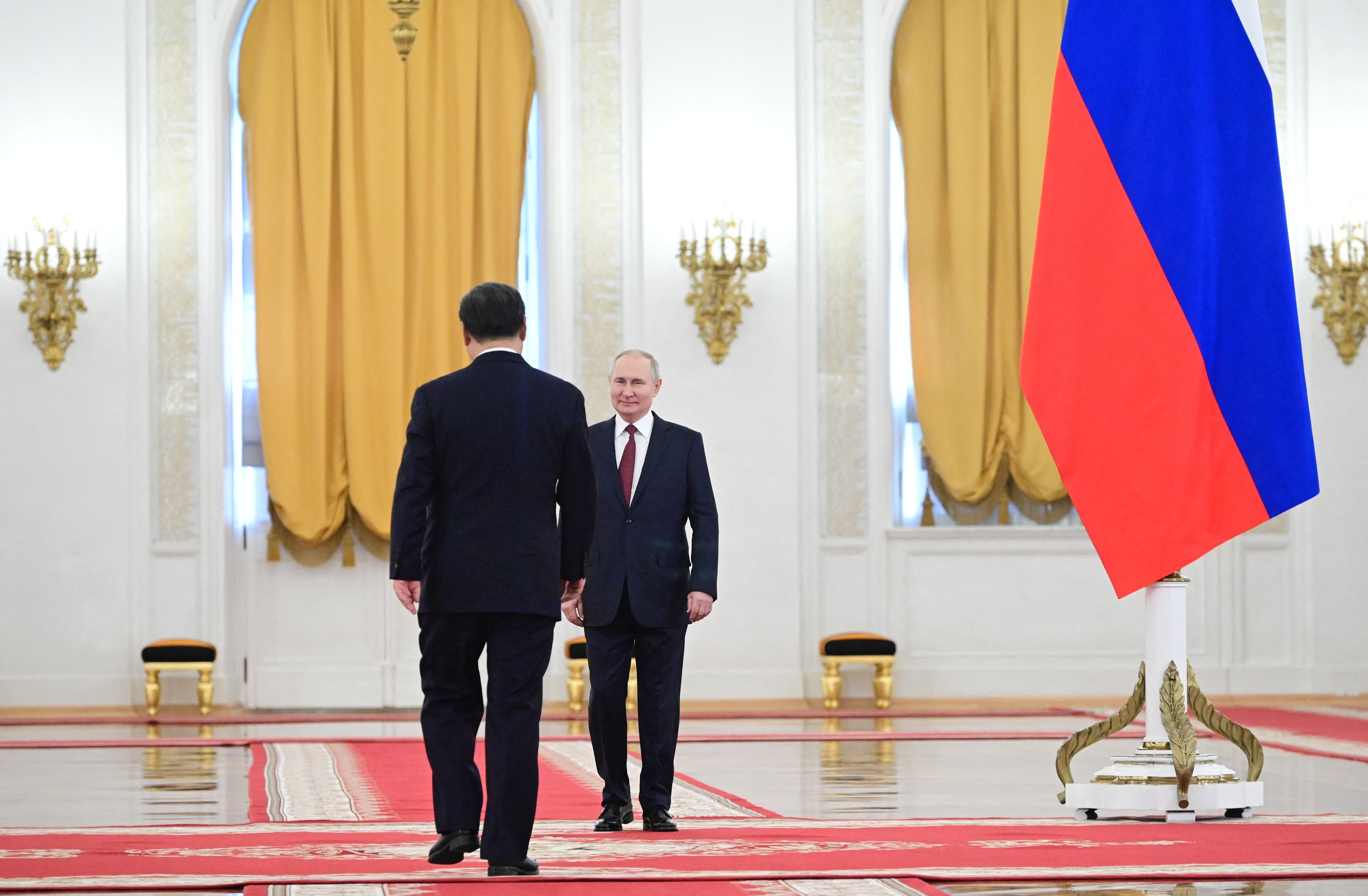
Beijing is trying to navigate the overall situation regarding Ukraine, especially the substance of interactions between Washington and Moscow.
Ellen Nakashima, Zhao Long, Pavlo Klimkin, …
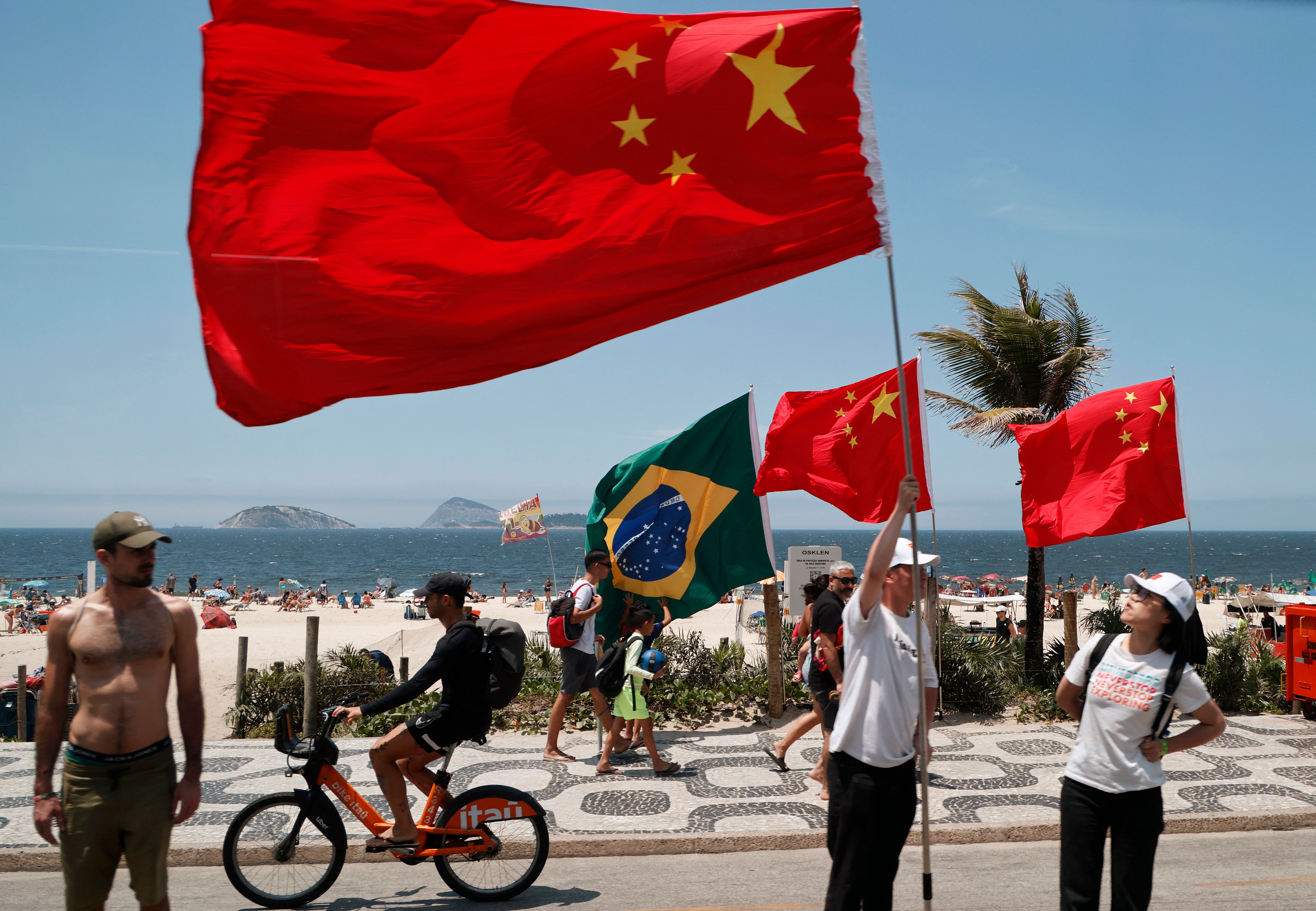
While China will remain a significant political and economic force in the Global South, its ambition to leverage the Global South as a counterbalance to the United States and the Global North is far from assured.

Xue Gong
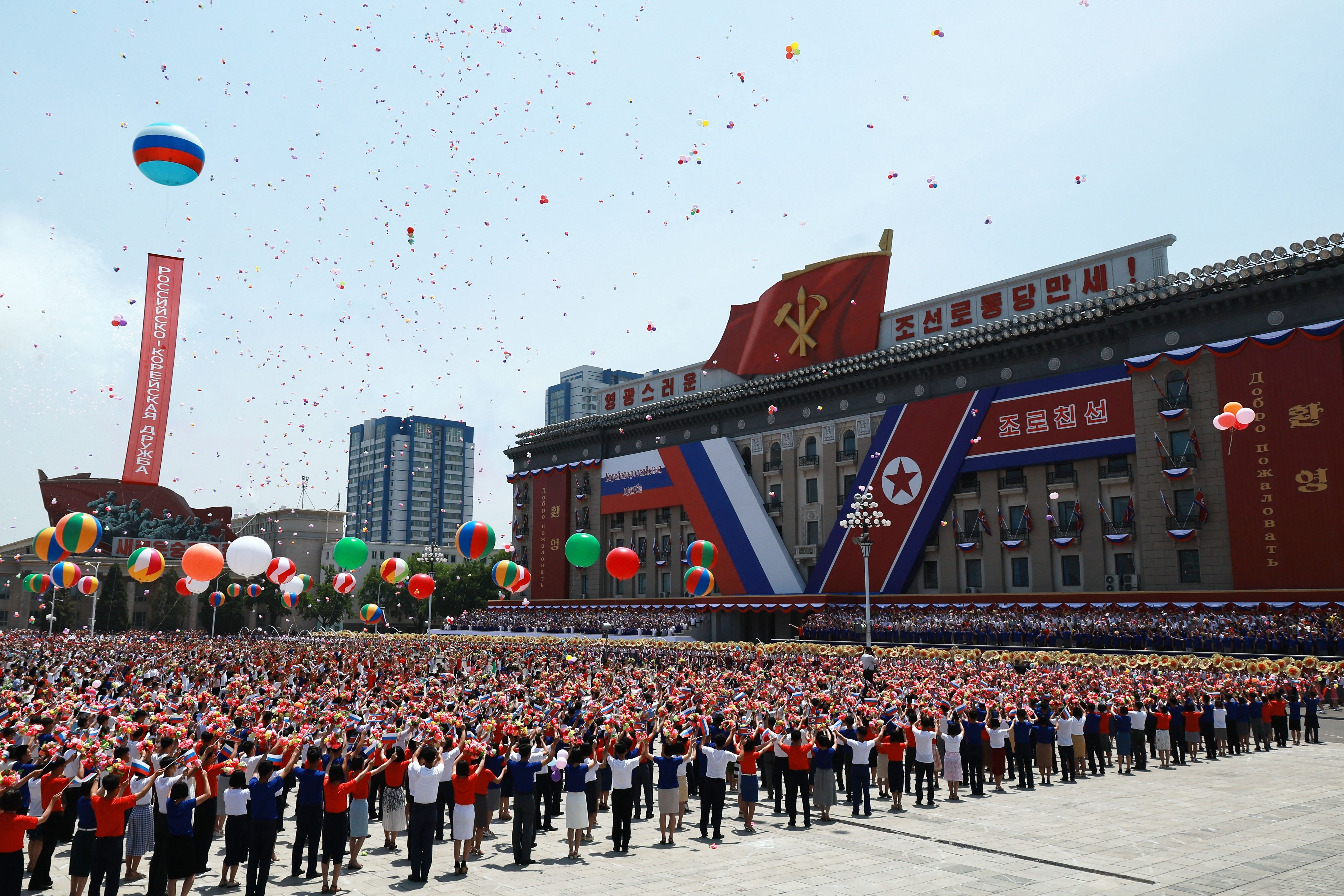
Faced with an increase in strategic maneuvering by Moscow and Pyongyang, Beijing will not sit idly by and allow Putin and Kim to shape the security environment on its behalf.

Tong Zhao
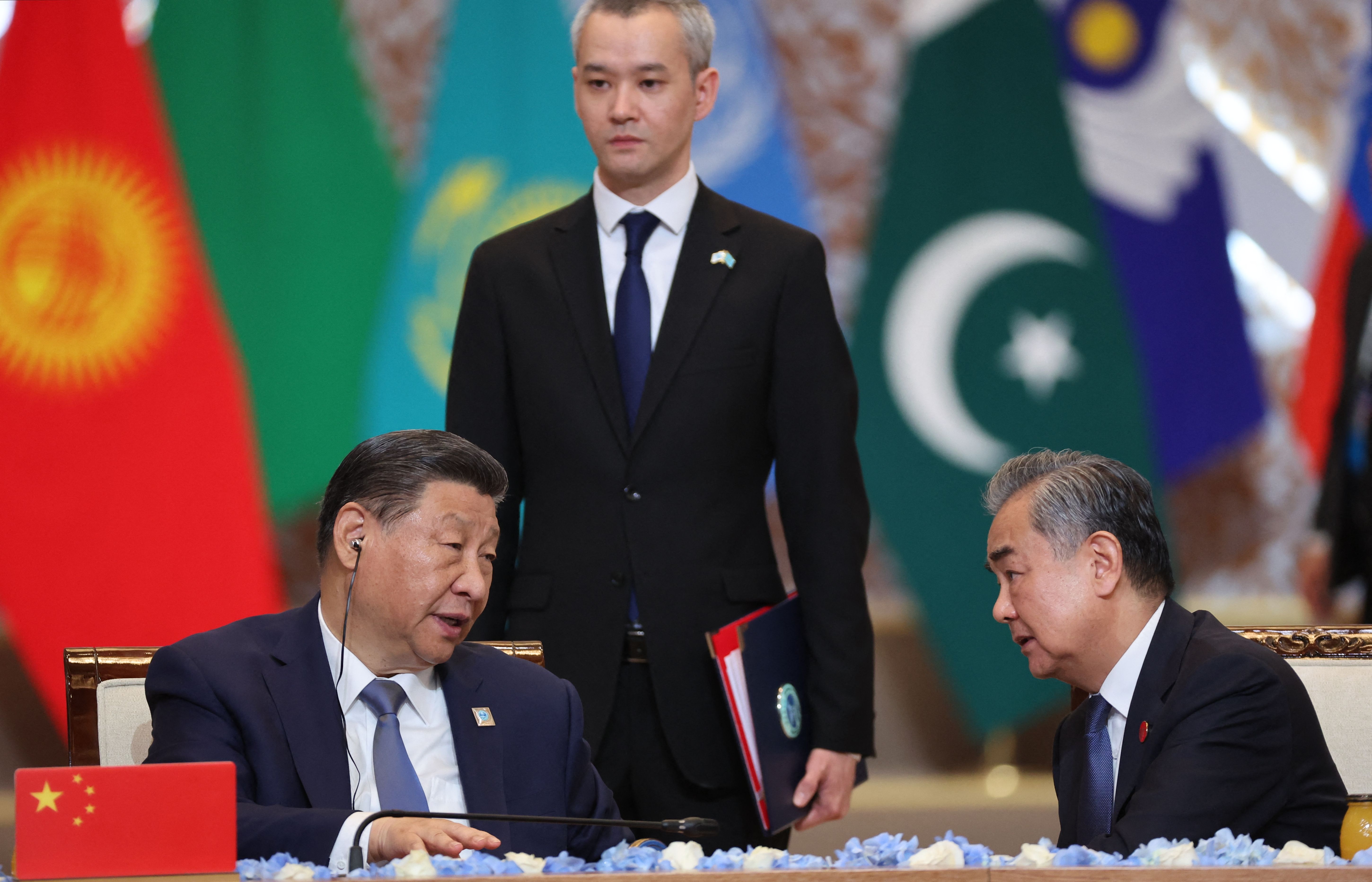
China’s growing attention to Central Asia is perceived as a harbinger of tectonic shifts in regional geopolitics.

Temur Umarov
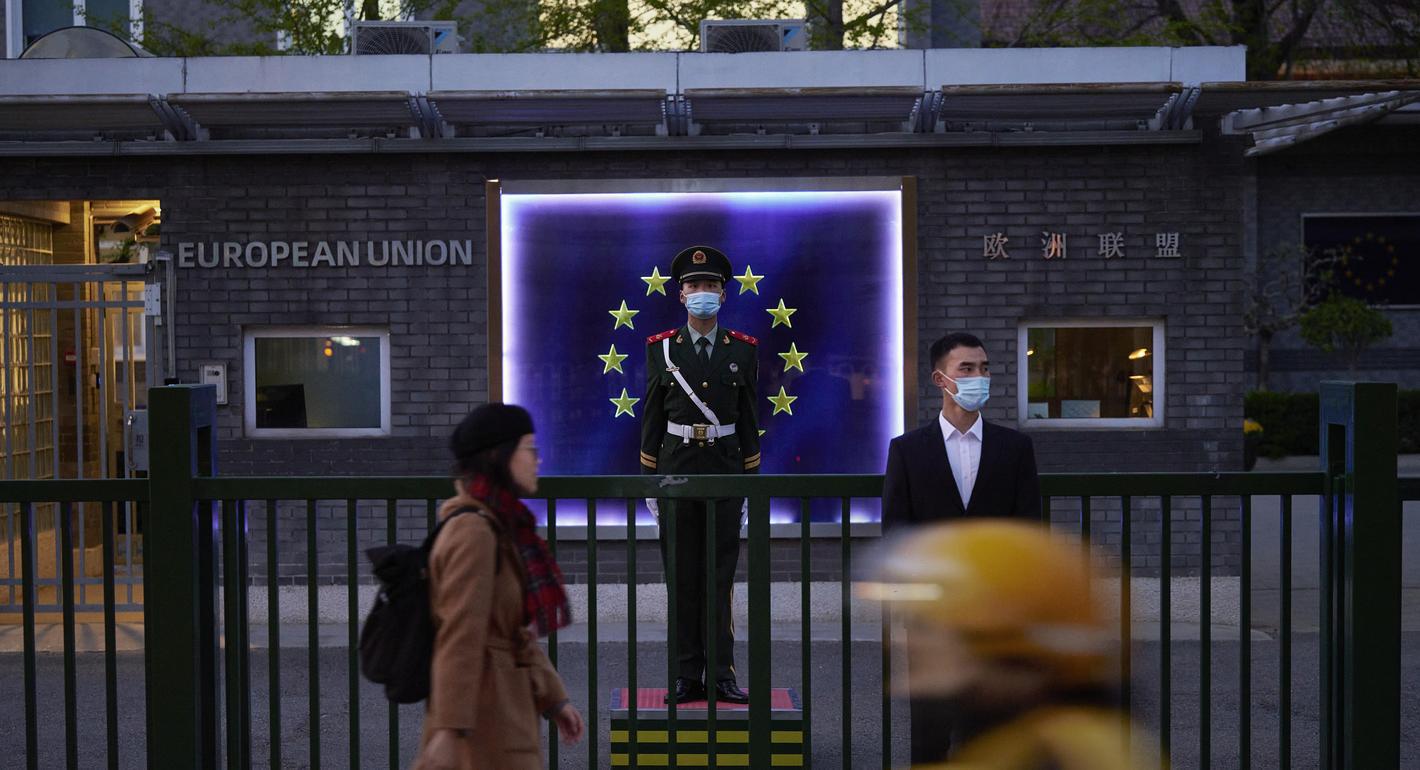
The Russian invasion of Ukraine is a turning point in the EU-China relationship, and evolution of the China-Russia relationship will continue to impact EU-China relations.
Yifan Ding, Alice Ekman