

Commentary
Amr Hamzawy
{
  "authors": [
    "Amr Hamzawy"
  ],
  "type": "legacyinthemedia",
  "centerAffiliationAll": "",
  "centers": [
    "Carnegie Endowment for International Peace",
    "Carnegie Europe",
    "Malcolm H. Kerr Carnegie Middle East Center"
  ],
  "collections": [
    "Arab Awakening"
  ],
  "englishNewsletterAll": "",
  "nonEnglishNewsletterAll": "",
  "primaryCenter": "Carnegie Endowment for International Peace",
  "programAffiliation": "",
  "programs": [],
  "projects": [],
  "regions": [
    "North Africa",
    "Egypt",
    "Middle East"
  ],
  "topics": [
    "Political Reform"
  ]
}
Source: Getty
As Egypt hovers on threshold of transition toward democratic governance, the current regime has an opportunity to administer a peaceful transition of power by responding to the demands of the Egyptian people.
Source: Commentary

Egyptian citizens are bravely overcoming attempts by some to incite fear with chaos. The popular will to change has not wavered. Rather, the people have persisted with a clear, collective and frank expression of their desire to oust the current regime and create a democratic, free and just nation.
The matter has been decided and the clock’s hands will not turn back to the time of authoritarianism.
Egypt stands today assuredly on the threshold of transition toward democratic governance. Egyptians are now demanding the realization of swift national consensus regarding the method of this transition and its administration.
Given the choice of the military to cooperate both with the people and the existing government, the regime has an opportunity right now to administer a safe transition toward democracy. Such a transition could prevent Egypt from a dragged-out confrontation between the prevailing popular will to change and the desire of some power-players in the current regime to resist it.
A peaceful transition of power is dependent on the current regime responding to the demands Egyptians are raising:
The moment for the military to administer a secure transition toward democracy and guarantee a dignified exit for President Mubarak is now. It is time to open the door of political life wide to the plethora of Egypt’s political players so that all may compete to represent the will of the people. What Egyptian citizens are accomplishing in this moment in history is magnificent. Yet, the clock is still ticking and time is running short. It is hoped that the military, with all its patriotism, will seize this opportunity and avoid the potential dangers posed by a volatile transition to democracy. Any other alternative could cost Egypt dearly.

Director, Middle East Program
Amr Hamzawy is a senior fellow and the director of the Carnegie Middle East Program. His research and writings focus on Egypt’s and other middle powers’ involvement in regional security in the Middle East, particularly through collective diplomacy and multilateral conflict resolution
Recent Work
Amr Hamzawy
Amr Hamzawy
Carnegie does not take institutional positions on public policy issues; the views represented herein are those of the author(s) and do not necessarily reflect the views of Carnegie, its staff, or its trustees.
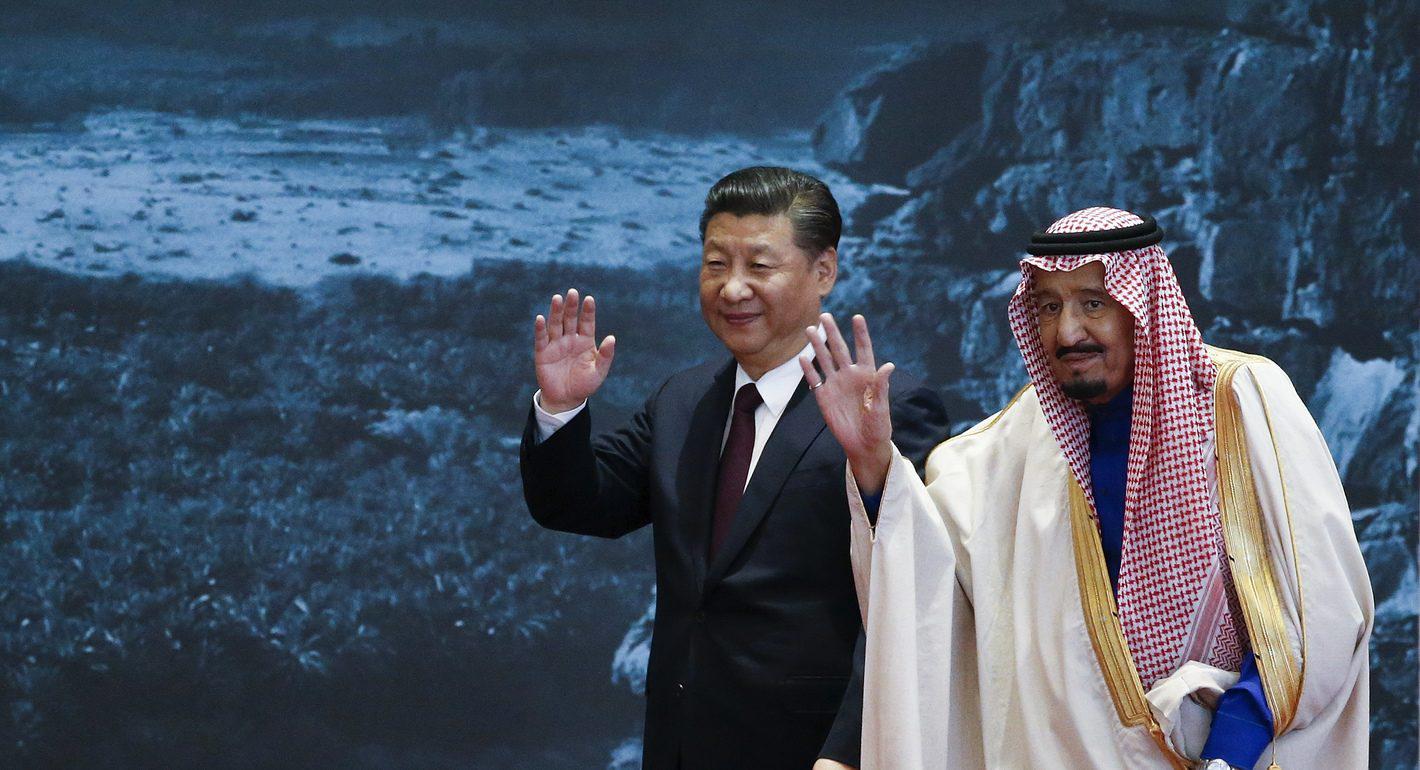
The advantage that China has over other global powers, especially America, is that its foreign policy is closely aligned with those of many of the Middle Eastern countries.


Jin Liangxiang, Maha Yahya, Hesham Alghannam
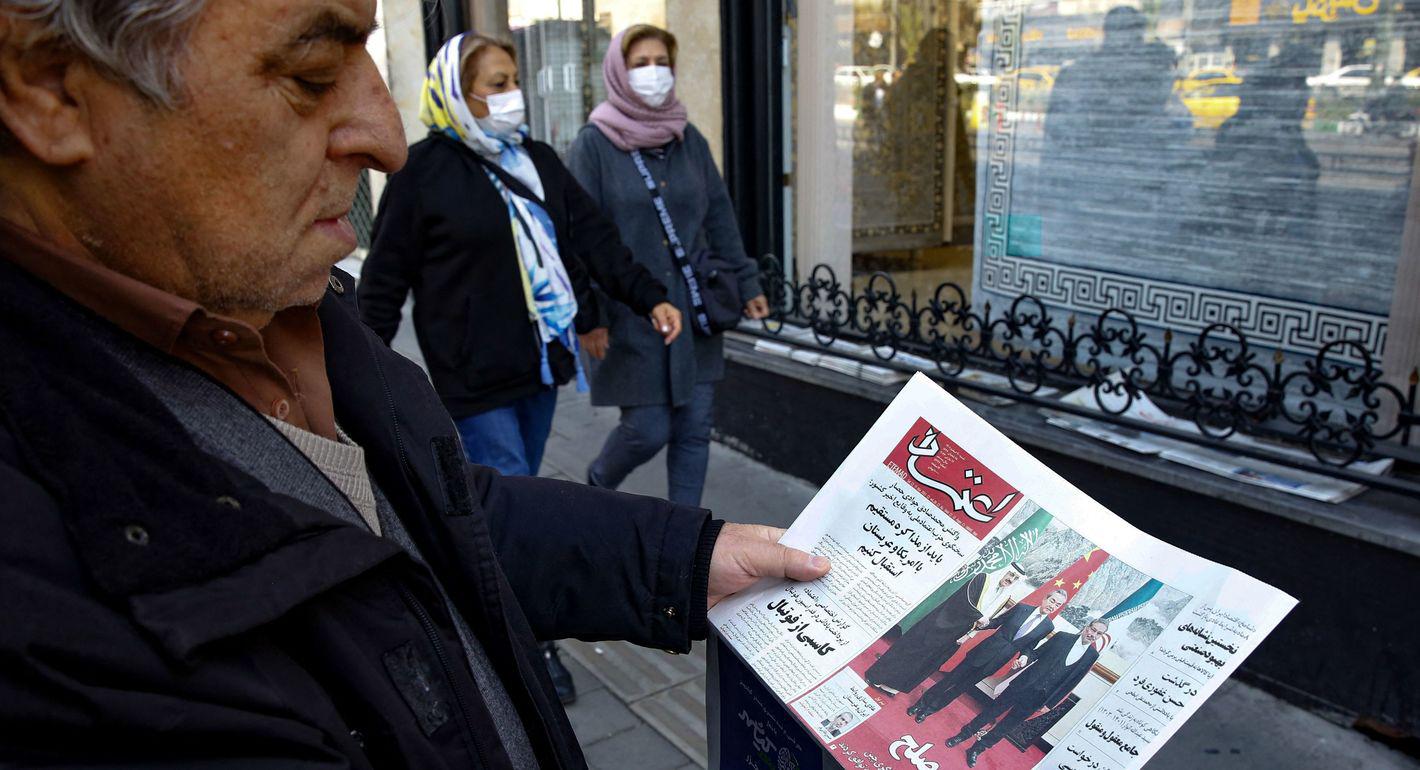
Transactional relationships are stable but can be shallow.


Paul Haenle, Maha Yahya, Benjamin Ho, …

It’s about managing oil prices, bread prices, and strategic partnerships.


Amr Hamzawy, Karim Sadjadpour, Aaron David Miller, …

The murder of George Floyd has underscored the deep inequities that have long plagued American society. In a note to the Carnegie community, Bill Burns reflects on Carnegie’s commitment to build a more just future here at home and around the world, without which peace will remain beyond our grasp.

William J. Burns

While the world hoped this pandemic might lead to more cooperation between these two great powers, American and Chinese leaders instead fell into a blame game and allowed their increasing suspicions to guide their decision-making.
Lyu Jinghua