

Paper
Matthew Rojansky
{
  "authors": [
    "Matthew Rojansky"
  ],
  "type": "legacyinthemedia",
  "centerAffiliationAll": "dc",
  "centers": [
    "Carnegie Endowment for International Peace",
    "Carnegie Russia Eurasia Center"
  ],
  "collections": [],
  "englishNewsletterAll": "ctw",
  "nonEnglishNewsletterAll": "",
  "primaryCenter": "Carnegie Endowment for International Peace",
  "programAffiliation": "russia",
  "programs": [
    "Russia and Eurasia"
  ],
  "projects": [],
  "regions": [
    "Caucasus",
    "Russia"
  ],
  "topics": [
    "Political Reform"
  ]
}
Source: Getty
If Prime Minister Putin decides to run in Russia's 2012 presidential elections, there will be wide-ranging implications for both Russia and the international community.
Source: Fox Business
As Russia’s 2012 presidential election draws closer, there is increased speculation over whether or not former president and current Prime Minister Vladimir Putin will choose to run again. Speaking on Fox Business, Carnegie’s Matthew Rojansky explained that another Putin presidency would have significant domestic and international ramifications.
Putin and current President Dmitry Medvedev represent different visions for Russia’s future, Rojansky said. Medvedev has expressed a commitment to modernization, reducing corruption, and promoting technological advancement, a series of goals which are good for Russia and in the interest of the United States. Another Medvedev presidency would promise that Russia would continue in its current modernization trajectory, resulting in a relatively stable arrangement that would also be good for global markets, Rojansky said. Another Putin presidency, on the other hand, would signal that Russia may turn its back on reform and modernization, and could jeopardize Russia’s entry into the WTO. Ultimately, Rojansky concluded, Russia’s oil production is not likely to drop if Putin becomes president, which is good news for global markets, but the uncertainty regarding the 2012 election remains problematic for the West.

Former Deputy Director, Russia and Eurasia Program
Rojansky, formerly executive director of the Partnership for a Secure America, is an expert on U.S. and Russian national security and nuclear-weapon policies.
Recent Work
Matthew Rojansky
Matthew Rojansky
Carnegie does not take institutional positions on public policy issues; the views represented herein are those of the author(s) and do not necessarily reflect the views of Carnegie, its staff, or its trustees.
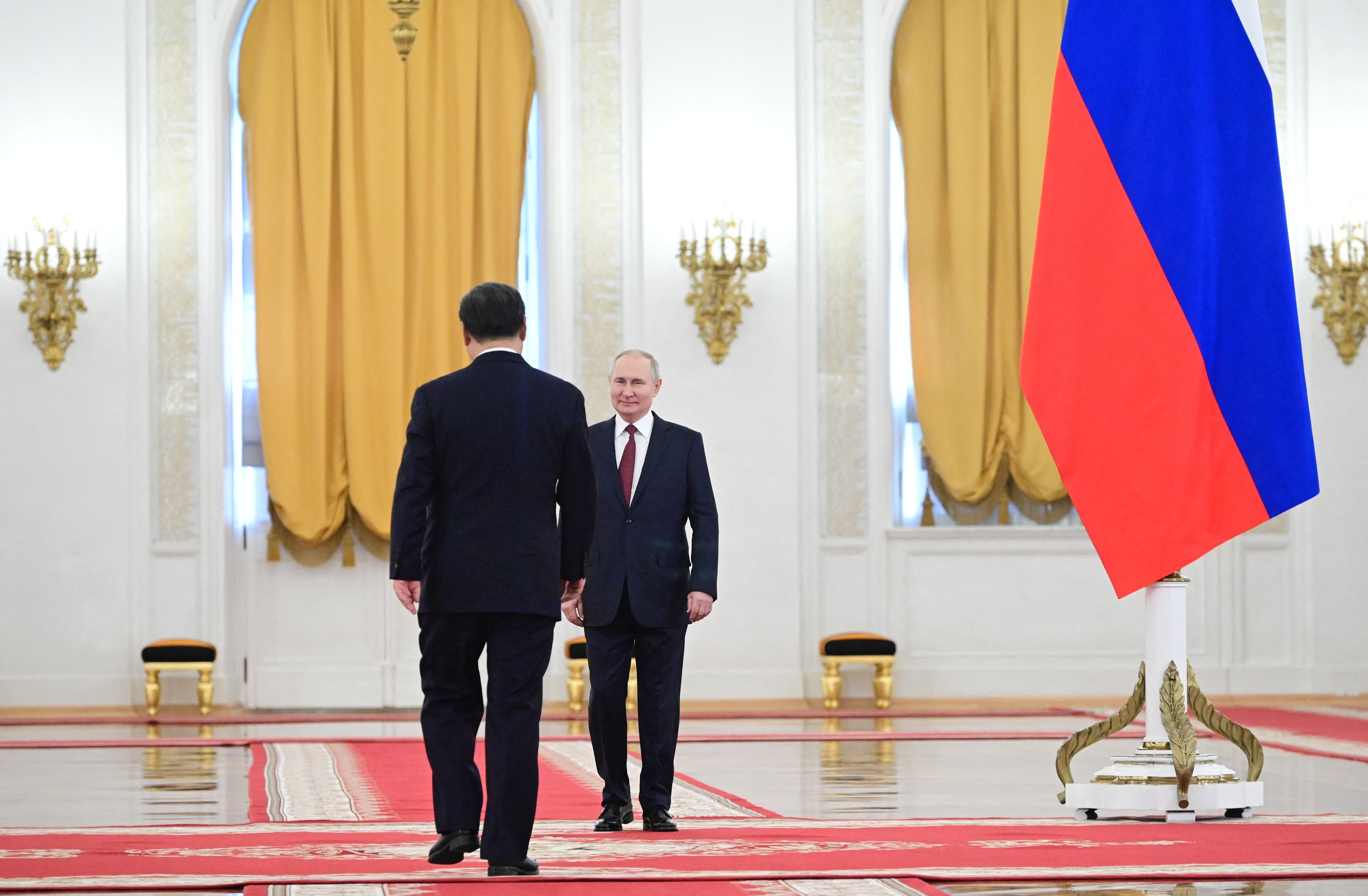
Beijing is trying to navigate the overall situation regarding Ukraine, especially the substance of interactions between Washington and Moscow.

Ellen Nakashima, Zhao Long, Pavlo Klimkin, …
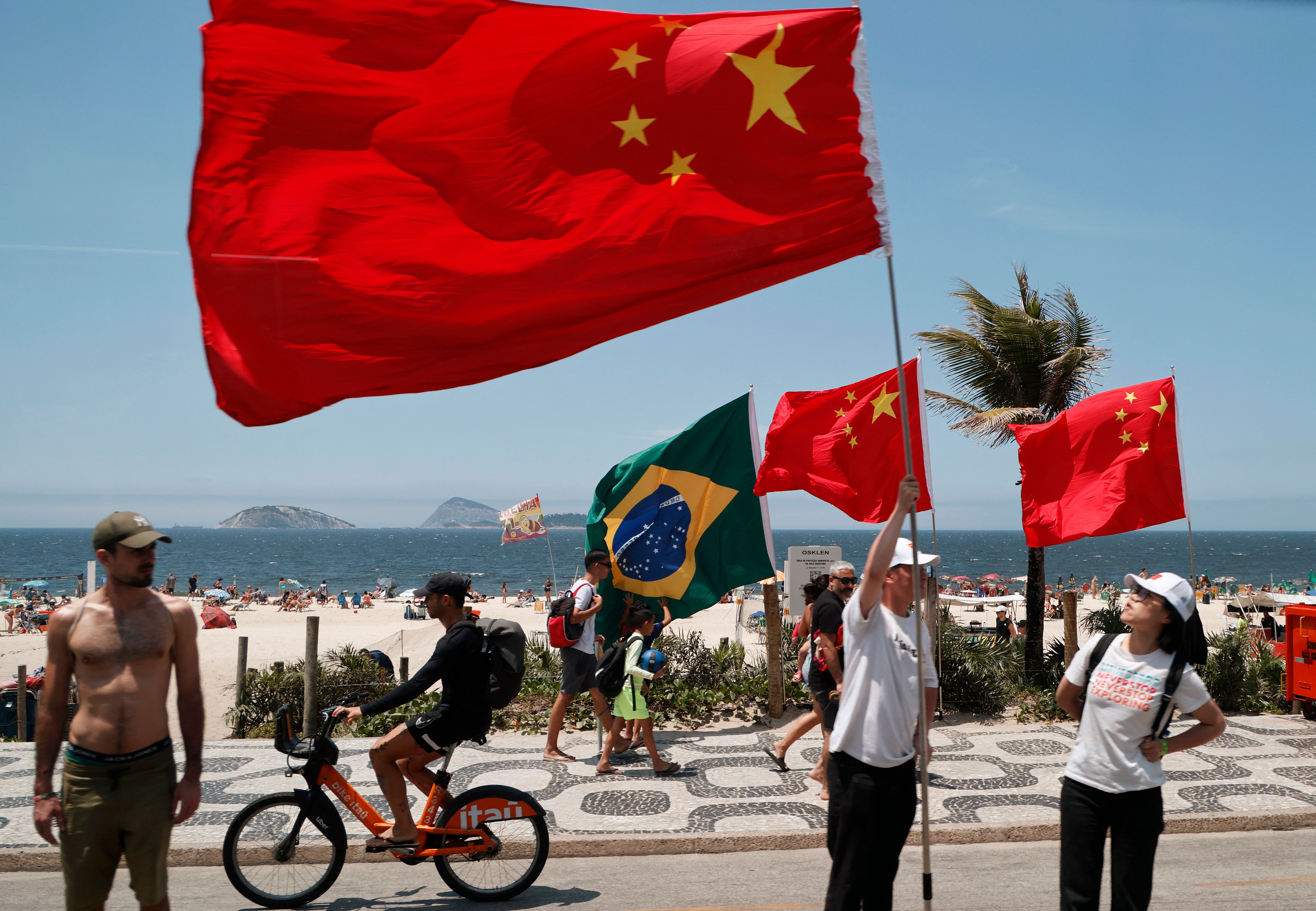
While China will remain a significant political and economic force in the Global South, its ambition to leverage the Global South as a counterbalance to the United States and the Global North is far from assured.

Xue Gong
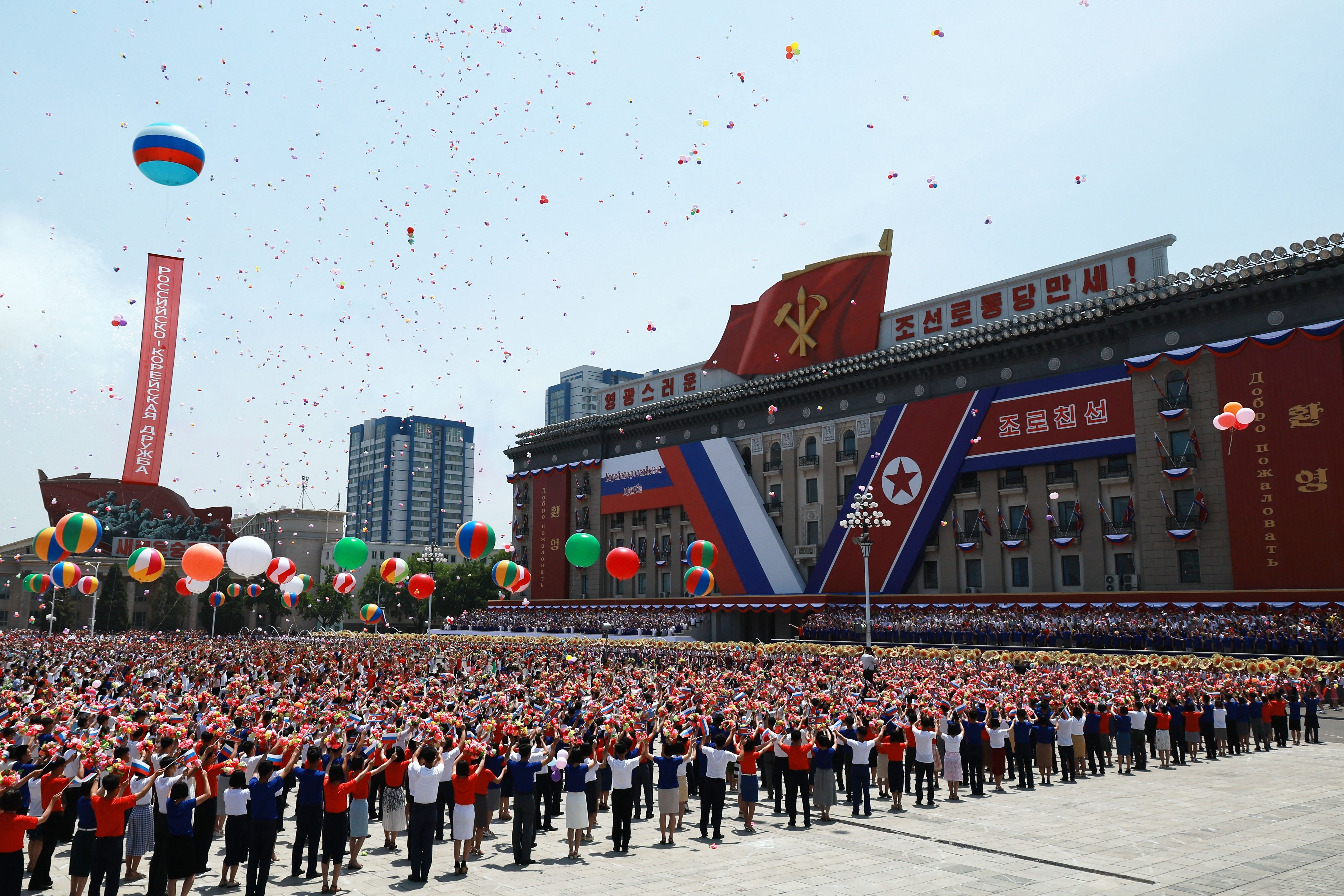
Faced with an increase in strategic maneuvering by Moscow and Pyongyang, Beijing will not sit idly by and allow Putin and Kim to shape the security environment on its behalf.

Tong Zhao
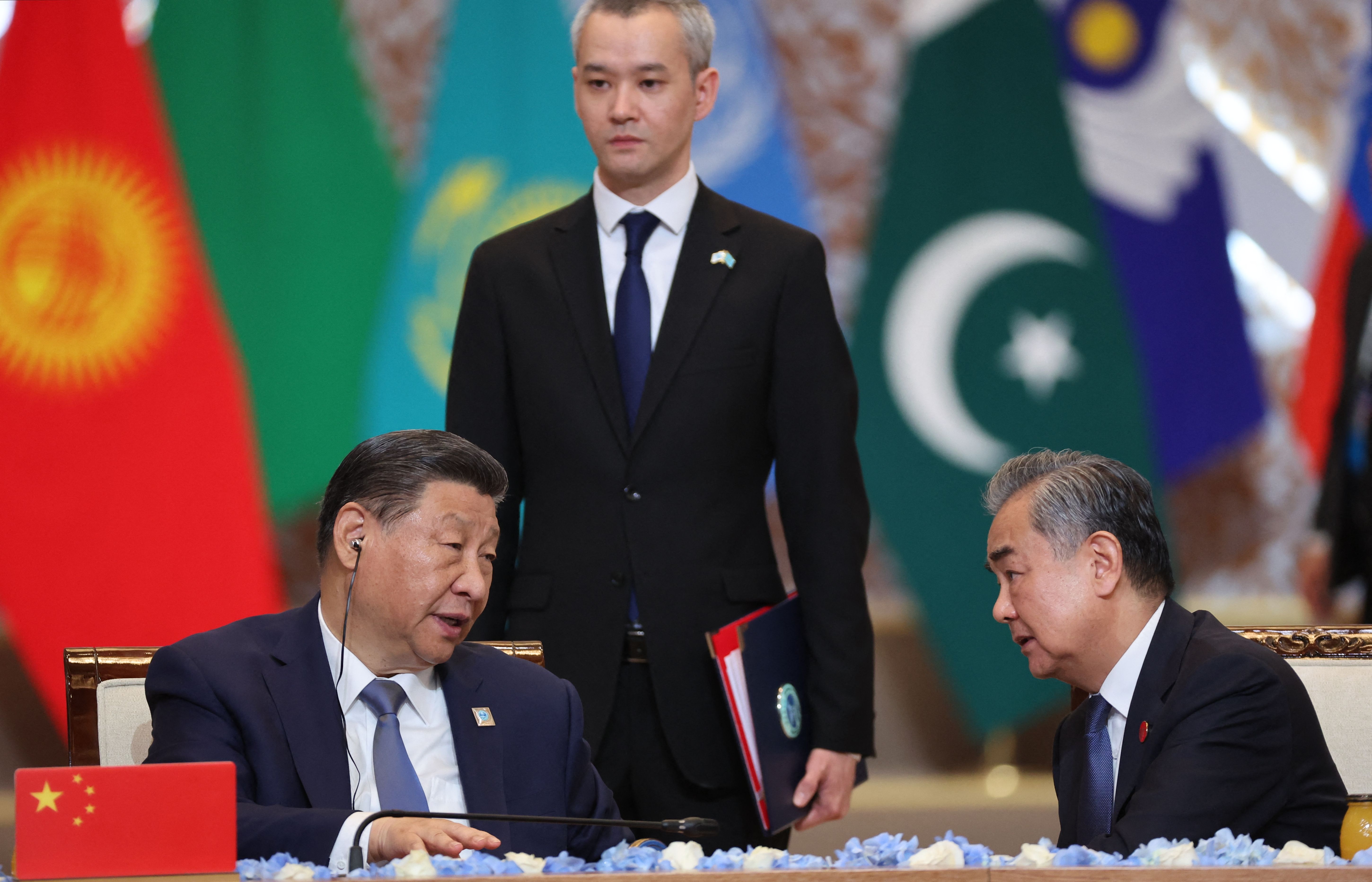
China’s growing attention to Central Asia is perceived as a harbinger of tectonic shifts in regional geopolitics.

Temur Umarov
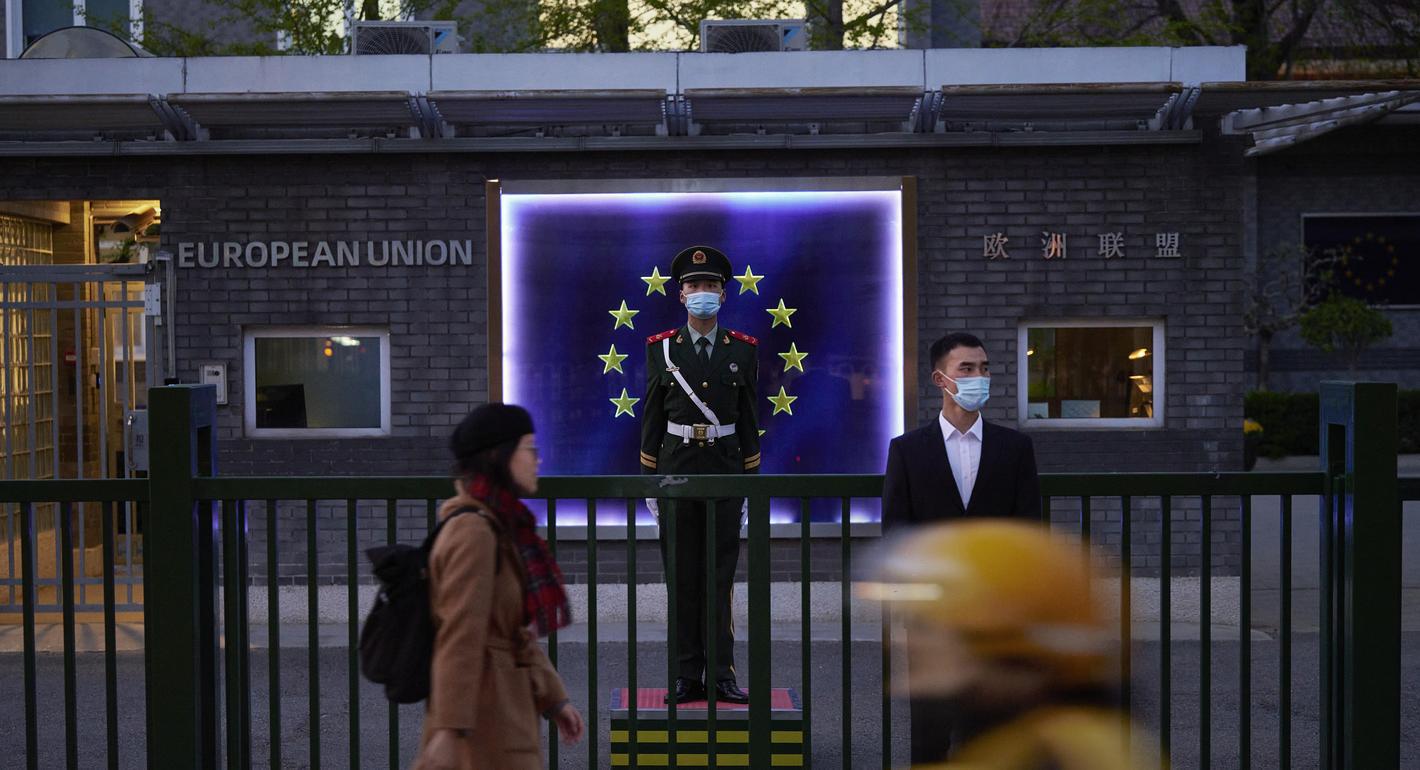
The Russian invasion of Ukraine is a turning point in the EU-China relationship, and evolution of the China-Russia relationship will continue to impact EU-China relations.
Yifan Ding, Alice Ekman