The Dangerous Cocktail of Global Money and Local PThe elites didn’t revolt and the people didn’t take to the streets. What ended Silvio Berlusconi’s 17-year run as Italy’s most powerful man was the skyrocketing spread between Italian bonds and the German bunds. Had this stayed at under five per cent, Il Cavaliere would still be in power today.
Mr Berlusconi’s fall is another manifestation of the clash between global money and local politics. George Papandreou’s is another. Mixing the constraints of local politics with the demands of global money creates a witches brew whose effusions can topple governments and shape the global economy. Managing this tension is one of the major challenges of our time.
‘All politics is local’ is an old truism popularised by the late US congressman Tip O’Neill. Understanding local problems, and even personal ones, and promising solutions to them, is far more critical for political success than hatching initiatives to address global threats. Planetary problems feel too remote to the average voter. Even in this information-saturated age, polls show that only a minority think about problems beyond their nation’s borders when deciding who to vote for or what political party to support.
O’Neill’s phrase about politics collides with another that is just as common: ‘money has gone global’. The crisis of the eurozone’s periphery is merely the latest example of the contradictory requirements of international finance and local politics. Nothing stokes public demonstrations and political violence like cuts in public budgets. Nothing assuages the anxieties of jittery foreign investors more than a government fiercely committed to making budget cuts. While this tension has always existed, the globalisation of finance coupled with the speed at which money now crosses borders makes it even harder for politicians to respond to the demands of financial markets without infuriating voters.
The figures are extraordinary. The global foreign exchange market is eight times larger today than it was only 20 years ago. Last year alone the daily volume of currencies traded was 220 per cent higher than that in 2001, and 65 per cent of the transactions were cross-border ― up from 54 per cent in 1998. Since 1990 foreign direct investment increased more than six fold. International credit flows have multiplied by two and a half times since 2000, while in the ten years to 2007 the number of non-US companies listing their shares on the NY stock exchange has quadrupled.
But if money is global and politics is local, international trade in manufactured goods is still regional. Contrary to common wisdom, globalisation has not reached this section of the economy.
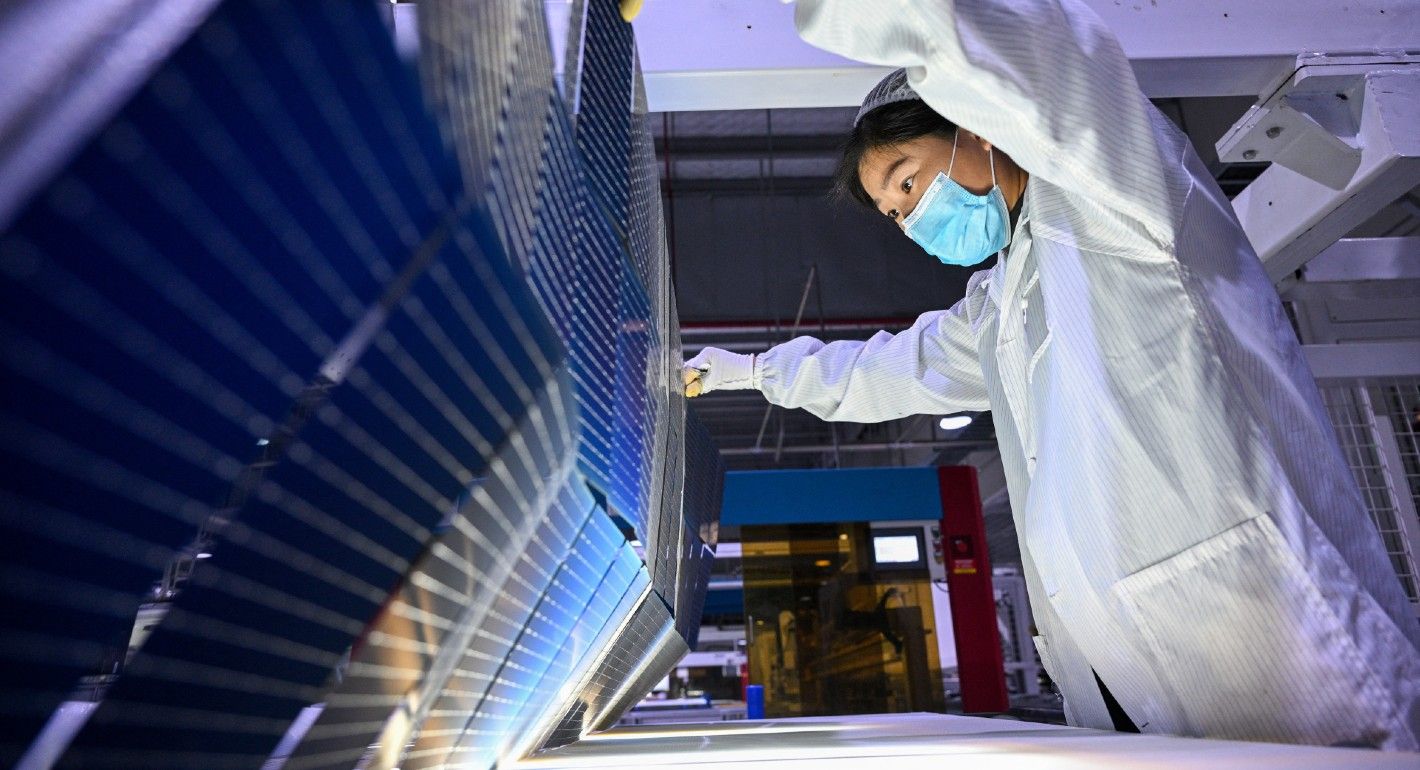
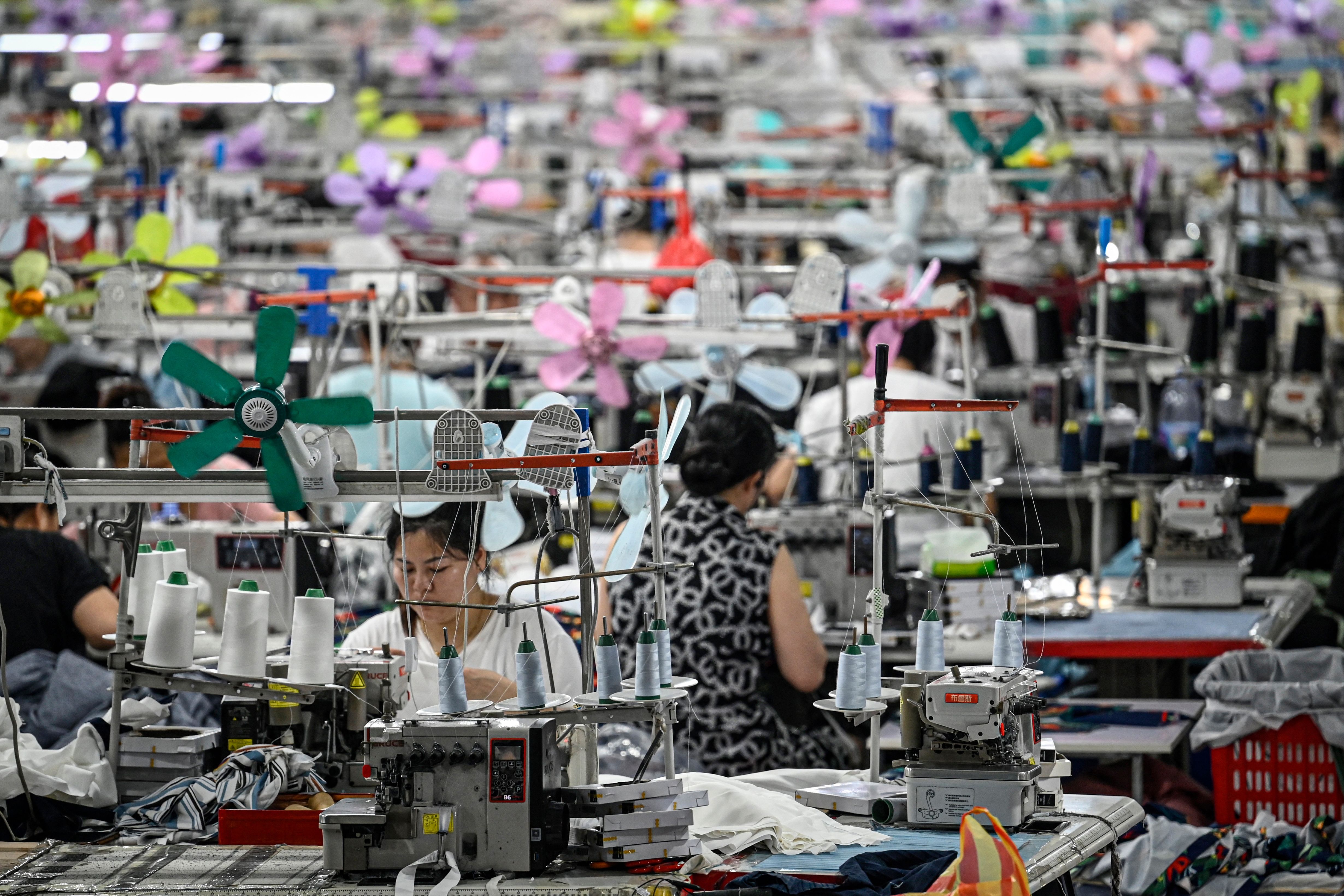
Intra-regional trade of manufacturing accounts for a large part of trade in many economies. In east Asia about 65 per cent of manufacturing trade is intra-regional, 47 per cent in developing east Asia and 58 per cent in the European Union. This is very relevant, since manufacturing is an important source of well paid jobs.
And while capital and trade are internationalising, the workforce is not. Indeed it is almost immovable. Migrants make up only a paltry three per cent of humanity.
When added to the cocktail of local politics, global money, a trade in manufactured goods that is largely between neighbours and a labour pool mostly confined to national borders, the brews’ toxicity is even more harmful. Money that moves at the speed of light, trade that moves nearby at the speed of cargo containers, governments that move at the speed of politics and labour that does not move much: this is Europe today.
Unfortunately, we have no antidote for this toxic brew. Protecting economies from the vagaries of global money sounds tempting and surely something must be done to mitigate the risks. But it is difficult, expensive and it easily leads to decisions that make the problem worse. ’Globalise’ local politics is also a project that is as attractive as it is difficult. Undoubtedly politicians should do a much better job of explaining to their constituents’ that what happens beyond the borders of their country-or city has implications for what happens inside their homes. This task is now easier in Europe. Sadly, for millions this crisis has become a quick but painful lesson on the direct links between ‘out there’ and ‘right here’.
Despite all these problems, we have no choice: we must make local politics more attuned to global imperatives and make global finance more responsive to local needs.
Undoubtedly, this is easier said than done. It may even sound naïve to suggest it. But I wonder if it would not be even more naïve to dismiss the urgent need to find ways to bridge the gap between the two.
Moisés Naím is a distinguished fellow at the Carnegie Endowment for International Peace, a best-selling author, and an internationally syndicated columnist.
Carnegie does not take institutional positions on public policy issues; the views represented herein are those of the author(s) and do not necessarily reflect the views of Carnegie, its staff, or its trustees.
China’s banking crisis in the 2000s was resolved by transferring the costs to households through financial repression—a decision that recapitalized the banks while exacerbating the structural imbalances that continue to shape the Chinese economy today.