

Commentary
Stefan Lehne
{
  "authors": [
    "Stefan Lehne"
  ],
  "type": "other",
  "centerAffiliationAll": "",
  "centers": [
    "Carnegie Endowment for International Peace",
    "Carnegie Europe"
  ],
  "collections": [],
  "englishNewsletterAll": "",
  "nonEnglishNewsletterAll": "",
  "primaryCenter": "Carnegie Europe",
  "programAffiliation": "",
  "programs": [],
  "projects": [],
  "regions": [
    "Europe"
  ],
  "topics": [
    "Foreign Policy"
  ]
}
Source: Getty
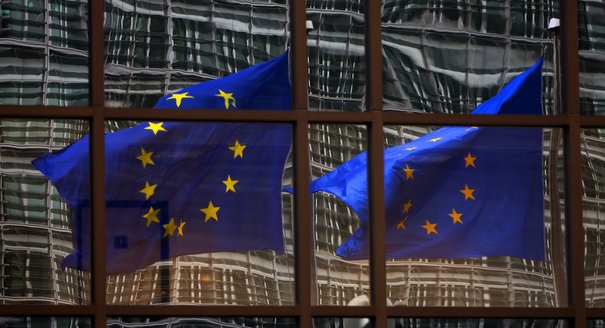
Roughly one year after its establishment, the European External Action Service still suffers from a number of design flaws, including an insufficient resource base and a lack of genuine buy-in on the parts of both the member states and the European Commission.
The European Union is currently going through one of the most difficult periods of its existence. While the focus is on the efforts to save the euro, its foreign policy arm, the European External Action Service (EEAS), is struggling as well. Originally conceived in a more optimistic era, the foreign policy reforms of the Treaty of Lisbon are being implemented against this backdrop of crisis and loss of confidence. There is a risk that under these conditions, implementation will fall short of the full potential of the Lisbon reforms. Roughly one year after its establishment, the EEAS still suffers from a number of design flaws. It has an insufficient resource base and there is a lack of genuine buy-in on the parts of both the member states and the European Commission. These flaws can be overcome, however, if corrective action is taken:
The foreign policy provisions of the Treaty of Lisbon represent the most ambitious reform effort in European foreign policy—ever. By taking action in these areas, the EU can begin to overcome some of the flaws in the system and make the vision of Lisbon a reality.

Senior Fellow, Carnegie Europe
Stefan Lehne is a senior fellow at Carnegie Europe in Brussels, where his research focuses on the post–Lisbon Treaty development of the European Union’s foreign policy, with a specific focus on relations between the EU and member states.
Recent Work
Stefan Lehne
Stefan Lehne
Carnegie does not take institutional positions on public policy issues; the views represented herein are those of the author(s) and do not necessarily reflect the views of Carnegie, its staff, or its trustees.

Malaysia’s chairmanship sought to fend off short-term challenges while laying the groundwork for minimizing ASEAN’s longer-term exposure to external stresses.

Elina Noor
For Malaysia, the conjunction that works is “and” not “or” when it comes to the United States and China.
Elina Noor
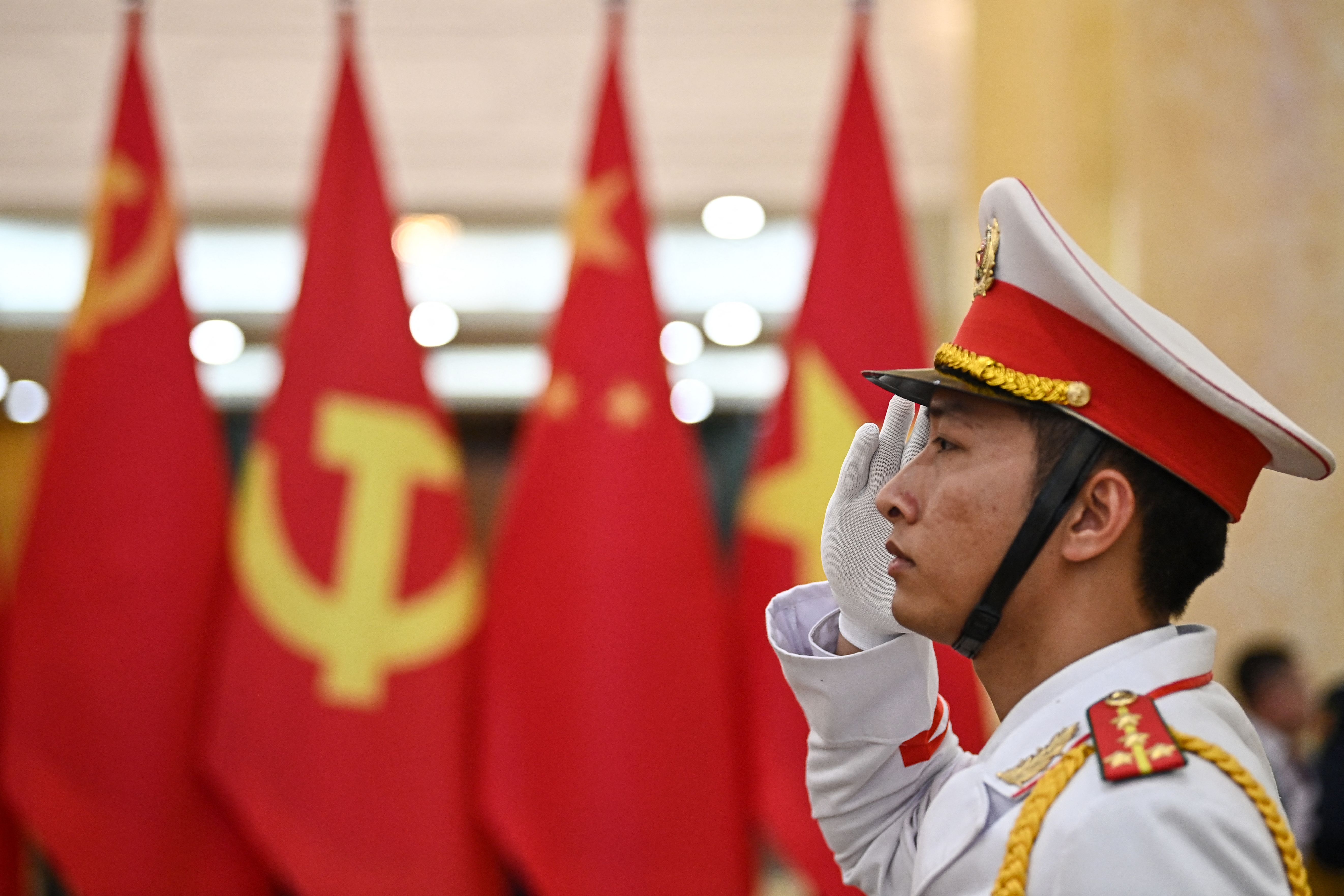
In July 2025, Vietnam and China held their first joint army drill, a modest but symbolic move reflecting Hanoi’s strategic hedging amid U.S.–China rivalry.

Nguyễn Khắc Giang
The Thai-Cambodian conflict highlights the limits to China's peacemaker ambition and the significance of this role on Southeast Asia’s balance of power.

Pongphisoot (Paul) Busbarat
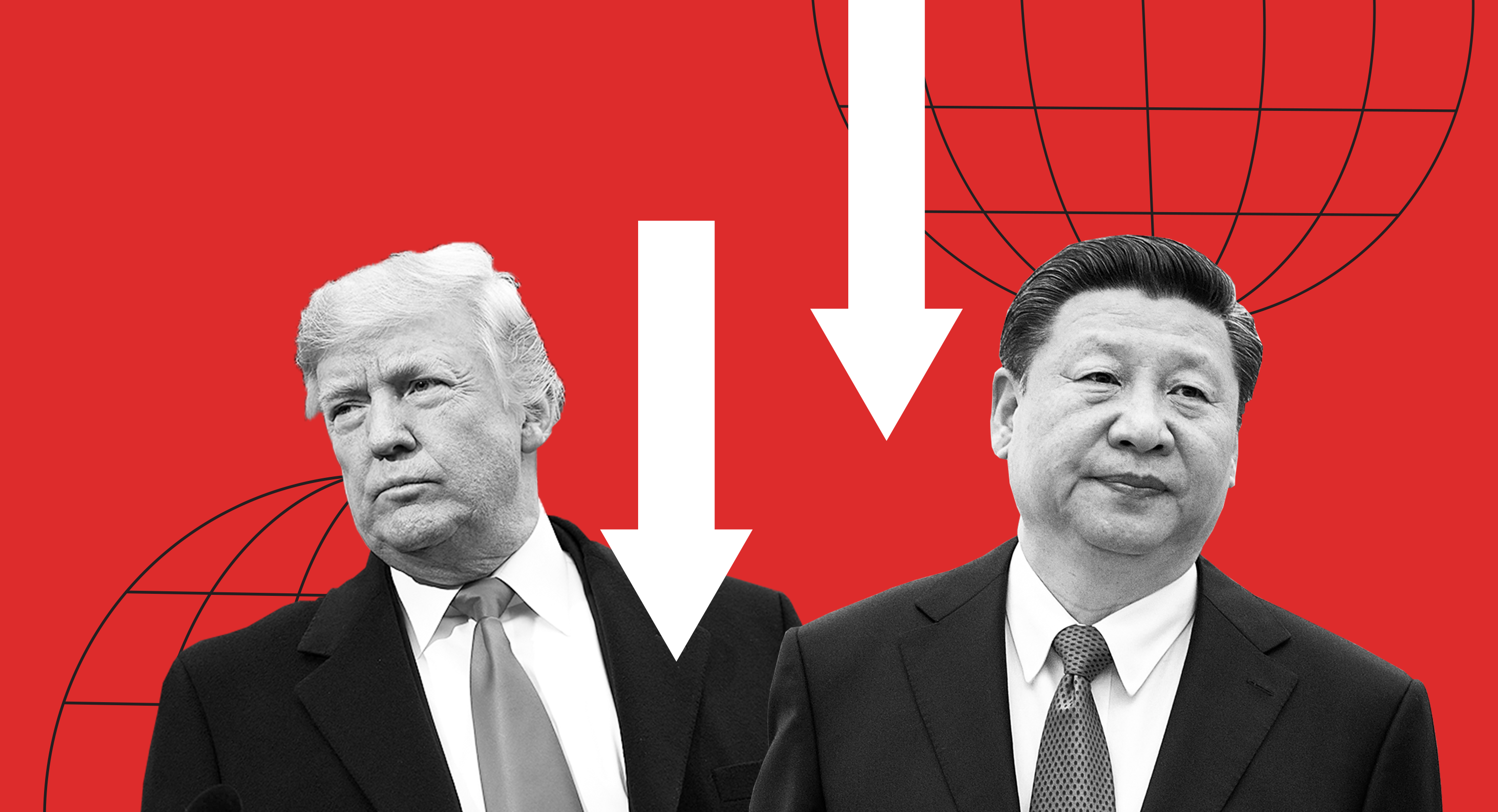
Beijing believes that Washington is overestimating its own leverage and its ability to handle the trade war’s impacts.


Rick Waters, Sheena Chestnut Greitens