• Commentary
  • Research
  • Experts
  • Events
Carnegie China logoCarnegie lettermark logo
{
  "authors": [
    "Ibrahim Saif"
  ],
  "type": "other",
  "centerAffiliationAll": "",
  "centers": [
    "Carnegie Endowment for International Peace",
    "Malcolm H. Kerr Carnegie Middle East Center"
  ],
  "collections": [
    "Arab Awakening"
  ],
  "englishNewsletterAll": "",
  "nonEnglishNewsletterAll": "",
  "primaryCenter": "Malcolm H. Kerr Carnegie Middle East Center",
  "programAffiliation": "",
  "programs": [],
  "projects": [],
  "regions": [
    "North Africa",
    "Egypt",
    "North America"
  ],
  "topics": [
    "Economy"
  ]
}

Source: Getty

Other
Malcolm H. Kerr Carnegie Middle East Center

The Global Slowdown and Egypt's Economy

The overall impact of the global downturn on Egypt is that it creates deflationary expectations. As a result, domestic and foreign investors prefer to wait until the dust settles before they make their investment decisions.

Link Copied
By Ibrahim Saif
Published on Dec 12, 2011
What effect has the global slowdown had on Egypt's economy during its political transition?
Ibrahim Saif
The overall impact of the global downturn is that it creates deflationary expectations. As a result, domestic and foreign investors prefer to wait until the dust settles before they make their investment decisions.

The global slowdown has had a negative impact on the inflow of foreign investment, from both the Gulf countries and the broader international market. This has been associated with a decline in worker remittances, which constitutes nearly 10 percent of Egypt’s national economy.

Read more

Moreover, tourism—a significant sector in Egypt employing almost one-quarter of the labor force—has been crippled by a combination of the global slowdown and security concerns.

Exports of goods have declined as a result of a declining global demand and a decline of government support for exporters, including low tax rate and credit lending. The cost of lending, in terms of the borrowing interest rate, has reached nearly 11 percent, which is extremely high especially with the high degree of instability.

All of this has resulted in a tight lending policy at a time when liquidity is most needed, hence complicating the transitional period.

About the Author

Ibrahim Saif

Former Senior Associate, Middle East Center

Saif is an economist specializing in the political economy of the Middle East. His research focuses on international trade and structural adjustment programs in developing countries, with emphasis on Jordan and the Middle East.

    Recent Work

  • Paper
    The Private Sector in Postrevolution Egypt

      Ibrahim Saif, Ahmed Ghoneim

  • Paper
    The Economic Agenda of the Islamist Parties

      Ibrahim Saif, Muhammad Abu Rumman

Ibrahim Saif
Former Senior Associate, Middle East Center
Ibrahim Saif
EconomyNorth AfricaEgyptNorth America

Carnegie does not take institutional positions on public policy issues; the views represented herein are those of the author(s) and do not necessarily reflect the views of Carnegie, its staff, or its trustees.
More Work from Carnegie China

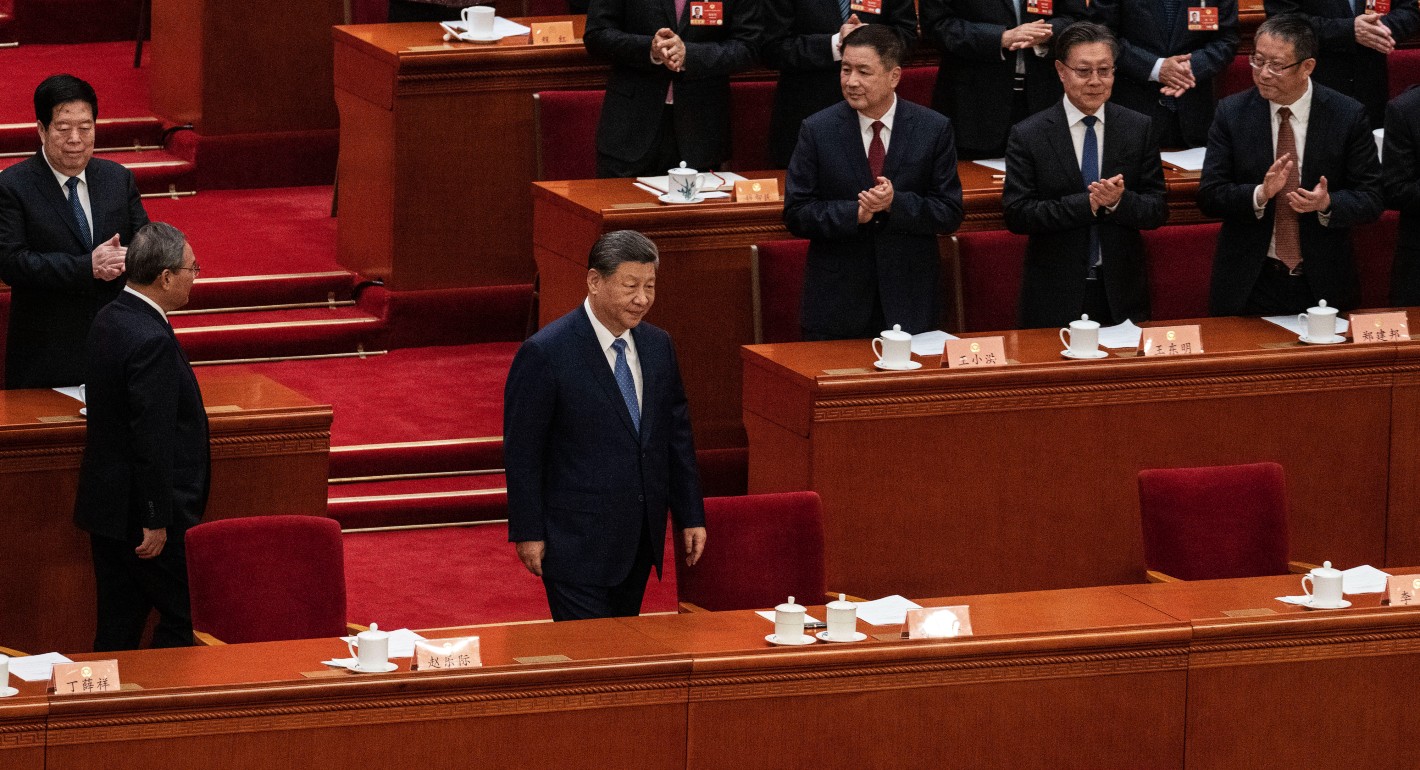
  • Xi walking into a room with people standing and applauding around him
    Commentary
    Emissary
    The Xi Doctrine Zeros in on “High-Quality Development” for China’s Economic Future

    In the latest Five-Year Plan, the Chinese president cements the shift to an innovation-driven economy over a consumption-driven one.

      • Damien Ma

      Damien Ma

  • Commentary
    How China’s Growth Model Determines Its Climate Performance

    Rather than climate ambitions, compatibility with investment and exports is why China supports both green and high-emission technologies.

      Mathias Larsen
  • Overproduction in China
    Commentary
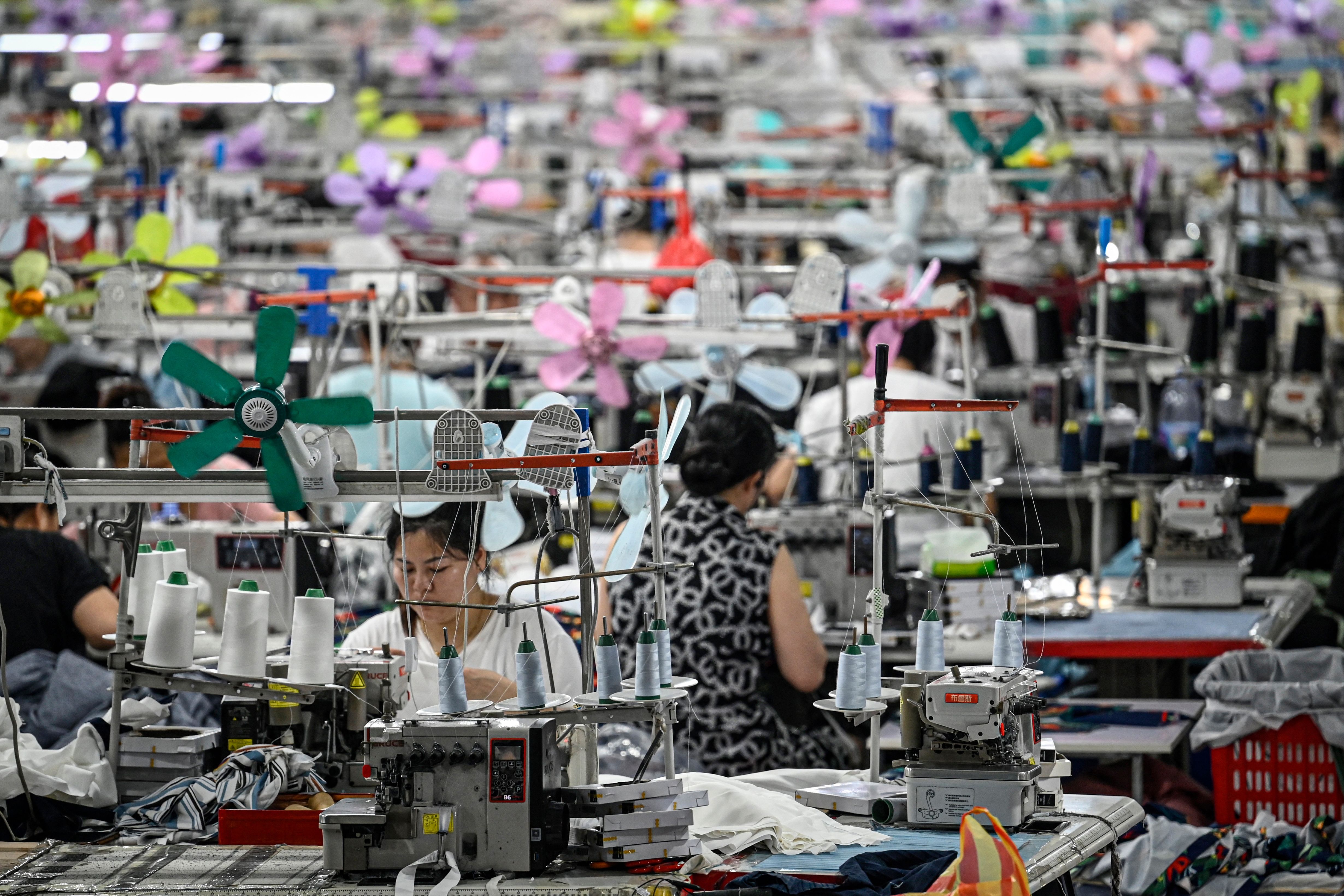
    What’s New about Involution?

    “Involution” is a new word for an old problem, and without a very different set of policies to rein it in, it is a problem that is likely to persist.

      Michael Pettis
  • Commentary
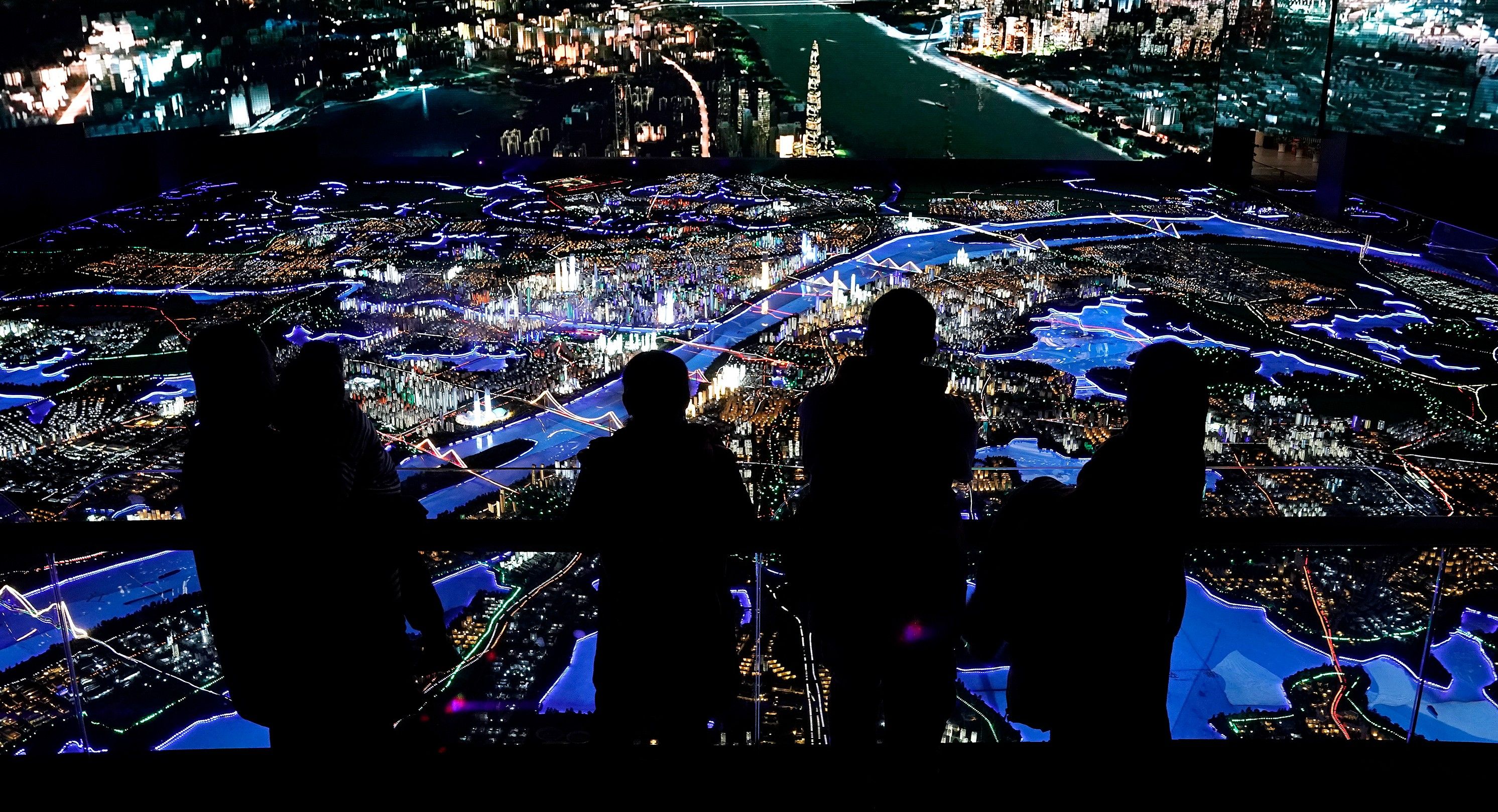
    The Chinese Investment Riddle: What Cities Reveal

    While China's investment story seems contradictory from the outside, the real answers to Beijing's high-quality growth ambitions are hiding in plain sight across the nation's cities.
      Yuhan Zhang
  • Commentary
    Using China’s Central Government Balance Sheet to “Clean up” Local Government Debt Is a Bad Idea

    China's stimulus addiction cannot go on forever. Beijing still has policy space to clean up the country's massive debt issue, but time is running short.

      Michael Pettis

Get more news and analysis from
Carnegie China
Carnegie China logo, white
Keck Seng Tower133 Cecil Street #10-01ASingapore, 069535Phone: +65 9650 7648
  • Research
  • About
  • Experts
  • Events
  • Contact
  • Careers
  • Privacy
  • For Media
Get more news and analysis from
Carnegie China
© 2026 Carnegie Endowment for International Peace. All rights reserved.