• Commentary
  • Research
  • Experts
  • Events
Carnegie China logoCarnegie lettermark logo
{
  "authors": [
    "Matthew Rojansky"
  ],
  "type": "legacyinthemedia",
  "centerAffiliationAll": "dc",
  "centers": [
    "Carnegie Endowment for International Peace"
  ],
  "collections": [],
  "englishNewsletterAll": "ctw",
  "nonEnglishNewsletterAll": "",
  "primaryCenter": "Carnegie Endowment for International Peace",
  "programAffiliation": "russia",
  "programs": [
    "Russia and Eurasia"
  ],
  "projects": [],
  "regions": [
    "Eastern Europe",
    "Belarus"
  ],
  "topics": [
    "Political Reform",
    "Democracy"
  ]
}
Source: Getty

In The Media

Europe Closes the Door on Belarus

With the latest round of sanctions and the decision to recall ambassadors from Minsk, the European Union has effectively closed the door on Belarus.

Link Copied
By Matthew Rojansky
Published on Feb 29, 2012

Source: Voice of Russia

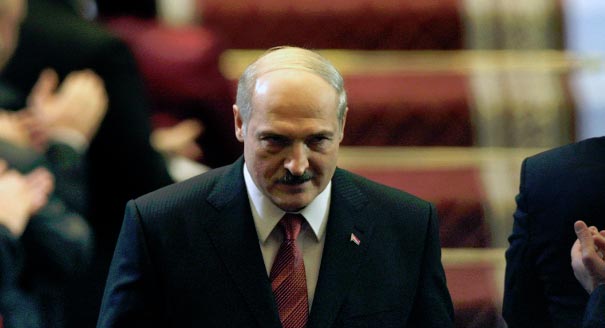
Since the controversial re-election of Belarusian President Alexander Lukashenka in December 2010—and the accompanying crackdown on many protestors and opposition candidates—relations between Belarus and the European Union have deteriorated. In an interview with Voice of Russia, Carnegie’s Matthew Rojansky argued that the latest round of European Union sanctions on Belarus and the decision to recall EU member states’ ambassadors from Minsk clearly signal that “Europe has closed the door” on Belarus. Although European Union officials—most notably Polish Foreign Minister Sikorski – have traditionally adopted a “soft power approach” toward Belarus, Rojansky noted that Lukashenka has rejected the carrot of European integration and “really spat in their faces.” Rojansky described the pattern in relations between Belarus and the West as one in which “Belarus escalates and the West responds.” As a result, “Lukashenka made himself totally vulnerable and totally exposed to Moscow because he has no friends left in the West,” Rojansky concluded.

About the Author

Matthew Rojansky

Former Deputy Director, Russia and Eurasia Program

Rojansky, formerly executive director of the Partnership for a Secure America, is an expert on U.S. and Russian national security and nuclear-weapon policies.

    Recent Work

  • Paper
    An Opportunity for Ambition: Ukraine’s OSCE Chairmanship

      Matthew Rojansky

  • In The Media
    Presiding Over the OSCE: Challenges and Opportunities

      Matthew Rojansky

Matthew Rojansky
Former Deputy Director, Russia and Eurasia Program
Matthew Rojansky
Political ReformDemocracyEastern EuropeBelarus

Carnegie does not take institutional positions on public policy issues; the views represented herein are those of the author(s) and do not necessarily reflect the views of Carnegie, its staff, or its trustees.
More Work from Carnegie China

  • Commentary
    China-Europe Relations, Two Years After Russia Invaded Ukraine

    The Russian invasion of Ukraine is a turning point in the EU-China relationship, and evolution of the China-Russia relationship will continue to impact EU-China relations.


      Yifan Ding, Alice Ekman

  • Commentary
    China’s Rising Influence in the Middle East

    Transactional relationships are stable but can be shallow.

      • +1

      Paul Haenle, Maha Yahya, Benjamin Ho, …
  • Article
    The Many “One Chinas”: Multiple Approaches to Taiwan and China

    Beijing says that over 180 countries accept its “one China principle” regarding Taiwan, but the reality is more complicated.

      Chong Ja Ian
  • Commentary
    China’s Zero COVID Policy Is a Double-Edged Sword

    Beijing must choose between preserving its pandemic narrative or facing more unrest.

      Paul Haenle
  • Commentary
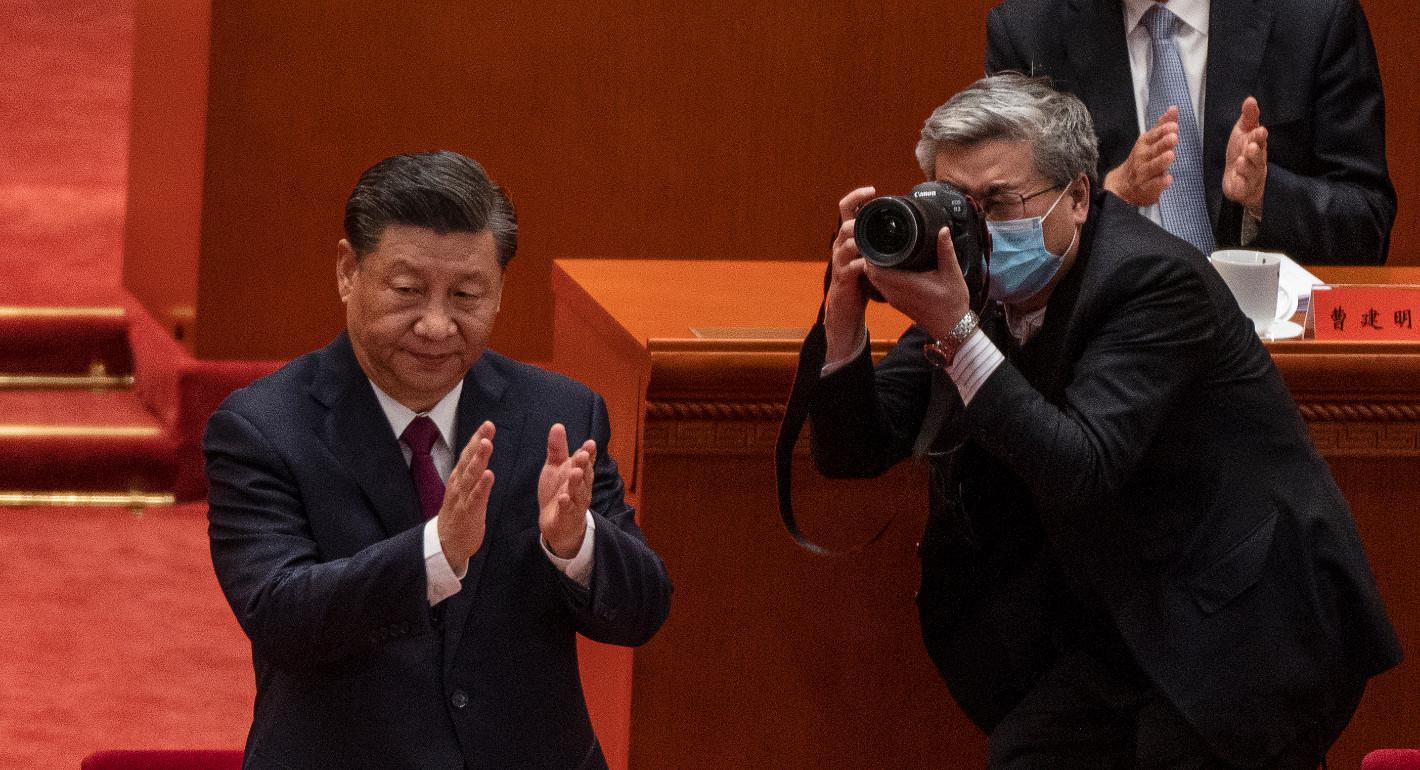
    How China Has Handled Its Strategic Dilemma Over Russia’s Invasion

    The war in Ukraine is increasing Beijing’s concern about Washington’s intentions.

      Paul Haenle, Tong Zhao

Get more news and analysis from
Carnegie China
Carnegie China logo, white
Keck Seng Tower133 Cecil Street #10-01ASingapore, 069535
  • Research
  • About
  • Experts
  • Events
  • Contact
  • Careers
  • Privacy
  • For Media
Get more news and analysis from
Carnegie China
© 2026 Carnegie Endowment for International Peace. All rights reserved.