

In The Media
Lahcen Achy
{
  "authors": [
    "Lahcen Achy"
  ],
  "type": "legacyinthemedia",
  "centerAffiliationAll": "",
  "centers": [
    "Carnegie Endowment for International Peace",
    "Malcolm H. Kerr Carnegie Middle East Center"
  ],
  "collections": [],
  "englishNewsletterAll": "",
  "nonEnglishNewsletterAll": "",
  "primaryCenter": "Malcolm H. Kerr Carnegie Middle East Center",
  "programAffiliation": "",
  "programs": [],
  "projects": [],
  "regions": [
    "Egypt",
    "Gulf",
    "Levant",
    "Maghreb"
  ],
  "topics": [
    "Economy"
  ]
}
Source: Getty
Small- and medium-size enterprises are already playing a key role in the economies of the Arab world. But limited access to financing prevents those enterprises from unleashing their full potential, boosting economic growth, and creating much-needed jobs.
Source: Al-Hayat

Loans to the private sector have been rising significantly of late in many Arab states. Those loans, however, continue to benefit bigger enterprises, leaving SMEs struggling to find financing.
Banks are typically reserved about financing SMEs. Small and medium projects tend to come along with higher risks given their size and limited potential. They are often found to be more vulnerable to economic shocks, failure, or even outright bankruptcy than their larger rivals.
But that is only one of the reasons why bank financing of SMEs is not jumping to healthier levels. Lenders seek an often-prohibitive level and quality of financial disclosure to assess the financial viability of projects led by small and medium firms. Those feasibility studies often fail to impress lenders, mainly because SMEs lack technical and financial know-how that would help them outline detailed and target-oriented business plans worthy of banks’ trust. And the demand for liquidity from the public sector and major firms leaves little cash to spare.Financing for SMEs is further complicated by the tendency of a majority of large corporations in the Arab world to shun the use of the stock market to raise capital and instead rely heavily on banks. Skepticism about such financing methods mainly stems from what those methods entail. Large corporations seeking to raise capital in this way must disclose financial statements to the public, which in turn forces greater transparency in terms of tax obligations. It would also likely lead those currently in charge of these firms to lose a degree of control—as the firms go public, more people become involved in board decisions.
As a result, projects led by SMEs end up squeezed for cash as large corporations use up much of the money lent by banks and dampen banks’ interest in financing small- and medium-size enterprises.
Government policies will therefore need to be more inclusive to consider the fundamental motives that lead banks to focus on financing large corporations. Regulations must be reformed and a package of flexible incentives introduced to facilitate access to financing for SMEs:
First, banks should enhance their risk-assessment capabilities for the financing of SME projects and the state should subsidize their feasibility study costs. Some lessons can be drawn from other countries’ experiences in incentivizing the financing of SMEs.
Second, governments should support SME financial management capabilities by offering training to these enterprises on how to best make use of working capital and liquidity, and how to improve transparency and credibility of their financial accounts.
Third, policymakers should establish an SME creditors’ database under the supervision of the central bank to facilitate commercial banks’ assessments of financing needs and to ensure better risk management.
Fourth, governments should set up a public authority in charge of providing credit guarantees for loans given to SME projects with inadequate collateral. Some Arab countries have in recent years proceeded with such a measure, ultimately aiming to spur entrepreneurial initiatives in innovative fields led by aspiring young entrepreneurs.
Fifth, Arab governments need to review laws and regulations to consolidate creditors’ rights and improve the effectiveness of guarantees and bankruptcy laws in order to enhance access to credit. The World Bank's reports on business environment show that creditors’ rights in the Arab world remain below international standards.
Sixth, states should provide large corporations with incentives to list their shares on stock markets. They should also enhance the performance and the level of transparency in capital markets, and enact laws that preserve minority shareholders’ rights.
Seventh, Arab countries need to develop alternative financing methods by encouraging venture capitalists to become more involved in prominent, high-yield, greater-risk, and troubled projects. Venture capital firms provide financial capital and technical know-how to projects with the goal of selling their interests once those projects become profitable.
Governments should play an active role in reducing the supply/demand gap in bank financing for SMEs. That will be instrumental in helping SME projects boost economic growth, in developing the labor-intensive industry and service sectors, in improving productivity through the adoption of sophisticated tools, and in increasing Arab economies’ productivity and global competitiveness.

Former Nonresident Senior Associate, Middle East Center
Achy is an economist with expertise in development, institutional economics, trade, and labor and a focus on the Middle East and North Africa.
Recent Work
Lahcen Achy
Lahcen Achy

In the latest Five-Year Plan, the Chinese president cements the shift to an innovation-driven economy over a consumption-driven one.

Damien Ma

Rather than climate ambitions, compatibility with investment and exports is why China supports both green and high-emission technologies.

Mathias Larsen
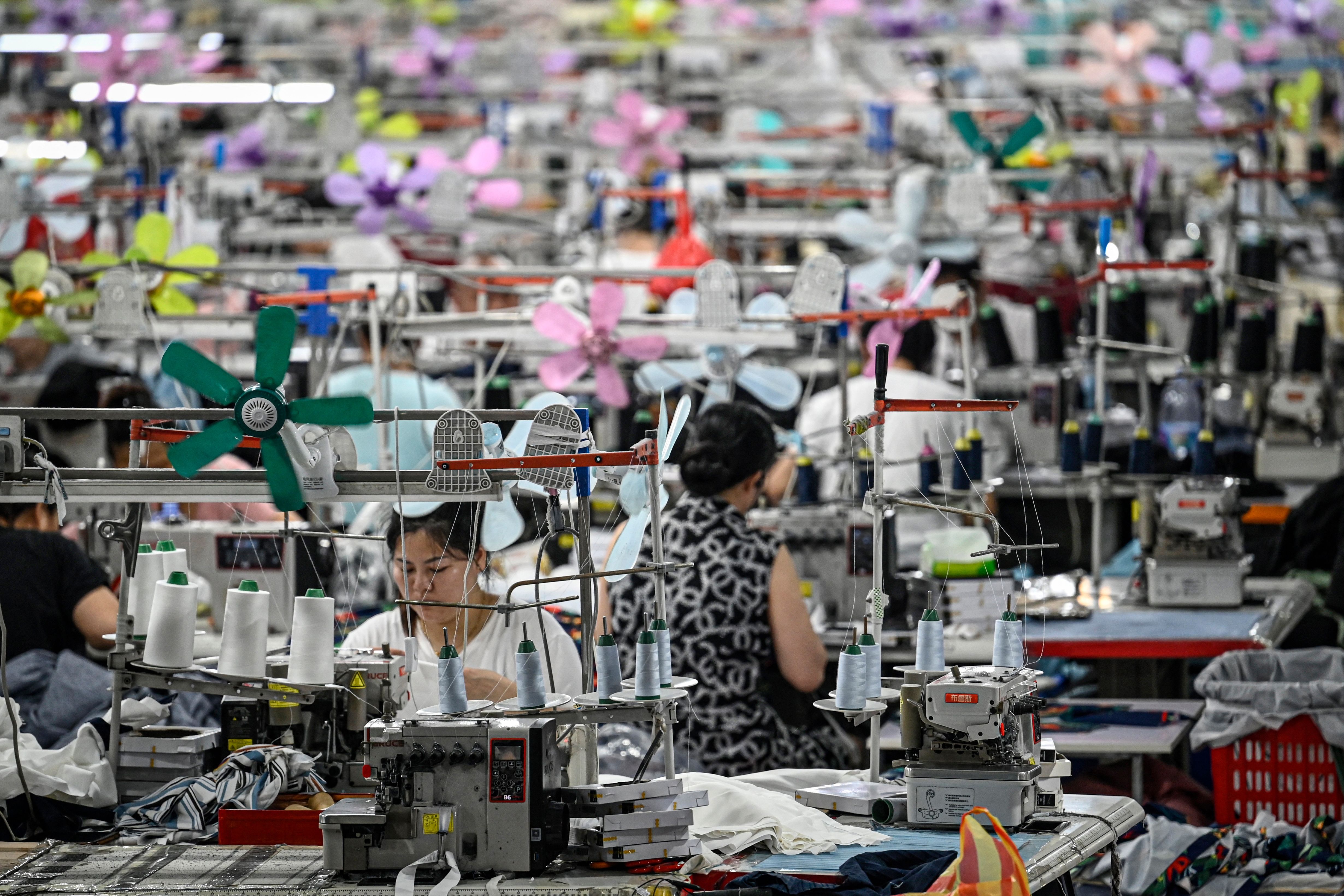
“Involution” is a new word for an old problem, and without a very different set of policies to rein it in, it is a problem that is likely to persist.

Michael Pettis

While China's investment story seems contradictory from the outside, the real answers to Beijing's high-quality growth ambitions are hiding in plain sight across the nation's cities.
Yuhan Zhang
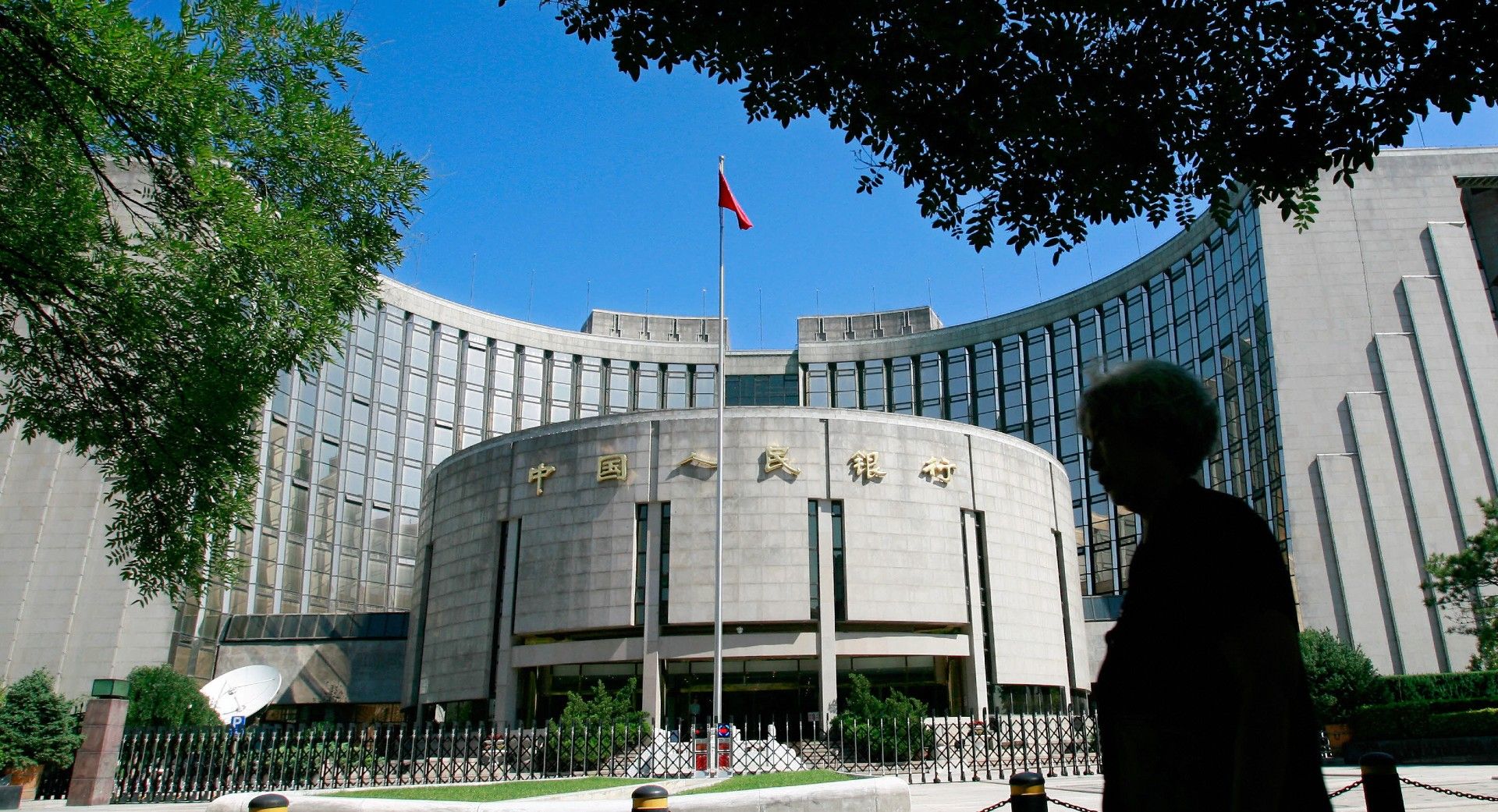
China's stimulus addiction cannot go on forever. Beijing still has policy space to clean up the country's massive debt issue, but time is running short.
Michael Pettis