

Q&A
Suzanne Maloney, Aaron David Miller, Karim Sadjadpour
{
  "authors": [
    "Karim Sadjadpour"
  ],
  "type": "legacyinthemedia",
  "centerAffiliationAll": "dc",
  "centers": [
    "Carnegie Endowment for International Peace",
    "Malcolm H. Kerr Carnegie Middle East Center"
  ],
  "collections": [
    "Arab Awakening"
  ],
  "englishNewsletterAll": "menaTransitions",
  "nonEnglishNewsletterAll": "",
  "primaryCenter": "Carnegie Endowment for International Peace",
  "programAffiliation": "MEP",
  "programs": [
    "Middle East"
  ],
  "projects": [],
  "regions": [
    "Middle East",
    "Iran",
    "Syria",
    "Levant"
  ],
  "topics": [
    "Political Reform"
  ]
}
Source: Getty
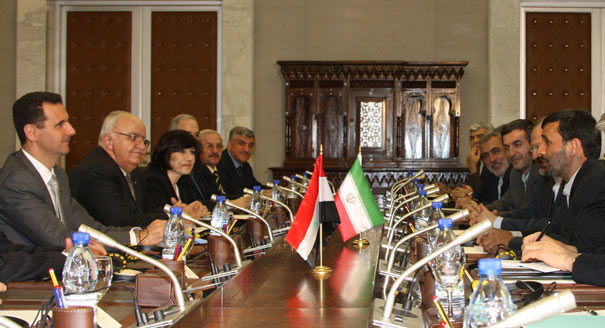
The perpetuation of the Assad regime is critical to Iran's efforts to maintain its regional influence, and Tehran has demonstrated it will do whatever it can to aid Assad and his regime.
Source: C-SPAN's Washington Journal
Speaking on CSPAN’s Washington Journal, Carnegie's Karim Sadjadpour explained that the alliance between Iran and Syria has been critical to the Assad regime’s efforts to maintain power during the on-going uprising in Syria. Although the alliance is not based on cultural, sectarian, or ethnic affinities, Iran and Syria have been stalwart strategic allies dating back to 1980. For Iran, “Syria has been its most consistent global ally and provides an important strategic geographic link to Hezbollah," noted Sadjadpour. The Iranian regime also “has repression down to a science and is sharing their tactics in this regard with the Assad regime,” he added. For Iran, the perpetuation of the Assad regime is critical in maintaining its regional influence, and Iran has demonstrated it will do whatever it can to aid Assad and his repressive regime, Sadjadpour concluded.

Senior Fellow, Middle East Program
Karim Sadjadpour is a senior fellow at the Carnegie Endowment for International Peace, where he focuses on Iran and U.S. foreign policy toward the Middle East.
Recent Work


Suzanne Maloney, Aaron David Miller, Karim Sadjadpour

Aaron David Miller, Karim Sadjadpour, Robin Wright
Carnegie does not take institutional positions on public policy issues; the views represented herein are those of the author(s) and do not necessarily reflect the views of Carnegie, its staff, or its trustees.

China’s political future will be shaped between now and next October. As the Communist Party enters its intense “campaign season” to prepare for a major political transition in 2027, reading Beijing's actions and responses may become more difficult as domestic politics weigh on its behavior more than usual.

Damien Ma
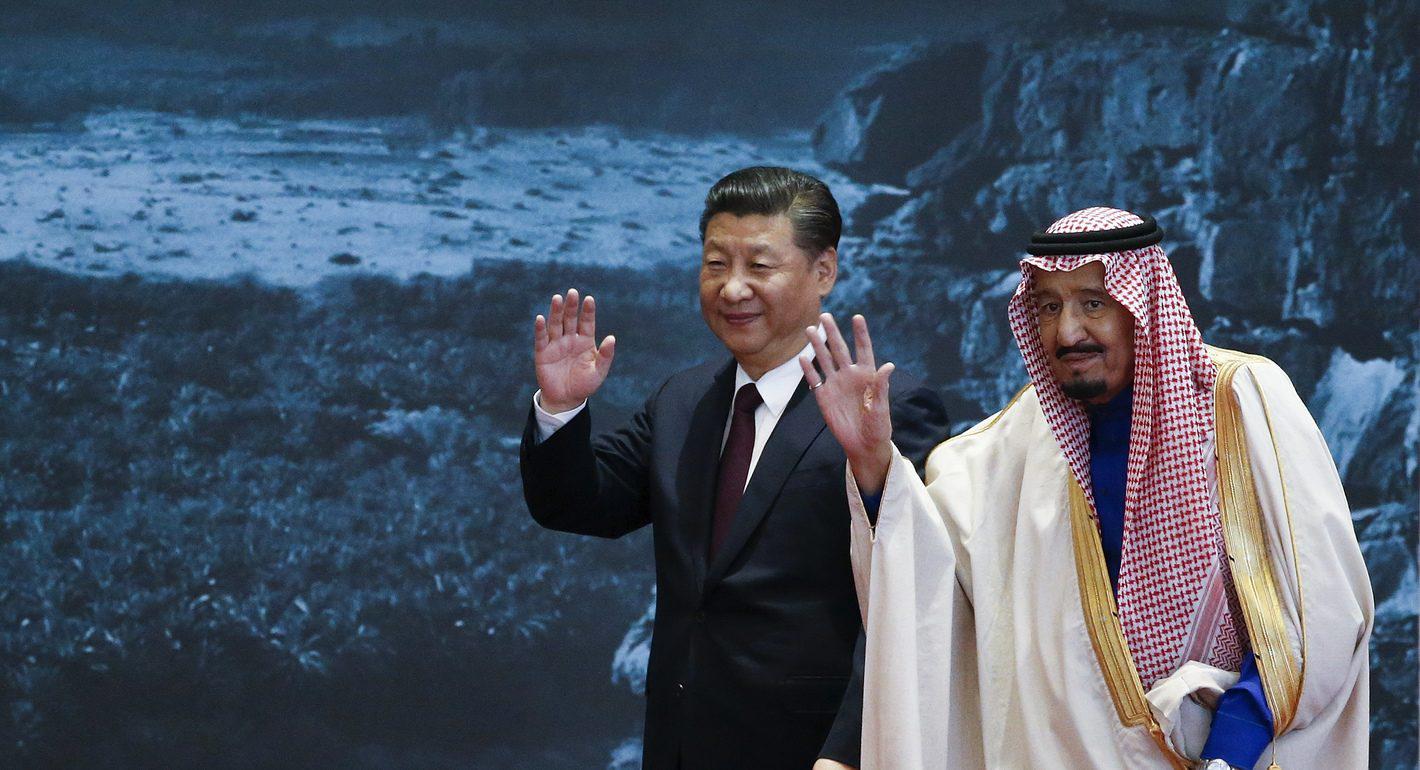
The advantage that China has over other global powers, especially America, is that its foreign policy is closely aligned with those of many of the Middle Eastern countries.
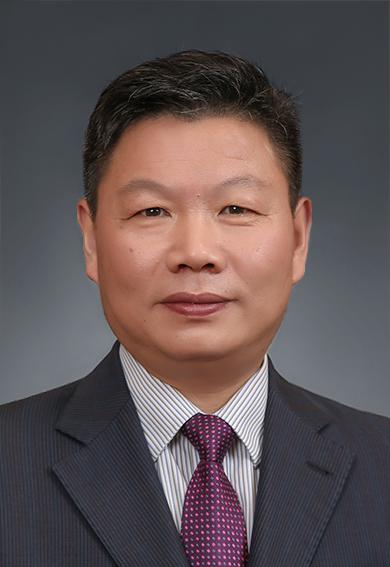

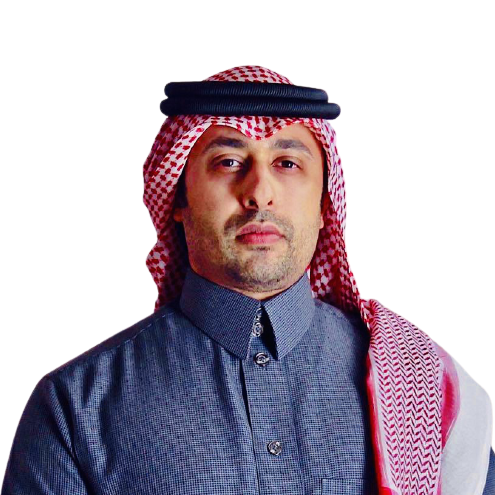
Jin Liangxiang, Maha Yahya, Hesham Alghannam

Transactional relationships are stable but can be shallow.


Paul Haenle, Maha Yahya, Benjamin Ho, …
“It’s not so clear how we’re going to get out of this.”
Paul Haenle, Philippe Le Corre

It’s about managing oil prices, bread prices, and strategic partnerships.

Amr Hamzawy, Karim Sadjadpour, Aaron David Miller, …