

Paper
- +2
George Perkovich, Malcolm Chalmers, Steven Pifer, …
{
  "authors": [
    "Paul Schulte"
  ],
  "type": "legacyinthemedia",
  "centerAffiliationAll": "dc",
  "centers": [
    "Carnegie Endowment for International Peace"
  ],
  "collections": [
    "U.S. Nuclear Policy"
  ],
  "englishNewsletterAll": "ctw",
  "nonEnglishNewsletterAll": "",
  "primaryCenter": "Carnegie Endowment for International Peace",
  "programAffiliation": "NPP",
  "programs": [
    "Nuclear Policy"
  ],
  "projects": [],
  "regions": [
    "North America",
    "United States",
    "Middle East",
    "Syria"
  ],
  "topics": [
    "Nuclear Policy"
  ]
}
Source: Getty
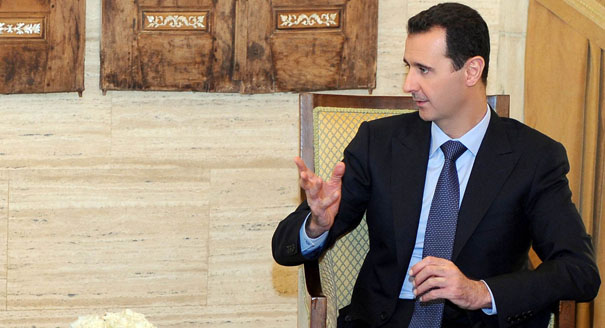
Syria is widely believed to possess weapons of mass destruction, in particular a large chemical weapons arsenal.
Source: BBC Wales

"It's most likely that they [Syria] have a quite large chemical arsenal because they have been doing this over a number of years, and even apparently in the last few months they have been trying to build up their stocks," Schulte said, adding that the chemicals in the arsenal would "be in different stages of preparation."
But the new news, Schulte pointed out, is that specific chemicals are being brought together to make an extremely modern and potent nerve gas called sarin. "We might be entering an endgame of a civil war in which atrocity becomes almost unavoidable because of the fear of reprisals," said Schulte, adding that "nobody is very attracted by the idea of getting drawn into a Syrian civil war."
To Schulte, the deployment of Patriot missile batteries along the Turkish border with Syria is about reassuring the Turks who "are in the front line of this very difficult situation." "It's a way of NATO emphasizing its solidarity," Schulte concluded.
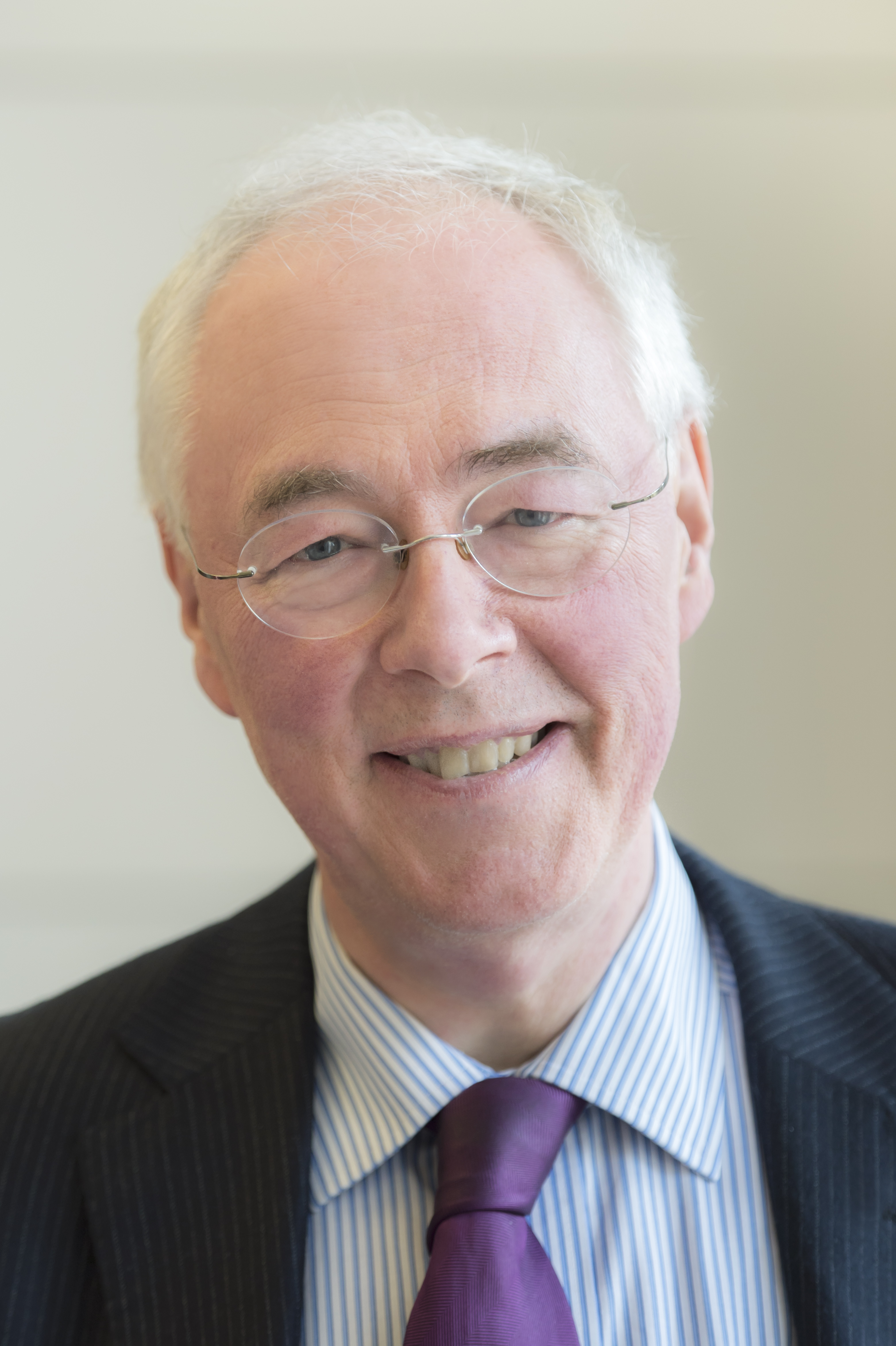
Former Nonresident Senior Associate, Nuclear Policy Program
Schulte was a nonresident senior associate in the Carnegie Nuclear Policy Program, where his research focuses on the future of deterrence, nuclear strategy, nuclear nonproliferation, cybersecurity, and their political implications.
Recent Work

George Perkovich, Malcolm Chalmers, Steven Pifer, …
Paul Schulte
Carnegie does not take institutional positions on public policy issues; the views represented herein are those of the author(s) and do not necessarily reflect the views of Carnegie, its staff, or its trustees.

But their "principal to principal" model will only be as effective as the political strength of each leader back home.

Damien Ma

U.S. unpredictability has allowed China to capitalize on its positioning as the “responsible great power”. Paradoxically, the more China wins the perception game, the more likely expectations will rise for Beijing to deliver not just words but to demonstrate with its deeds.

Chong Ja Ian

For Malaysia, the conjunction that works is “and” not “or” when it comes to the United States and China.

Elina Noor
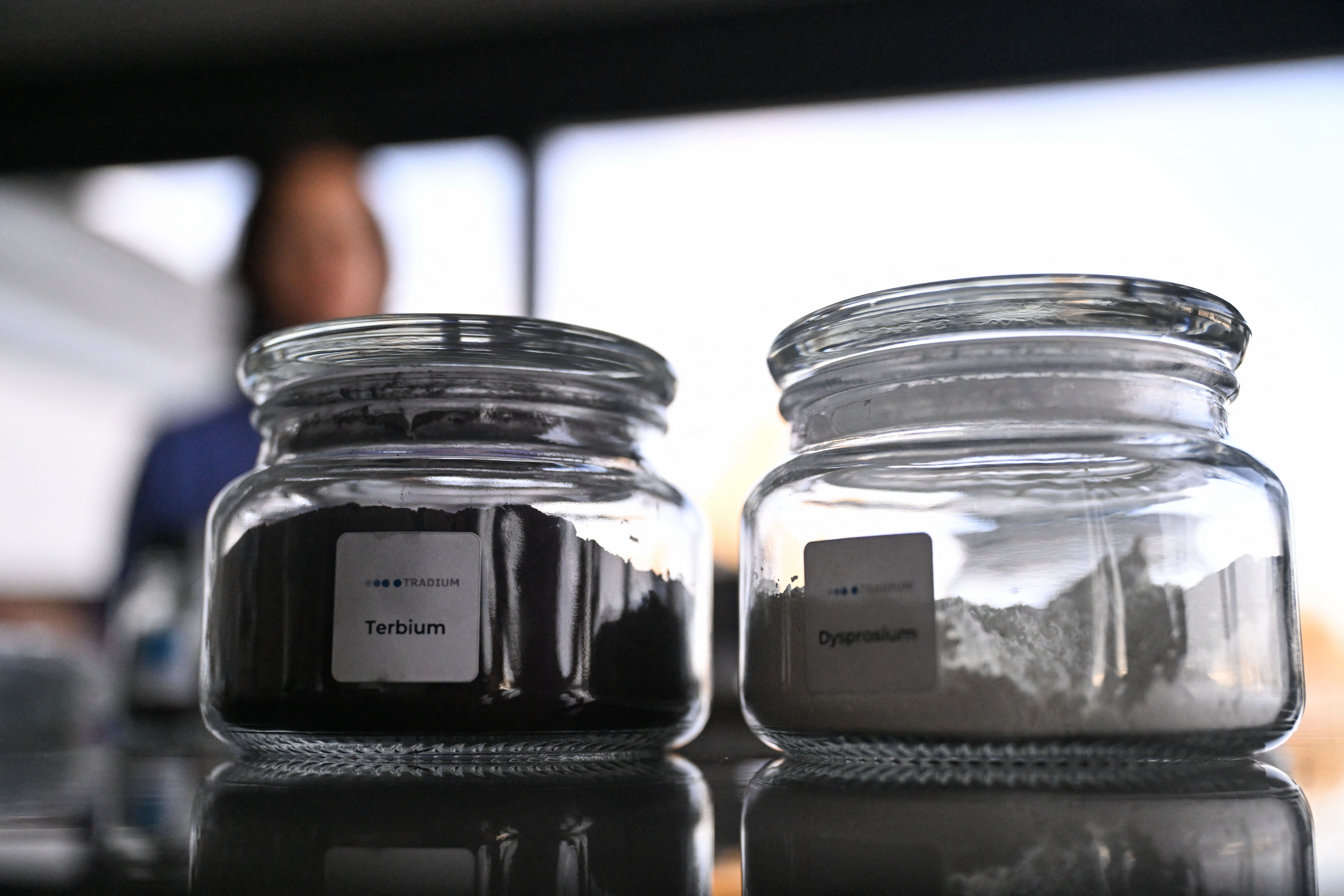
Regulation, not embargo, allows Beijing to shape how other countries and firms adapt to its terms.
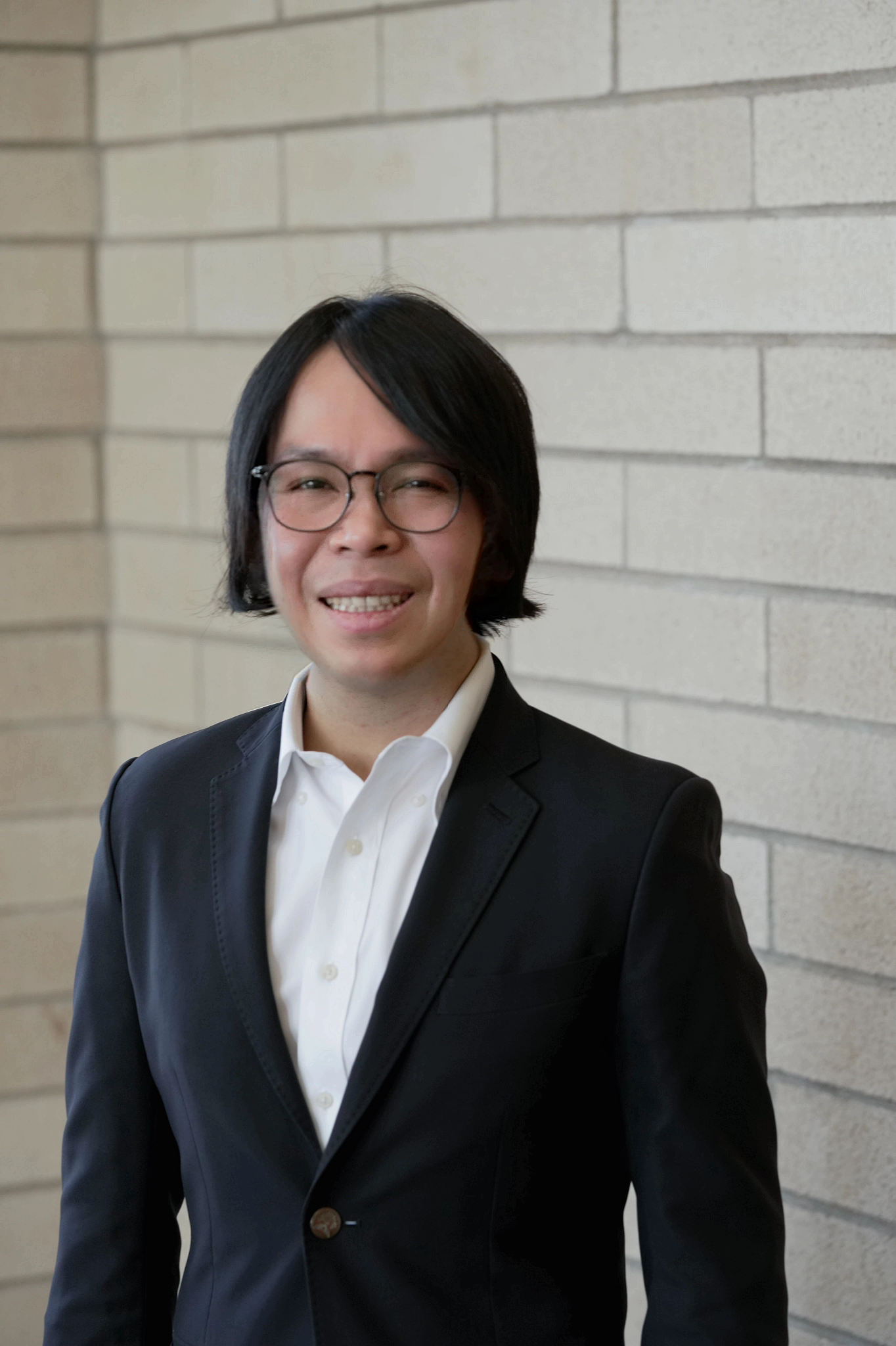
Alvin Camba
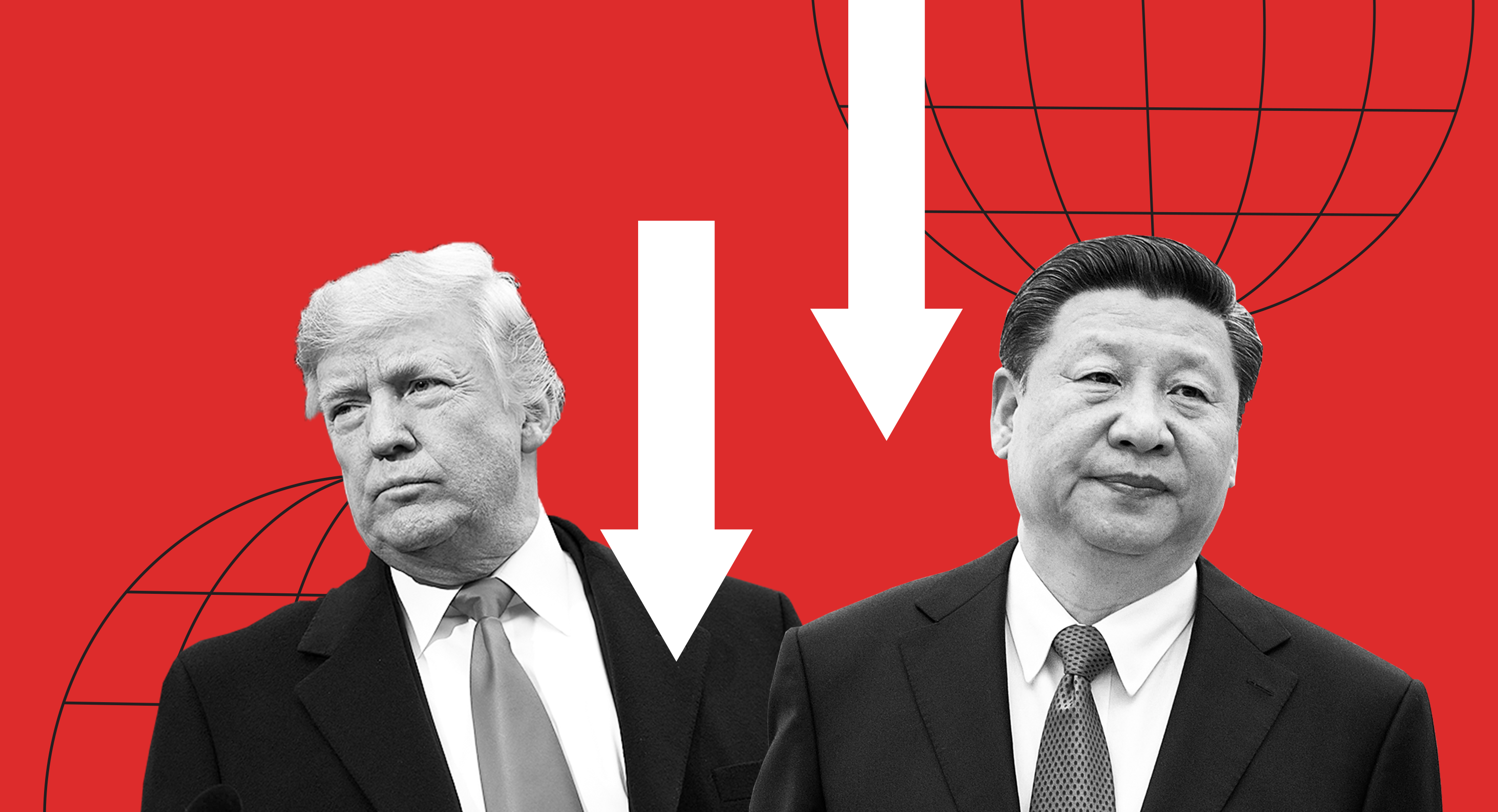
Beijing believes that Washington is overestimating its own leverage and its ability to handle the trade war’s impacts.

Rick Waters, Sheena Chestnut Greitens