

Article
Thomas de Waal
{
  "authors": [
    "Thomas de Waal"
  ],
  "type": "legacyinthemedia",
  "centerAffiliationAll": "dc",
  "centers": [
    "Carnegie Endowment for International Peace",
    "Carnegie Europe",
    "Carnegie Russia Eurasia Center"
  ],
  "collections": [],
  "englishNewsletterAll": "ctw",
  "nonEnglishNewsletterAll": "",
  "primaryCenter": "Carnegie Europe",
  "programAffiliation": "russia",
  "programs": [
    "Russia and Eurasia"
  ],
  "projects": [],
  "regions": [
    "Caucasus",
    "Russia"
  ],
  "topics": [
    "Security"
  ]
}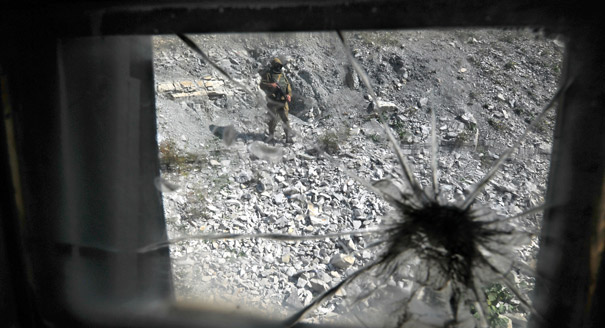
Source: Getty
The two suspected terrorists were influenced at least indirectly by the Chechen wars which devastated Chechnya. While this was traumatic for most, a small minority have become radicalized.
Source: CNN
It was during this violence that the younger Tsarnaev brother, Dzhokhar, was born and given the name of a Chechen leader.
THOMAS DE WAAL, CARNEGIE ENDOWMENT: It's a sure sign of Chechen patriotism in the family that in 1993, they called that little son Dzhokhar, after Dzhokhar Dudayev, who was the pro-independence president.WALSH: But Chechen independence wouldn't last. Another war with Russia would kill thousands and Chechen extremists would wage a campaign of terror across Russia, killing 186 children at a school in Beslan and more than 100 theatergoers in Moscow.
The Tsarnaev family escaped the violence of the region by making their way to the U.S.
VASQUEZ: He would tell that he is from Chechnya.
WALSH: Luis Vasquez was friends with Tamerlan in high school.
VASQUEZ: That's where he's from. That's where he told me he had struggles. He didn't really elaborate.
DE WAAL: There's a whole generation of Chechens who grew up with their families being displaced, relatives being killed and so on.
WALSH: Thomas de Waal has studied and written about the region.
DE WAAL: For most people, that's just a traumatic experience, but obviously for a small minority, this is something that is in their DNA that drives them.
WALSH: And like many displaced Chechens, Tamerlan may have struggled to fit in. Chechnya is still home to militant separatist groups, and the home Tamerlan's father grew up in has been destroyed by war. But relatives still live hire. Tamerlan traveled here during his trip last year.
ZAINALBEK TSARNAEV, GREAT UNCLE TO SUSPECTS (through translator): came to see me. We talked. I said, come here, guy. Are you studying, I asked. I'm studying, he said. There was nothing criminal about him.
WALSH: De Waal says this region has also seen a growth in Islamic extremism, becoming more anti-Western and anti-American.
DE WAAL: If you're a young jihadist from this region, you certainly blame Russia as the kind of evil empire that attacked and oppressed you, and also the West basically did nothing to intervene when Russia was bombing Chechnya.

Senior Fellow, Carnegie Europe
Thomas de Waal is a senior fellow at Carnegie Europe, specializing in Eastern Europe and the Caucasus.
Recent Work
Thomas de Waal
Thomas de Waal
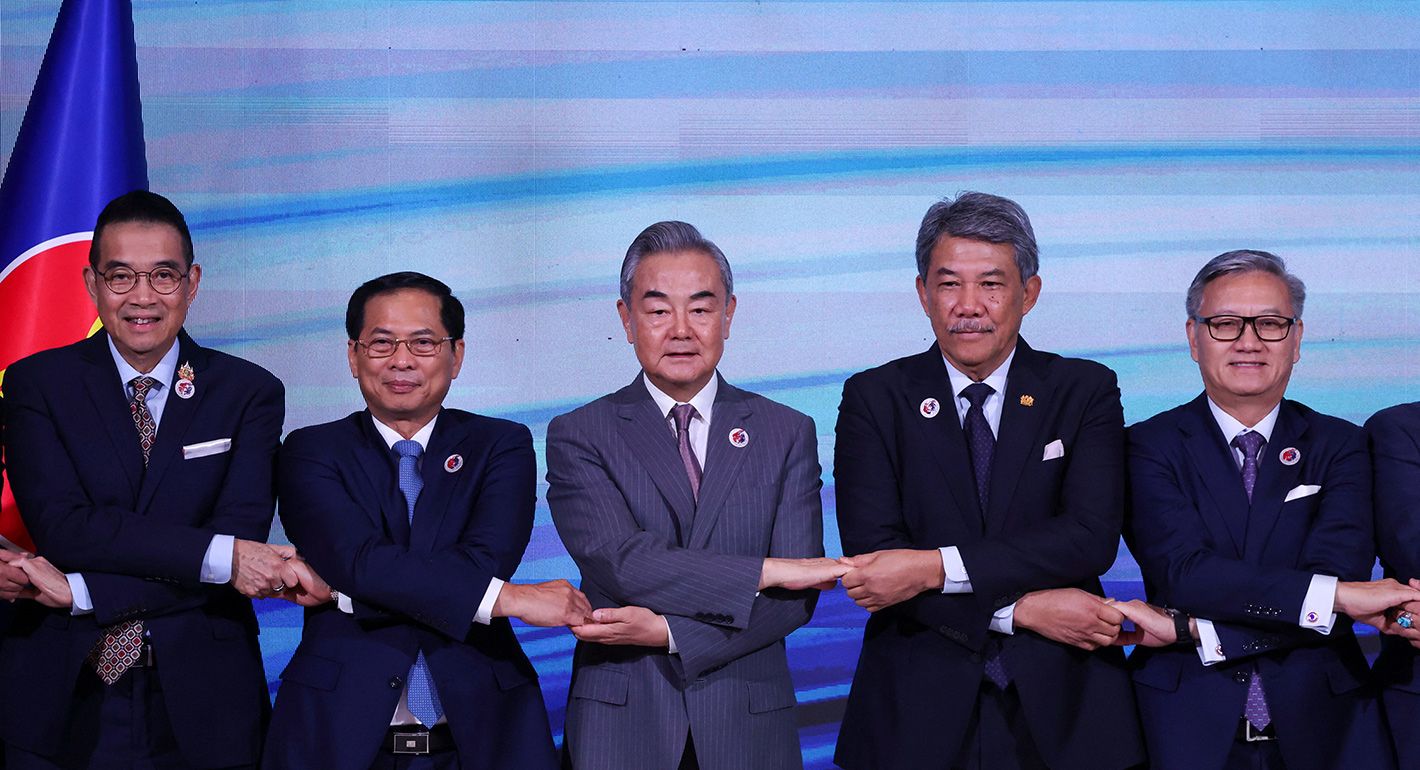
The Thai-Cambodian conflict highlights the limits to China's peacemaker ambition and the significance of this role on Southeast Asia’s balance of power.
Pongphisoot (Paul) Busbarat
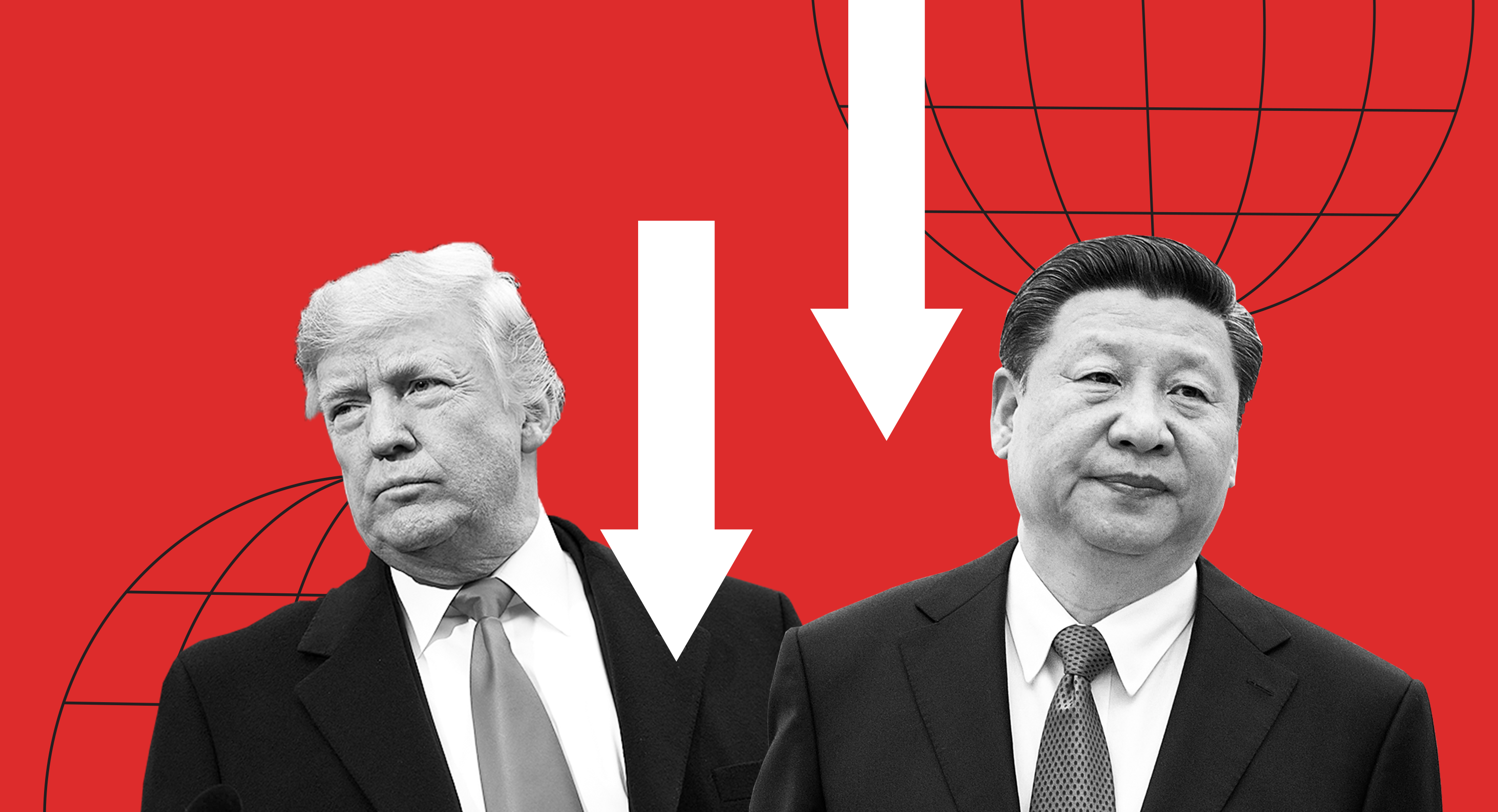
Beijing believes that Washington is overestimating its own leverage and its ability to handle the trade war’s impacts.

Rick Waters, Sheena Chestnut Greitens
Tapping our network of China experts in the region, Carnegie China offers this latest “China Through a Southeast Asian Lens” report to offer preliminary assessments of whether the U.S. effort to reshape the global trading order will lead countries in the region to tilt toward Beijing.
Selina Ho, Khin Khin Kyaw Kyee, Joseph Ching Velasco, …
Beijing is trying to navigate the overall situation regarding Ukraine, especially the substance of interactions between Washington and Moscow.
Ellen Nakashima, Zhao Long, Pavlo Klimkin, …
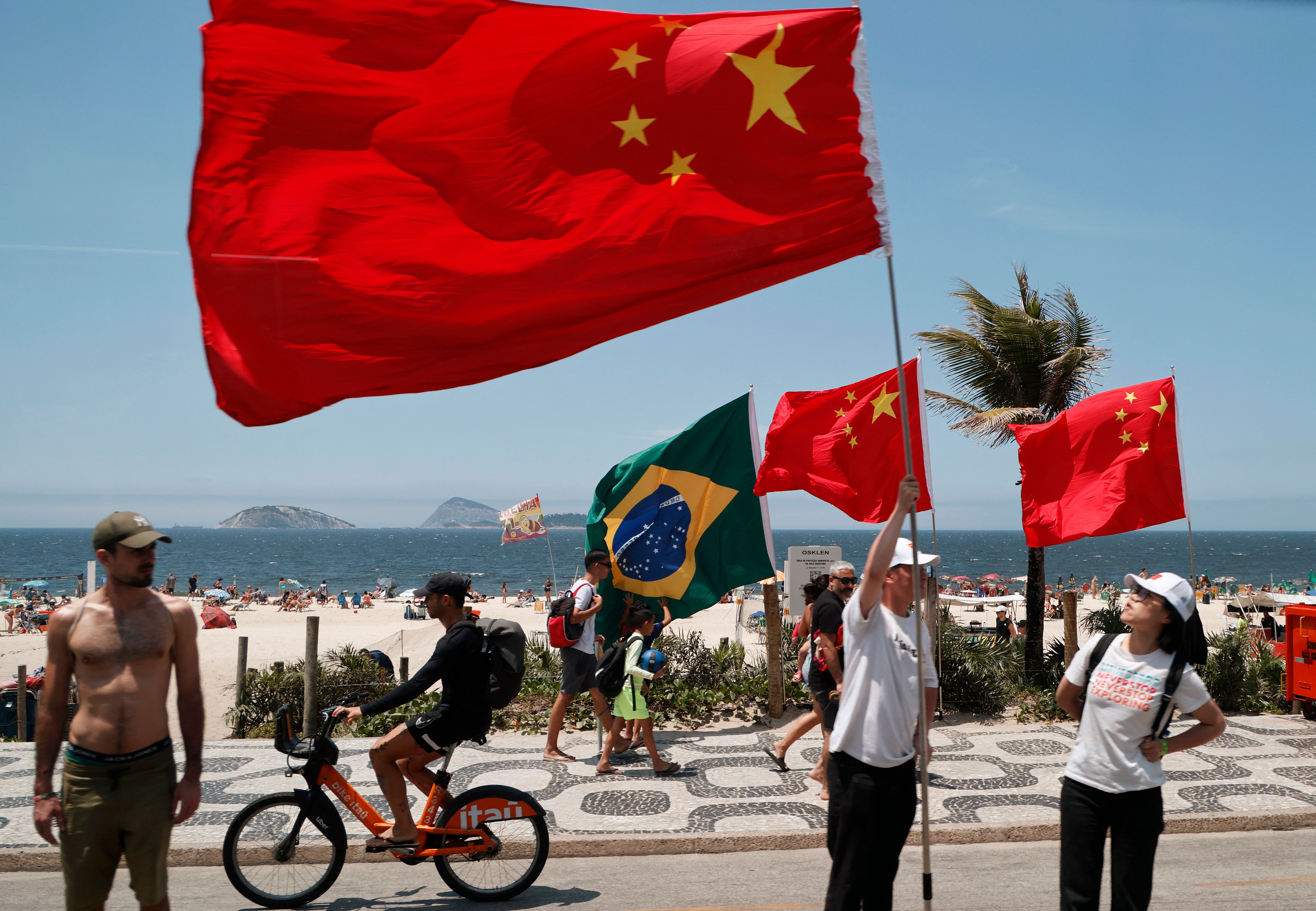
While China will remain a significant political and economic force in the Global South, its ambition to leverage the Global South as a counterbalance to the United States and the Global North is far from assured.

Xue Gong