

Commentary
Dmitri Trenin
{
  "authors": [
    "Dmitri Trenin"
  ],
  "type": "legacyinthemedia",
  "centerAffiliationAll": "",
  "centers": [
    "Carnegie Endowment for International Peace",
    "Carnegie Europe",
    "Carnegie Russia Eurasia Center"
  ],
  "collections": [
    "Transatlantic Cooperation"
  ],
  "englishNewsletterAll": "",
  "nonEnglishNewsletterAll": "",
  "primaryCenter": "Carnegie Russia Eurasia Center",
  "programAffiliation": "",
  "programs": [],
  "projects": [],
  "regions": [
    "North America",
    "United States",
    "Western Europe"
  ],
  "topics": [
    "Security",
    "Military"
  ]
}
Source: Getty
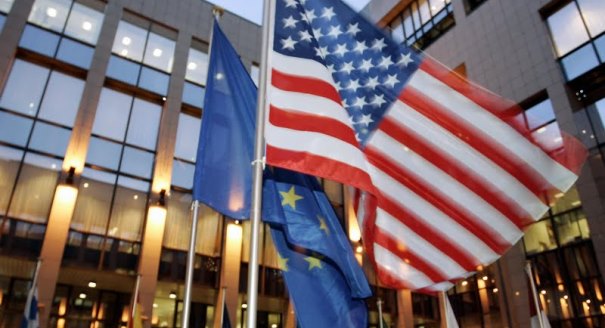
The Atlantic alliance needs to be renewed with an effective trans-Atlantic rebalancing.
Source: New York Times
If the Atlantic alliance were disbanded, European defense policies could be renationalized and the United States would lose its close interaction with highly capable like-minded European countries. Particularly at a time of the European Union’s restructuring, this would create tension and turbulence in that part of the world.
Instead, the Atlantic alliance needs to be renewed with an effective trans-Atlantic rebalancing.An economically and politically more integrated Europe, which is a likely outcome of the present crisis, should be able to become a full-fledged security partner to the United States. A renewed Atlantic alliance should be based on an agreement among the United States, a new military arm of the European Union composed of current NATO members and NATO countries outside the E.U., like Canada, Norway, Turkey and others.
This revamped NATO would create joint forces supported by a common industrial, research and development base.
This would be a real breakthrough in the process of European integration, making the E.U. ever more united in an area until now jealously protected as the ultimate symbol of national sovereignty.
Creating a defense community within the E.U. -- and turning it into NATO’s European pillar -- would also help to better balance the European Union itself. Germany, which will have to take the lead on economics and finance, will be flanked by France and Britain, which would be in the forefront of joint defense and security effort.
A reform on such a scale will need a new treaty, and the organization which will emerge from it will probably need a new name, but both will be based on more than six decades of close trans-Atlantic relations. NATO may eventually be allowed to become history; the Atlantic alliance should find a way to live on.
Former Director, Carnegie Moscow Center
Trenin was director of the Carnegie Moscow Center from 2008 to early 2022.
Recent Work
Dmitri Trenin
Dmitri Trenin
Carnegie does not take institutional positions on public policy issues; the views represented herein are those of the author(s) and do not necessarily reflect the views of Carnegie, its staff, or its trustees.

The nuclear relationship between China and the United States is increasingly shaped by widening perception gaps rather than deliberate strategic design.

Tong Zhao

But their "principal to principal" model will only be as effective as the political strength of each leader back home.

Damien Ma

U.S. unpredictability has allowed China to capitalize on its positioning as the “responsible great power”. Paradoxically, the more China wins the perception game, the more likely expectations will rise for Beijing to deliver not just words but to demonstrate with its deeds.

Chong Ja Ian

For Malaysia, the conjunction that works is “and” not “or” when it comes to the United States and China.

Elina Noor
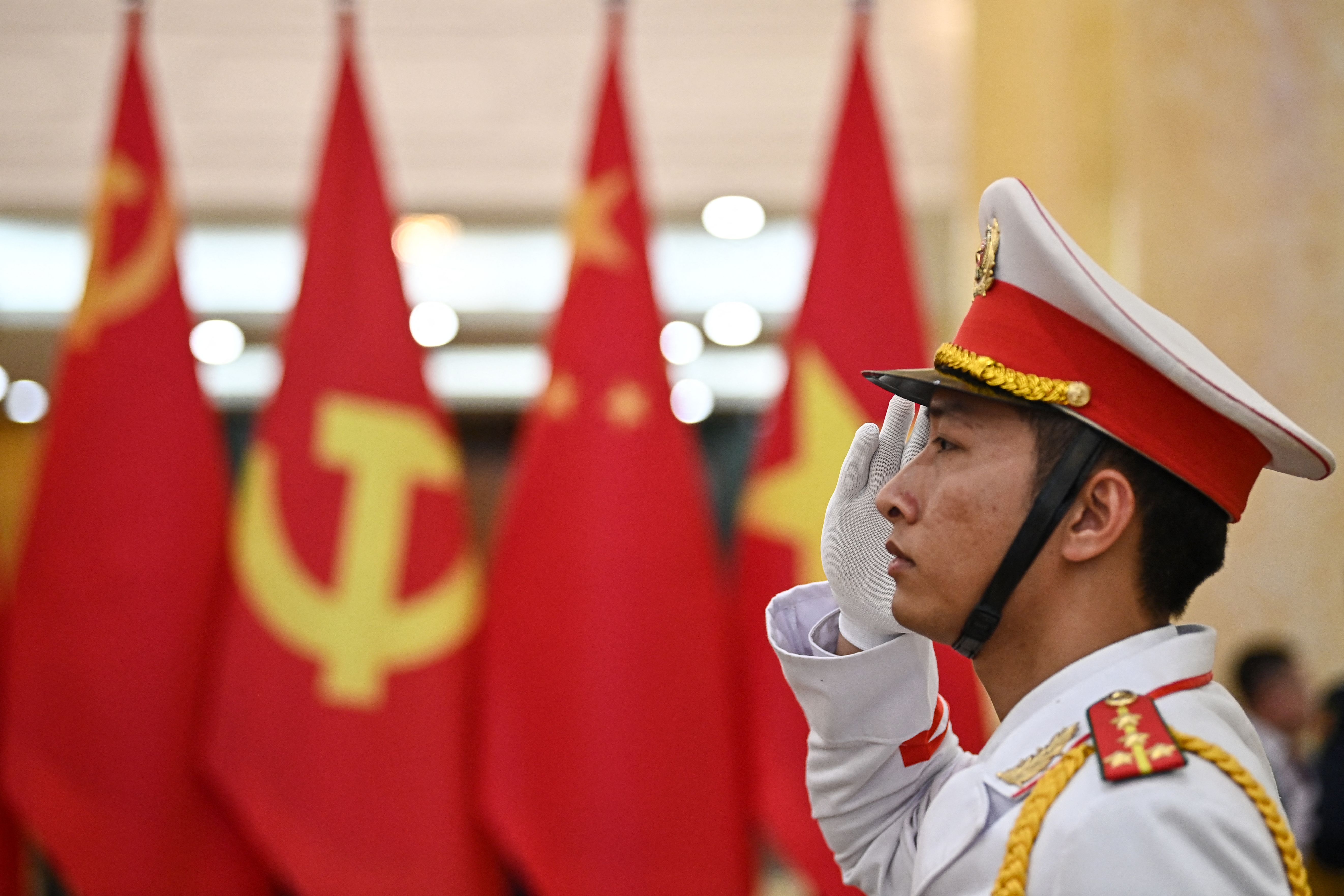
In July 2025, Vietnam and China held their first joint army drill, a modest but symbolic move reflecting Hanoi’s strategic hedging amid U.S.–China rivalry.

Nguyễn Khắc Giang