

Commentary
Judy Dempsey
{
  "authors": [
    "Judy Dempsey"
  ],
  "type": "legacyinthemedia",
  "centerAffiliationAll": "",
  "centers": [
    "Carnegie Endowment for International Peace",
    "Carnegie Europe"
  ],
  "collections": [],
  "englishNewsletterAll": "",
  "nonEnglishNewsletterAll": "",
  "primaryCenter": "Carnegie Europe",
  "programAffiliation": "",
  "programs": [],
  "projects": [],
  "regions": [
    "Europe",
    "Western Europe",
    "Germany"
  ],
  "topics": [
    "EU",
    "Security",
    "Military"
  ]
}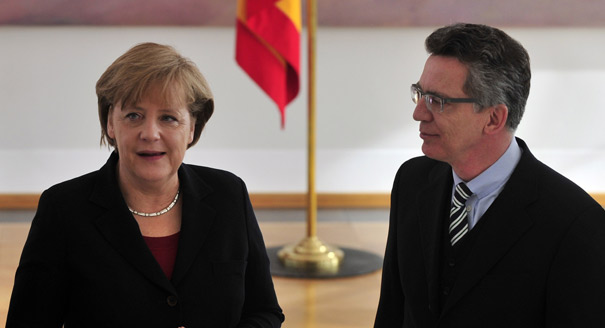
Source: Getty
Angela Merkel’s long-time friend, Defense Minister Thomas de Maizière, is fighting for his political survival because of a deepening scandal over the expense of Germany’s failed effort to develop a surveillance drone.
Source: New York Times
This is not going to be an easy week for Chancellor Angela Merkel. Her trusted and long-time friend, Defense Minister Thomas de Maizière is fighting for his political survival because of a deepening scandal over Germany’s development of surveillance drones.
The controversy is inconvenient ahead of President Barack Obama’s visit to Berlin next week, which I discuss in my Page Two column.
The curious thing is that it is not the idea of Germany having drones that has upset the opposition parties. It is the fact that Mr. de Maizière allegedly allowed work on the project to continue at enormous cost despite the fact that the drones would never fly.
Germany had been investing in the Euro Hawk drone, a trans-Atlantic project between Northrop Grumman of the United States and the European aerospace company EADS. The drone was designed to do for the Bundeswehr, Germany’s armed forces, what the high altitude, long endurance surveillance drone Global Hawk does for the United States military.Last month, Mr. de Maizière acknowledged that the Euro Hawk would never fly. After spending more than €500 million, or $661 million, on the project, Germany plans to abandon it. Mr. de Maizière cited safety concerns. “Better an end with horror than a horror without end,” he told the Bundestag.
Euro Hawk cannot fly because it does not meet the standards of the European Aviation and Safety Agency. High altitude drones need sophisticated equipment that will prevent them from colliding with conventional aircraft, losing control, or becoming lost. For Germany, this would have meant spending an additional €600 million on equipment and experts, in addition to spending more for the certification.
To make things even more difficult for Mr. de Maizière, Norththrop Grumman was not prepared to provide certain technical documents for the certification process — despite the long cooperation between Norththrop Grumman, EADS and the German Defense Ministry. Mr. de Maizière said he knew nothing of the program until 2012, even though it had been under development for several years by that time.
The opposition, which is struggling in the opinion polls ahead of federal elections in September, is latching onto the drone scandal to dent Mrs. Merkel’s popularity and target her closest advisor. The longer the scandal continues the more Mrs. Merkel could be put into the uncomfortable position of taking a stand over Mr. de Maizière’s future.

Nonresident Senior Fellow, Carnegie Europe
Judy Dempsey is a nonresident senior fellow at Carnegie Europe
Recent Work
Judy Dempsey
Judy Dempsey
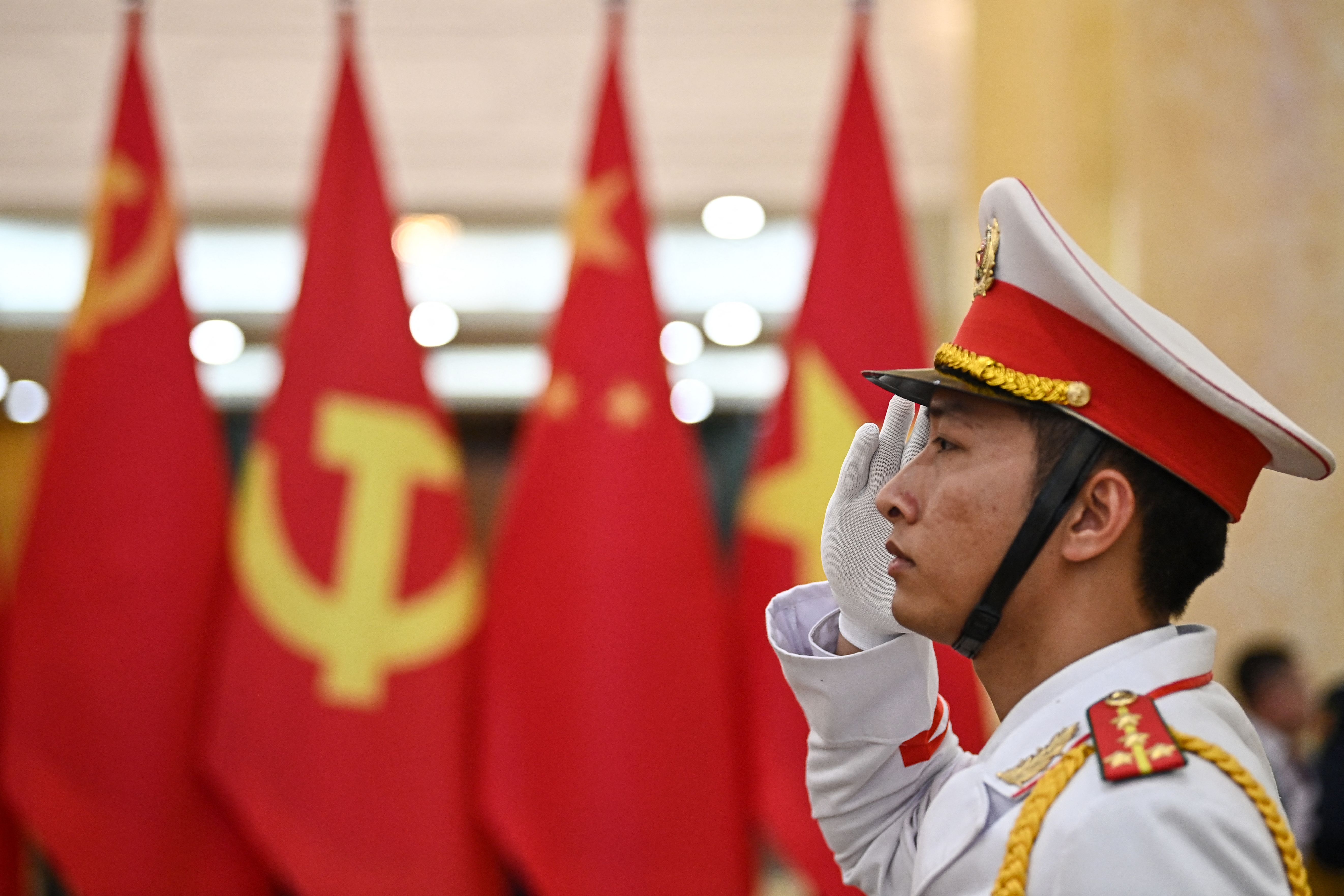
In July 2025, Vietnam and China held their first joint army drill, a modest but symbolic move reflecting Hanoi’s strategic hedging amid U.S.–China rivalry.

Nguyễn Khắc Giang
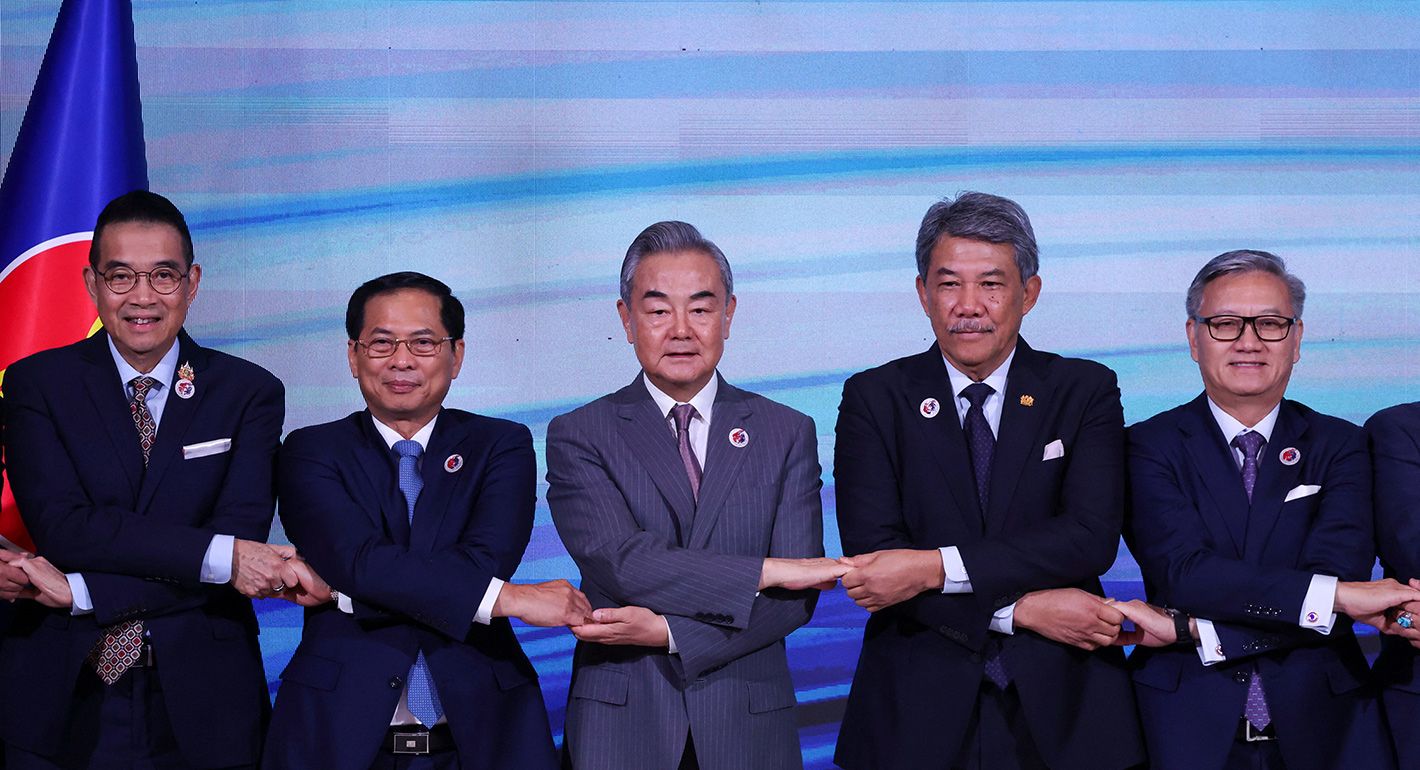
The Thai-Cambodian conflict highlights the limits to China's peacemaker ambition and the significance of this role on Southeast Asia’s balance of power.

Pongphisoot (Paul) Busbarat
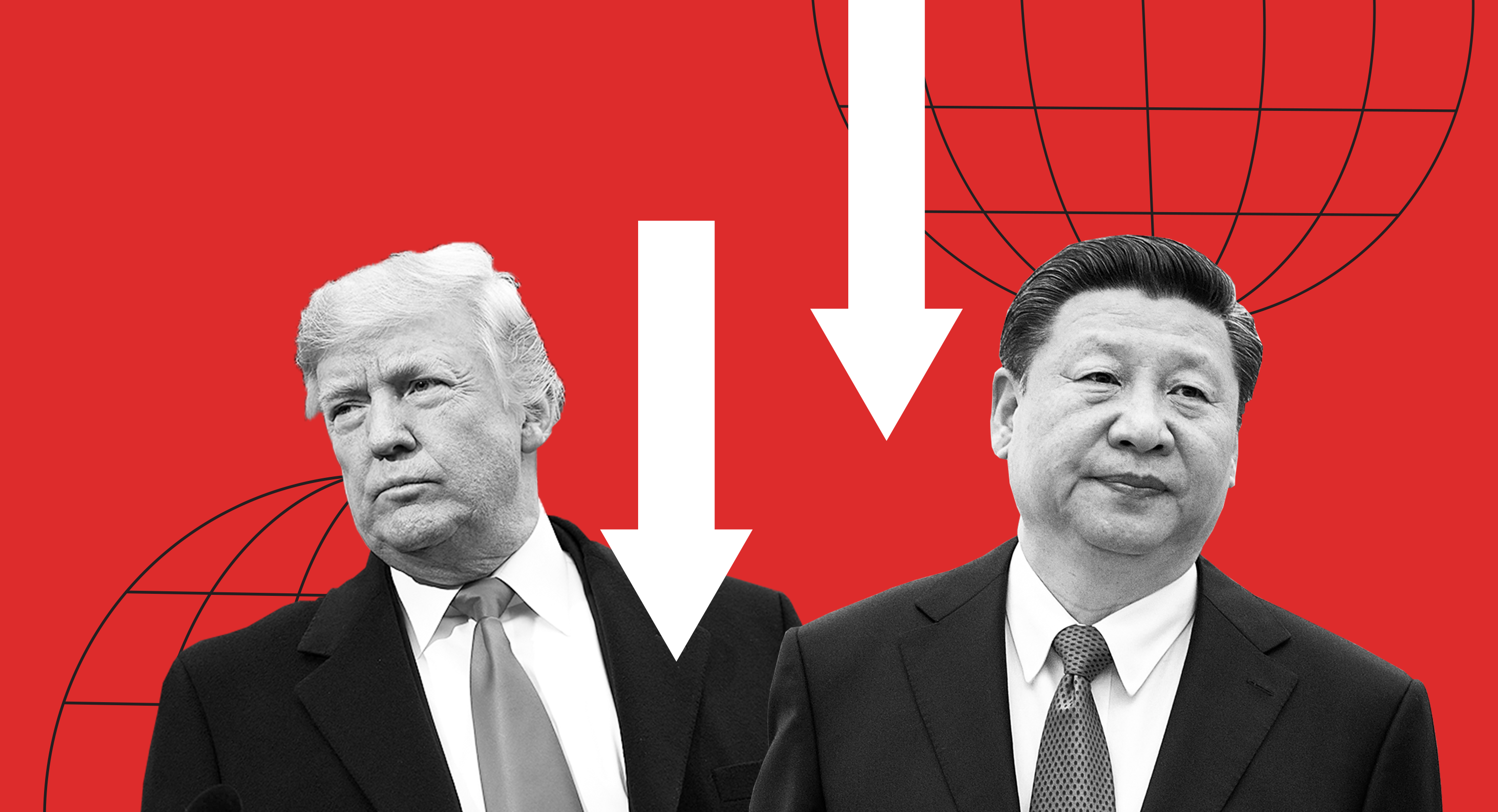
Beijing believes that Washington is overestimating its own leverage and its ability to handle the trade war’s impacts.


Rick Waters, Sheena Chestnut Greitens
Tapping our network of China experts in the region, Carnegie China offers this latest “China Through a Southeast Asian Lens” report to offer preliminary assessments of whether the U.S. effort to reshape the global trading order will lead countries in the region to tilt toward Beijing.



Selina Ho, Khin Khin Kyaw Kyee, Joseph Ching Velasco, …

Because strategic, economic, and ideological perceptions of China contain multiple, sometimes contradictory facets in Southeast Asia, receptions of and responses to Beijing diverge across and within state lines.



Evan A. Feigenbaum, Chong Ja Ian, Elina Noor