

Commentary
Dmitri Trenin
{
  "authors": [
    "Dmitri Trenin"
  ],
  "type": "commentary",
  "centerAffiliationAll": "",
  "centers": [
    "Carnegie Endowment for International Peace",
    "Carnegie Russia Eurasia Center"
  ],
  "collections": [],
  "englishNewsletterAll": "",
  "nonEnglishNewsletterAll": "",
  "primaryCenter": "Carnegie Russia Eurasia Center",
  "programAffiliation": "",
  "programs": [],
  "projects": [],
  "regions": [
    "Russia"
  ],
  "topics": [
    "Political Reform"
  ]
}
Source: Getty
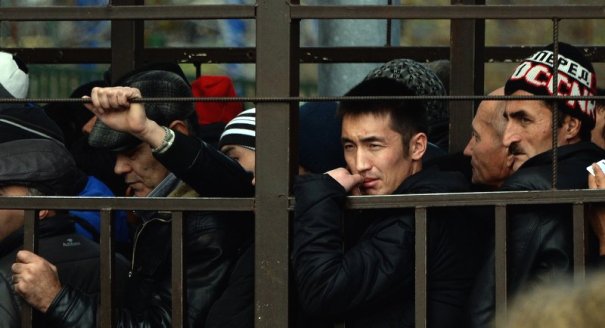
Biryulyovo was not the first anti-immigrant outburst in Russia, or even the biggest one, and it is unlikely to be the last. The core issue is systemic corruption in the police, migration service, and municipalities, which the new measures taken by the government in response to Biryulyovo are unlikely to reduce, much less to end.
Biryulyovo was not the first anti-immigrant outburst in Russia, or even the biggest one, and it is unlikely to be the last. But the recent riots happened right in Moscow and as such immediately acquired a wholly different quality.
The Kremlin scrambled to respond by placing responsibility for interethnic peace squarely on the local mayors, and reached out to Russia's Muslim leaders urging them to exert influence on immigrants, most of whom come from Central Asia and the Caucasus. The police were ordered to round up illegal guest workers and send them away. Greedy entrepreneurs who import cheap immigrant labor and treat them almost like slaves were threatened with prosecution.
This response looks ineffectual. The core issue is systemic corruption in the police, migration service, and municipalities, which the new measures are unlikely to reduce, much less to end. The Russian state organism is weak not because it lacks power but because it is rotten inside. The police reform undertaken with much fanfare only a couple of years ago was a sham. Regional officials steal massively, with only a few being caught and the connections to the higher levels remaining unexposed. Even the proposed introduction of the visa regime with the former Soviet states—from where most illegal immigrants arrive—is often met by the general public with skepticism, as just another opportunity to operate corrupt schemes. Unlike in the United States or much of Europe, where people make real money before they enter government service or after they retire from it, in Russia they become rich while they are in government. Until this ends, nothing will work.
Former Director, Carnegie Moscow Center
Trenin was director of the Carnegie Moscow Center from 2008 to early 2022.
Recent Work
Dmitri Trenin
Dmitri Trenin
Carnegie does not take institutional positions on public policy issues; the views represented herein are those of the author(s) and do not necessarily reflect the views of Carnegie, its staff, or its trustees.
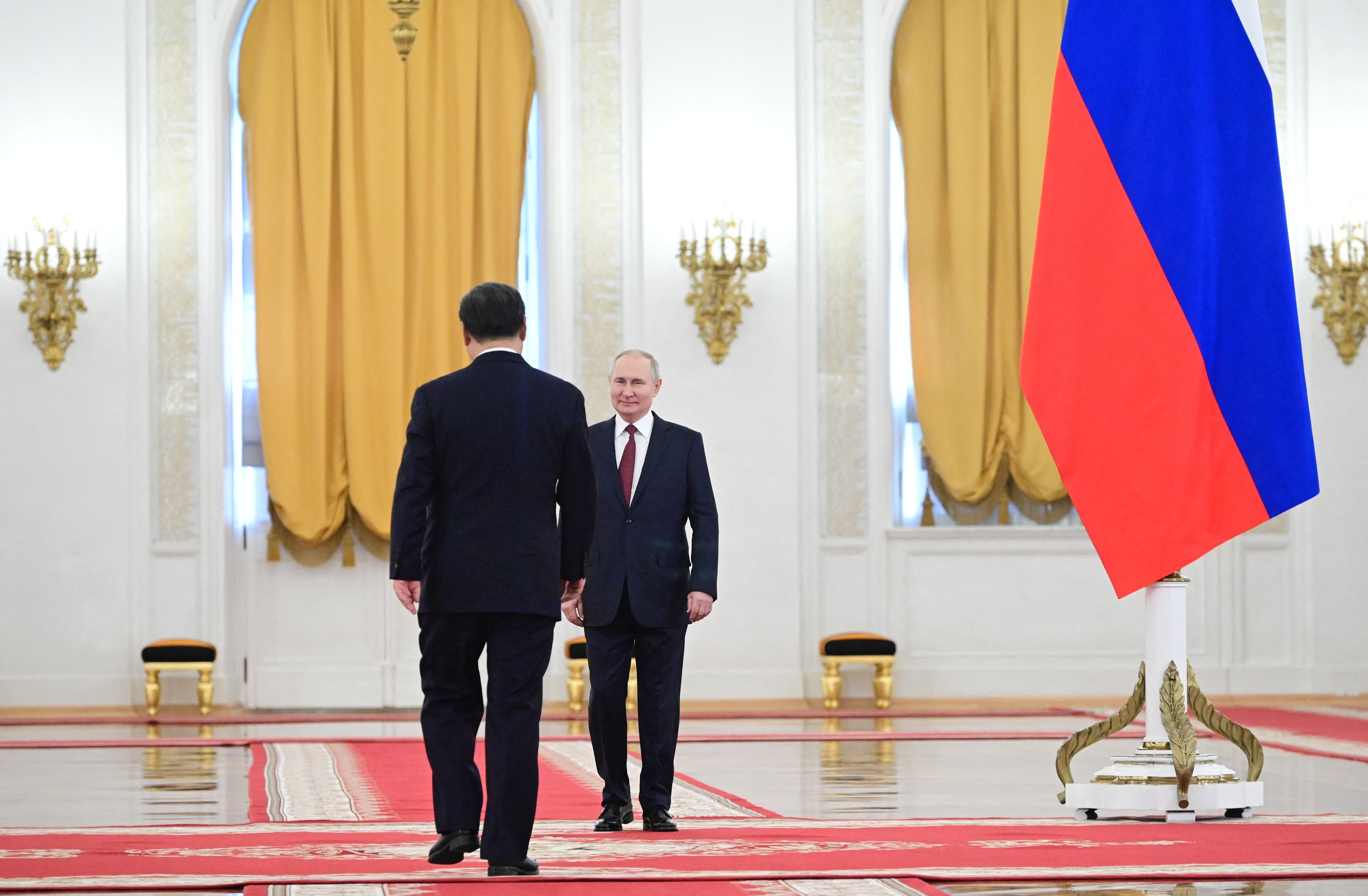
Beijing is trying to navigate the overall situation regarding Ukraine, especially the substance of interactions between Washington and Moscow.

Ellen Nakashima, Zhao Long, Pavlo Klimkin, …
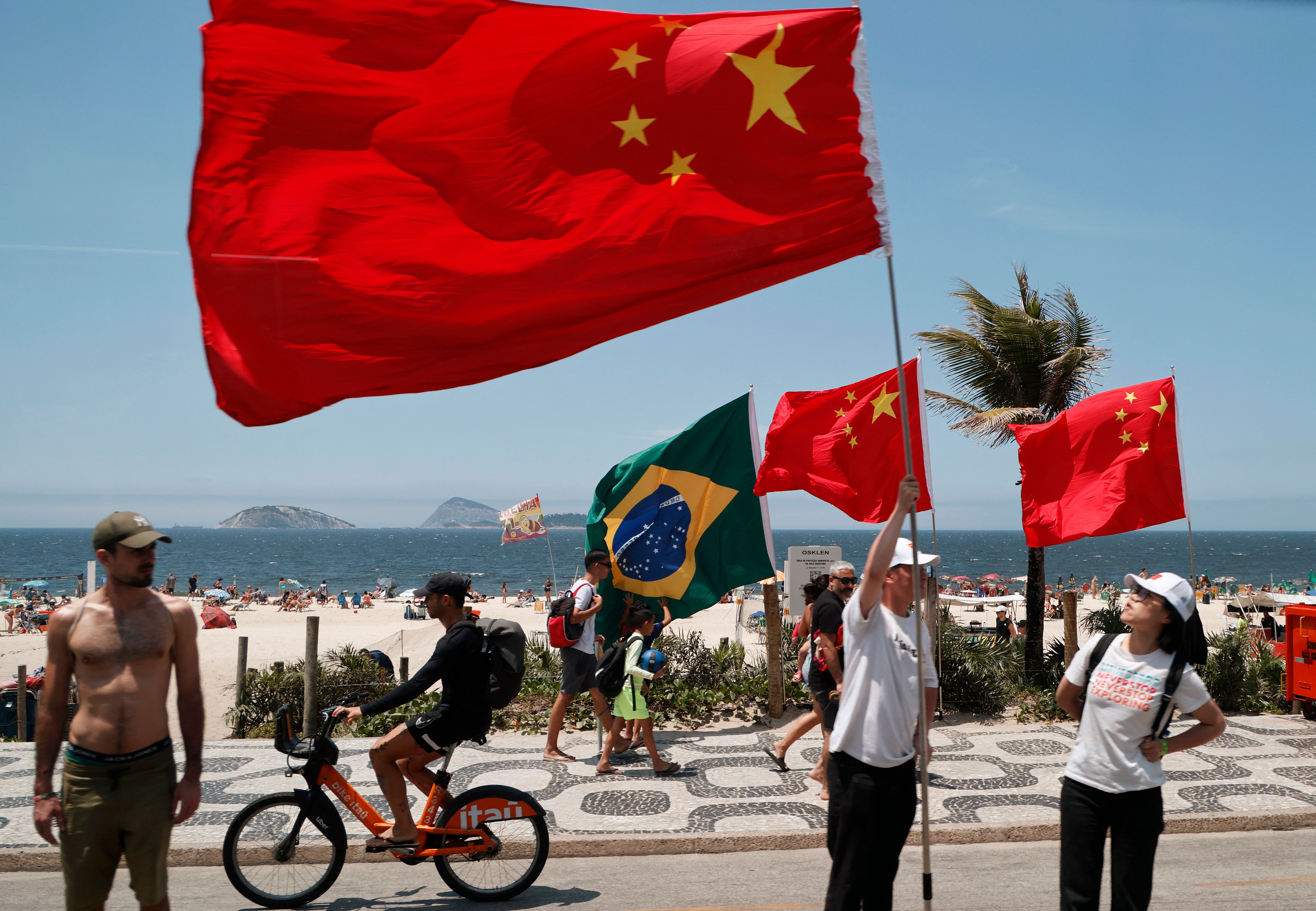
While China will remain a significant political and economic force in the Global South, its ambition to leverage the Global South as a counterbalance to the United States and the Global North is far from assured.

Xue Gong
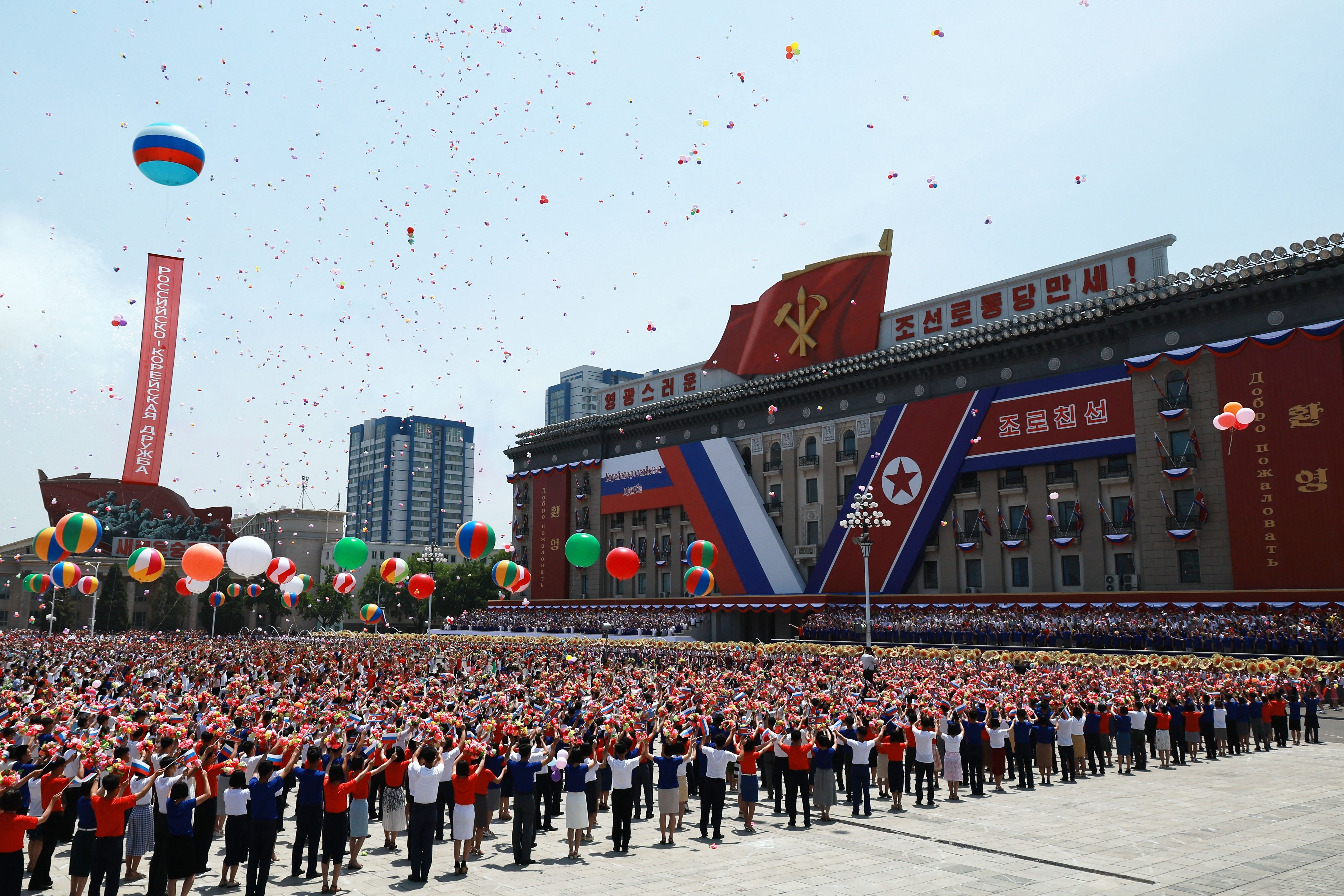
Faced with an increase in strategic maneuvering by Moscow and Pyongyang, Beijing will not sit idly by and allow Putin and Kim to shape the security environment on its behalf.

Tong Zhao
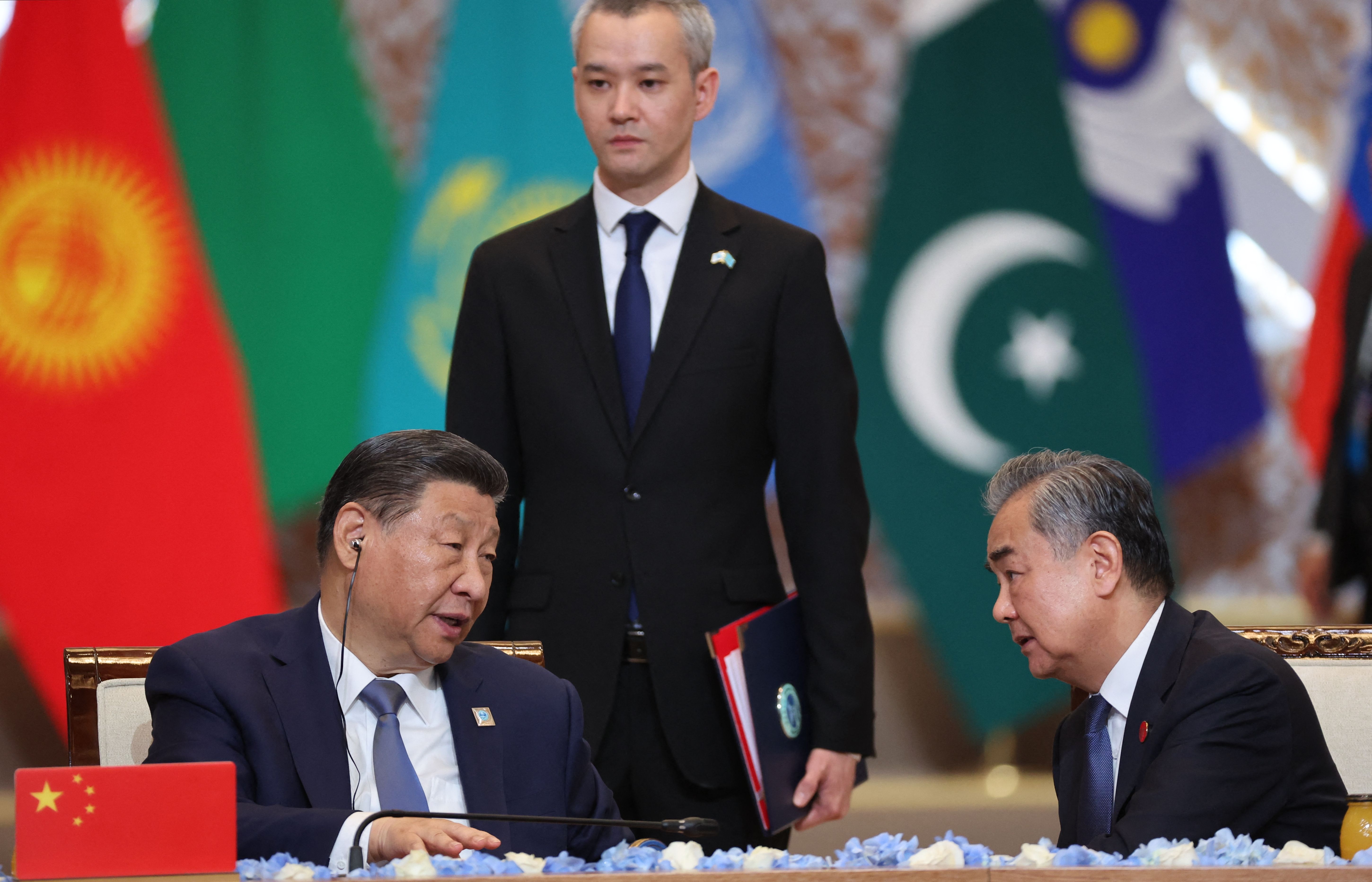
China’s growing attention to Central Asia is perceived as a harbinger of tectonic shifts in regional geopolitics.

Temur Umarov
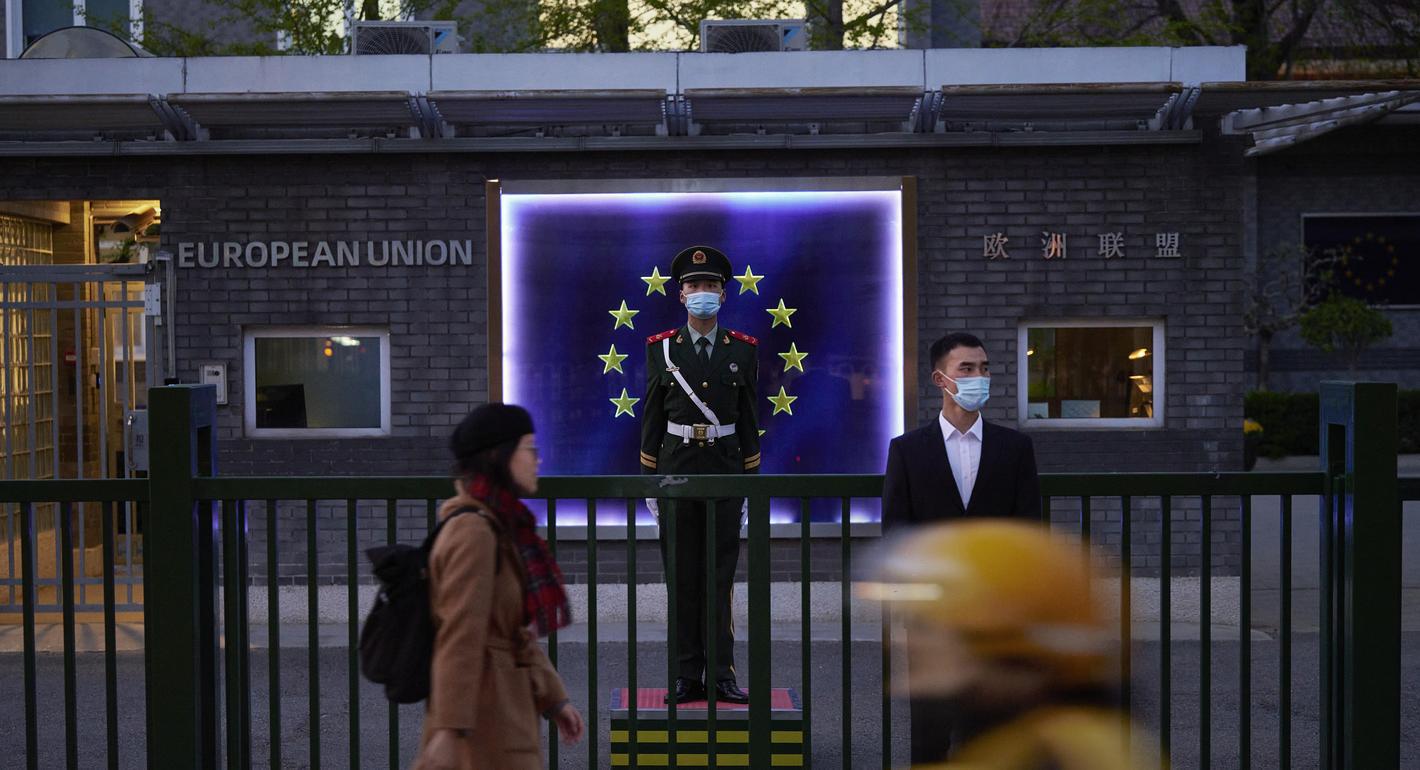
The Russian invasion of Ukraine is a turning point in the EU-China relationship, and evolution of the China-Russia relationship will continue to impact EU-China relations.
Yifan Ding, Alice Ekman