

Commentary
Dmitri Trenin
{
  "authors": [
    "Dmitri Trenin"
  ],
  "type": "commentary",
  "centerAffiliationAll": "",
  "centers": [
    "Carnegie Endowment for International Peace",
    "Carnegie Russia Eurasia Center"
  ],
  "collections": [],
  "englishNewsletterAll": "",
  "nonEnglishNewsletterAll": "",
  "primaryCenter": "Carnegie Russia Eurasia Center",
  "programAffiliation": "",
  "programs": [],
  "projects": [],
  "regions": [
    "Russia"
  ],
  "topics": [
    "Political Reform",
    "Civil Society"
  ]
}
Source: Getty
The problem with the nation-building effort in Russia is that a nation cannot be built from above. Unless people begin treating their state as their own, Russia will continue to be a country and a state, but no nation.
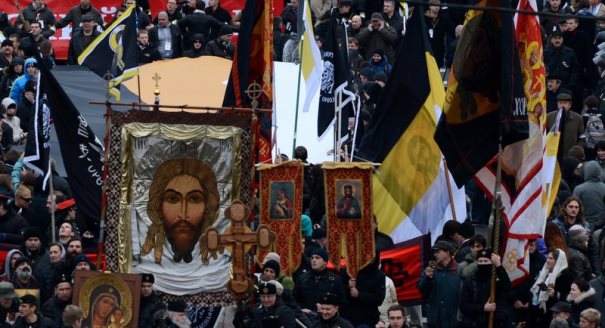
Russia’s secular holidays, except for New Year’s and Victory Day, are more divisive than uniting. Ironically, November 4, dubbed the Day of National Unity, is probably more controversial than any other. To the communists and their sympathizers, it has usurped the slot occupied for decades by November 7, the October Bolshevik revolution anniversary. To the liberals, it marks an ancient victory over a European neighbor, Poland, and celebrates a famous Orthodox icon: a repugnant combination of nationalism and conservatism. Politically, November 4 is best known for its annual “Russian marches” organized by the country’s nationalist movements.
Today, Russia experiences a clear rise of radical nationalism and xenophobia among its ethnic majority population. The backlash against new immigrants from the North Caucasus and Central Asia is a reaction to the absence of a clear government policy on immigration and integration, and to the pervasiveness of official corruption in this sphere. Remarkably, the authorities have so far managed to use the popular protest against their lapses and misdeeds to their own tactical advantage. Yet, they can hardly miss the message: unless post-imperial Russia finds a way to accommodate a plethora of different ethnic and religious groups, it will not be able to exist in its present borders.
Having derided the failure of Europe’s multiculturalism, the Kremlin is now at pains creating its Russian version. Russia’s new educational standard eschews the age-old notion of the “Tatar-Mongol yoke” and talks instead about “a system of dependence of the Russian principalities on the Golden Horde”. Russian national TV programs broadcast features devoted to Muslim festivals. Cultural figures suggest taking a cue from Hollywood and U.S. television series with their careful treatment of racial and ethnic sensitivities. At the same time, Russia, eager to move toward a visa-free regime with the EU, is publicly considering introducing visas for Central Asian visitors.
The problem with this nation-building effort by the Kremlin is that a nation cannot be built from above. Better policies can be developed, modern standards imposed, and visitors’ backgrounds checked, but unless people in Russia begin treating their state as their own, Russia will continue to be a country and a state, but no nation. In the immediate post-communist period, individual strategies worked well for survival and more, but those who have survived and prospered now realize that their rugged individualism is no longer enough. To create a better environment for themselves, they need to reach out to their neighbors, colleagues, and eventually their other compatriots.
Coming together will not be easy. The radicals of all stripes will prize their ideological purity, and refuse to shake hands. However, more moderate forces in the conservative, socialist and liberal camps need to join an ongoing discussion of the future of Russia and their role in it. This should not be a round table between “civil society” and “the authorities”: it is both too late and too early for this. Rather, this should be a dialogue within civil society on what, after all, unites Russians today—in spite of all their differences. All will have to concede something important. The socialists will need to accept the social and economic changes which occurred after 1991, the conservatives will have to open up and wind down the authoritarian “Russian system”, and the liberals will need to embrace the Russian state in which they will be gaining a stake.
The original November 4, four centuries ago, was linked to a broad popular movement led by the aristocracy, financed by the merchants, and inspired by the patriotic clerics. This resulted not only in the liberation of Moscow, and the election of a new czar from the Romanov dynasty, but in the creation of a political system which had an element of popular representation to it. This did not last, and eventually paved the way to increasingly authoritarian rule. One lesson that has to be learned from Russian history is that, unless authoritarian rule is terminated by a self-conscious nation, it will be succeeded by another brand of authoritarianism—or by chaos, which is usually even worse.
Former Director, Carnegie Moscow Center
Trenin was director of the Carnegie Moscow Center from 2008 to early 2022.
Recent Work
Dmitri Trenin
Dmitri Trenin
Carnegie does not take institutional positions on public policy issues; the views represented herein are those of the author(s) and do not necessarily reflect the views of Carnegie, its staff, or its trustees.
Beijing is trying to navigate the overall situation regarding Ukraine, especially the substance of interactions between Washington and Moscow.
Ellen Nakashima, Zhao Long, Pavlo Klimkin, …
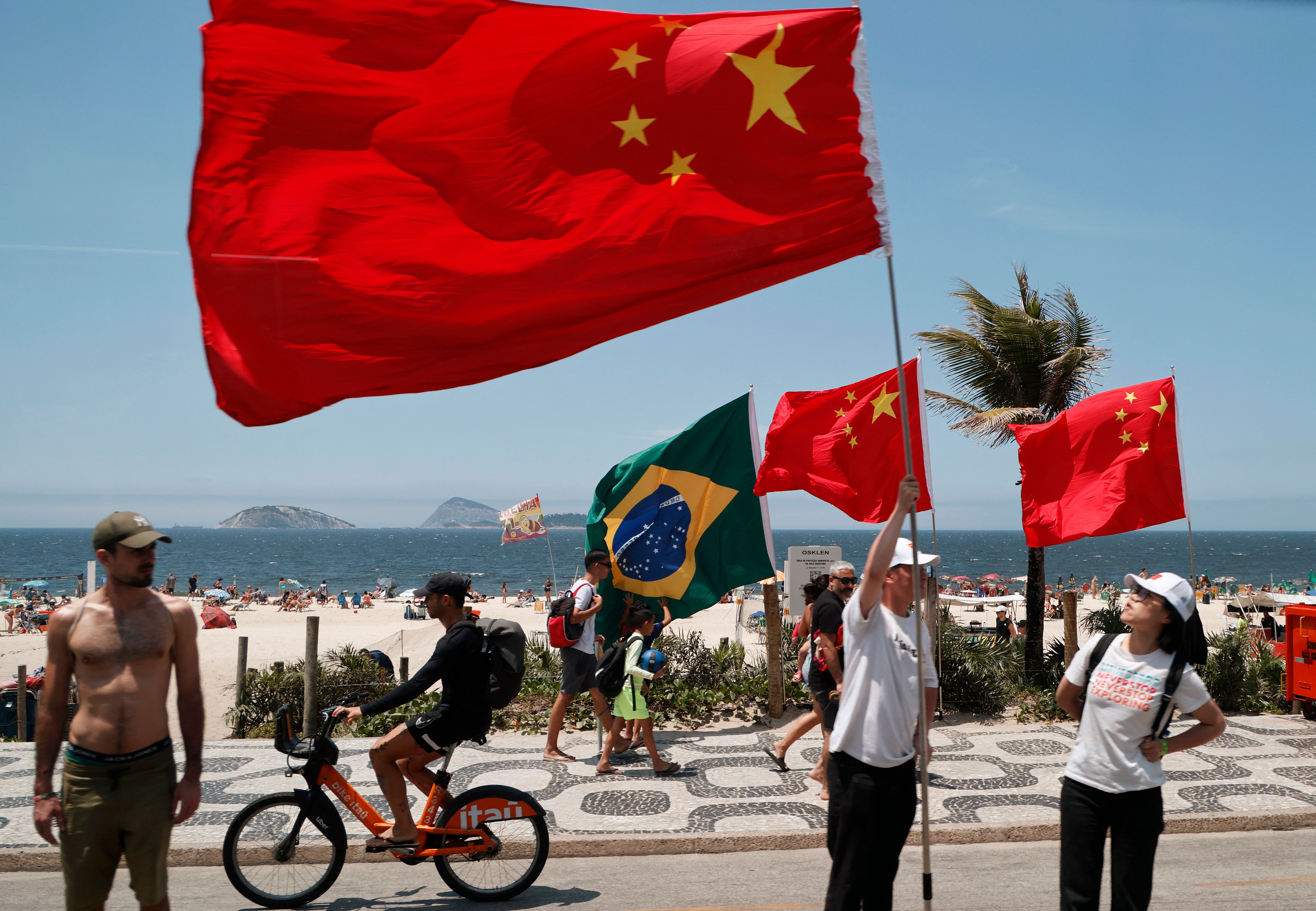
While China will remain a significant political and economic force in the Global South, its ambition to leverage the Global South as a counterbalance to the United States and the Global North is far from assured.

Xue Gong
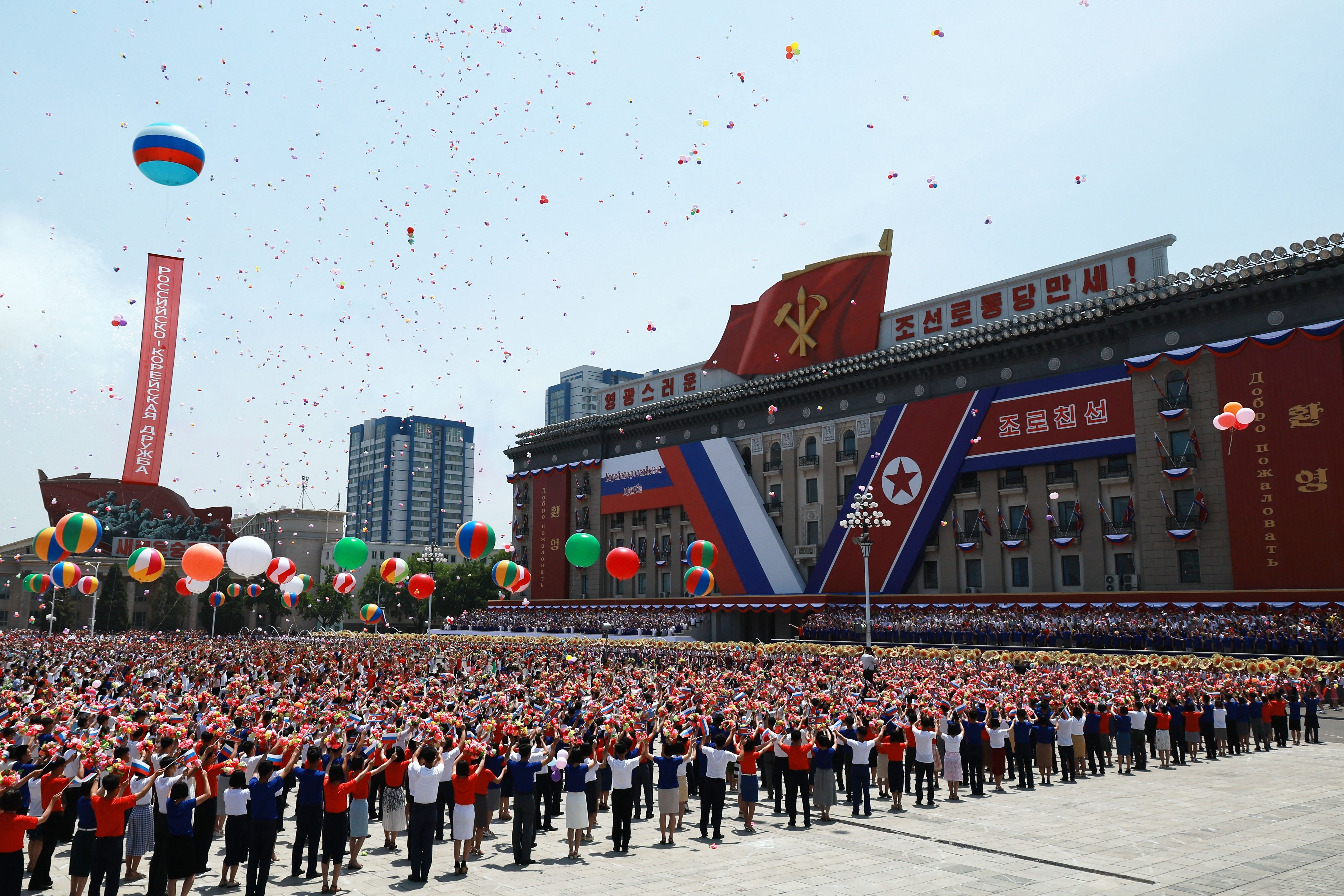
Faced with an increase in strategic maneuvering by Moscow and Pyongyang, Beijing will not sit idly by and allow Putin and Kim to shape the security environment on its behalf.

Tong Zhao
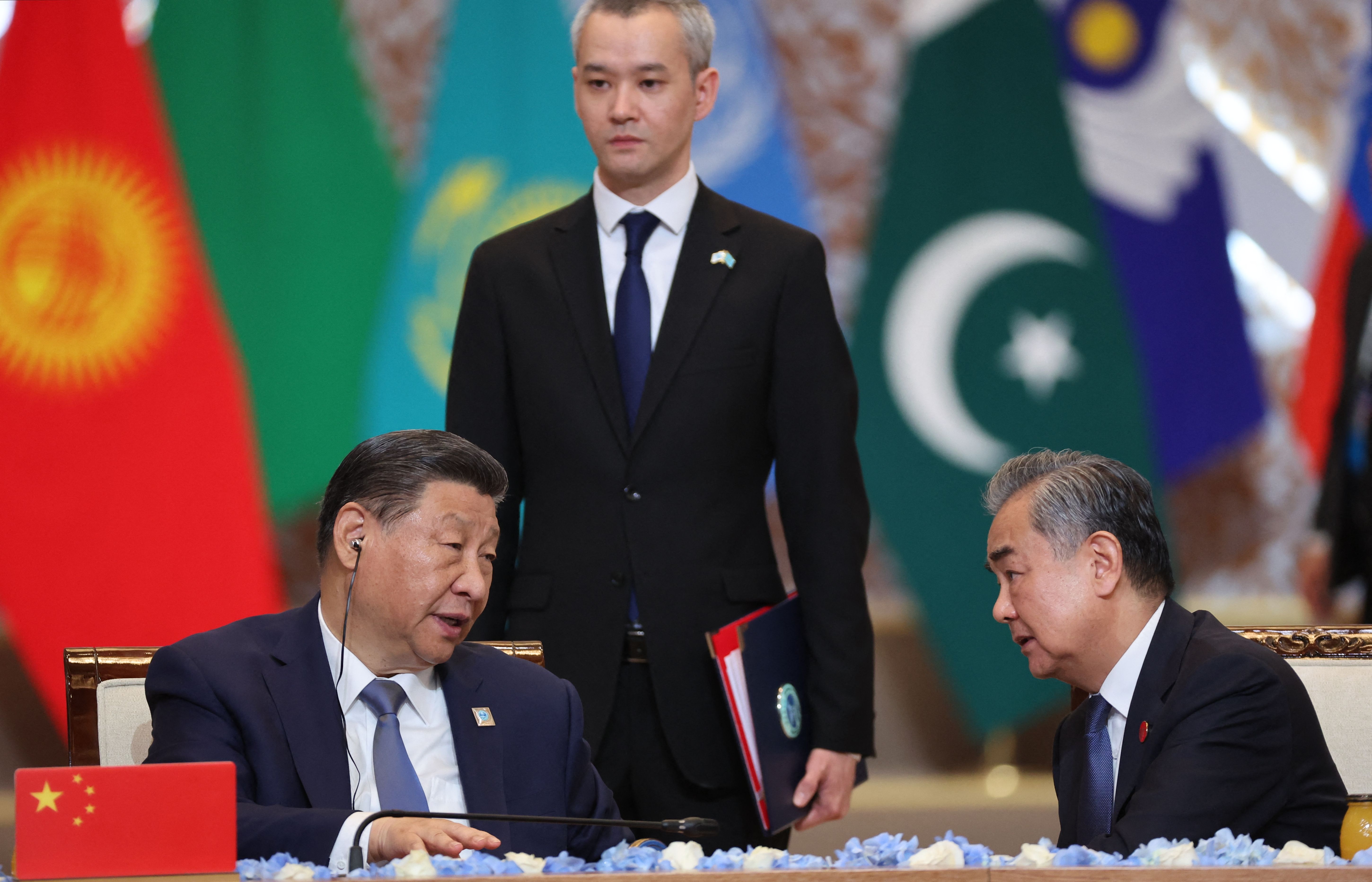
China’s growing attention to Central Asia is perceived as a harbinger of tectonic shifts in regional geopolitics.

Temur Umarov
The Russian invasion of Ukraine is a turning point in the EU-China relationship, and evolution of the China-Russia relationship will continue to impact EU-China relations.
Yifan Ding, Alice Ekman