

Commentary
Dmitri Trenin
{
  "authors": [
    "Dmitri Trenin"
  ],
  "type": "commentary",
  "centerAffiliationAll": "",
  "centers": [
    "Carnegie Endowment for International Peace",
    "Carnegie Russia Eurasia Center"
  ],
  "collections": [],
  "englishNewsletterAll": "",
  "nonEnglishNewsletterAll": "",
  "primaryCenter": "Carnegie Russia Eurasia Center",
  "programAffiliation": "",
  "programs": [],
  "projects": [],
  "regions": [
    "Russia"
  ],
  "topics": [
    "Security"
  ]
}
Source: Getty
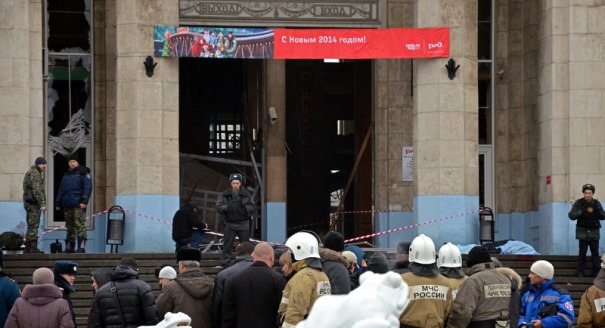
The war the terrorists are waging against Russia is for real, and their threats are not empty. Sochi is probably highest on the terrorists’ hit list, and Moscow is another prime target. However, for the time being, the terrorists have focused on some of the softer targets in the south of Russia.
On Sunday and Monday, suicide bombers struck again in Volgograd. The last time they hit the city on the Volga, last October, they managed to kill six. The grim total of the recent attacks is at least five times as high.
Add the car bombing in Pyatigorsk, where three people died on Friday.
The war the terrorists are waging against Russia is for real, and their threats are not empty. The immediate timing of the blasts is meant to spoil the nation’s New Year’s celebrations, traditionally the height of the festive season in Russia. There is also a clear link to the Winter Olympics, due to begin in Sochi on February 7.
Sochi is probably highest on the terrorists’ hit list. Moscow is another prime target. Disrupting the Games and wreaking havoc in the capital would greatly undermine Russia’s prestige, precisely what the terrorists want.
For the time being, and maybe in preparation for bigger strikes, the terrorists have focused on some of the softer targets in the south of Russia. Soft, but not unimportant. Volgograd, formerly Stalingrad, a symbol of Russia's tragedy and triumph in World War II, has been singled out by the terrorists precisely because of its status in people's minds. Their aim was to hurt Russia’s pride, as well as its people.
As the terrorists kill and maim dozens, their larger aim to terrorize so many others—including those outside Russia, hoping that they will now stay away from the Olympics.
It looks like it will be difficult and trying few weeks, but the trials will not end next February. The Sochi Games will come and go—with the level of security hopefully permitting a safe Olympics—but the war the terrorists are waging against Russia will continue. Be ready for the long haul, but eventually terror will fail.
Former Director, Carnegie Moscow Center
Trenin was director of the Carnegie Moscow Center from 2008 to early 2022.
Recent Work
Dmitri Trenin
Dmitri Trenin
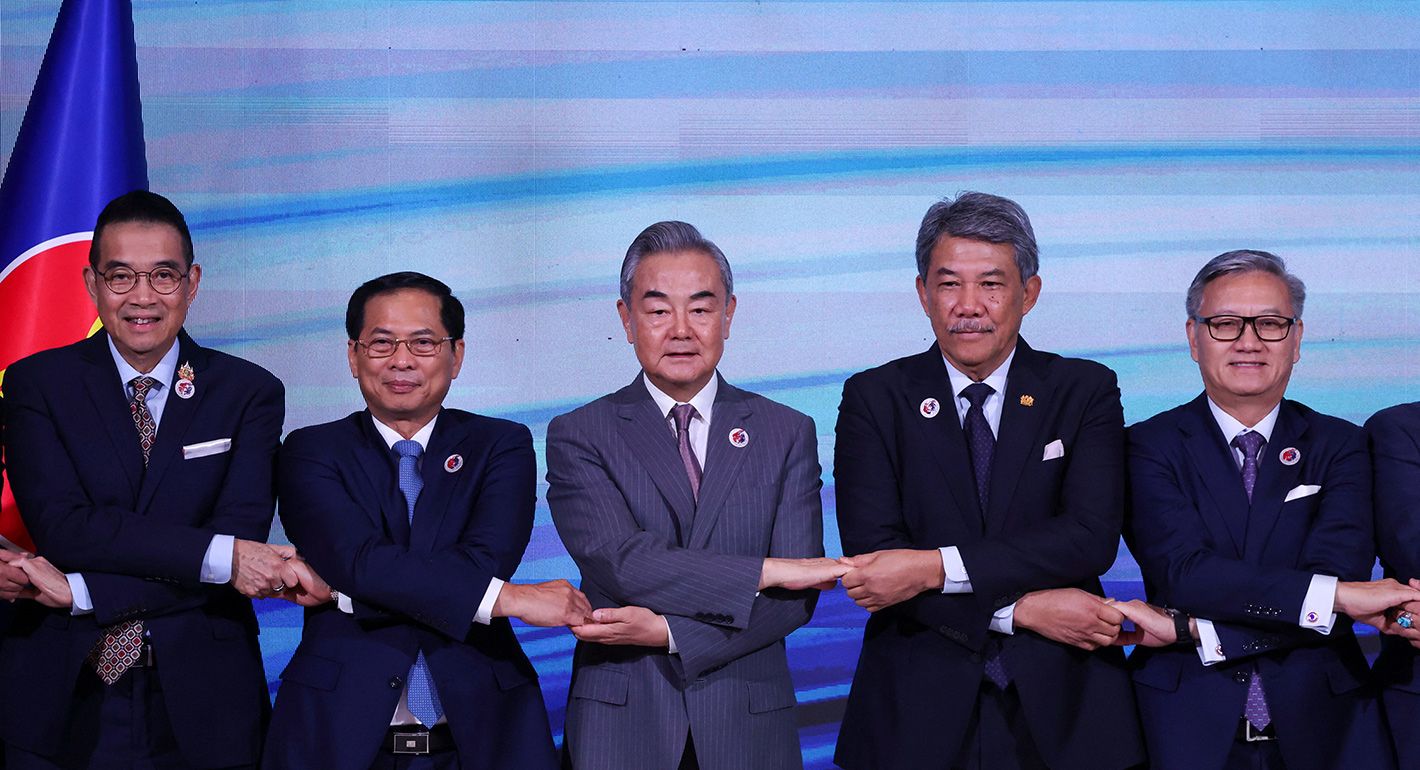
The Thai-Cambodian conflict highlights the limits to China's peacemaker ambition and the significance of this role on Southeast Asia’s balance of power.

Pongphisoot (Paul) Busbarat
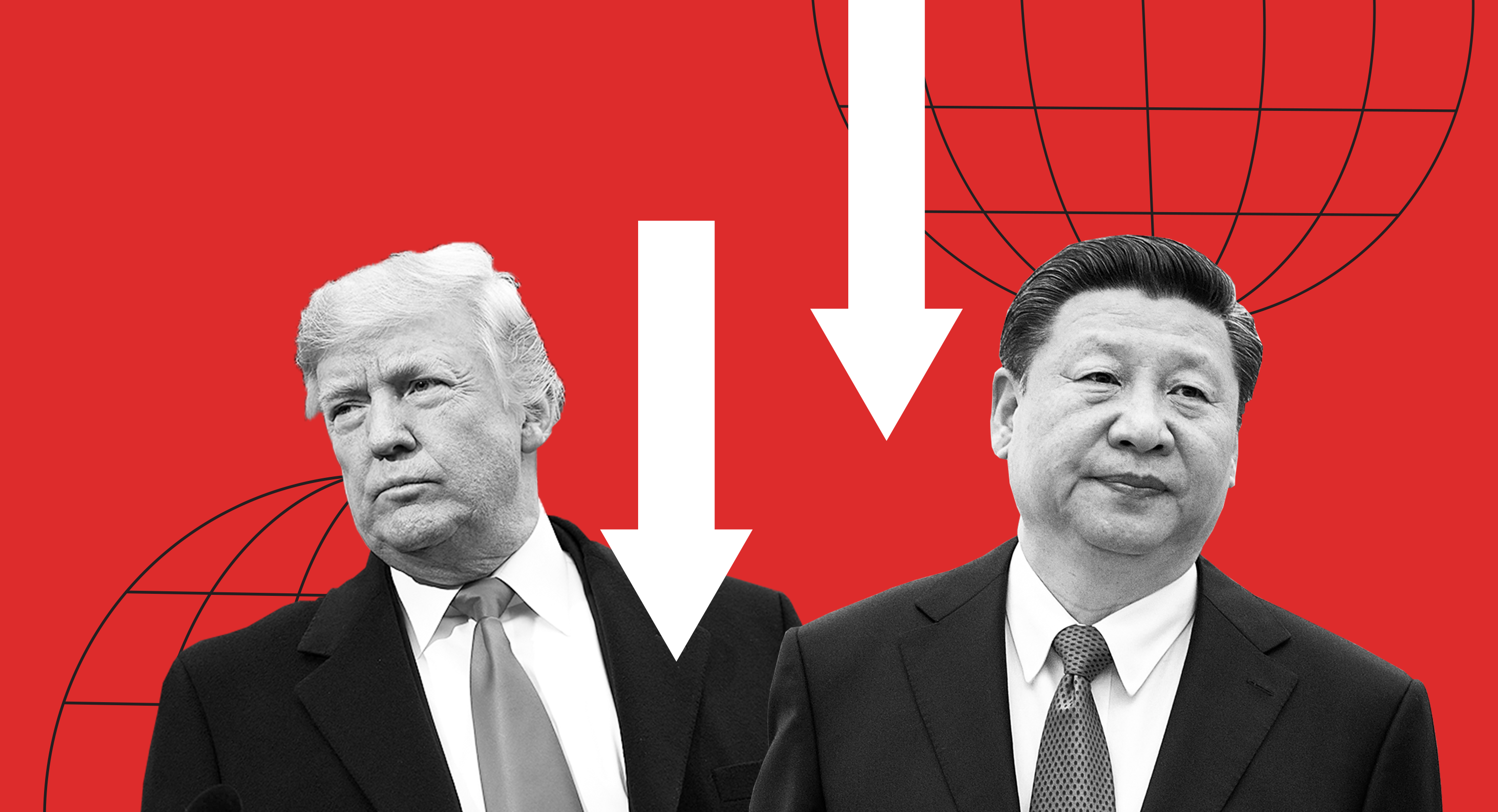
Beijing believes that Washington is overestimating its own leverage and its ability to handle the trade war’s impacts.


Rick Waters, Sheena Chestnut Greitens
Tapping our network of China experts in the region, Carnegie China offers this latest “China Through a Southeast Asian Lens” report to offer preliminary assessments of whether the U.S. effort to reshape the global trading order will lead countries in the region to tilt toward Beijing.



Selina Ho, Khin Khin Kyaw Kyee, Joseph Ching Velasco, …
Beijing is trying to navigate the overall situation regarding Ukraine, especially the substance of interactions between Washington and Moscow.
Ellen Nakashima, Zhao Long, Pavlo Klimkin, …
While China will remain a significant political and economic force in the Global South, its ambition to leverage the Global South as a counterbalance to the United States and the Global North is far from assured.

Xue Gong