

Commentary
In July 2025, Vietnam and China held their first joint army drill, a modest but symbolic move reflecting Hanoi’s strategic hedging amid U.S.–China rivalry.
Nguyễn Khắc Giang
{
  "authors": [
    "Michael Cecire"
  ],
  "type": "commentary",
  "centerAffiliationAll": "",
  "centers": [
    "Carnegie Endowment for International Peace",
    "Carnegie Russia Eurasia Center"
  ],
  "collections": [],
  "englishNewsletterAll": "",
  "nonEnglishNewsletterAll": "",
  "primaryCenter": "Carnegie Endowment for International Peace",
  "programAffiliation": "",
  "programs": [],
  "projects": [
    "Eurasia in Transition"
  ],
  "regions": [
    "Middle East",
    "Türkiye",
    "Iraq",
    "Syria"
  ],
  "topics": [
    "Security",
    "Military"
  ]
}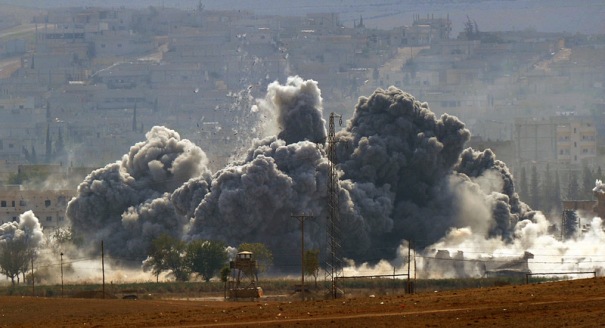
Source: Getty
In isolation, Turkey’s actions in Iraq and Syria appear strategically myopic and potentially self-defeating, but they do accept that even an assured victory against ISIS irregulars could end up empowering the same regime Ankara has pledged to remove from power.
For now, courageous and tenacious Kurdish fighters are holding onto the northern Syrian town of Kobani. Against steep odds, they have staved off major humanitarian catastrophe. Had Kobani fallen, the legacy of the siege would have looked very different. Though Western coalition forces had no expectation of a Turkish intervention on behalf of Kobani’s Kurdish defenders, images of Turkish tanks idly overlooking the city as ISIS fighters launched waves of attacks likely would have defined the enduring narrative if the city had fallen.
Kobani has revealed Turkish policy in Syria to be deeply cynical and confused—if not outright insidious, as some critics allege. Turkey’s passivity at the prospect of a widely expected ISIS slaughter was not only abhorrent from a human rights perspective, but also may have erased years of progress in Turkish-Kurdish relations and consigned the country to another generation of insurgency while alienating potential allies in Kurdish northern Iraq.
Kobani has revealed Turkish policy in Syria to be deeply cynical and confused.Tweet This
The notion that Ankara had no way to find common cause with the Kurdistan Workers Party (PKK)-affiliated People’s Protection Unit (YPG) fighters comprising the bulk of Kobani’s sentinels is dubious. Ankara has expressed few qualms about reframing relations with states and non-state groups to meet its own ends. Examples abound, including the ruling Justice and Development Party’s (AKP) erstwhile engagement with the PKK, the rapid oscillations in Turkish relations with (pre-war) Syria and Iran, and Ankara’s willingness to deal with an assortment of unsavory militant groups in its attempts to defeat Syrian strongman Bashar al Assad’s regime.
However, Turkey’s official explanation for its non-involvement—conditioning anti-ISIS operations on a wider campaign to unseat Assad—has genuine merit and is unduly dismissed by many Western analysts and policymakers. Turkey has been nothing if not consistent on this particular point.
Though the AKP leadership initially painted Western backing of Arab Spring protests as neo-colonial grousing, Ankara pivoted to an openly anti-regime stance as the Syrian protests erupted into country-wide violence. Since that point, Turkey has aggressively pursued a policy of regime change.
Though Turkish fixation on Assad’s departure may seem an unwelcome condition for joining any anti-ISIS coalition, it does make sense. In many ways, Assad’s regime has been an incubating force for ISIS’ dramatic rise from one of many competing Islamist rebel factions in Syria to a sprawling quasi-state and credible global terror threat.
Counter-intuitively, a détente between regime forces and ISIS held for a significant portion of the civil war. Both sides clearly benefited: the regime was able to concentrate its attacks against smaller rebel factions on the population-rich coast; and ISIS was able to expand into the east and south, where it acquired key oil fields, and build the rudiments of a functioning quasi-state. The regime’s overall strategy was as clear as it was cynical—eliminate the smaller, more moderate non-ISIS factions, which would eventually force the West to choose between the regime and ultra-radical ISIS. The fruits of this strategy are already playing out as politicians and pundits in the United States and Europe mistakenly call for alliances of convenience with Assad and Iran in order to combat ISIS. A credible explanation for the recently-discovered, mysterious Russian spy station in Syria is that Russian operatives were helping their Syrian allies to prosecute just such a divide-and-conquer strategy.
Almost by definition, a coalition war restricted to fighting ISIS would only grant regime forces further license to seek and destroy non-ISIS rebel brigades, including more moderate formations that could represent legitimate alternatives to Assad. Meanwhile, Turkey, with ISIS-held territory sitting along much of the Turkish border, would likely bear the brunt of the heaviest fighting and terrorism. Downstream, a victory for regime forces could lead to an even frostier spell between an unforgiving Syria and Turkey, particularly if the Syrian regime returns to its tried-and-true practice of sheltering anti-Turkish Kurdish militants.
In isolation, Turkey’s actions in Iraq and Syria appear strategically myopic and potentially self-defeating, but they do accept that even an assured victory against ISIS irregulars could end up empowering the same regime Ankara has pledged to remove from power. Ultimately, the war against ISIS is inextricably linked to the war against the Assad regime, making its difficult to launch a war against one but not the other. This does not excuse Turkey for the bystander role it played in the Kobani siege, but it does add much-needed context regarding the Turkish reluctance to be more deeply and quickly involved in the Syrian civil war.
Michael Cecire is a Black Sea regional analyst and co-editor of “Georgian Foreign Policy: The Quest for Sustainable Security."
Michael Cecire
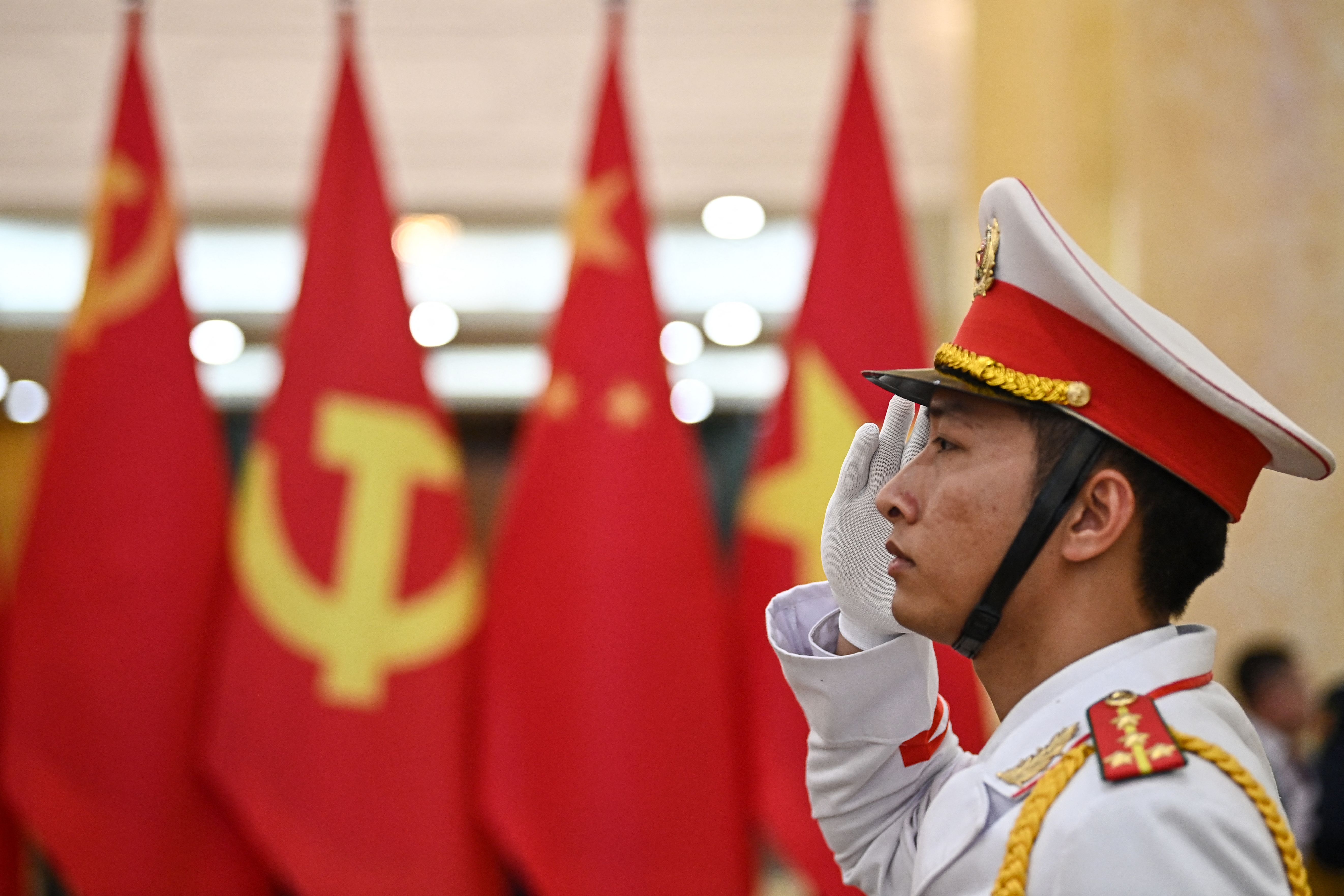
In July 2025, Vietnam and China held their first joint army drill, a modest but symbolic move reflecting Hanoi’s strategic hedging amid U.S.–China rivalry.

Nguyễn Khắc Giang
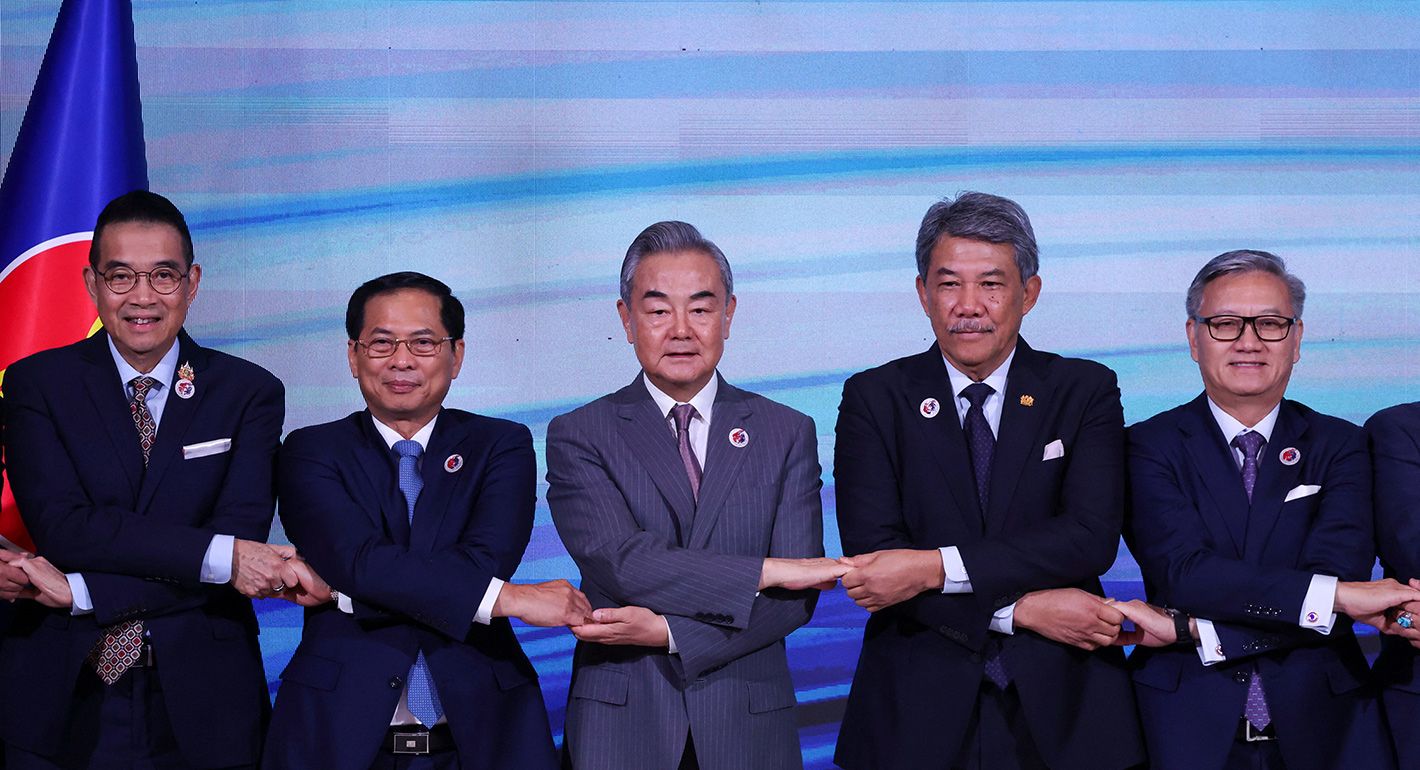
The Thai-Cambodian conflict highlights the limits to China's peacemaker ambition and the significance of this role on Southeast Asia’s balance of power.

Pongphisoot (Paul) Busbarat

Beijing believes that Washington is overestimating its own leverage and its ability to handle the trade war’s impacts.


Rick Waters, Sheena Chestnut Greitens
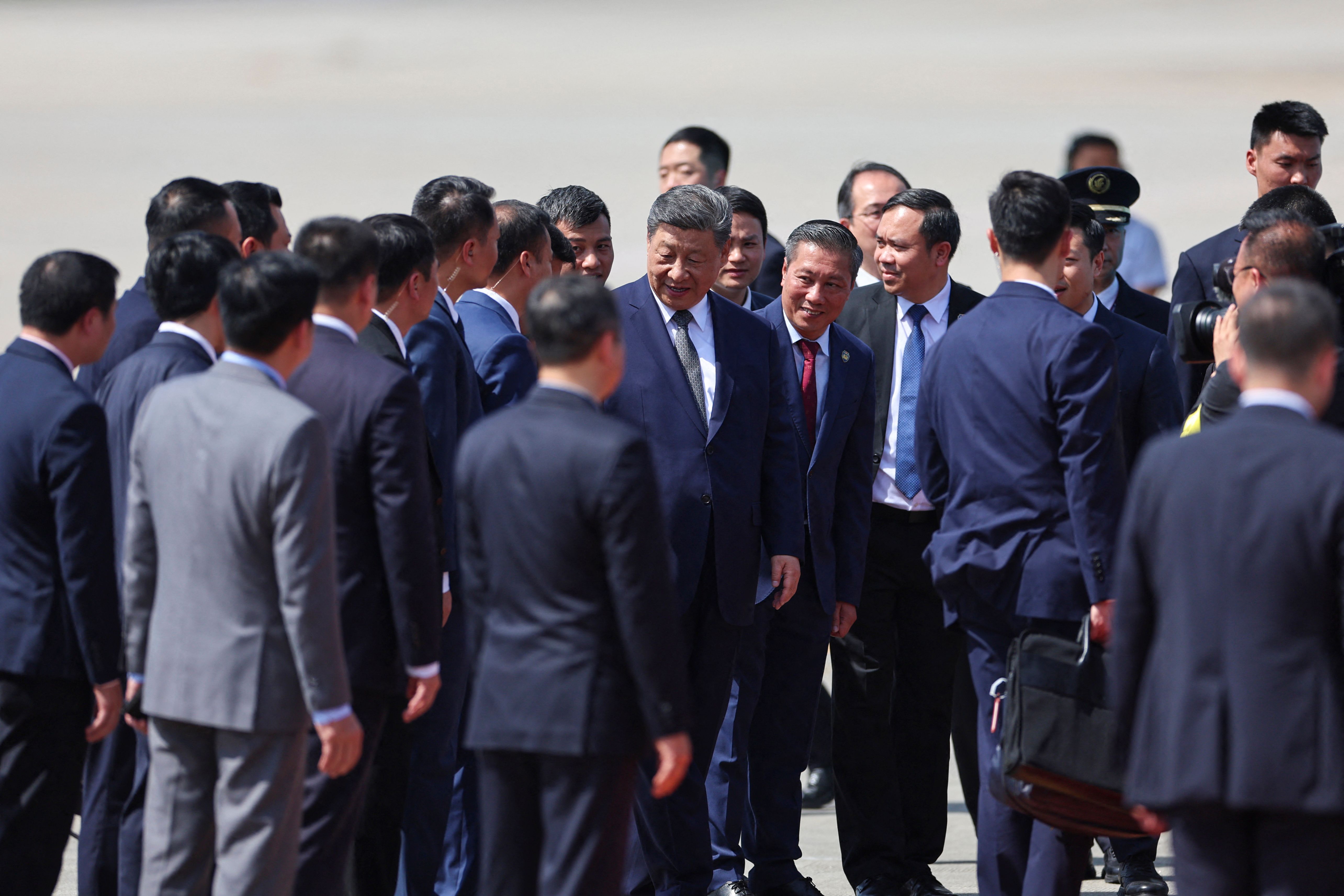
Tapping our network of China experts in the region, Carnegie China offers this latest “China Through a Southeast Asian Lens” report to offer preliminary assessments of whether the U.S. effort to reshape the global trading order will lead countries in the region to tilt toward Beijing.



Selina Ho, Khin Khin Kyaw Kyee, Joseph Ching Velasco, …
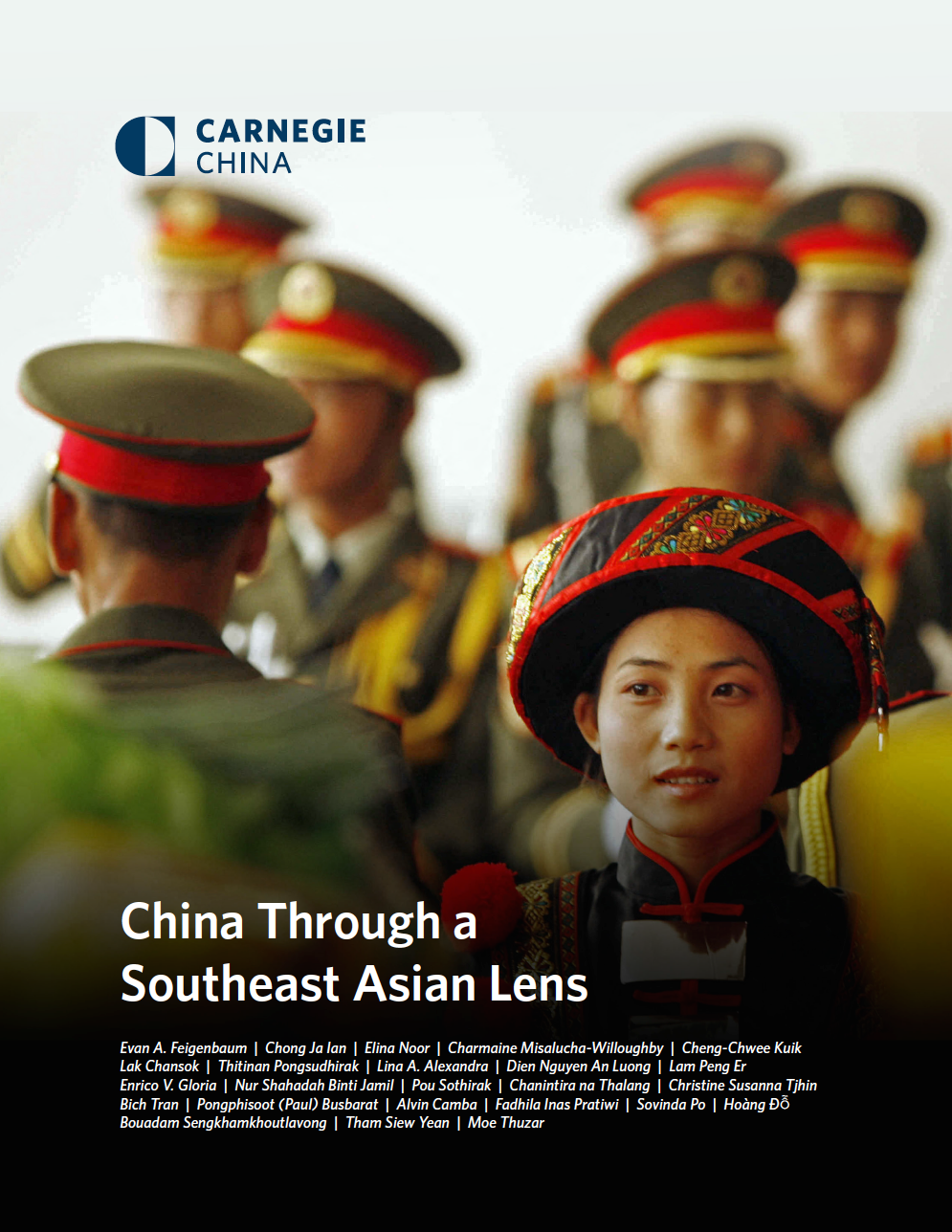
Because strategic, economic, and ideological perceptions of China contain multiple, sometimes contradictory facets in Southeast Asia, receptions of and responses to Beijing diverge across and within state lines.



Evan A. Feigenbaum, Chong Ja Ian, Elina Noor