

Article
Frederic Wehrey, Charles H. Johnson
{
  "authors": [
    "Frederic Wehrey"
  ],
  "type": "legacyinthemedia",
  "centerAffiliationAll": "dc",
  "centers": [
    "Carnegie Endowment for International Peace",
    "Malcolm H. Kerr Carnegie Middle East Center"
  ],
  "collections": [],
  "englishNewsletterAll": "menaTransitions",
  "nonEnglishNewsletterAll": "",
  "primaryCenter": "Carnegie Endowment for International Peace",
  "programAffiliation": "MEP",
  "programs": [
    "Middle East"
  ],
  "projects": [],
  "regions": [
    "Middle East",
    "Iraq",
    "Syria",
    "Gulf",
    "Levant"
  ],
  "topics": [
    "Political Reform",
    "Security"
  ]
}
Source: Getty
Empowering local partners on the ground is going to be a long-term challenge.
Source: BBC World
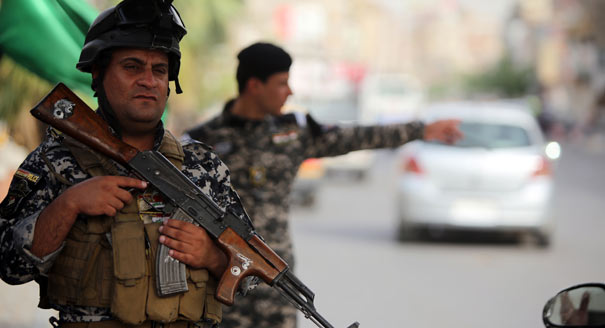
Speaking on BBC World, Carnegie’s Frederic Wehrey discussed U.S. President Barack Obama’s recent meeting with the defense ministers of the more than twenty countries taking part in the coalition against the Islamic State. While the members of the coalitions have their own interests and in some cases use their participation as leverage, Wehrey said the purpose of the meeting is to forge a common strategy and vision behind the anti-IS campaign.
He argued that the situation on the ground is going to be a long-term challenge of empowering local partners. American officials are focused on the Iraqi theater of operations because it is the most alarming in terms of the advances by the IS. “There is a partner there that can be worked with,” Wehrey argued, “they’re trying to shore up the Iraqi security forces, they’re trying to advise them, equip them, they’re trying to co-opt the Sunni tribes so that’s really where the focus has to be in terms of stopping this advance.”
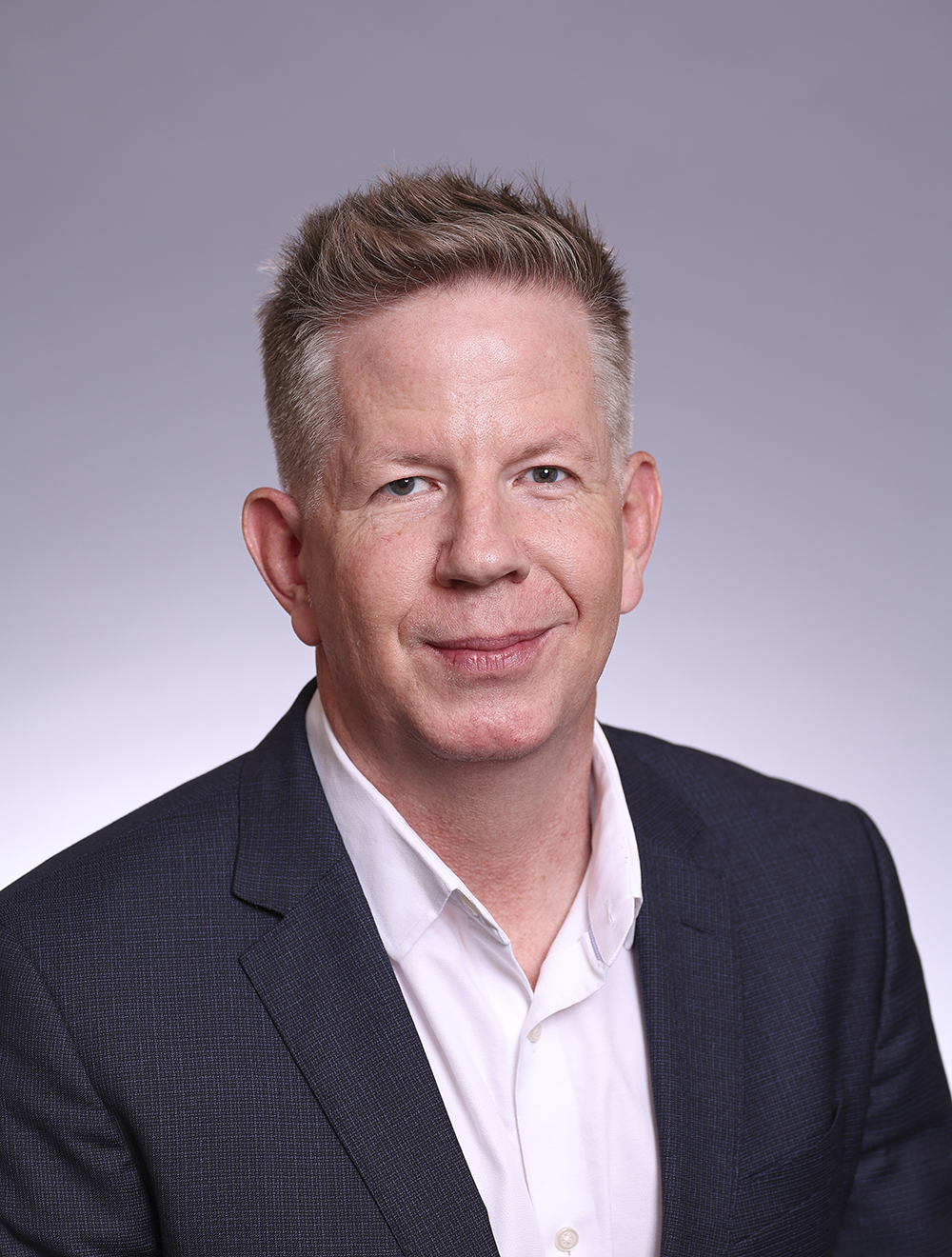
Senior Fellow, Middle East Program
Frederic Wehrey is a senior fellow in the Middle East Program at the Carnegie Endowment for International Peace, where his research focuses on governance, conflict, and security in Libya, North Africa, and the Persian Gulf.
Recent Work
Frederic Wehrey, Charles H. Johnson
Frederic Wehrey, Charles H. Johnson
Carnegie does not take institutional positions on public policy issues; the views represented herein are those of the author(s) and do not necessarily reflect the views of Carnegie, its staff, or its trustees.

China’s political future will be shaped between now and next October. As the Communist Party enters its intense “campaign season” to prepare for a major political transition in 2027, reading Beijing's actions and responses may become more difficult as domestic politics weigh on its behavior more than usual.

Damien Ma

The Thai-Cambodian conflict highlights the limits to China's peacemaker ambition and the significance of this role on Southeast Asia’s balance of power.

Pongphisoot (Paul) Busbarat

Beijing believes that Washington is overestimating its own leverage and its ability to handle the trade war’s impacts.


Rick Waters, Sheena Chestnut Greitens
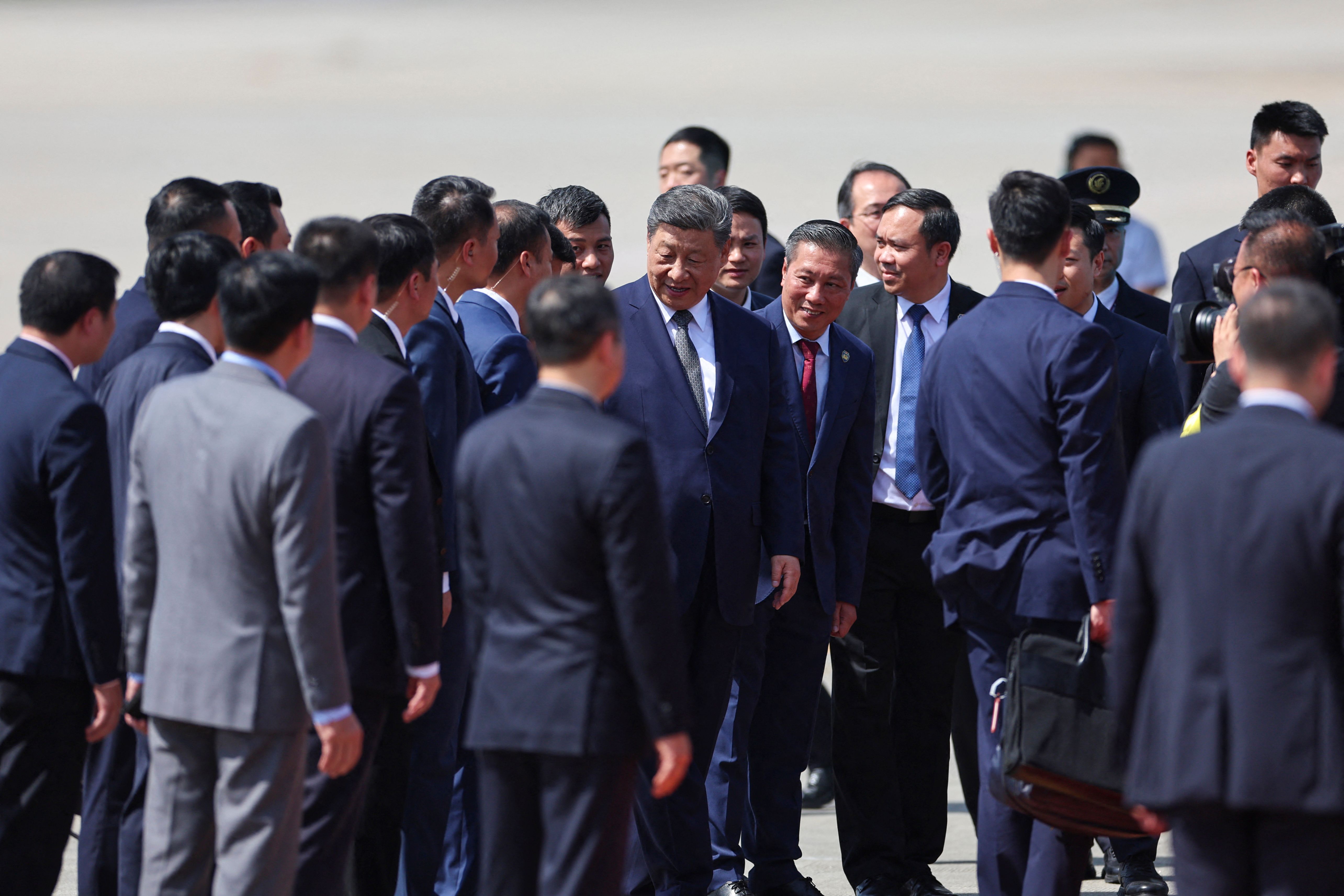
Tapping our network of China experts in the region, Carnegie China offers this latest “China Through a Southeast Asian Lens” report to offer preliminary assessments of whether the U.S. effort to reshape the global trading order will lead countries in the region to tilt toward Beijing.


Selina Ho, Khin Khin Kyaw Kyee, Joseph Ching Velasco, …
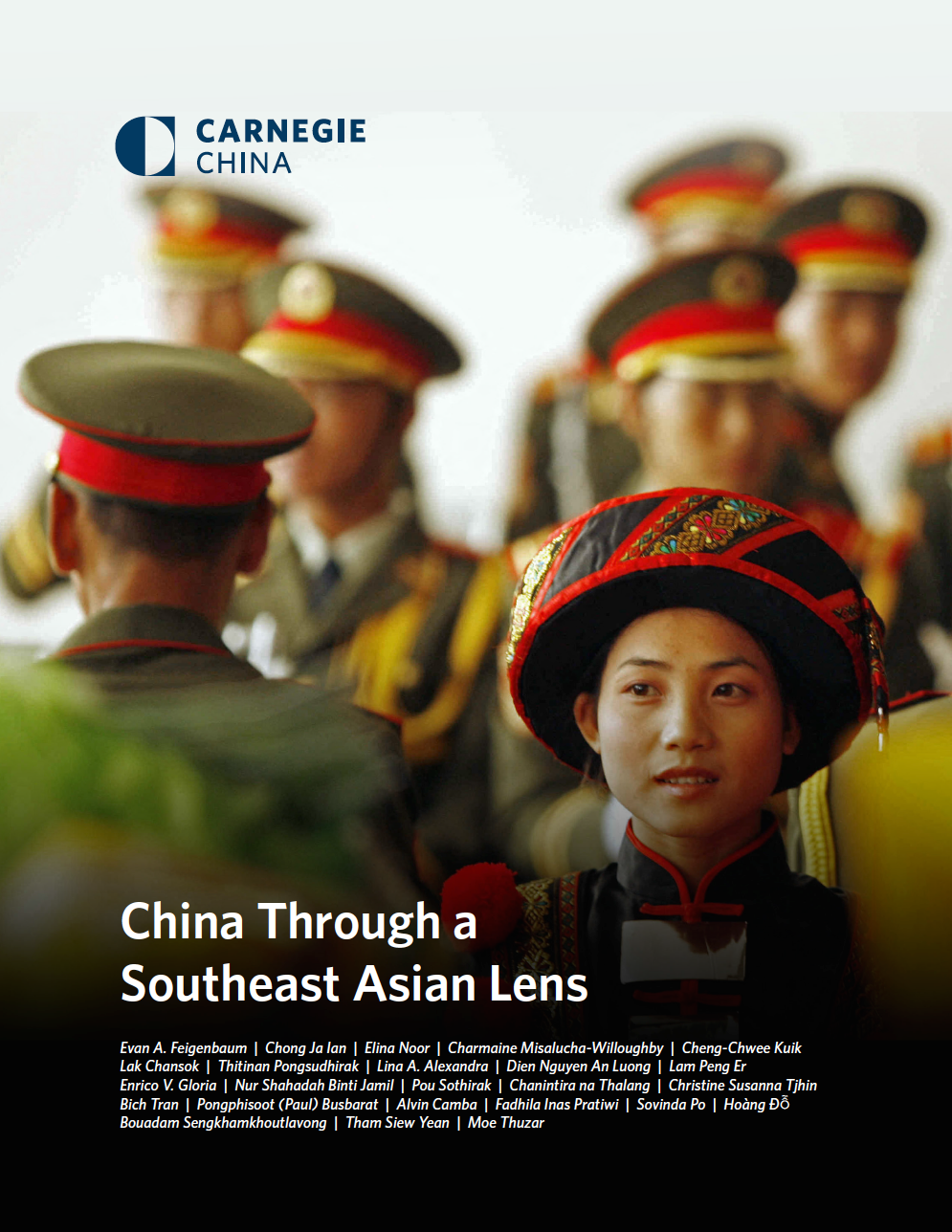
Because strategic, economic, and ideological perceptions of China contain multiple, sometimes contradictory facets in Southeast Asia, receptions of and responses to Beijing diverge across and within state lines.



Evan A. Feigenbaum, Chong Ja Ian, Elina Noor