

Research
- +5
Alper Coşkun, Fatih Ceylan, Tacan İldem, …
{
  "authors": [
    "Sinan Ülgen"
  ],
  "type": "legacyinthemedia",
  "centerAffiliationAll": "dc",
  "centers": [
    "Carnegie Endowment for International Peace",
    "Carnegie Europe",
    "Malcolm H. Kerr Carnegie Middle East Center"
  ],
  "collections": [
    "Turkey’s Transformation",
    "Europe’s Southern Neighborhood"
  ],
  "englishNewsletterAll": "menaTransitions",
  "nonEnglishNewsletterAll": "",
  "primaryCenter": "Carnegie Europe",
  "programAffiliation": "MEP",
  "programs": [
    "Middle East",
    "Europe"
  ],
  "projects": [],
  "regions": [
    "Middle East",
    "Europe",
    "Türkiye",
    "Iran",
    "Syria"
  ],
  "topics": [
    "Security"
  ]
}
Source: Getty
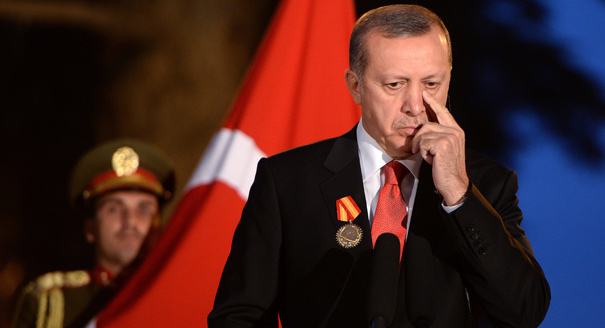
Amid multiple security spillovers from the Syrian crisis, Turkish public opinion is becoming less supportive of Ankara’s ambitious agenda to champion regime change in Syria.
Source: World Politics Review
Turkey recently announced that only Syrian refugees would be allowed to cross the border to fight against the so-called Islamic State (IS) in the besieged town of Kobani. In an email interview, Sinan Ülgen, a visiting scholar at Carnegie Europe, discussed domestic influences on Turkey’s Syria policy.
Ülgen: The Turkish business community has not really been a factor shaping the government’s Syria policy. In previous years, when the relationship with Damascus was markedly warmer, companies in Turkey’s southeast profited significantly from this rapprochement. Border trade was increasing, and many Syrians were traveling to Turkey for shopping, tourism and even medical care. Now this positive dynamic has ended. Turkey’s overall exports to Syria have fallen by 40 percent. But the severity of the political tension between Ankara and Damascus does not allow the business community to play a role in shaping policy.
Ülgen: Turkey’s Kurds have recently staged violent street protests to express their dissatisfaction with what they perceive to be the inaction of the Turkish government in the face of IS’s siege of Kobani in Syria. The Peoples’ Democratic Party (HDP), the political representative of Turkey’s Kurds, even threatened to pull out of ongoing peace negotiations with the government. They are intent on using the leverage provided by the negotiations to get the Turkish government to adopt a more interventionist stance on Kobani.
But so far Ankara has resisted this pressure. For Ankara, ensuring U.S. support for the regime change agenda in Syria is more important. That is the reasoning behind calls for setting up safe havens to be backed by a no-fly zone within Syria. Another factor shaping Ankara’s decision-making is the perceived affinity of the Kurdish faction in Syria toward the Assad regime. Ankara wants the Rojava, or Syrian Kurdistan, administration to break away from Assad and take part in the anti-Assad coalition.
This interview was originally published on World Politics Review.

Senior Fellow, Carnegie Europe
Sinan Ülgen is a senior fellow at Carnegie Europe in Brussels, where his research focuses on Turkish foreign policy, transatlantic relations, international trade, economic security, and digital policy.
Recent Work

Alper Coşkun, Fatih Ceylan, Tacan İldem, …

The Thai-Cambodian conflict highlights the limits to China's peacemaker ambition and the significance of this role on Southeast Asia’s balance of power.

Pongphisoot (Paul) Busbarat

Beijing believes that Washington is overestimating its own leverage and its ability to handle the trade war’s impacts.


Rick Waters, Sheena Chestnut Greitens
Tapping our network of China experts in the region, Carnegie China offers this latest “China Through a Southeast Asian Lens” report to offer preliminary assessments of whether the U.S. effort to reshape the global trading order will lead countries in the region to tilt toward Beijing.


Selina Ho, Khin Khin Kyaw Kyee, Joseph Ching Velasco, …
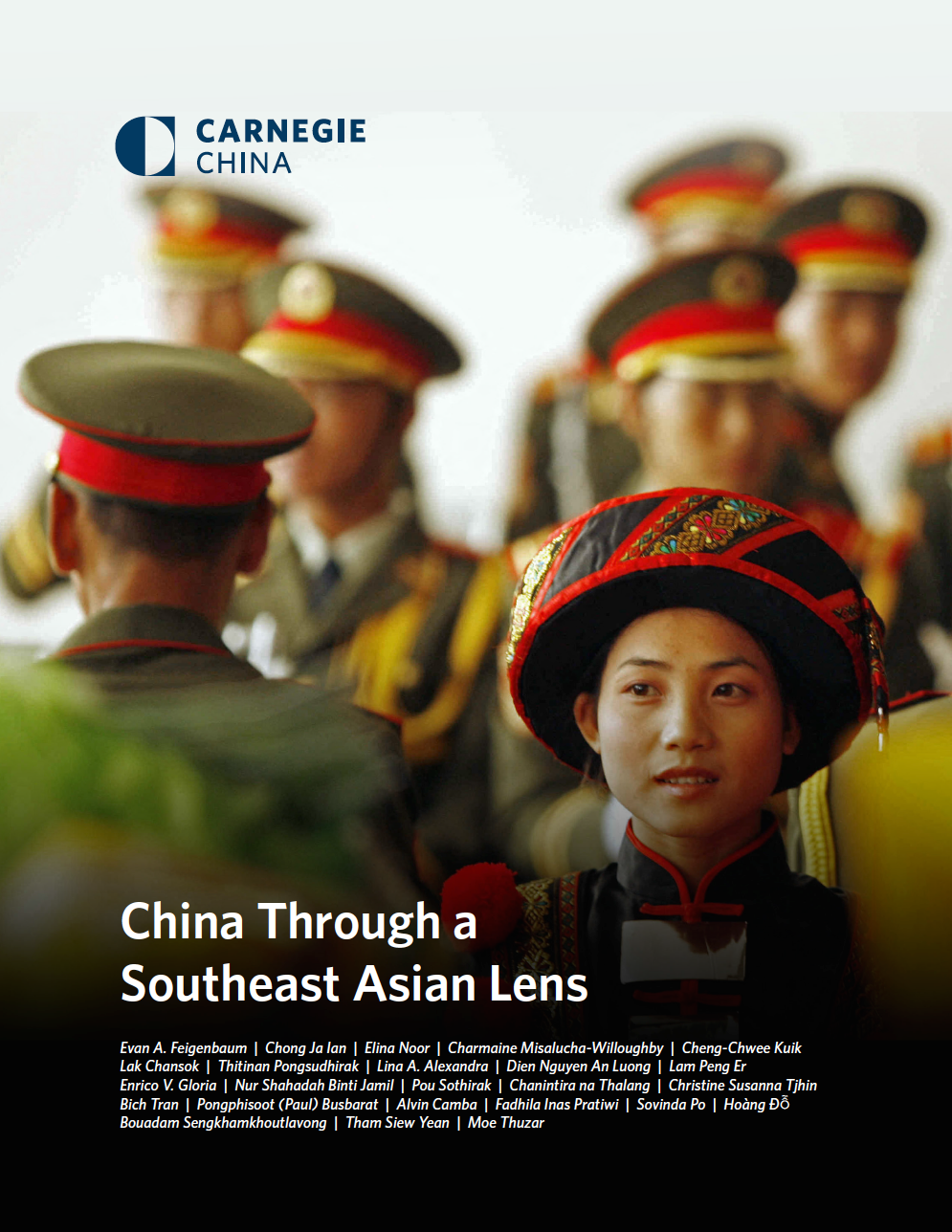
Because strategic, economic, and ideological perceptions of China contain multiple, sometimes contradictory facets in Southeast Asia, receptions of and responses to Beijing diverge across and within state lines.



Evan A. Feigenbaum, Chong Ja Ian, Elina Noor
Most Southeast Asian states behave as if the actions of their Northeast Asian neighbors and the Philippines will be sufficient to maintain a regional status quo from which they can benefit.
Chong Ja Ian