

Article
C. Raja Mohan, Darshana M. Baruah
{
  "authors": [
    "C. Raja Mohan"
  ],
  "type": "legacyinthemedia",
  "centerAffiliationAll": "dc",
  "centers": [
    "Carnegie Endowment for International Peace",
    "Carnegie India"
  ],
  "collections": [],
  "englishNewsletterAll": "ctw",
  "nonEnglishNewsletterAll": "",
  "primaryCenter": "Carnegie India",
  "programAffiliation": "SAP",
  "programs": [
    "South Asia"
  ],
  "projects": [],
  "regions": [
    "South Asia",
    "India"
  ],
  "topics": [
    "Economy",
    "Trade",
    "Foreign Policy"
  ]
}
Source: Getty
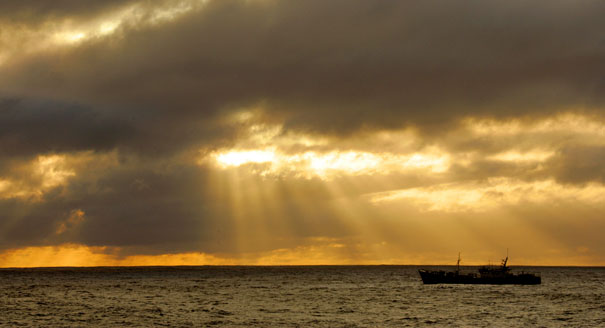
Indian External Affairs Minister Sushma Swaraj’s recent visits to Mauritius and Maldives should help Delhi recognize the urgency of getting its act together in the maritime neighborhood.
Source: Indian Express
The External Affairs Minister Sushma Swaraj’s travels across the Indian Ocean this week, to Mauritius and Maldives, should help Delhi recognise the urgency of getting its act together in the maritime neighbourhood.
As a rising China reshapes the geopolitics of the Indian Ocean, India’s natural geographic and strategic primacy is no longer assured. As the world’s second largest economy, and soon to be the first, China’s interests in the Indian Ocean are growing. Beijing must, therefore, be expected to secure them purposefully. China’s growing naval power and its vigorous maritime diplomacy are doing precisely that.
No wonder China’s economic and strategic profile is rising among the island states that straddle the sea lines of communication in the Indian Ocean. The strategic location of these island states has always made them critical for military power projection by extra-regional actors.That the NDA government was conscious of the impact of China’s rise on its neighbourhood was evident in prime minister designate Narendra Modi’s decision to invite all member countries of the South Asian Association of Regional Cooperation to attend the his swearing in ceremony at the end of May.
There was one surprising addition to the guest list—the Prime Minister of Mauritius that is not a member of the SAARC forum. The invitation to Navin Ramgoolam underscored Delhi’s strategic imagination of Mauritius as a very special neighbour of India.
If Swaraj put Dhaka and Kathmandu at the top of her travel schedule, Prime Minister Narendra Modi chose Bhutan and Nepal as the first destinations for his bilateral visits abroad. Swaraj’s visit to Port Louis and Male is an integral part of the government’s “neighbours first” foreign policy.
Despite the acute awareness of the Chinese quest for strategic influence in both Maldives and Mauritius, Delhi has dropped the ball on both countries during the UPA years. The big question now is whether the NDA government could put the two relationships back on track.
Modi’s predecessor, Dr. Manmohan Singh had no problem recognising the growing strategic significance of the Indian Ocean. The UPA government activated the moribund regional framework for the Indian Ocean, now known as the IORA, expanded the scope of the biennial ‘Milan’ naval exercises in the Bay of Bengal, and launched new security initiatives like the Indian Ocean Naval Symposium.
Delhi had also begun to intensify its bilateral security cooperation with key countries in the littoral and set up new trilateral forums like the one on maritime domain awareness between India, Sri Lanka and the Maldives.
The problem was that the demand for security cooperation with India far outstripped the UPA government’s capacity to supply it. Worse still the lack of internal coherence within the UPA government meant, Delhi was prone to score self-goals.
As the finance ministry adopted a confrontational approach towards Mauritius on tax related issues, Delhi could not organise a more balanced and productive approach that took into account to India’s multiple security interests there and resolved issues through a quiet negotiation.
In the internal political struggles that unfolded in Maldives in recent years, India’s has erred backing the wrong political horses. Male today feels emboldened to throw out Indian companies and play the China card against Delhi.
For nearly a decade now, China has been knocking on the doors of the Indian Ocean island states seeking greater strategic cooperation. President Hu Jintao concluded his two trips to Africa in 2007 and 2009 with visits to Seychelles and Mauritius respectively. His successor Xi Jinping in September stopped over in Male and Colombo. Besides laying the foundation for a deeper economic cooperation, Xi announced China’s plans for stronger defence ties with both countries.
For too long, Delhi has taken for granted its centrality in the Indian Ocean littoral and its long-standing strategic relationships with island states like Seychelles, Mauritius, Maldives and Sri Lanka. It is now up to the Modi government to develop a vigorous strategy that responds to India’s new maritime imperatives in the Indian Ocean.
This article was originally published in the Indian Express.
Former Nonresident Senior Fellow, Carnegie India
A leading analyst of India’s foreign policy, Mohan is also an expert on South Asian security, great-power relations in Asia, and arms control.
Recent Work

C. Raja Mohan, Darshana M. Baruah


Alexander Gabuev, Paul Haenle, C. Raja Mohan, …
Carnegie does not take institutional positions on public policy issues; the views represented herein are those of the author(s) and do not necessarily reflect the views of Carnegie, its staff, or its trustees.
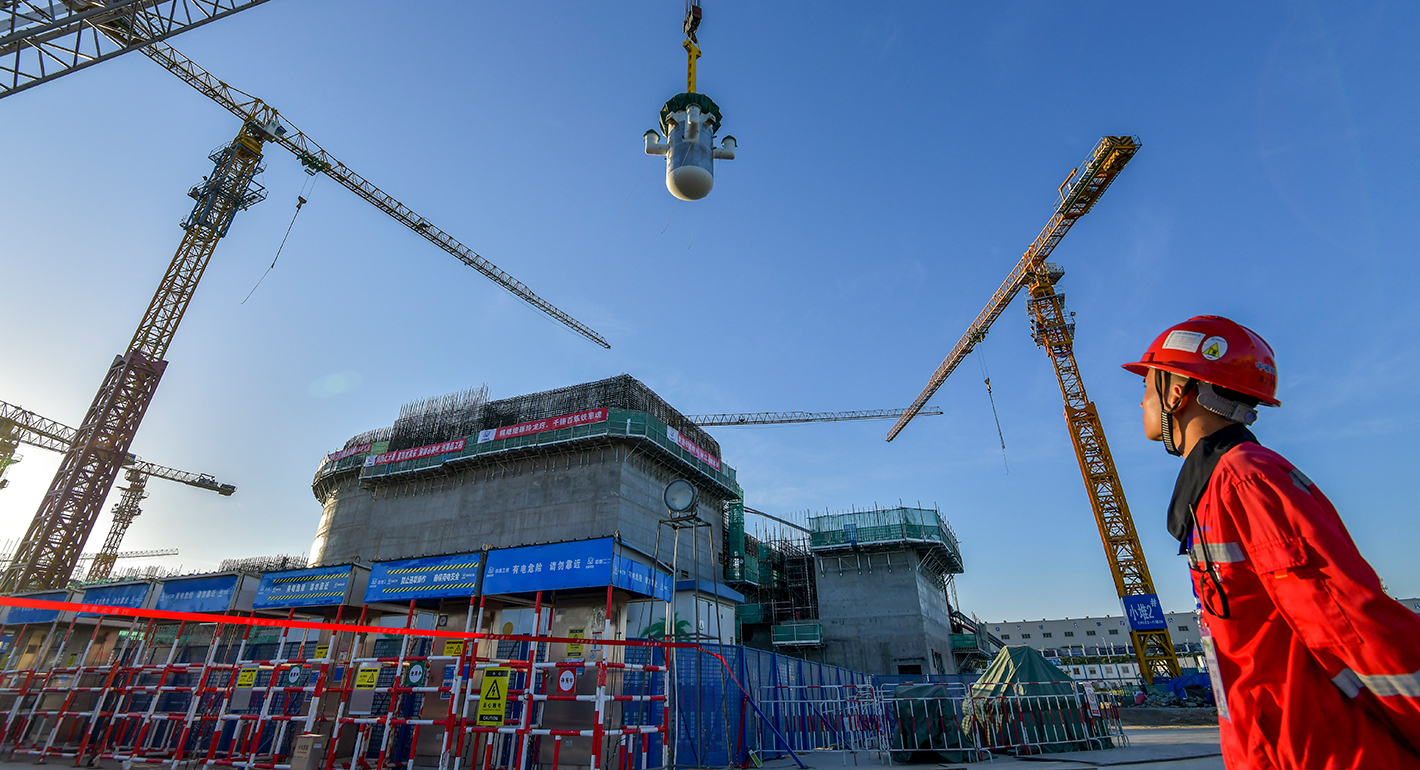
China has showcased its engineering prowess with small modular reactor demonstration projects. But turning these technological achievements into commercial success will be a greater challenge.

Tong Zhao

The Plaza Accord was not an externally imposed punishment of Japan but part of a broader restructuring that Japanese economists and policymakers themselves recognized was necessary. Its effects were undermined, however, when Tokyo responded to the resulting slowdown with policies that exacerbated investment, credit expansion, and the very imbalances the adjustment was intended to resolve.

Michael Pettis
China’s banking crisis in the 2000s was resolved by transferring the costs to households through financial repression—a decision that recapitalized the banks while exacerbating the structural imbalances that continue to shape the Chinese economy today.
Michael Pettis
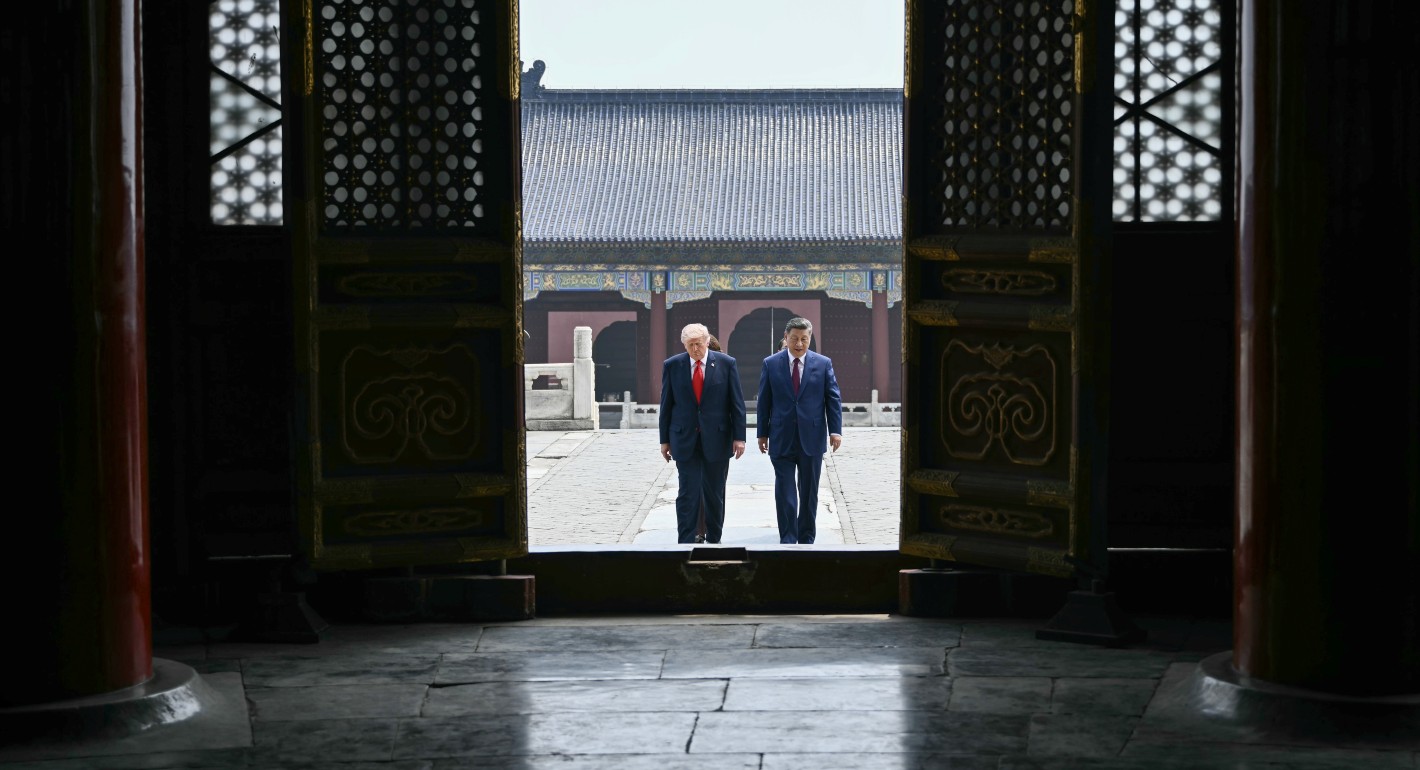
But their "principal to principal" model will only be as effective as the political strength of each leader back home.

Damien Ma
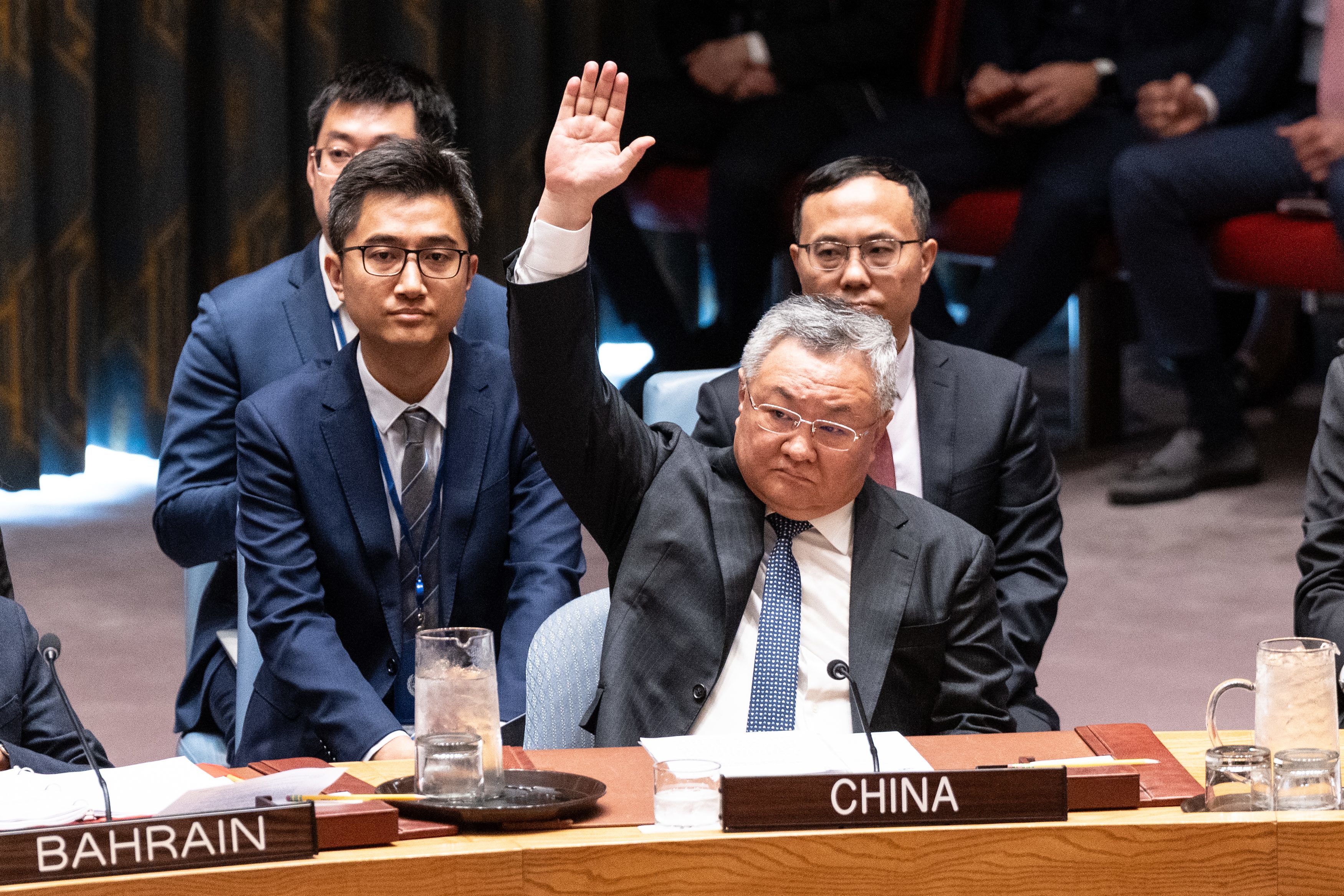
U.S. unpredictability has allowed China to capitalize on its positioning as the “responsible great power”. Paradoxically, the more China wins the perception game, the more likely expectations will rise for Beijing to deliver not just words but to demonstrate with its deeds.

Chong Ja Ian