

In The Media
Lina Khatib
{
  "authors": [
    "Lina Khatib"
  ],
  "type": "legacyinthemedia",
  "centerAffiliationAll": "dc",
  "centers": [
    "Carnegie Endowment for International Peace",
    "Malcolm H. Kerr Carnegie Middle East Center"
  ],
  "collections": [],
  "englishNewsletterAll": "menaTransitions",
  "nonEnglishNewsletterAll": "",
  "primaryCenter": "Malcolm H. Kerr Carnegie Middle East Center",
  "programAffiliation": "MEP",
  "programs": [
    "Middle East"
  ],
  "projects": [],
  "regions": [
    "Gulf",
    "Levant",
    "Jordan",
    "Middle East",
    "Syria"
  ],
  "topics": [
    "Political Reform",
    "Security"
  ]
}
Source: Getty
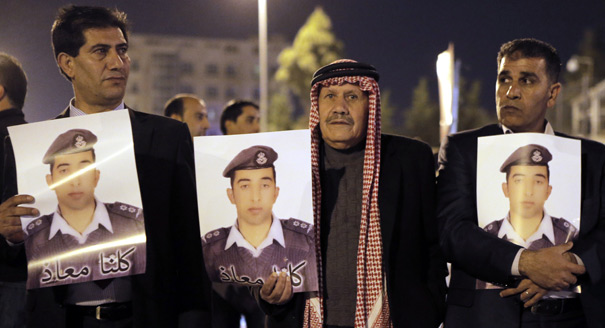
Members of the Jordanian pilot’s tribe have protested in Amman, pressuring the government to agree to an exchange.
Source: Independent
The motivations behind Jordan’s decision to release Sajida al-Rishawi lie in its wish to maintain domestic stability.
The rise of ISIS has put Jordan in a tough position. Its proximity to Syria and Iraq and its close alliances with the U.S., Saudi Arabia, and Israel have led it to host training for the moderate Syrian opposition at the request of Washington and Riyadh as well as joining the anti-ISIS coalition headed by the U.S. in order to protect both itself and its allies.But Jordan is worried that the more entrenched its engagement in fighting ISIS becomes, the more it is exposing itself to instability.
ISIS’s geographical expansion is bringing it closer to the Syrian-Jordanian border. As some Jordanian tribes in border areas like Maan have pledged allegiance to ISIS, Amman is worried that a southern expansion for ISIS would empower those tribes against the Jordanian state.
An extra element is that, following the demands of ISIS to release Rishawi in exchange for Jordanian pilot Lieutenant Mu'ath al-Kaseasbeh, members of the pilot’s tribe have protested in Amman, pressuring the government to agree to exchange him for Rishawi.
Rishawi was never a high-level prisoner. She is reported to be the sister of an Iraqi aide to the late al-Qaeda leader Abu Musab al-Zarqawi, but she is not a military commander. Her importance for ISIS is more symbolic than operational. This is what has made her a low-risk bet for Jordan. But the agreement to release her shows Jordan is as concerned about instability from its own tribes as much as about security threats from ISIS.
Former Director, Middle East Center
Khatib was director of the Carnegie Middle East Center in Beirut. Previously, she was the co-founding head of the Program on Arab Reform and Democracy at Stanford University’s Center on Democracy, Development, and the Rule of Law.
Recent Work
Lina Khatib
Lina Khatib
Carnegie does not take institutional positions on public policy issues; the views represented herein are those of the author(s) and do not necessarily reflect the views of Carnegie, its staff, or its trustees.

The Thai-Cambodian conflict highlights the limits to China's peacemaker ambition and the significance of this role on Southeast Asia’s balance of power.

Pongphisoot (Paul) Busbarat

Beijing believes that Washington is overestimating its own leverage and its ability to handle the trade war’s impacts.


Rick Waters, Sheena Chestnut Greitens
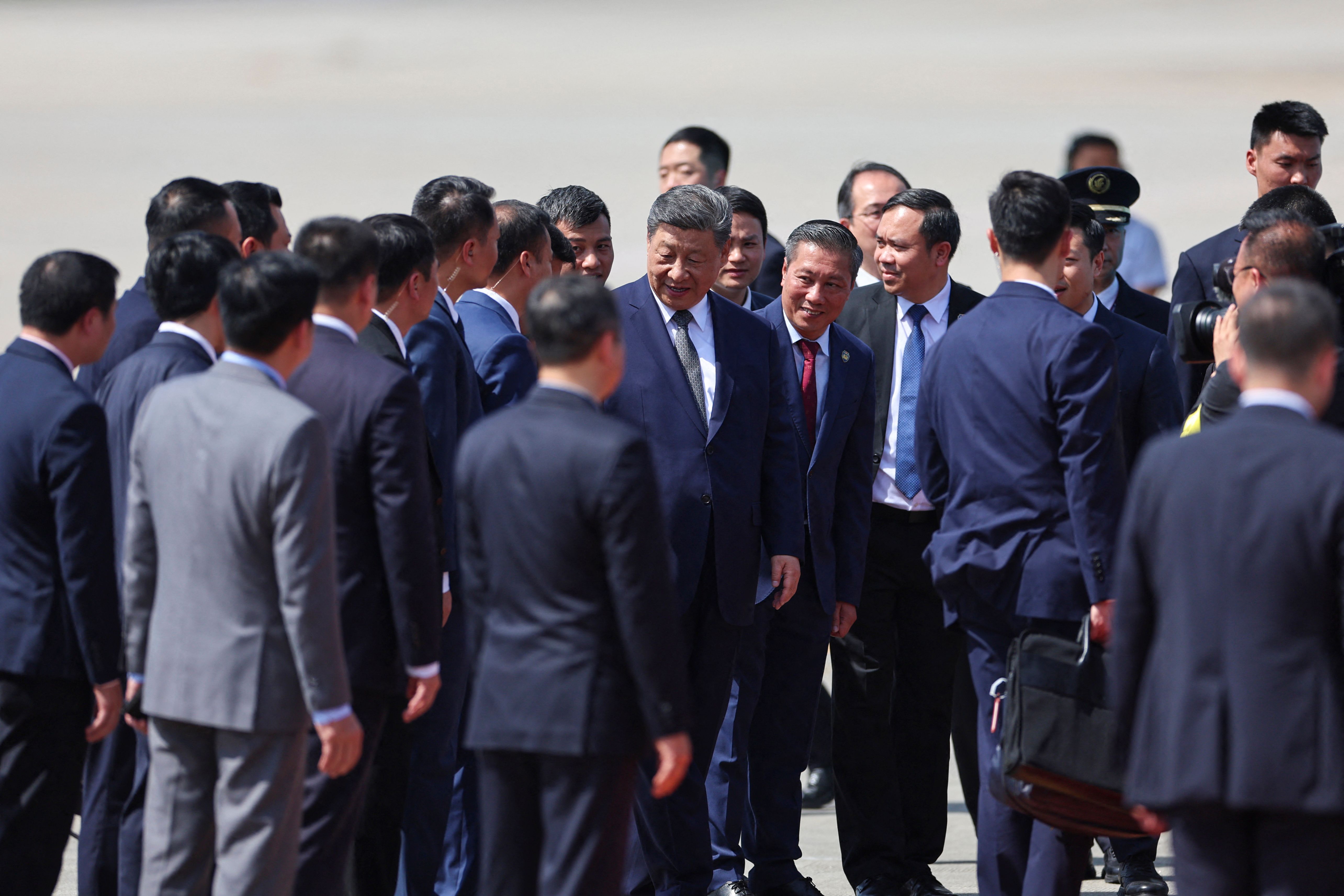
Tapping our network of China experts in the region, Carnegie China offers this latest “China Through a Southeast Asian Lens” report to offer preliminary assessments of whether the U.S. effort to reshape the global trading order will lead countries in the region to tilt toward Beijing.



Selina Ho, Khin Khin Kyaw Kyee, Joseph Ching Velasco, …
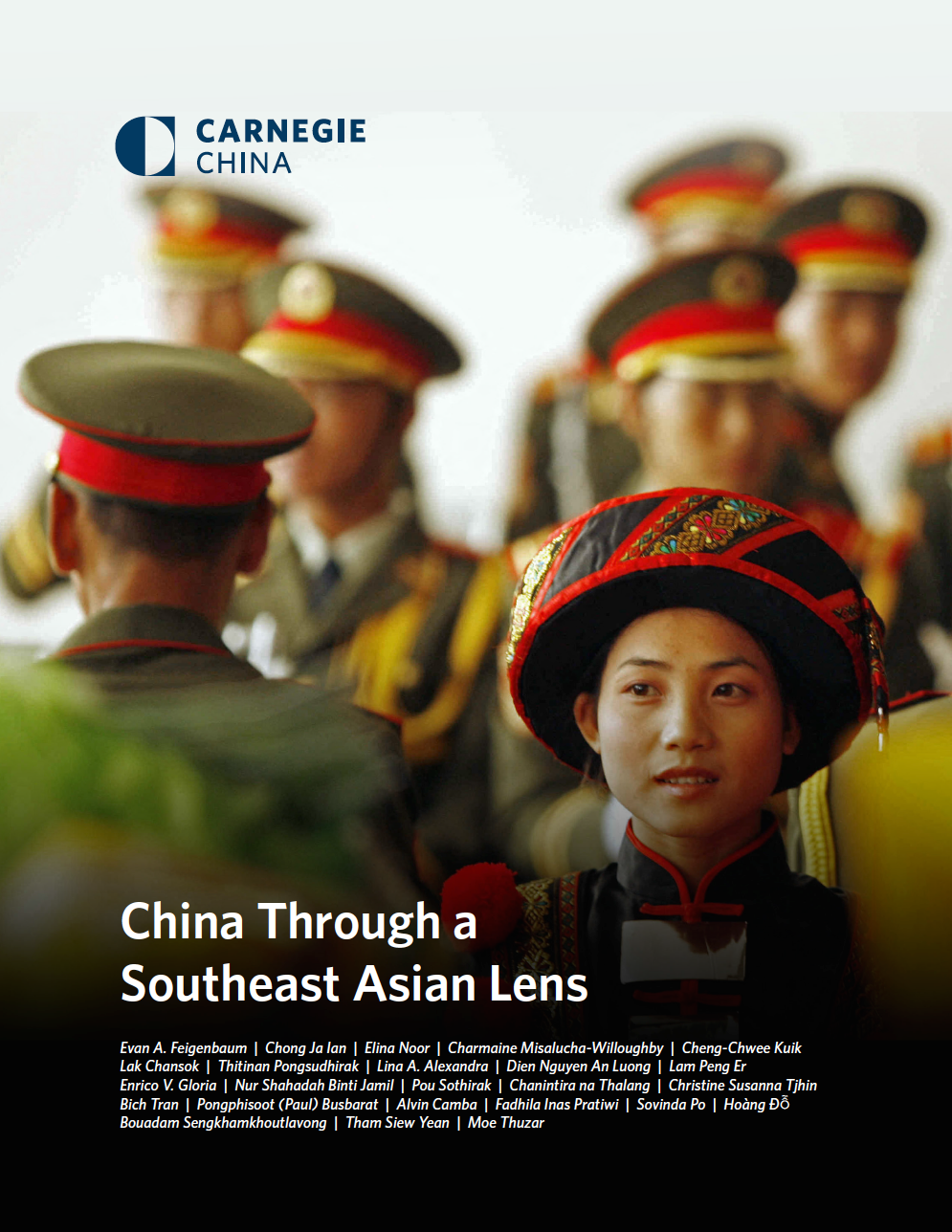
Because strategic, economic, and ideological perceptions of China contain multiple, sometimes contradictory facets in Southeast Asia, receptions of and responses to Beijing diverge across and within state lines.



Evan A. Feigenbaum, Chong Ja Ian, Elina Noor
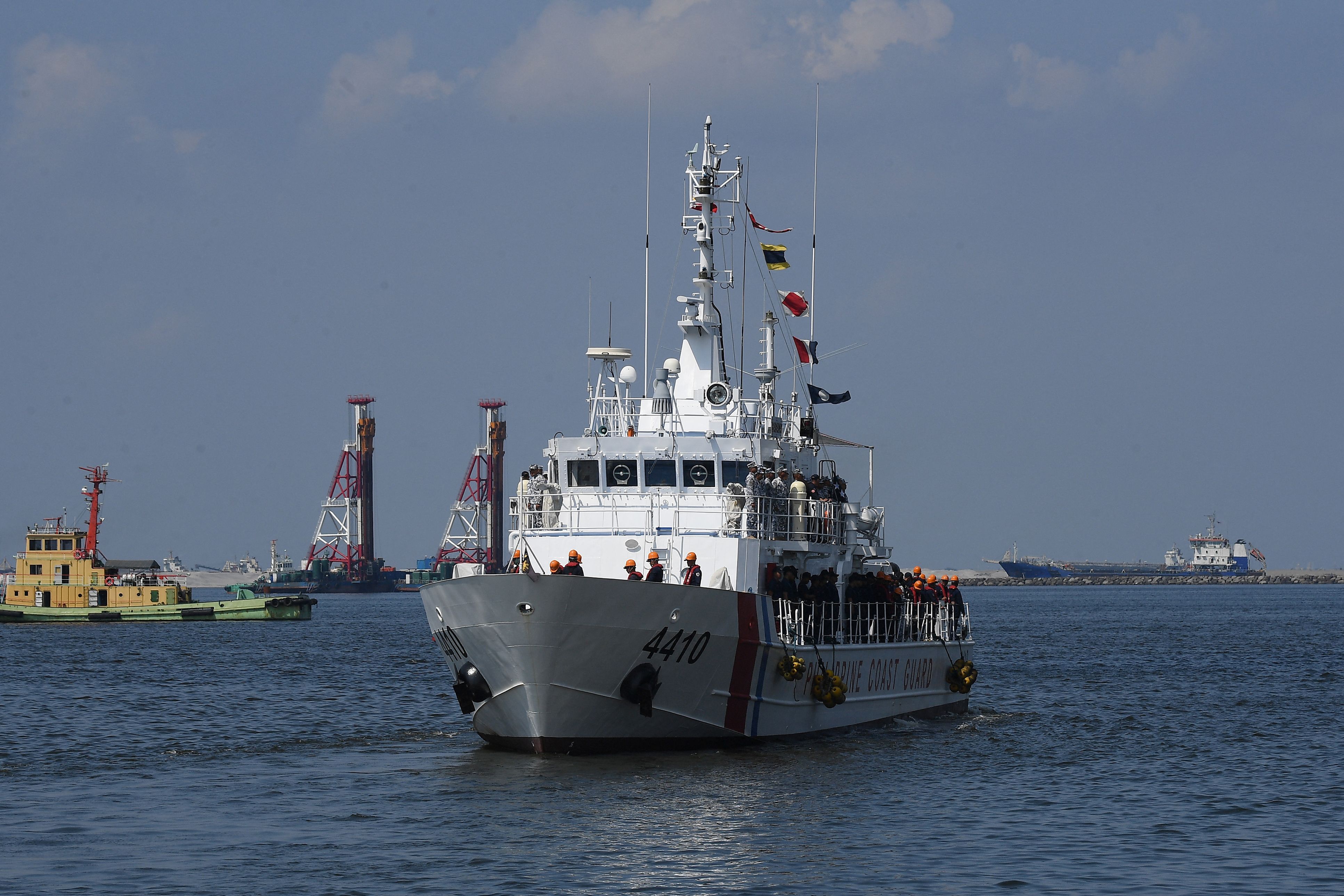
Most Southeast Asian states behave as if the actions of their Northeast Asian neighbors and the Philippines will be sufficient to maintain a regional status quo from which they can benefit.
Chong Ja Ian