

Commentary
Sarah Chayes
{
  "authors": [
    "Sarah Chayes"
  ],
  "type": "legacyinthemedia",
  "centerAffiliationAll": "dc",
  "centers": [
    "Carnegie Endowment for International Peace",
    "Malcolm H. Kerr Carnegie Middle East Center"
  ],
  "collections": [
    "Anti-Corruption"
  ],
  "englishNewsletterAll": "democracy",
  "nonEnglishNewsletterAll": "",
  "primaryCenter": "Carnegie Endowment for International Peace",
  "programAffiliation": "DCG",
  "programs": [
    "Democracy, Conflict, and Governance"
  ],
  "projects": [],
  "regions": [
    "North America",
    "United States",
    "Middle East",
    "North Africa",
    "Southern, Eastern, and Western Africa",
    "South Asia",
    "Egypt",
    "Gulf",
    "Levant",
    "Maghreb"
  ],
  "topics": [
    "Security",
    "Democracy"
  ]
}
Source: Getty
Day-to-day corruption is not only detrimental to a country’s economy, but can also make people angry and more sympathetic to violent extremism.
Source: Voice of America
Carol Castiel and VOA corruption correspondent Jeffrey Young spoke with Carnegie’s Sarah Chayes about her new book Thieves of State. Chayes explained how corruption is an under-recognized driver of extreme behavior, and how Western officials fail to understand how personally humiliating corruption is in countries like Afghanistan, Nigeria, and Ukraine. Corruption that people face every single day is not only detrimental to a country’s economy, but is also wounding to a person’s dignity—it makes people angry, and can at times lead to violent extremism, she warned.
This interview was originally broadcast on Voice of America.
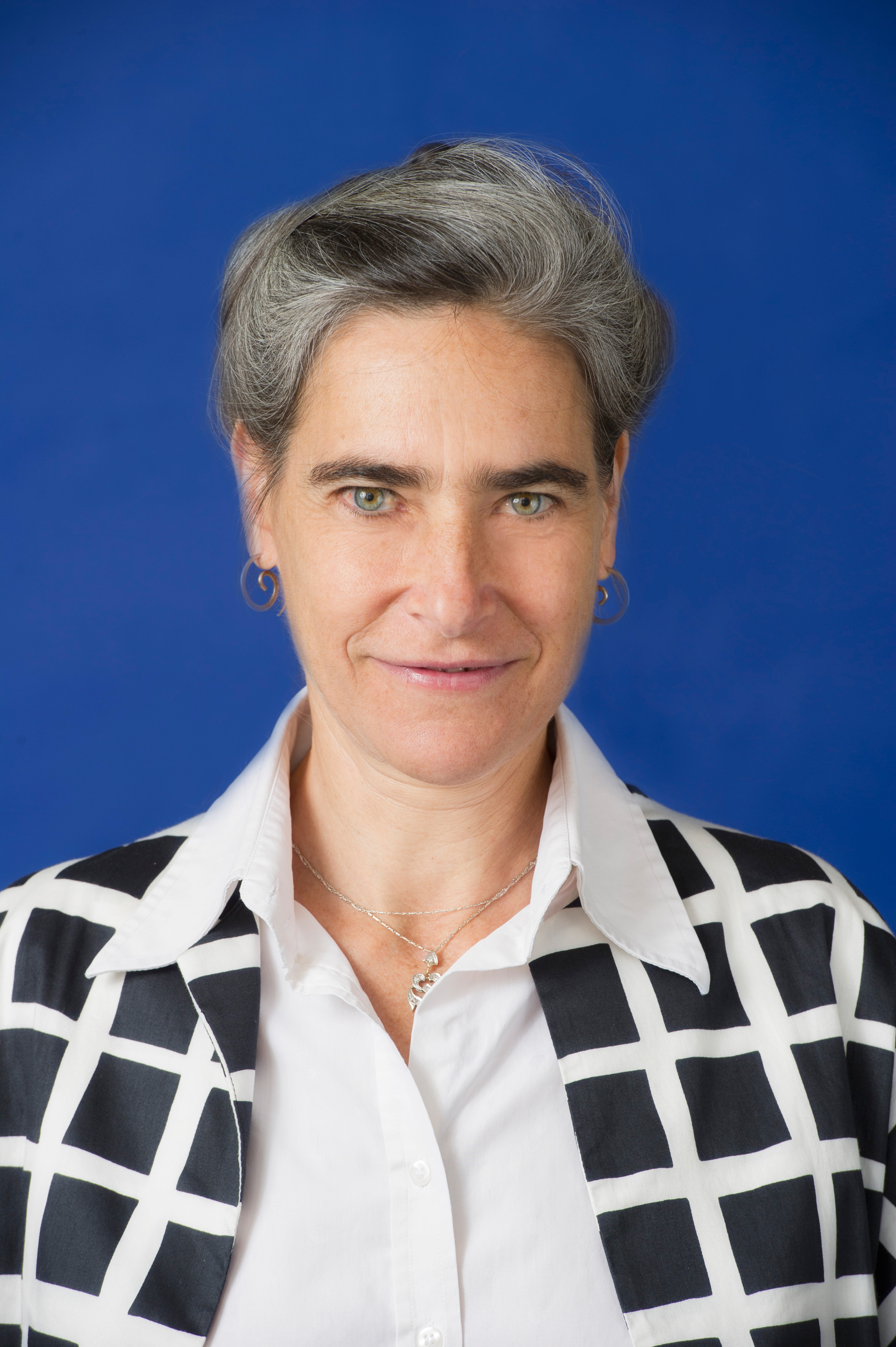
Former Senior Fellow, Democracy, Conflict, and Governance Program
Sarah Chayes is internationally recognized for her innovative thinking on corruption and its implications. Her work explores how severe corruption can help prompt such crises as terrorism, revolutions and their violent aftermaths, and environmental degradation.
Recent Work
Sarah Chayes
Carnegie does not take institutional positions on public policy issues; the views represented herein are those of the author(s) and do not necessarily reflect the views of Carnegie, its staff, or its trustees.
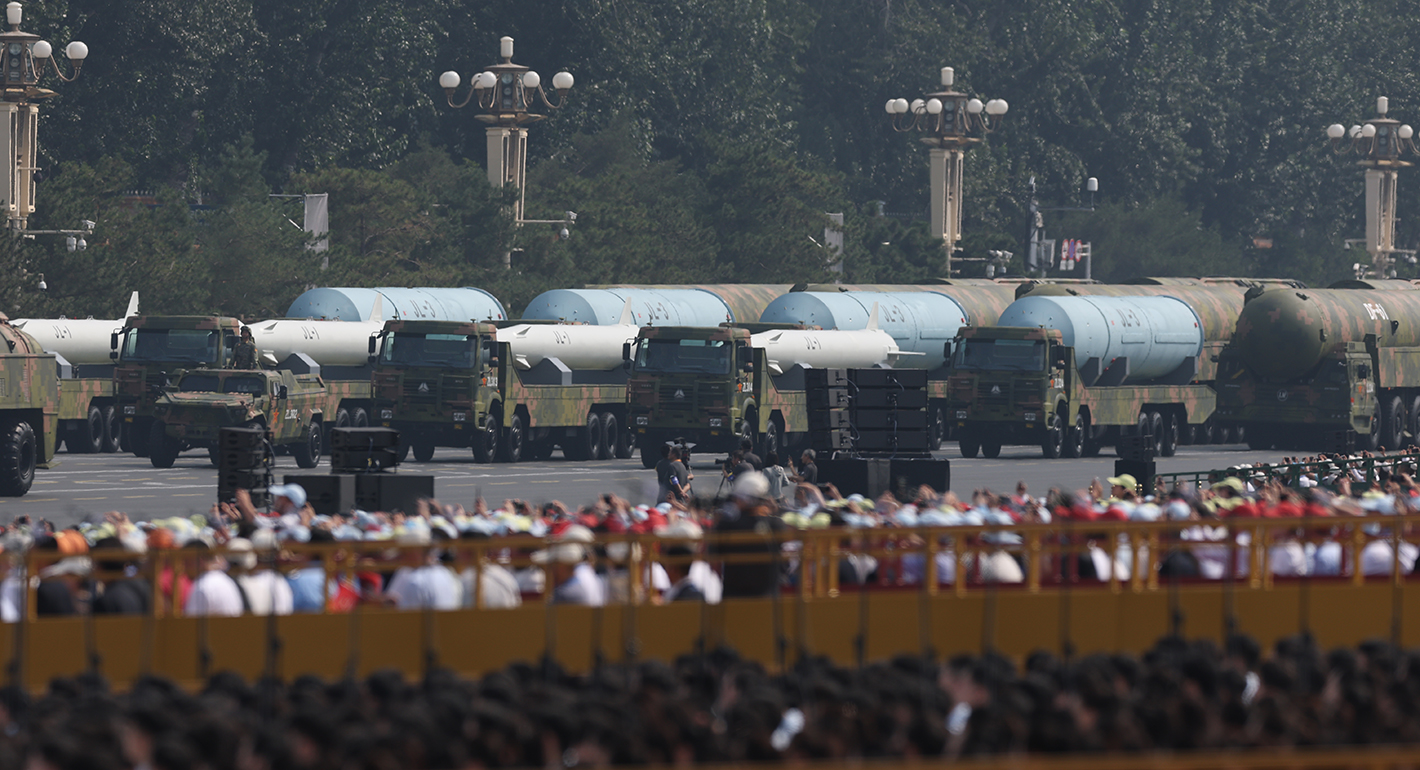
The nuclear relationship between China and the United States is increasingly shaped by widening perception gaps rather than deliberate strategic design.

Tong Zhao
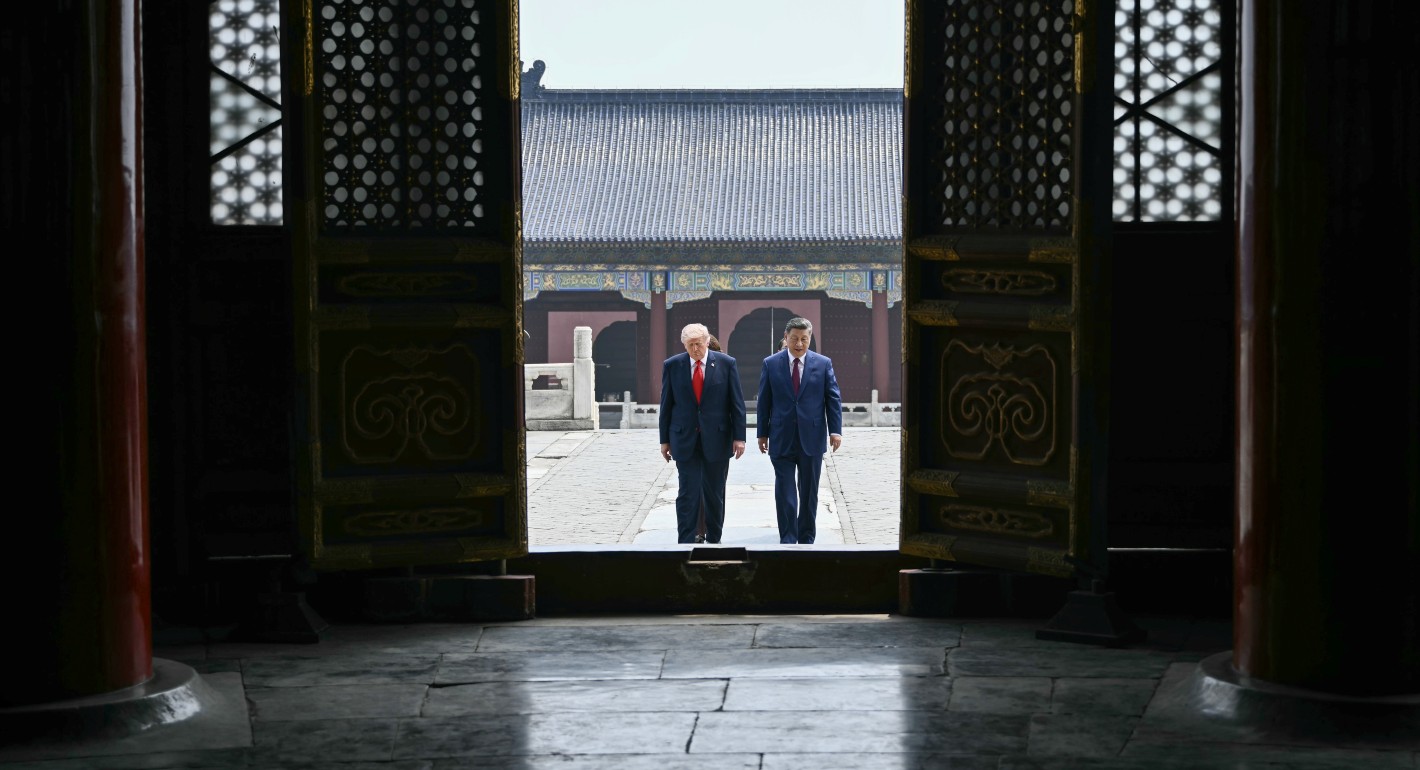
But their "principal to principal" model will only be as effective as the political strength of each leader back home.

Damien Ma
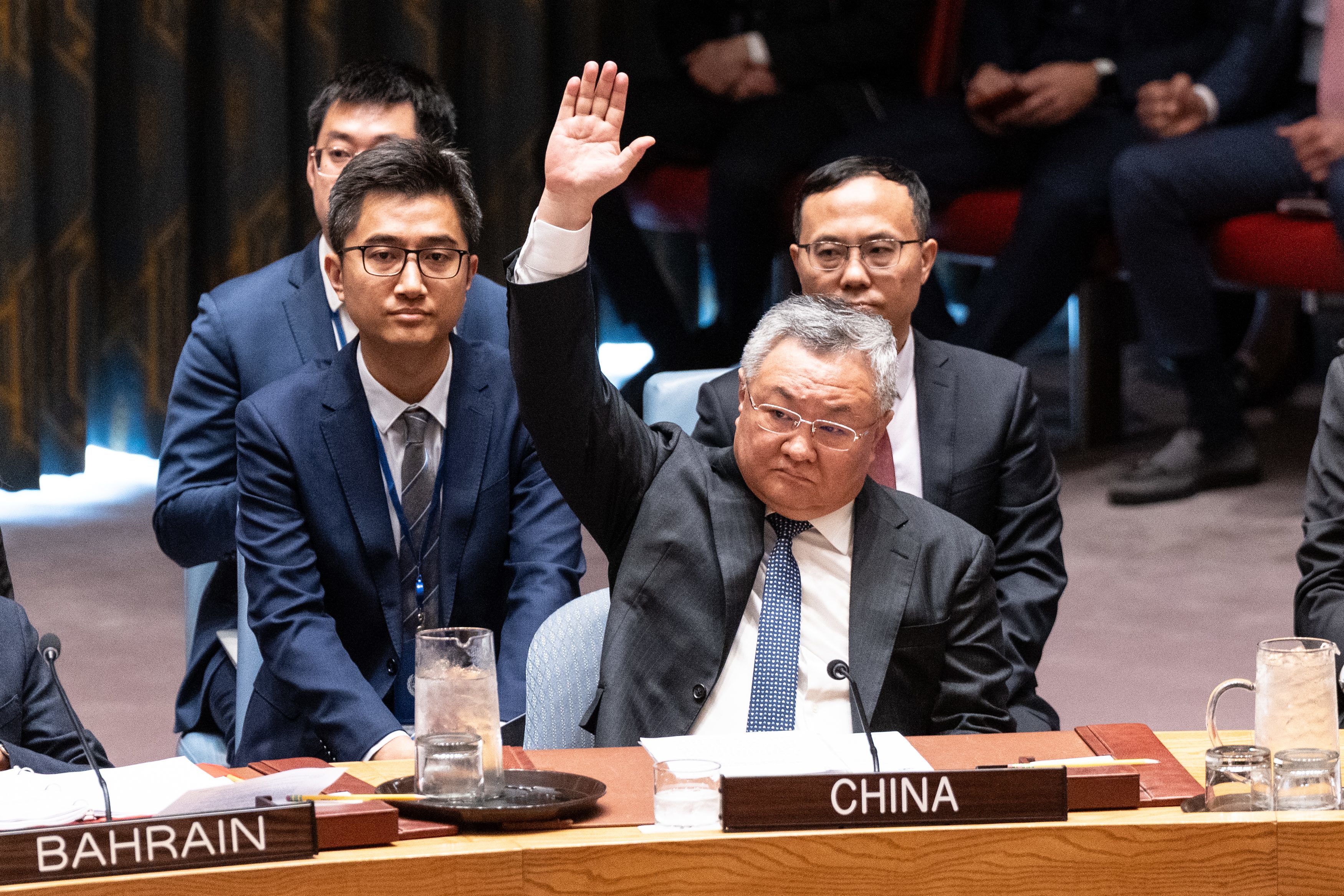
U.S. unpredictability has allowed China to capitalize on its positioning as the “responsible great power”. Paradoxically, the more China wins the perception game, the more likely expectations will rise for Beijing to deliver not just words but to demonstrate with its deeds.

Chong Ja Ian

For Malaysia, the conjunction that works is “and” not “or” when it comes to the United States and China.

Elina Noor

Regulation, not embargo, allows Beijing to shape how other countries and firms adapt to its terms.
Alvin Camba