

Commentary
Alexey Malashenko
{
  "authors": [
    "Alexey Malashenko"
  ],
  "type": "commentary",
  "centerAffiliationAll": "",
  "centers": [
    "Carnegie Endowment for International Peace",
    "Carnegie Russia Eurasia Center"
  ],
  "collections": [],
  "englishNewsletterAll": "",
  "nonEnglishNewsletterAll": "",
  "primaryCenter": "Carnegie Russia Eurasia Center",
  "programAffiliation": "",
  "programs": [],
  "projects": [],
  "regions": [
    "North Africa",
    "Egypt",
    "Libya"
  ],
  "topics": [
    "Security"
  ]
}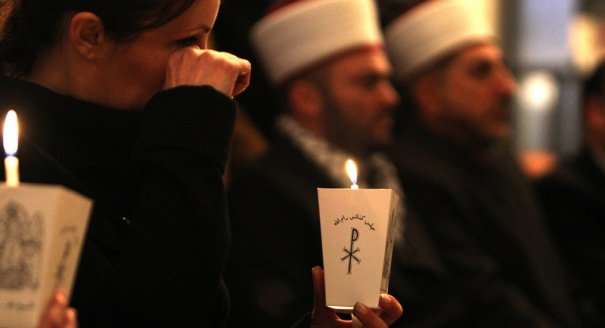
Source: Getty
The ISIS cannot be defeated through military strikes only. The Islamic State is just a tip of the radical Islamist iceberg, which is firmly entrenched in the Muslim world.
After the bloodbath in the Libyan city of Sirte, where ISIS militants killed more than twenty Coptic Christian workers from Egypt, one may be tempted to ask—why? The most common answer is because they are not Muslim. But this answer doesn’t quite fit with the formal Islamic tenets—according to Islam, this is no reason to kill. Another possibility is that this terrorist attack is strictly the independent initiative of local ISIS members, meant to show everyone, and the Libyans in particular, that ISIL is the most powerful force in the country at this time and is prepared to act as it pleases.
I believe that in light of the situation, the Egyptian President, Abdel Fattah al-Sisi, has made the only possible right decision by ordering a swift, and apparently effective, strike against the terrorists. This decision essentially demonstrated to the rest of ISIS’s opponents the right course of action.
Of course, the ISIS cannot be defeated through military strikes only. The Islamic State is just the tip of the radical Islamist iceberg, which is firmly entrenched in the Muslim world. But the show of force by the Egyptian president, the show of audacity even—after all, he still remembers President Anwar Sadat’ killing by Islamists in 1981—is actually very important.
The theatricality of the Sirte massacre is also worth mention. Ironically, excessive theatricality and even pomp is what the ISIS “caliph,” Abu Bakr al-Baghdadi, had been accusing Al Qaeda of until recently, while extolling the pragmatism of his own organization. But, after Sirte, who can vouch for the fact that ISIL is not going to adopt Osama bin Laden’s notorious methods and organize a September-11-scale terror attack? If this is in their plans, security services around the world should redouble or even triple their vigilance.
The Islamic State has created a relatively stable organizational structure and controls vast swaths of land (100,000 square kilometers, according to some estimates). It is generally agreed that in terms of its reach and the number of fighters under its banners, ISIS has outstripped Al Qaeda, essentially becoming the first transnational Islamic state. Just like Al Qaeda, ISIS attempts to act on the global scale; it seeks to embrace almost the entire Muslim world, including Central Asia and the Russian North Caucasus. At this point, ISIS doesn’t stand much of a chance in the post-Soviet states, although some experts believe that this may change, and the organization has already started to plant its cells in the Russian North Caucasus.
But ISIS can be far more successful and no less inhuman in other countries and territories—for instance, in Africa, Yemen, and beyond.

Former Scholar in Residence, Religion, Society, and Security Program
Malashenko is a former chair of the Carnegie Moscow Center’s Religion, Society, and Security Program.
Recent Work
Alexey Malashenko
Alexey Malashenko
Carnegie does not take institutional positions on public policy issues; the views represented herein are those of the author(s) and do not necessarily reflect the views of Carnegie, its staff, or its trustees.
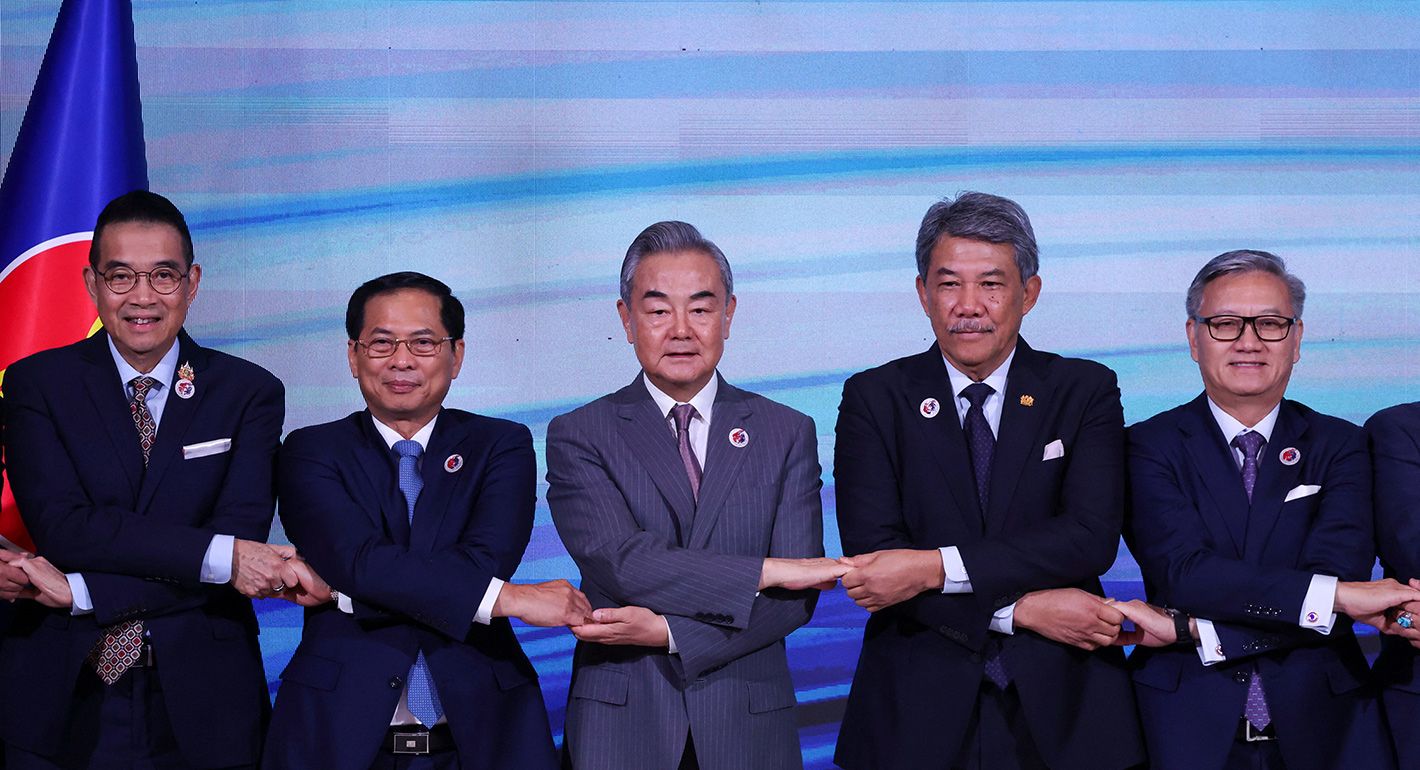
The Thai-Cambodian conflict highlights the limits to China's peacemaker ambition and the significance of this role on Southeast Asia’s balance of power.

Pongphisoot (Paul) Busbarat
Beijing believes that Washington is overestimating its own leverage and its ability to handle the trade war’s impacts.


Rick Waters, Sheena Chestnut Greitens
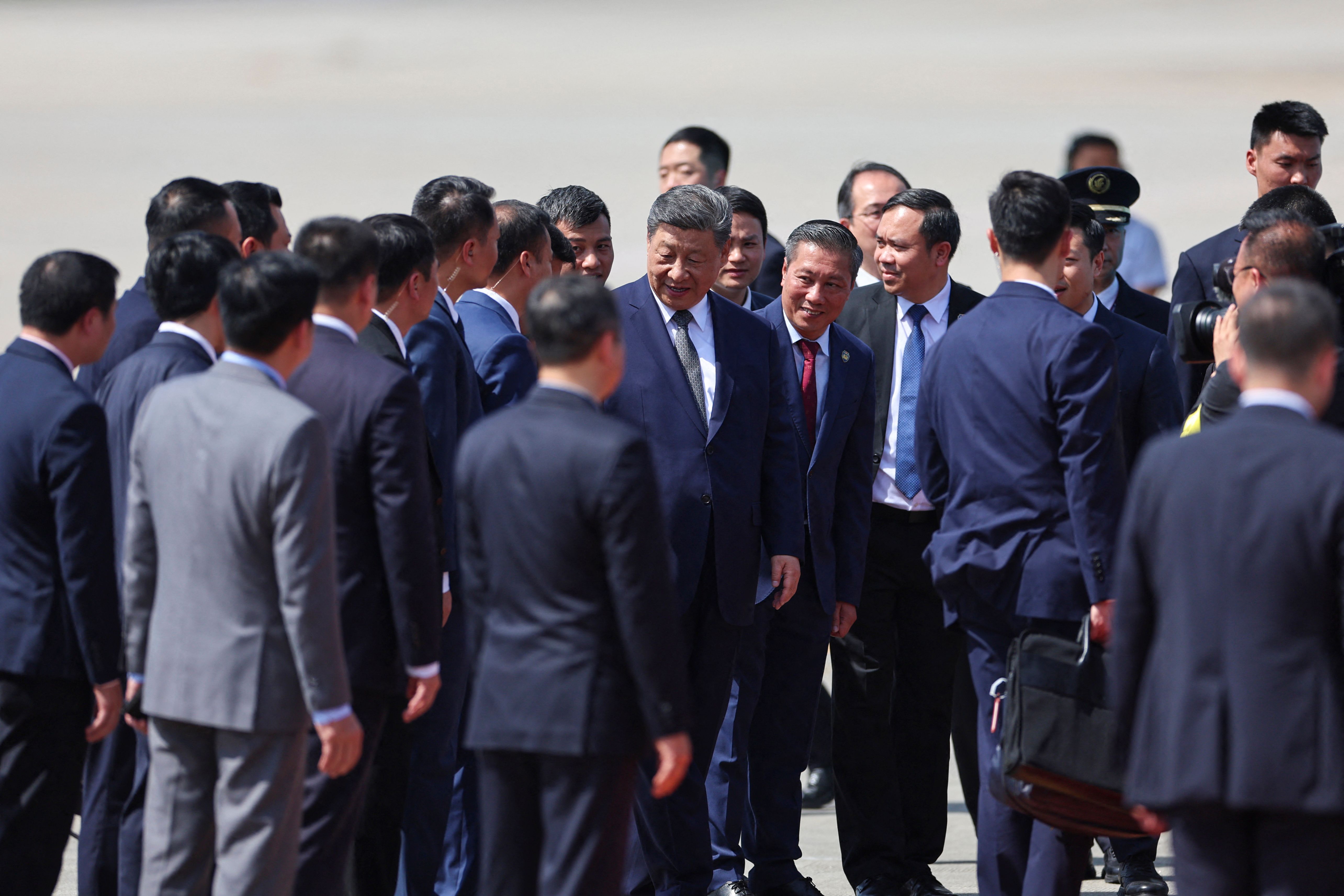
Tapping our network of China experts in the region, Carnegie China offers this latest “China Through a Southeast Asian Lens” report to offer preliminary assessments of whether the U.S. effort to reshape the global trading order will lead countries in the region to tilt toward Beijing.



Selina Ho, Khin Khin Kyaw Kyee, Joseph Ching Velasco, …
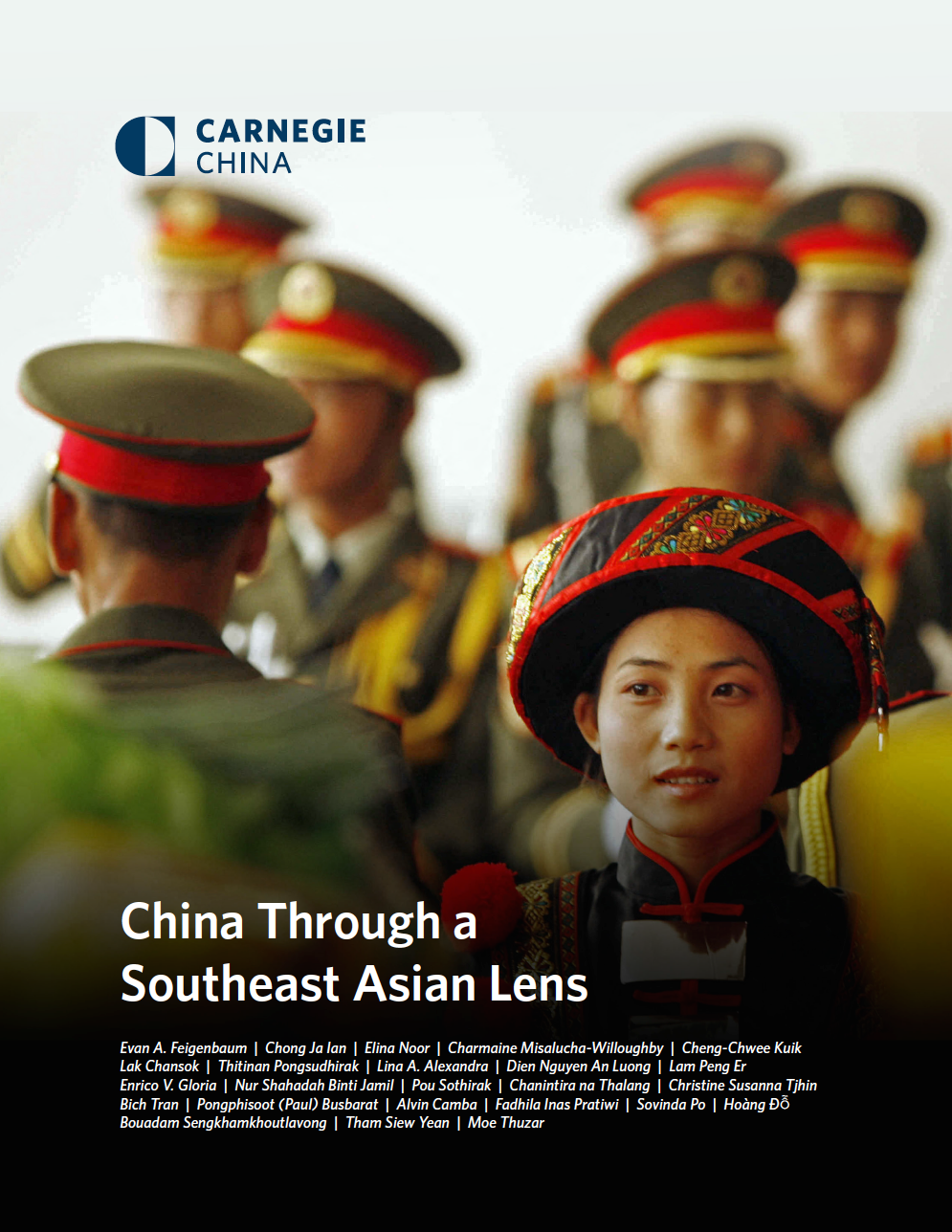
Because strategic, economic, and ideological perceptions of China contain multiple, sometimes contradictory facets in Southeast Asia, receptions of and responses to Beijing diverge across and within state lines.



Evan A. Feigenbaum, Chong Ja Ian, Elina Noor
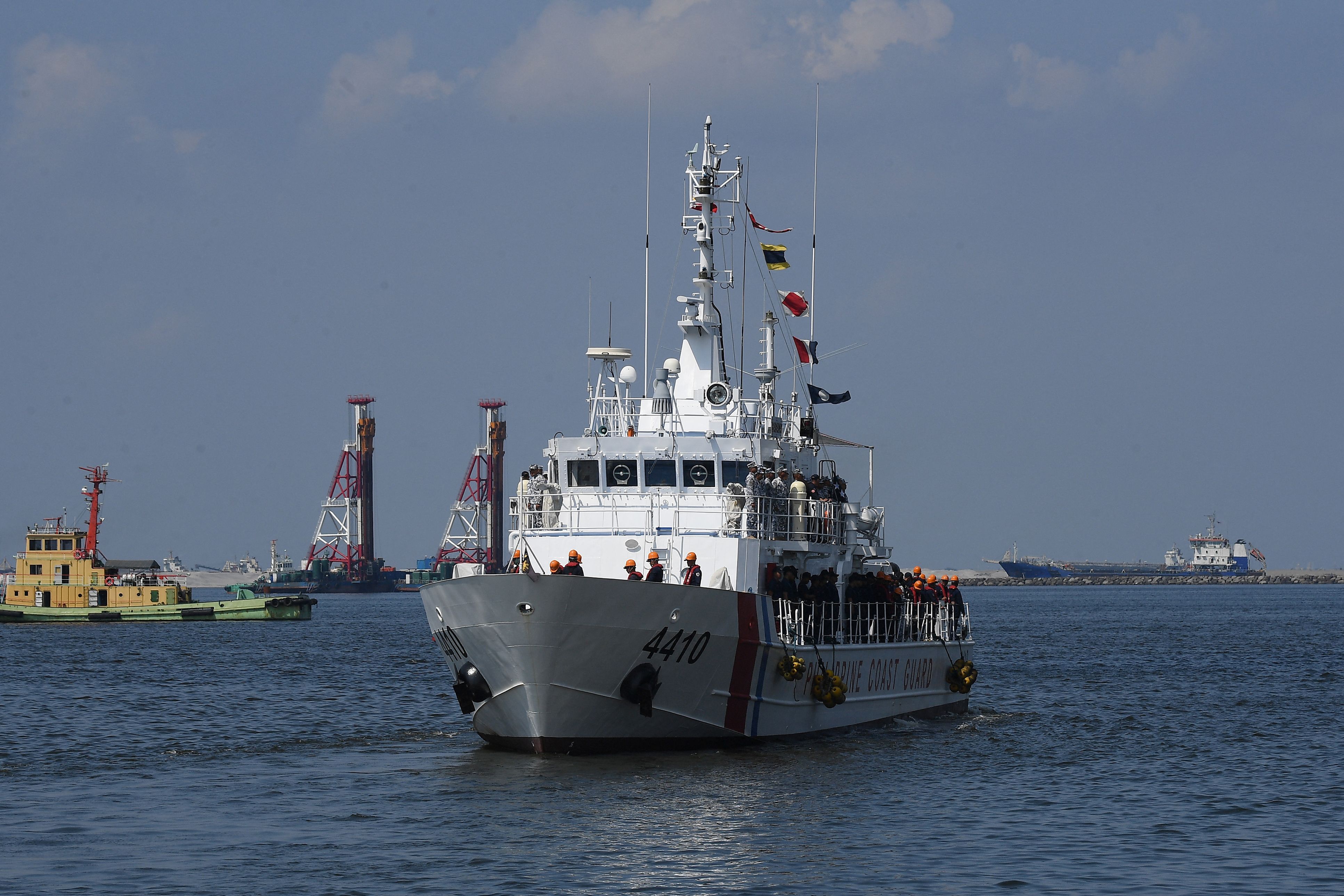
Most Southeast Asian states behave as if the actions of their Northeast Asian neighbors and the Philippines will be sufficient to maintain a regional status quo from which they can benefit.
Chong Ja Ian