

Commentary
The Thai-Cambodian conflict highlights the limits to China's peacemaker ambition and the significance of this role on Southeast Asia’s balance of power.
Pongphisoot (Paul) Busbarat
{
  "authors": [
    "Lina Khatib",
    "Faysal Itani"
  ],
  "type": "legacyinthemedia",
  "centerAffiliationAll": "dc",
  "centers": [
    "Carnegie Endowment for International Peace",
    "Malcolm H. Kerr Carnegie Middle East Center"
  ],
  "collections": [],
  "englishNewsletterAll": "menaTransitions",
  "nonEnglishNewsletterAll": "",
  "primaryCenter": "Malcolm H. Kerr Carnegie Middle East Center",
  "programAffiliation": "MEP",
  "programs": [
    "Middle East"
  ],
  "projects": [],
  "regions": [
    "Gulf",
    "Levant",
    "Syria",
    "Middle East"
  ],
  "topics": [
    "Security"
  ]
}
Source: Getty
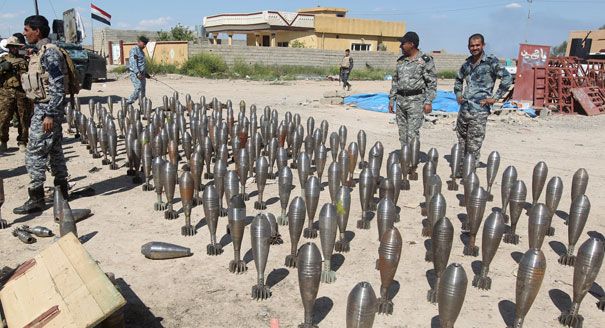
Signs of genuine disunity inside the ISIS ranks would be something new, and a potentially important development for the countries locked in battle with the group.
Source: CBC Radio The Current
The latest victims of ISIS executions may have been ISIS members themselves. We look into reports that fighters who flocked to fight with the group are changing heart, and trying to escape—though few are getting out alive.
Every week seems to bring the story of more young men—and young women—traveling from all over the world to join the ranks of the militant group, ISIS.
The magnetic pull that ISIS exerts on foreign jihadis would seem to be a major part of its strength, but according to new reports on life inside its self-declared Caliphate, the melting pot of foreign recruits may have started boiling over.
In December, there were reports of the execution of 120 ISIS members, by the group itself. Most were understood to have been caught trying to escape, according to the Syrian Observatory for Human Rights. Similar executions reportedly happened again in January. Then in February, the bodies of 30-40 people were found inside Syria, believed to be jihadist fighters who had tried to flee.
Signs of genuine disunity inside the ISIS ranks would be a potentially important development for the countries locked in battle with the group.
To find out more, we were joined by:
Lina Khatib heads the Carnegie Middle East Center.
Faysal Itani is a Middle East specialist with the Atlantic Council.
This segment was produced by CBC Radio The Current's Marc Apollonio.
Former Director, Middle East Center
Khatib was director of the Carnegie Middle East Center in Beirut. Previously, she was the co-founding head of the Program on Arab Reform and Democracy at Stanford University’s Center on Democracy, Development, and the Rule of Law.
Faysal Itani
Carnegie does not take institutional positions on public policy issues; the views represented herein are those of the author(s) and do not necessarily reflect the views of Carnegie, its staff, or its trustees.
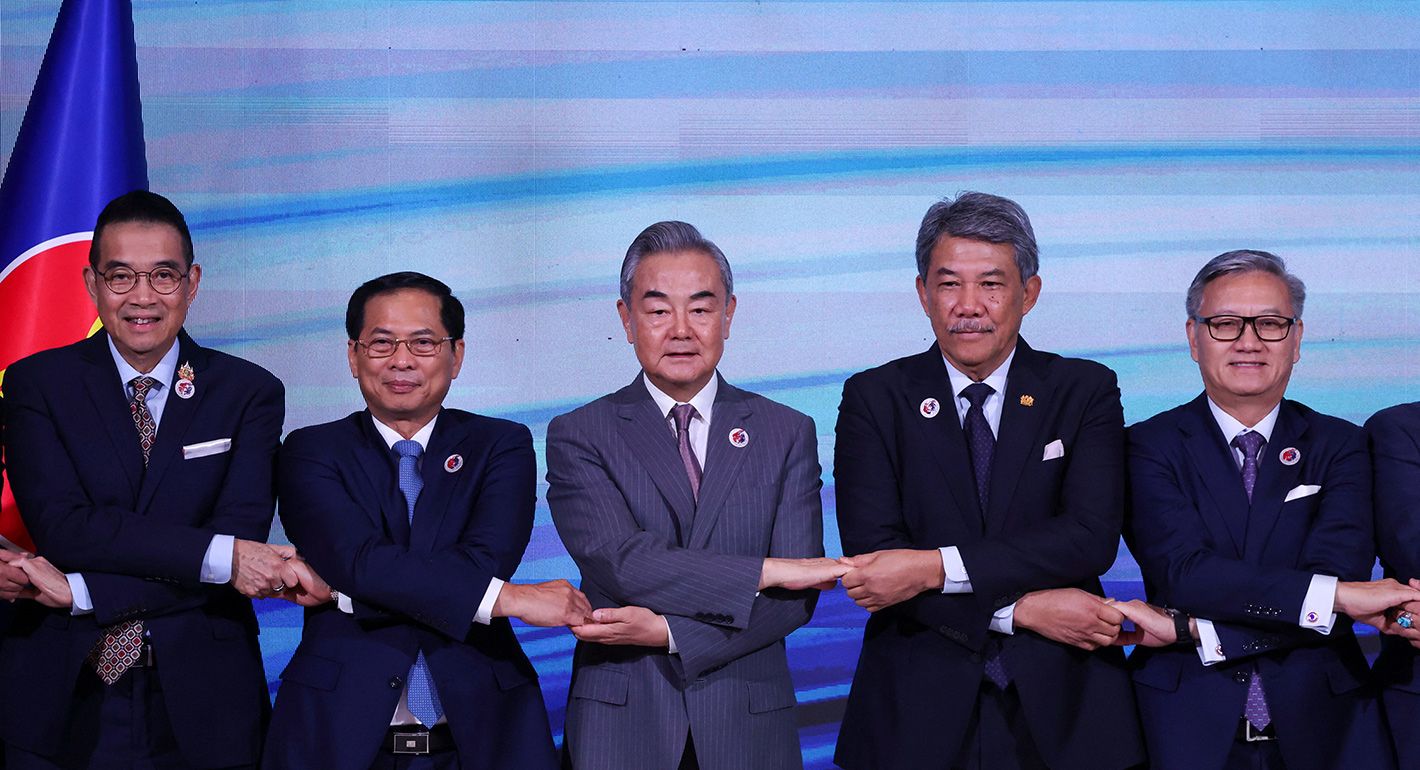
The Thai-Cambodian conflict highlights the limits to China's peacemaker ambition and the significance of this role on Southeast Asia’s balance of power.

Pongphisoot (Paul) Busbarat
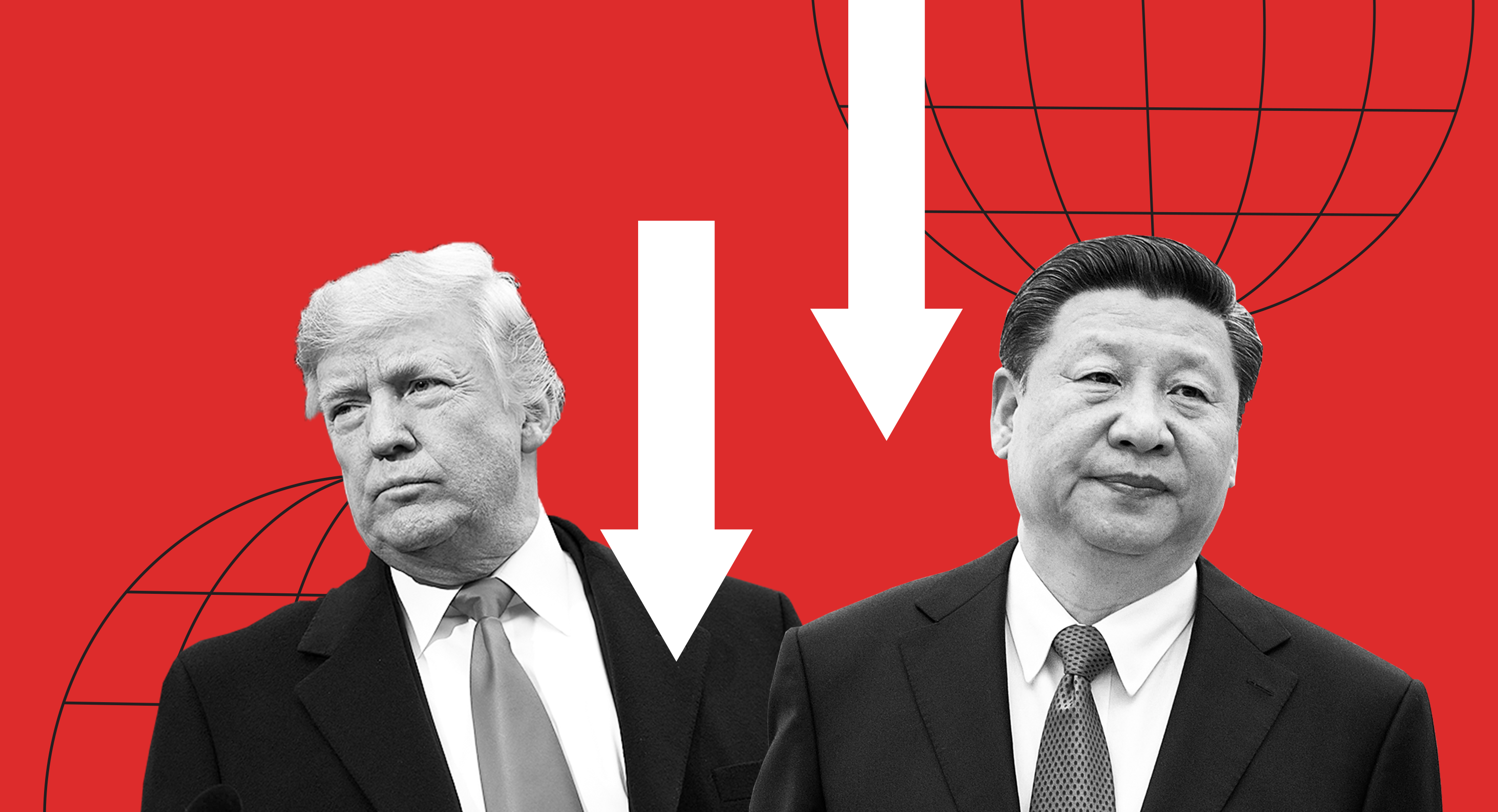
Beijing believes that Washington is overestimating its own leverage and its ability to handle the trade war’s impacts.


Rick Waters, Sheena Chestnut Greitens
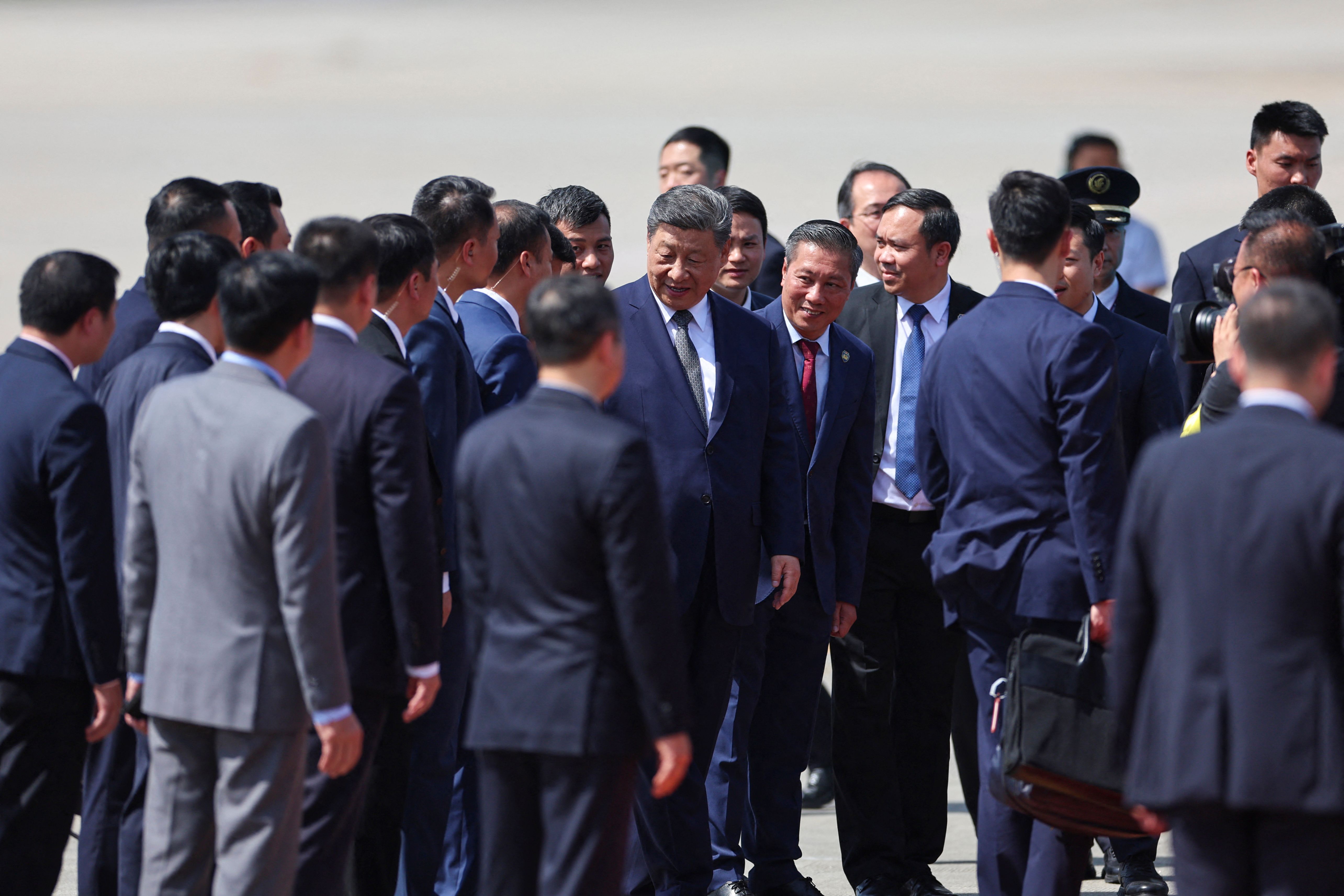
Tapping our network of China experts in the region, Carnegie China offers this latest “China Through a Southeast Asian Lens” report to offer preliminary assessments of whether the U.S. effort to reshape the global trading order will lead countries in the region to tilt toward Beijing.


Selina Ho, Khin Khin Kyaw Kyee, Joseph Ching Velasco, …
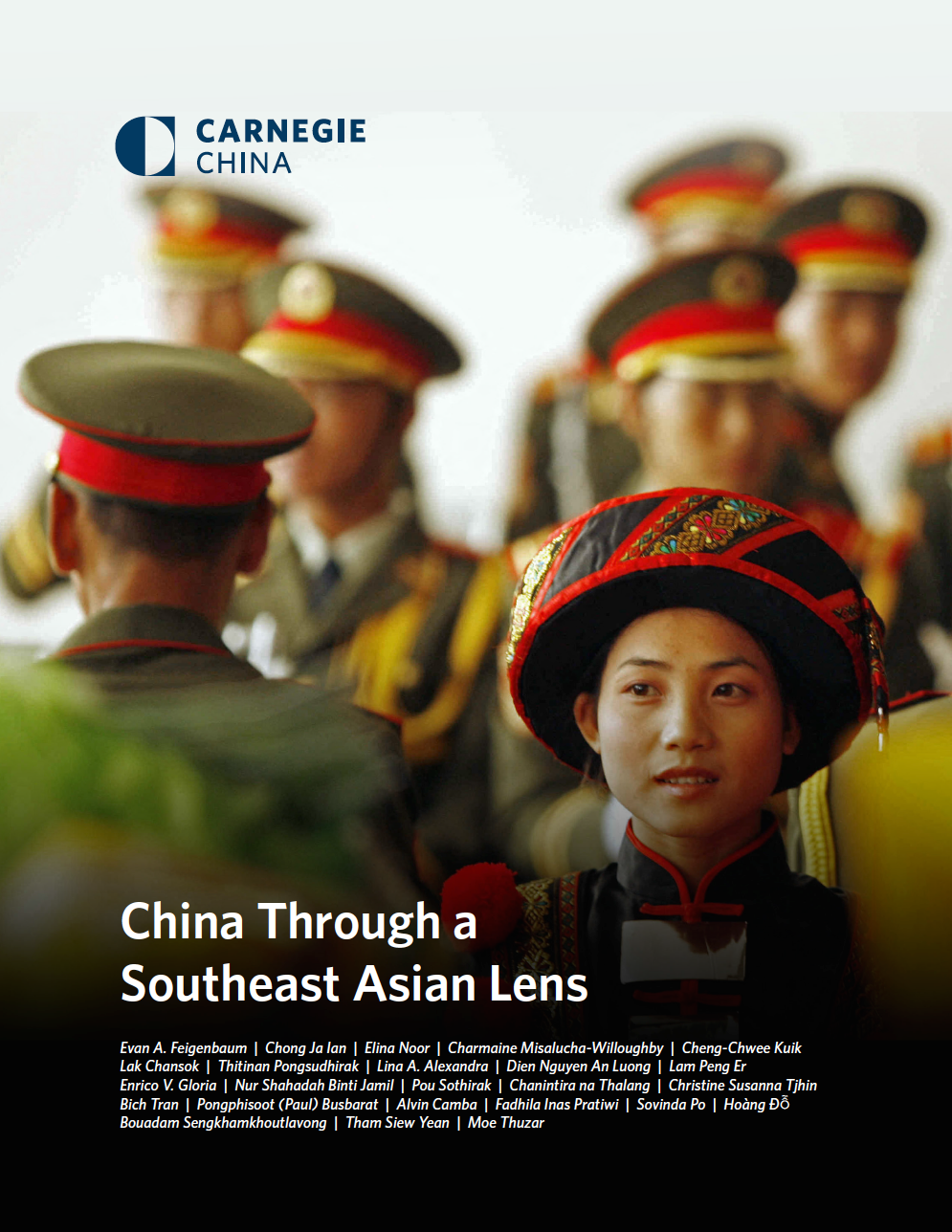
Because strategic, economic, and ideological perceptions of China contain multiple, sometimes contradictory facets in Southeast Asia, receptions of and responses to Beijing diverge across and within state lines.



Evan A. Feigenbaum, Chong Ja Ian, Elina Noor
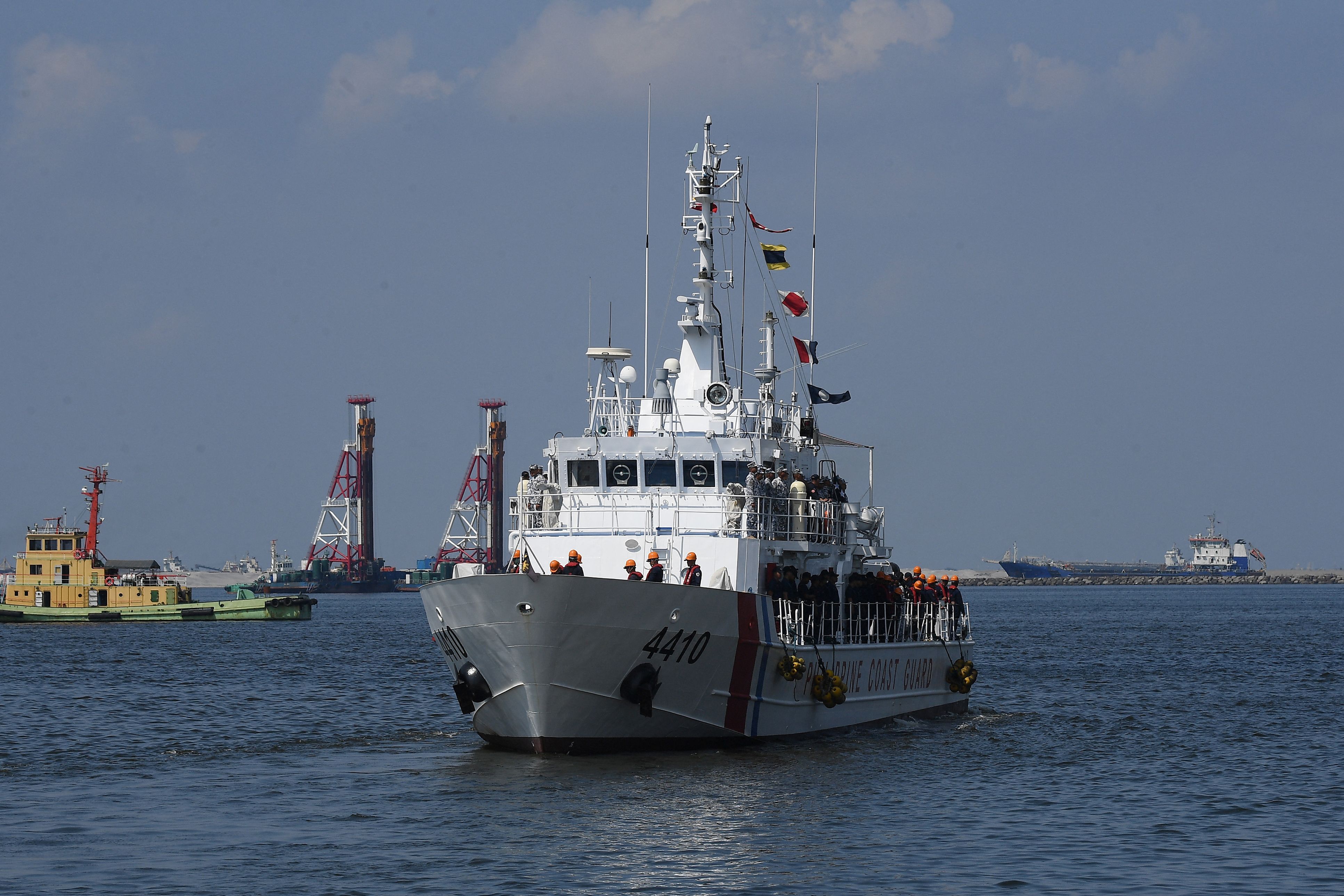
Most Southeast Asian states behave as if the actions of their Northeast Asian neighbors and the Philippines will be sufficient to maintain a regional status quo from which they can benefit.
Chong Ja Ian