

Commentary
Maha Yahya
{
  "authors": [
    "Maha Yahya"
  ],
  "type": "other",
  "centerAffiliationAll": "dc",
  "centers": [
    "Carnegie Endowment for International Peace",
    "Malcolm H. Kerr Carnegie Middle East Center"
  ],
  "collections": [
    "Arab Awakening"
  ],
  "englishNewsletterAll": "menaTransitions",
  "nonEnglishNewsletterAll": "",
  "primaryCenter": "Malcolm H. Kerr Carnegie Middle East Center",
  "programAffiliation": "MEP",
  "programs": [
    "Middle East"
  ],
  "projects": [],
  "regions": [
    "Egypt",
    "Gulf",
    "Levant",
    "Maghreb",
    "Middle East",
    "North Africa"
  ],
  "topics": [
    "Political Reform",
    "Economy"
  ]
}
Source: Getty
Four years after the start of the Arab revolutions, fundamental issues like polarization identities and economic inequities continue to destabilize the region.
Source: Columbia Global Centers | Middle East
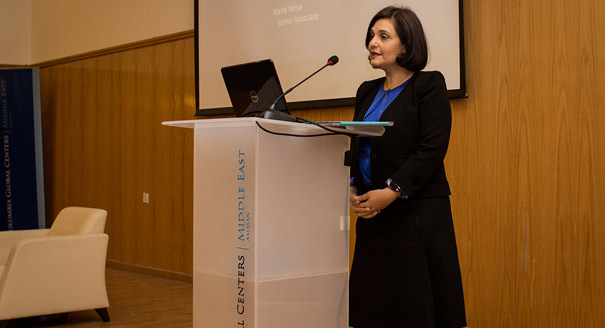
Four years after the start of the Arab revolutions, “very little seems to have changed for the better. If anything, the world around us has exploded in Syria, Libya, Iraq, and Yemen,” said Professor Safwan Masri, EVP for Global Centers and Global Development at Columbia University, introducing Carnegie’s Maha Yahya.
Speaking at Columbia Global Centers | Middle East, Yahya discussed the overlapping and interlocking conditions that led up to the Arab uprisings and what has happened since, especially in light of issues like polarization identities and economic inequities. Yahya also shed light on the status of politics in the region and citizens’ demands.
This conference was recorded and hosted by Columbia Global Centers | Middle East.

Director, Malcolm H. Kerr Carnegie Middle East Center
Maha Yahya is director of the Malcolm H. Kerr Carnegie Middle East Center, where her research focuses on citizenship, pluralism, and social justice in the aftermath of the Arab uprisings.
Recent Work
Maha Yahya
Maha Yahya
Carnegie does not take institutional positions on public policy issues; the views represented herein are those of the author(s) and do not necessarily reflect the views of Carnegie, its staff, or its trustees.

In the latest Five-Year Plan, the Chinese president cements the shift to an innovation-driven economy over a consumption-driven one.

Damien Ma
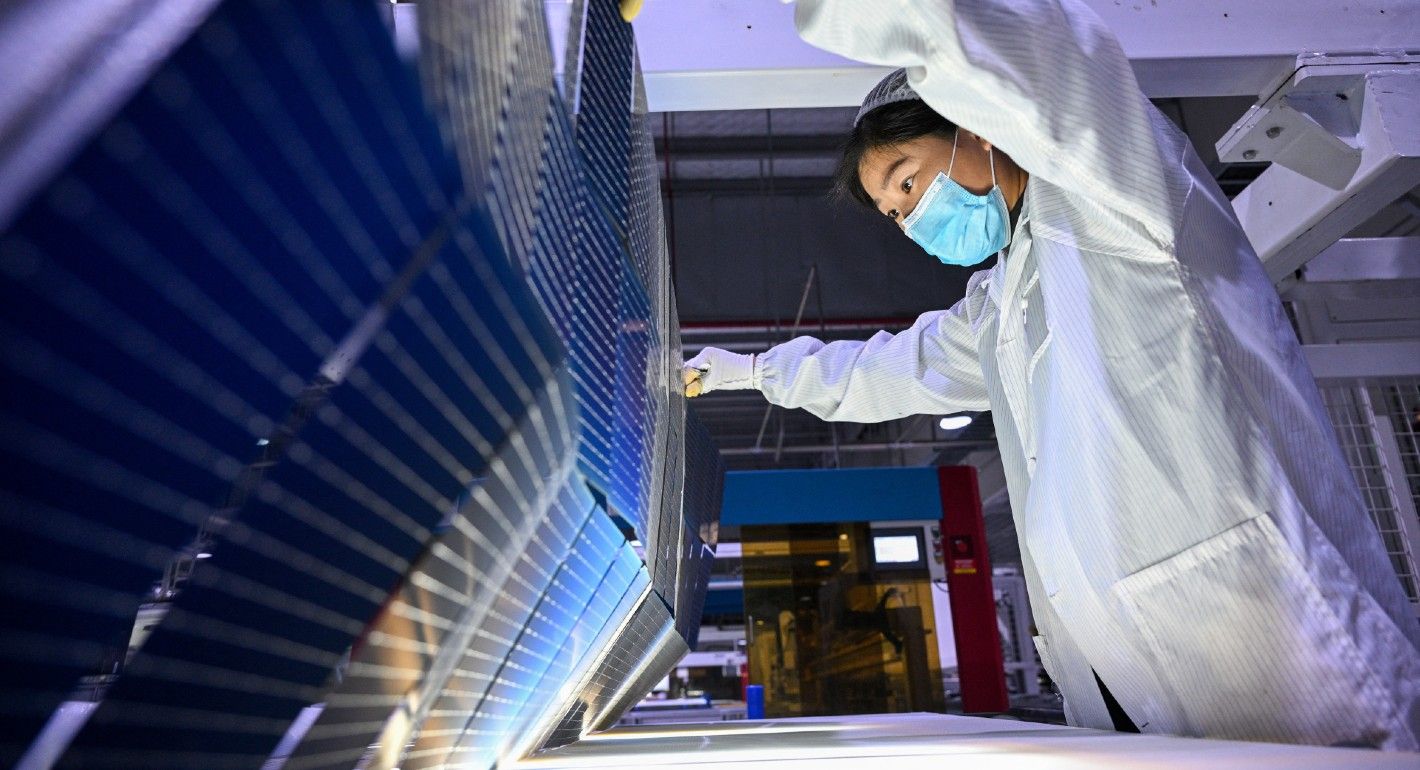
Rather than climate ambitions, compatibility with investment and exports is why China supports both green and high-emission technologies.

Mathias Larsen
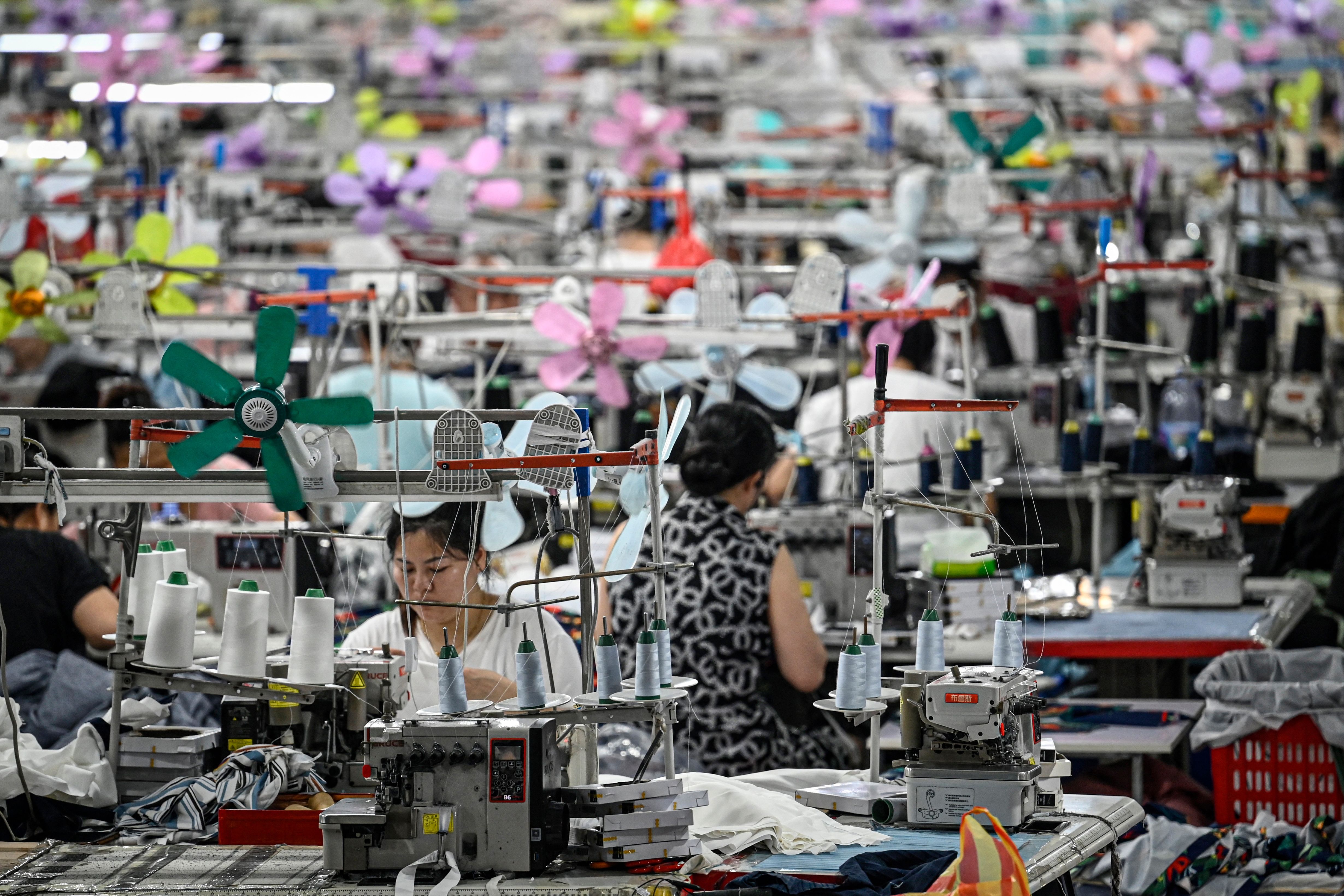
“Involution” is a new word for an old problem, and without a very different set of policies to rein it in, it is a problem that is likely to persist.

Michael Pettis
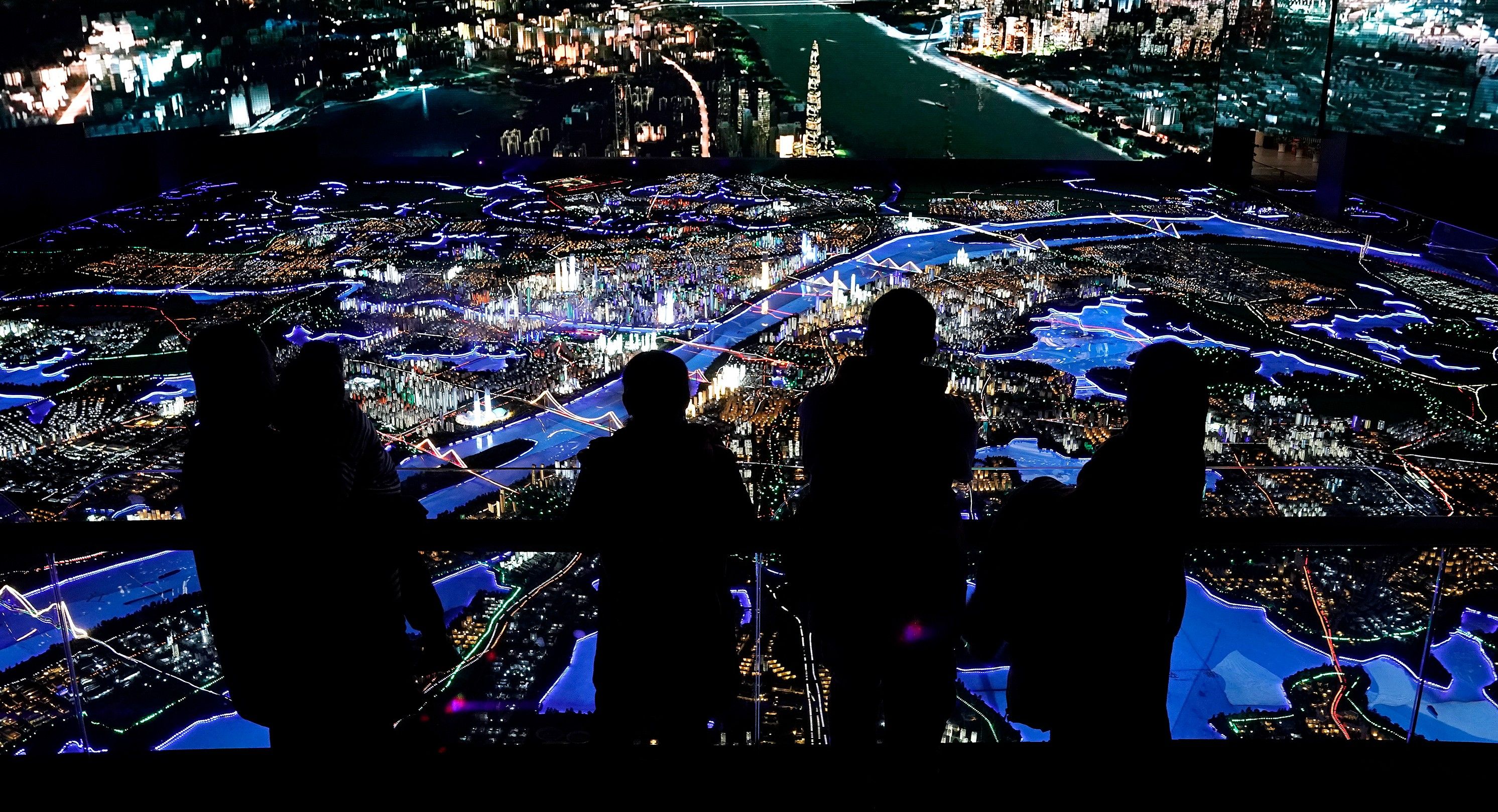
While China's investment story seems contradictory from the outside, the real answers to Beijing's high-quality growth ambitions are hiding in plain sight across the nation's cities.
Yuhan Zhang
China's stimulus addiction cannot go on forever. Beijing still has policy space to clean up the country's massive debt issue, but time is running short.
Michael Pettis