

Commentary
Thomas de Waal
{
  "authors": [
    "Thomas de Waal"
  ],
  "type": "legacyinthemedia",
  "centerAffiliationAll": "dc",
  "centers": [
    "Carnegie Endowment for International Peace",
    "Carnegie Europe"
  ],
  "collections": [],
  "englishNewsletterAll": "ctw",
  "nonEnglishNewsletterAll": "",
  "primaryCenter": "Carnegie Europe",
  "programAffiliation": "russia",
  "programs": [
    "Russia and Eurasia"
  ],
  "projects": [],
  "regions": [
    "Middle East",
    "Türkiye",
    "Caucasus",
    "Armenia"
  ],
  "topics": []
}
Source: Getty
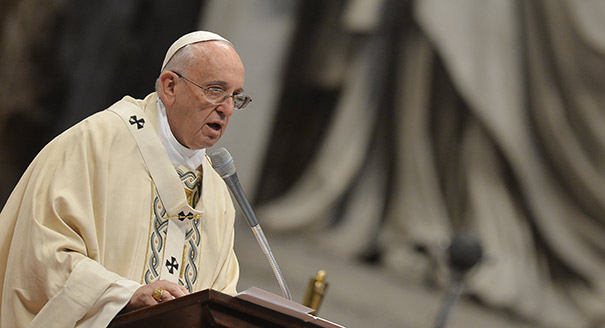
Pope Francis reignited a debate that has smoldered for a hundred years: Whether the deaths of more than a million Armenians were caused by a policy of genocide by the Turks.
Source: WAMU’s Diane Rehm Show
Pope Francis reignited a debate that has smoldered for a hundred years: Whether the deaths of more than a million Armenians were caused by a policy of genocide by the Turks. In a mass on Sunday, the Pope called the massacre “the first genocide of the 20th century.” The Turkish government responded quickly, labeling the pope’s comments unacceptable. Turkey maintains that the death toll was exaggerated, and that many of the Christian Armenians who died in 1915 were the victims of civil war.
Carnegie Endowment Senior Associate Thomas de Waal joined the Diane Rehm Show to discuss why the fate of Armenians in Turkey a century ago remains a passionate issue today.
This interview was originally broadcast on WAMU’s Diane Rehm Show.

Senior Fellow, Carnegie Europe
Thomas de Waal is a senior fellow at Carnegie Europe, specializing in Eastern Europe and the Caucasus.
Recent Work
Thomas de Waal
Thomas de Waal
Carnegie does not take institutional positions on public policy issues; the views represented herein are those of the author(s) and do not necessarily reflect the views of Carnegie, its staff, or its trustees.
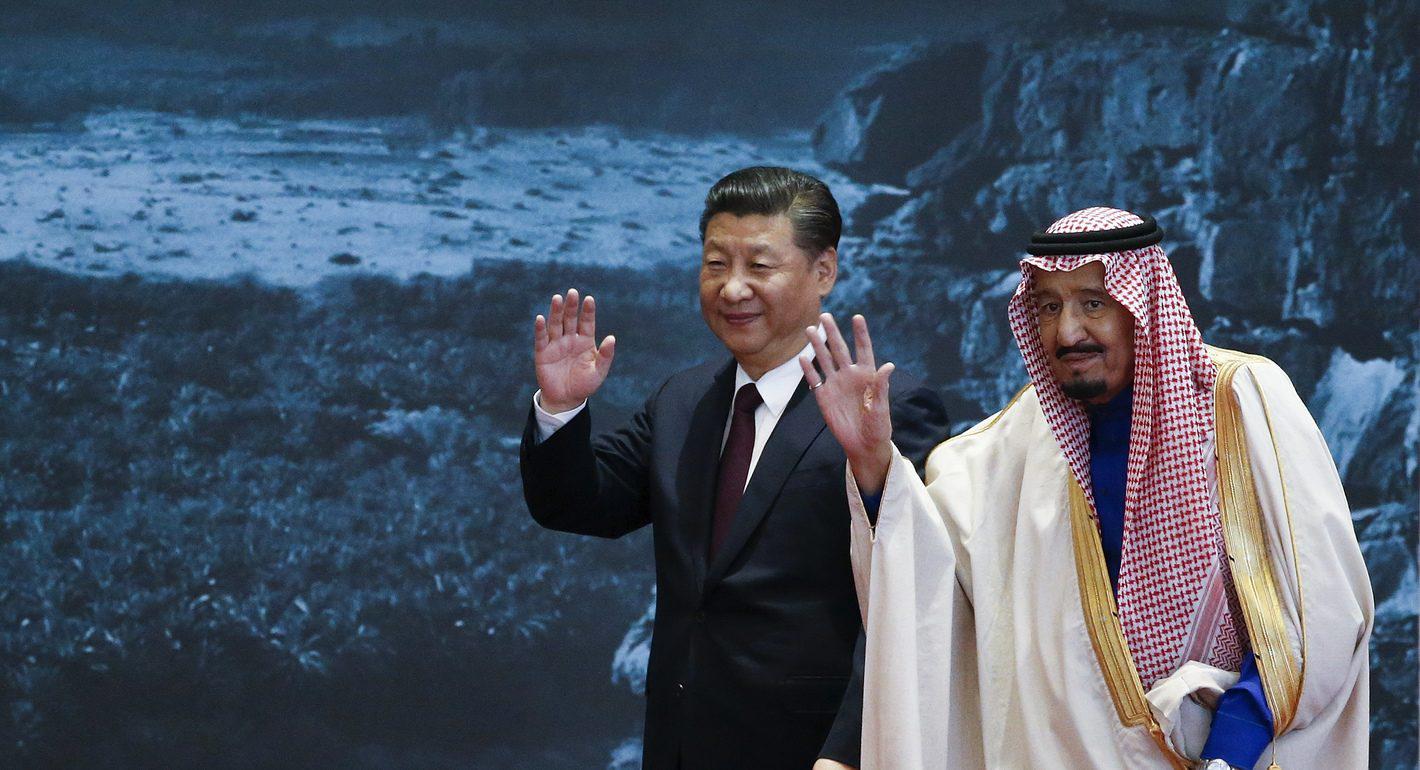
The advantage that China has over other global powers, especially America, is that its foreign policy is closely aligned with those of many of the Middle Eastern countries.


Jin Liangxiang, Maha Yahya, Hesham Alghannam

It’s about managing oil prices, bread prices, and strategic partnerships.



Amr Hamzawy, Karim Sadjadpour, Aaron David Miller, …
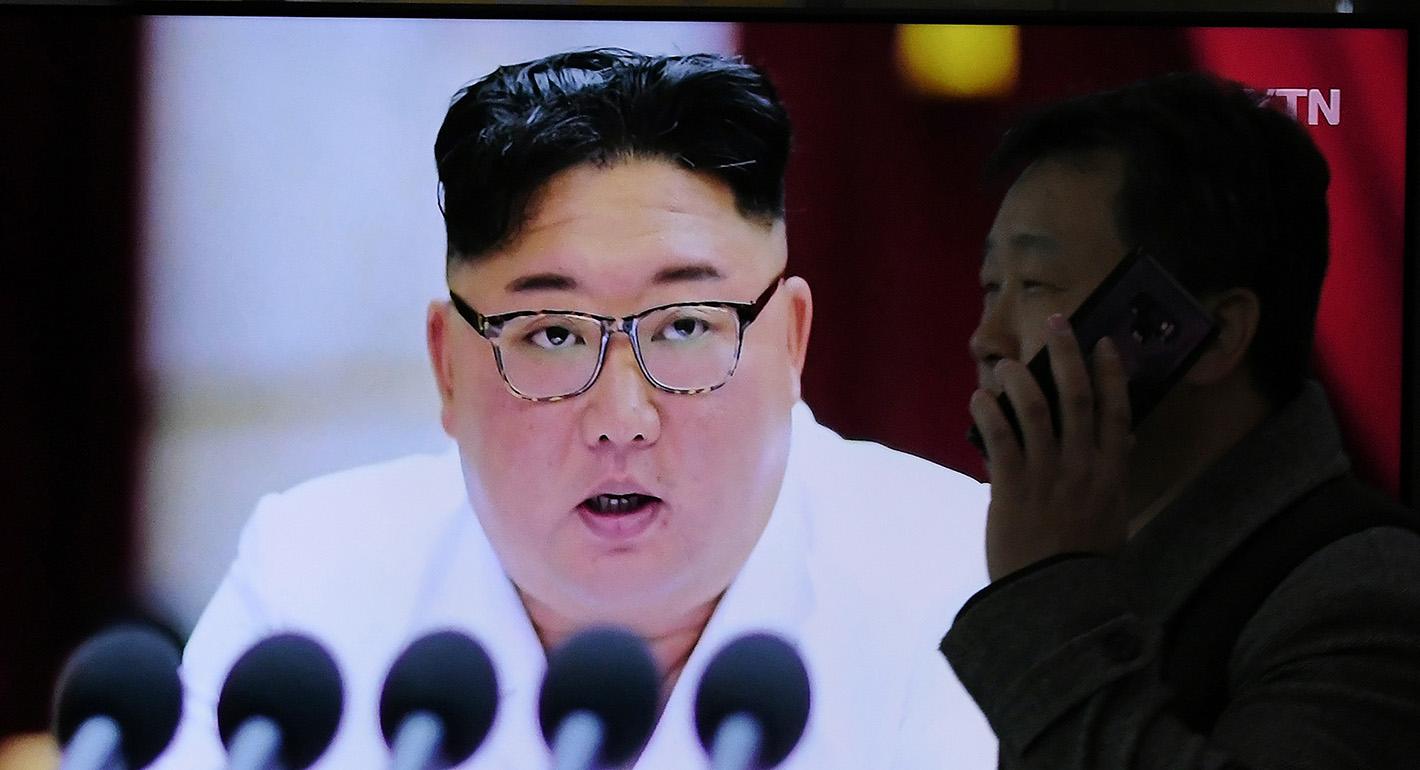
As North Korea continues to stall talks with the United States and South Korea, there is a greater need for China to play a more assertive role to help break the impasse.

Tong Zhao
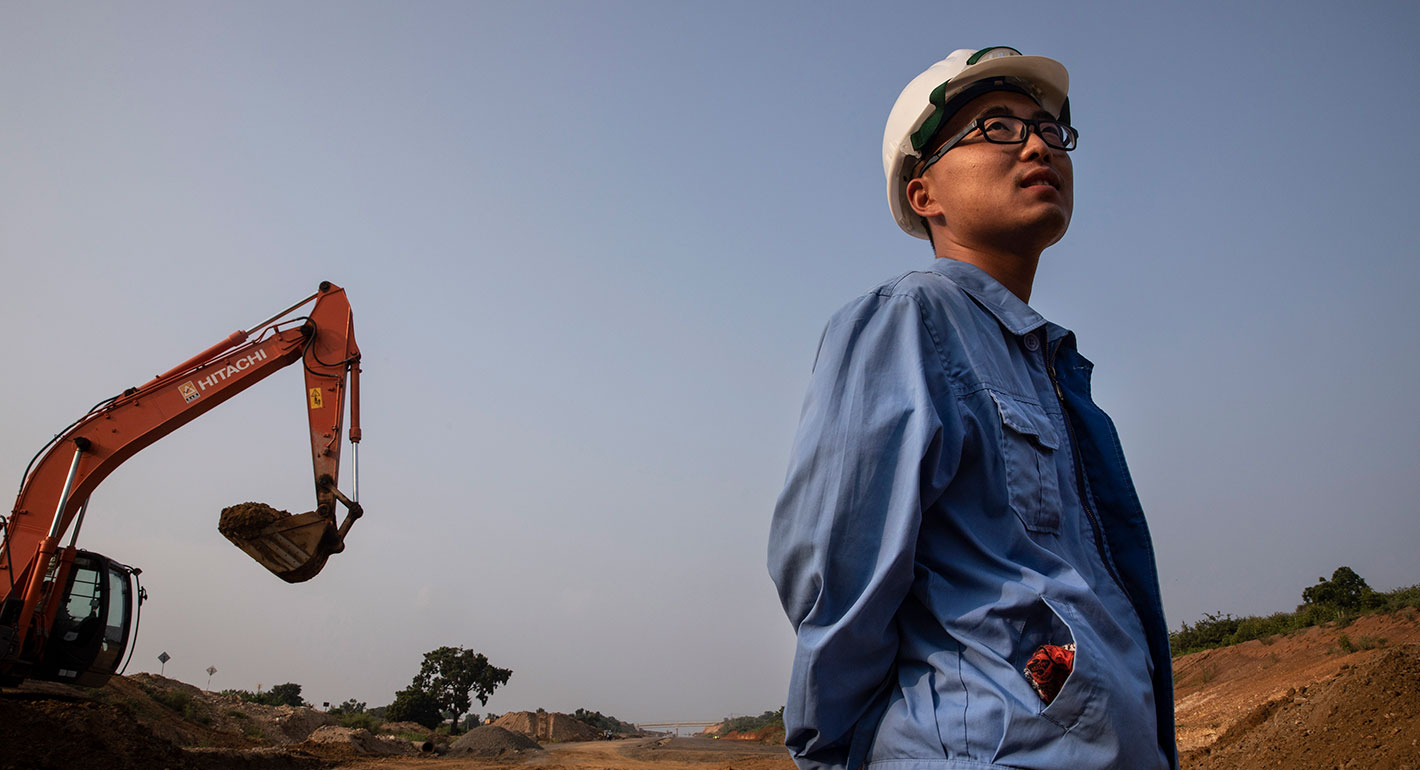
Pitched as a new Silk Road sweeping from Asia to Europe, China’s enormous Belt and Road Initiative is an ambitious, multinational infrastructure project. Experts from four Carnegie global centers explain other countries’ perspectives.


Paul Haenle, Dmitri Trenin, Alexander Gabuev, …
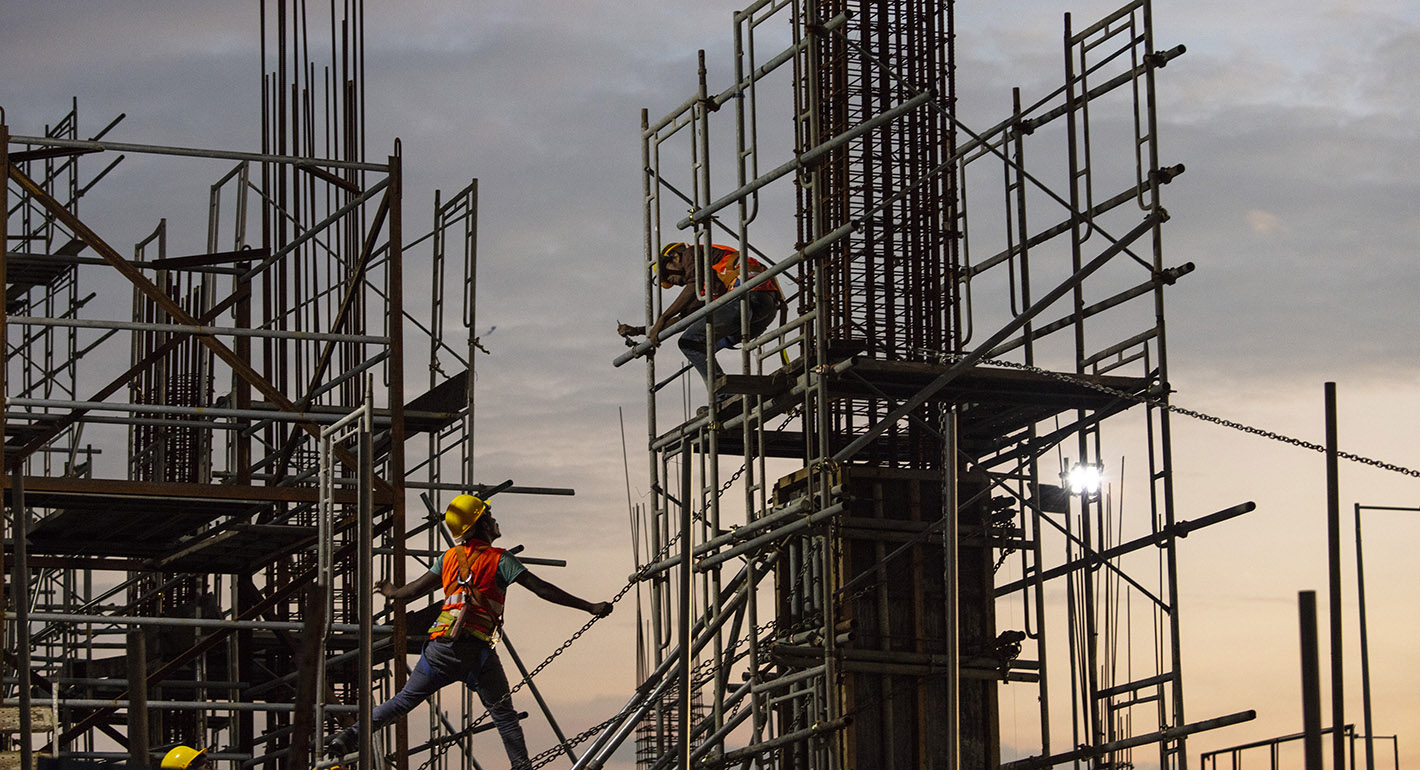
Despite the BRI’s prevalence in discussions of China’s global engagement, many experts are divided on how to interpret it. Is it a global strategy or just an interregional initiative? How can countries and international companies participate in its growth and development?
Feng Yujun, Alexander Gabuev, Paul Haenle, …