

Commentary
The Thai-Cambodian conflict highlights the limits to China's peacemaker ambition and the significance of this role on Southeast Asia’s balance of power.
Pongphisoot (Paul) Busbarat
{
  "authors": [
    "Maha Yahya",
    "Rod Nordland",
    "Christopher Gunness",
    "Aymenn Jawad Al-Tamimi",
    "Wayne White"
  ],
  "type": "legacyinthemedia",
  "centerAffiliationAll": "dc",
  "centers": [
    "Carnegie Endowment for International Peace",
    "Malcolm H. Kerr Carnegie Middle East Center"
  ],
  "collections": [],
  "englishNewsletterAll": "menaTransitions",
  "nonEnglishNewsletterAll": "",
  "primaryCenter": "Malcolm H. Kerr Carnegie Middle East Center",
  "programAffiliation": "MEP",
  "programs": [
    "Middle East"
  ],
  "projects": [],
  "regions": [
    "Gulf",
    "Levant",
    "Iraq",
    "Middle East"
  ],
  "topics": [
    "Political Reform",
    "Security"
  ]
}
Source: Getty
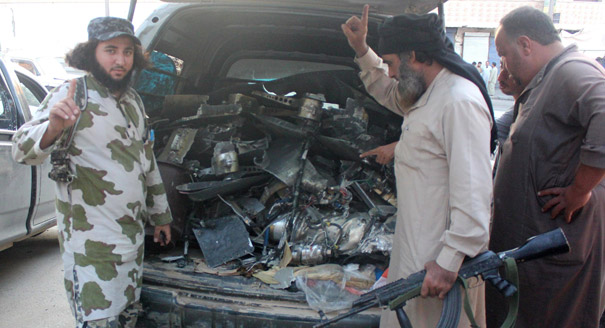
There are signs of internal dissension within the self-proclaimed Islamic State. But even if it is in partial retreat, it is a likely threat in the Middle East—and to Western interests—for years to come.
Source: KCRW’s To the Point
The losses of Kobani in Syria and Tikrit in Iraq are being taken as evidence that the so-called Islamic State is in trouble. Its revenue is reportedly drying up, and untrained recruits are replacing experienced soldiers. But ISIS still is spreading terror.
Iraq’s Prime Minister Haider Al-Abadi is due at the White House on Tuesday, and it’s all about the war against ISIS, the so-called Islamic State. Last year, ISIS looked like the world’s most dangerous terrorist group—intent on restoring the Caliphate that once ruled all Muslims. Unique for extreme brutality and brilliant Internet propaganda, ISIS forced the United States and Iran into an unlikely coalition against it. Now, ISIS is losing captured territory, its sources of money and even competent soldiers. There are signs of internal dissension. But even if it's in partial retreat, it’s a likely threat in the Middle East—and to Western interests—for years to come.
Guests:
Rod Nordland, New York Times (@rodnordland)
Christopher Gunness, United Nations Relief and Works Agency (@ChrisGunness)
Aymenn Jawad Al-Tamimi, Middle East Forum (@ajaltamimi)
Wayne White, Middle East Policy Council (@middleeastinst)
Maha Yahya, Carnegie Middle East Center (@CarnegieMEC)
This apperance was originally broadcast on KCRW’s To the Point.

Director, Malcolm H. Kerr Carnegie Middle East Center
Maha Yahya is director of the Malcolm H. Kerr Carnegie Middle East Center, where her research focuses on citizenship, pluralism, and social justice in the aftermath of the Arab uprisings.
Rod Nordland
Christopher Gunness
Aymenn Jawad Al-Tamimi
Wayne White
Carnegie does not take institutional positions on public policy issues; the views represented herein are those of the author(s) and do not necessarily reflect the views of Carnegie, its staff, or its trustees.
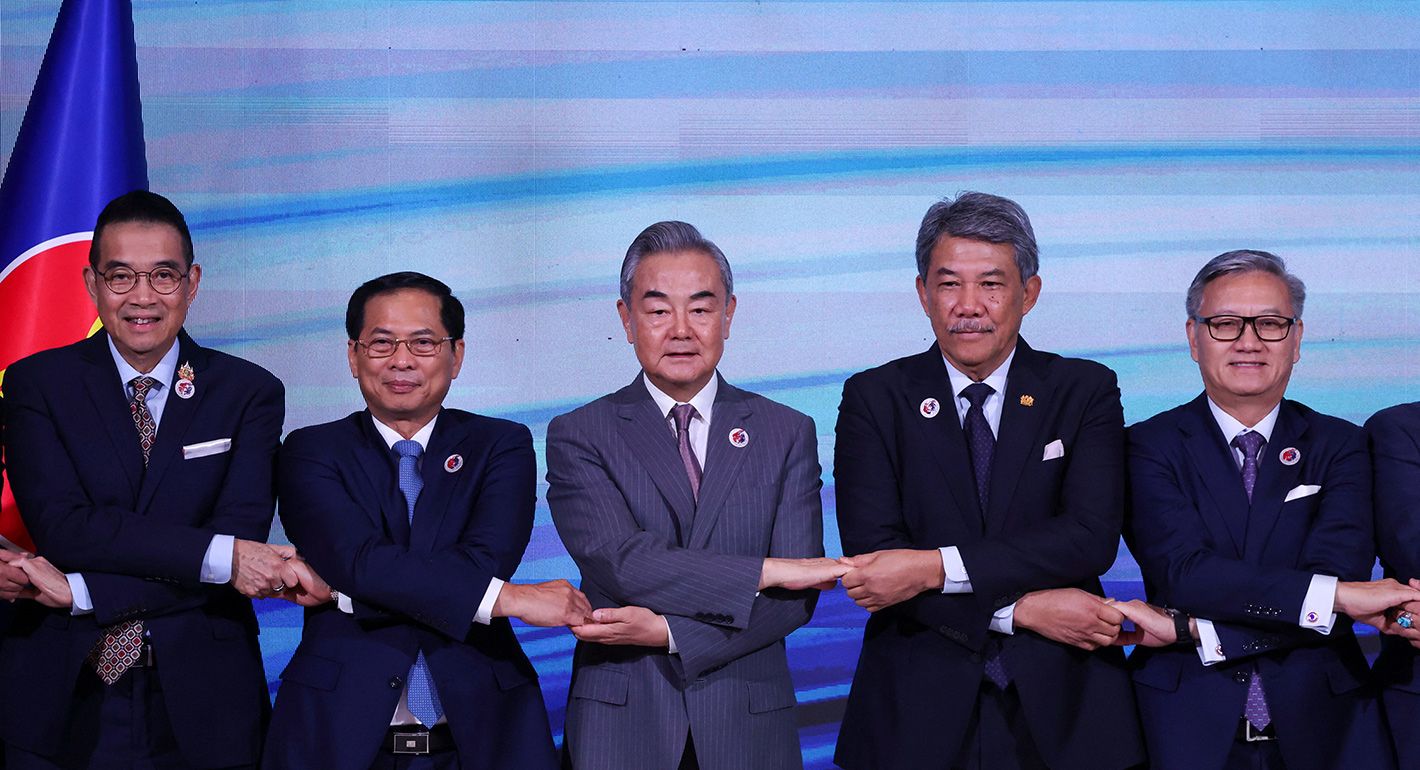
The Thai-Cambodian conflict highlights the limits to China's peacemaker ambition and the significance of this role on Southeast Asia’s balance of power.

Pongphisoot (Paul) Busbarat
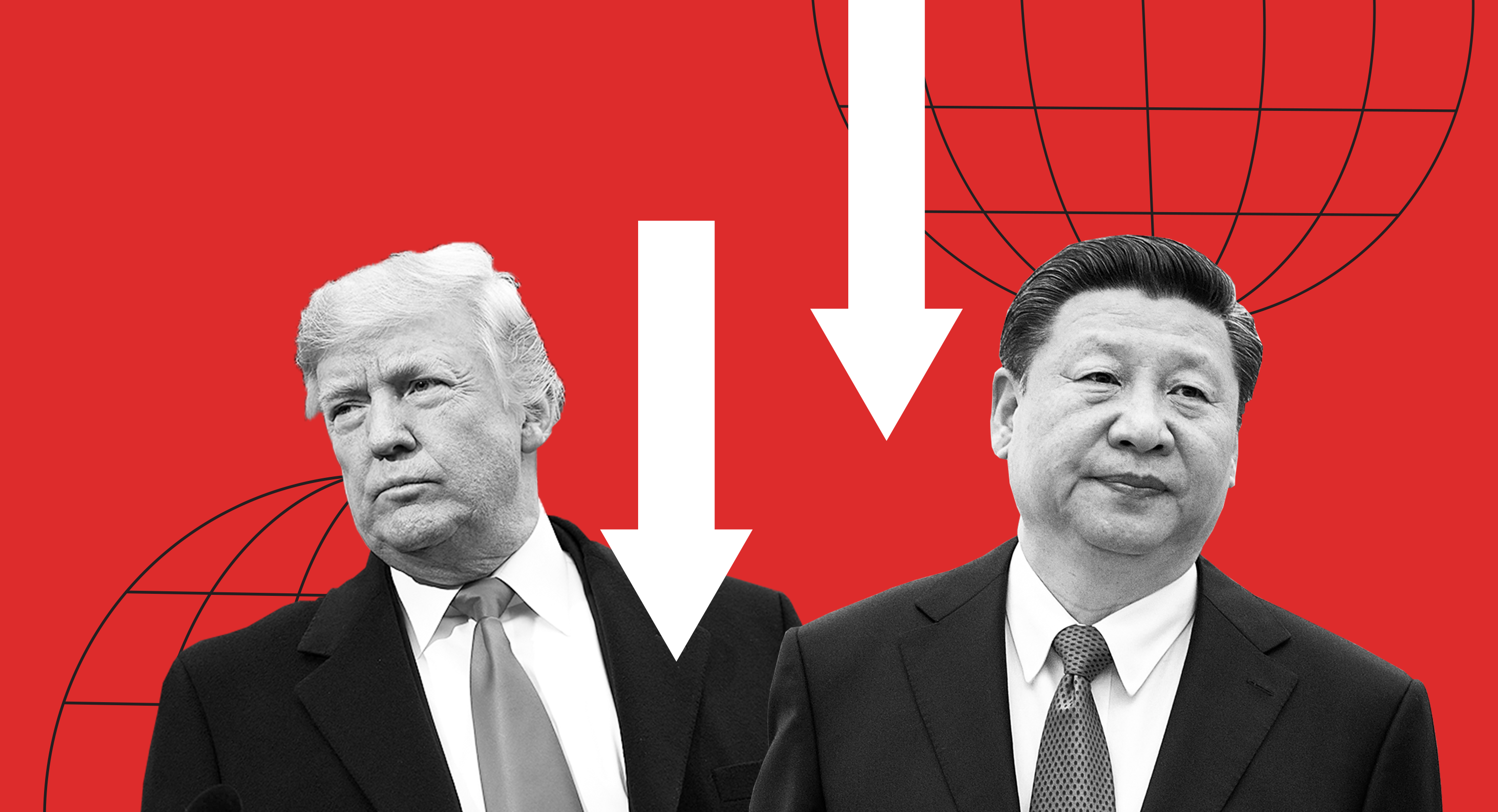
Beijing believes that Washington is overestimating its own leverage and its ability to handle the trade war’s impacts.


Rick Waters, Sheena Chestnut Greitens
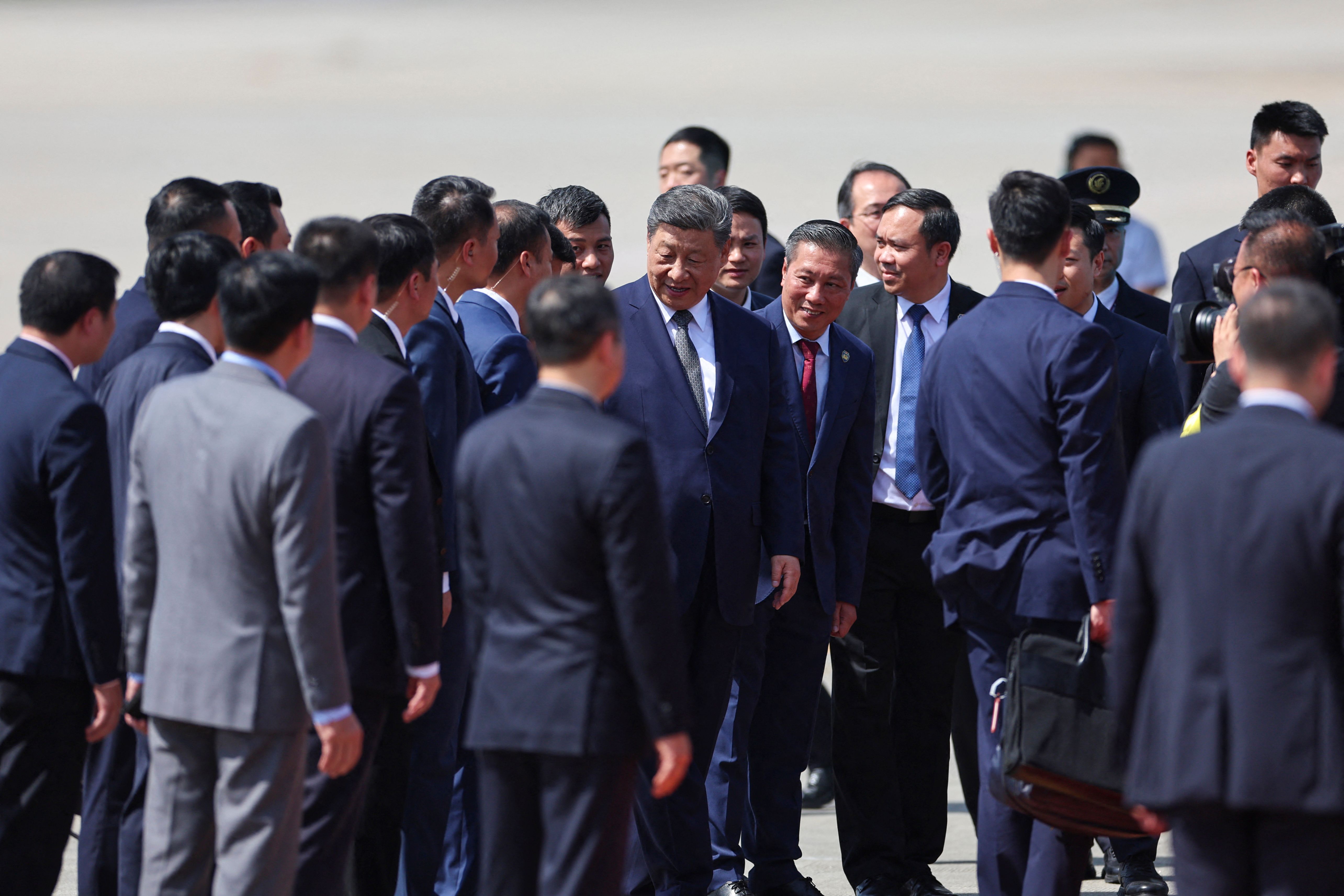
Tapping our network of China experts in the region, Carnegie China offers this latest “China Through a Southeast Asian Lens” report to offer preliminary assessments of whether the U.S. effort to reshape the global trading order will lead countries in the region to tilt toward Beijing.
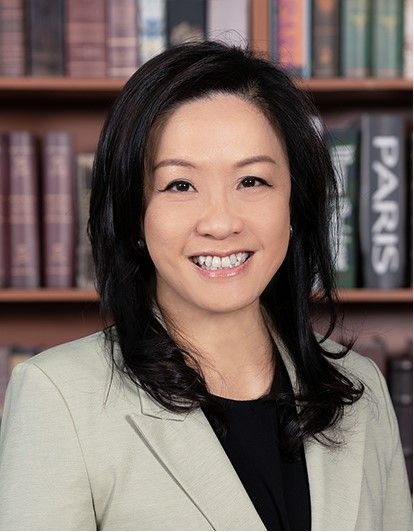


Selina Ho, Khin Khin Kyaw Kyee, Joseph Ching Velasco, …
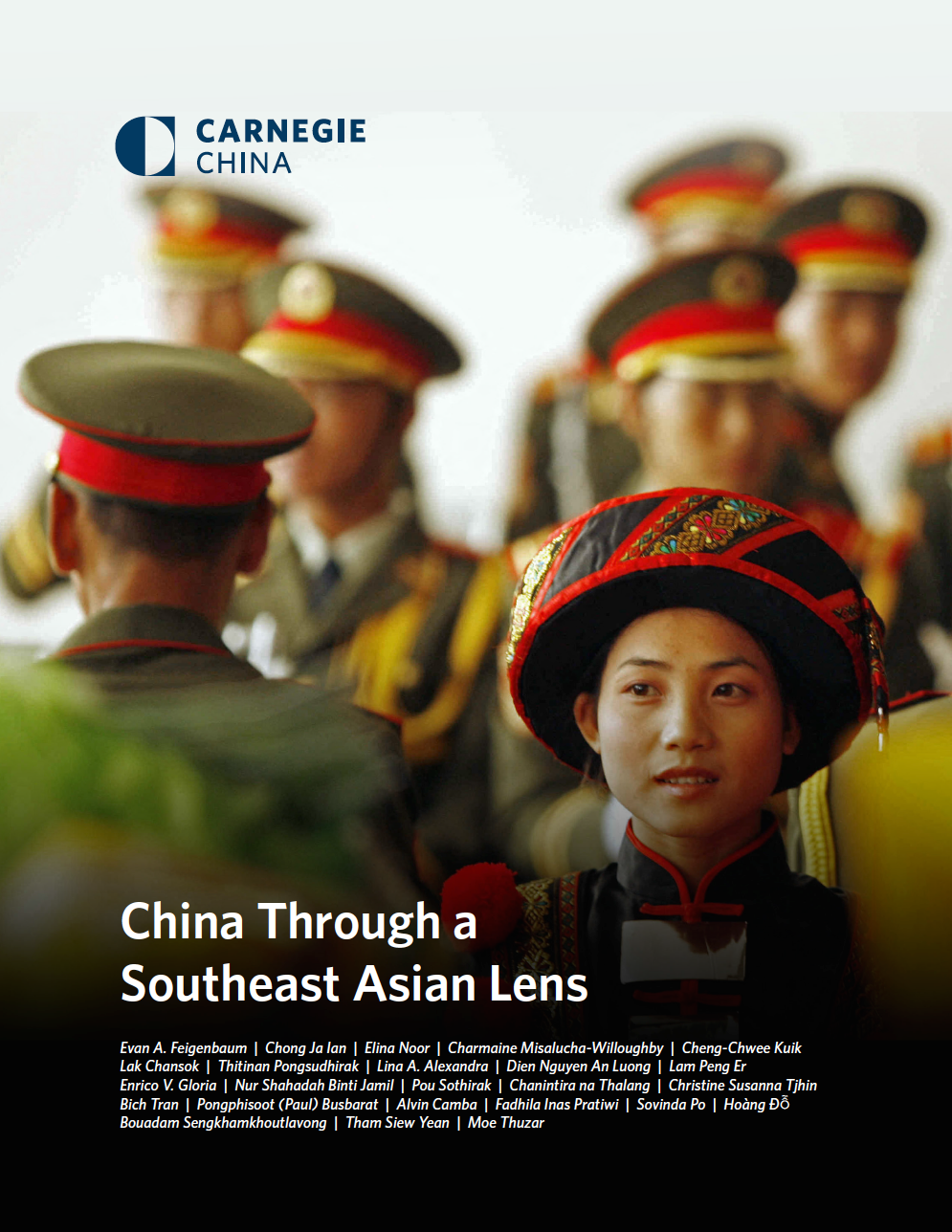
Because strategic, economic, and ideological perceptions of China contain multiple, sometimes contradictory facets in Southeast Asia, receptions of and responses to Beijing diverge across and within state lines.



Evan A. Feigenbaum, Chong Ja Ian, Elina Noor
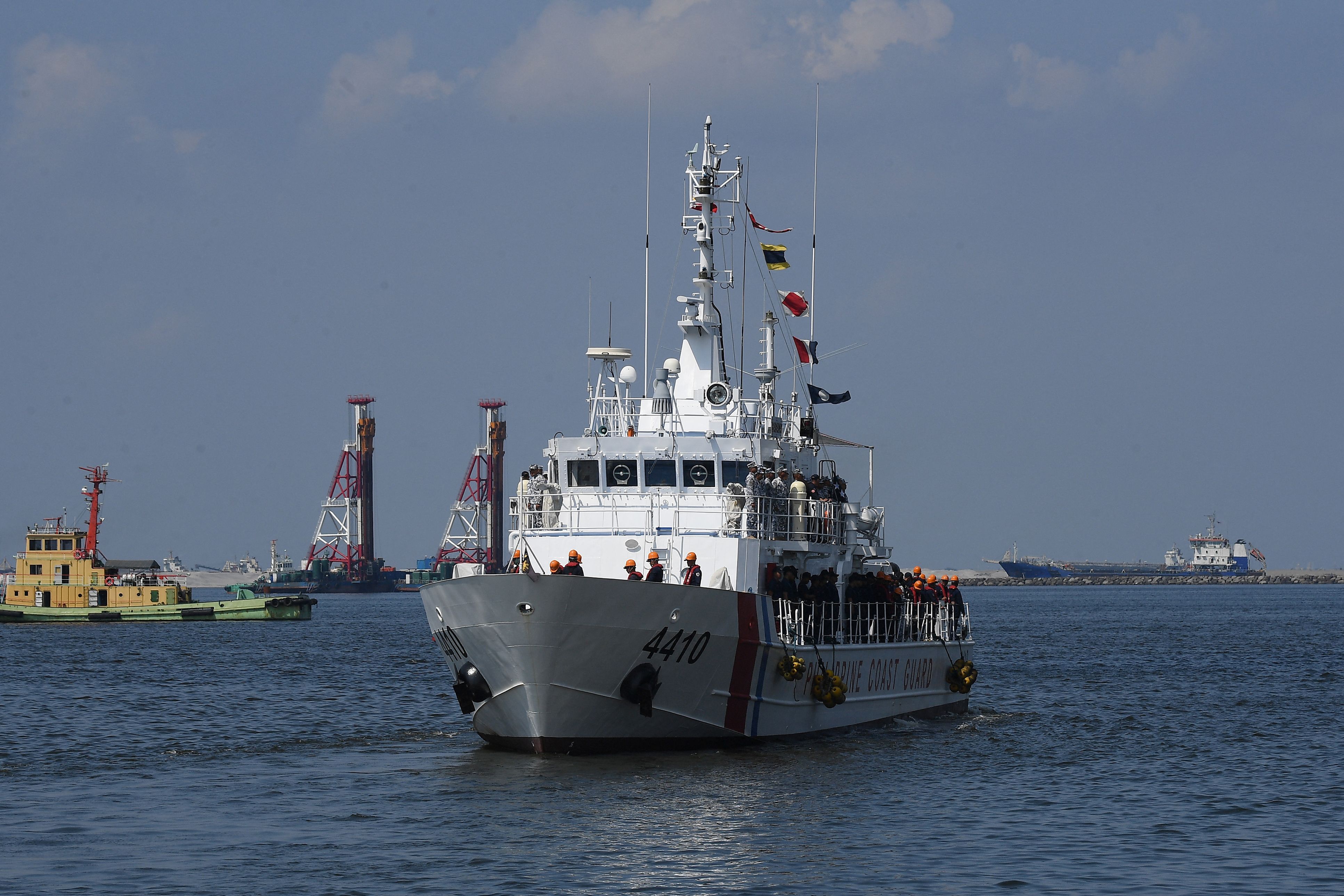
Most Southeast Asian states behave as if the actions of their Northeast Asian neighbors and the Philippines will be sufficient to maintain a regional status quo from which they can benefit.
Chong Ja Ian