

In The Media
Mario Abou Zeid
{
  "authors": [
    "Mario Abou Zeid"
  ],
  "type": "legacyinthemedia",
  "centerAffiliationAll": "dc",
  "centers": [
    "Carnegie Endowment for International Peace",
    "Malcolm H. Kerr Carnegie Middle East Center"
  ],
  "collections": [],
  "englishNewsletterAll": "menaTransitions",
  "nonEnglishNewsletterAll": "",
  "primaryCenter": "Malcolm H. Kerr Carnegie Middle East Center",
  "programAffiliation": "MEP",
  "programs": [
    "Middle East"
  ],
  "projects": [],
  "regions": [
    "Levant",
    "Lebanon",
    "Syria",
    "Middle East"
  ],
  "topics": [
    "Political Reform",
    "Security"
  ]
}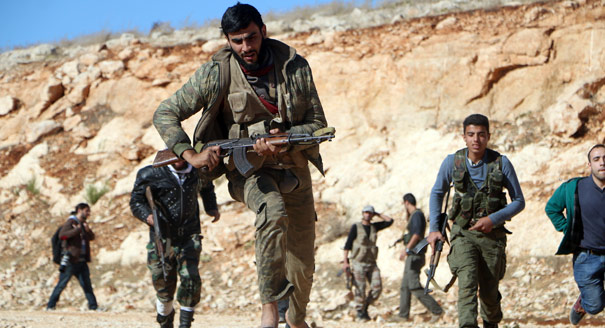
Source: Getty
Qalamoun is strategically important for both the Assad regime and Syrian opposition groups.
Source: Al Jazeera
The long-planned spring battle of Qalamoun—between Hezbollah and Syrian President Bashar al-Assad’s forces on one hand, and Syrian rebels on the other hand—started last weekend. Though the Assad regime and Hezbollah are striving for a victory to regain momentum, it will be a lengthy and costly one that will further degrade their capabilities. Furthermore, it has exposed the reality of the Islamic State of Iraq and the Levant (ISIL) in Qalamoun; that it is operated by the Syrian regime’s intelligence.
The Qalamoun area is of strategic importance for both camps. It is a vital supply line between Syrian and Lebanese territory, at a tactical proximity of the M5 Damascus-Aleppo highway.
The ability of fighters to control this area would put Damascus, the stronghold of the regime, at great imminent risk. In addition, it would significantly curb Hezbollah’s ability to provide logistical support to the regime and transport fighters to Syrian territory.With that in mind, both camps have been reinforcing their positions and scouting this border area to identify targets during the past year, and waiting for the right moment to attack.
Hezbollah has declared the Qalamoun battle an existential one. As a matter of fact, this is one of the last areas through which Hezbollah is capable of securing supply lines from Tehran to Damascus, reaching its strongholds in Lebanon.
The cross-border fighting has significantly limited the capabilities of Hezbollah to transfer Iranian weapons to Lebanon. Therefore, in any potential confrontation on the southern Lebanese front, Hezbollah will be cut off from its Syrian backyard and trapped on Lebanese soil.
In addition, since its participation in the Syrian conflict, Hezbollah has been overstretched inside Syrian territory. With continuous losses, excessive cost and increasing casualties in Syria, Hezbollah has been gradually withdrawing towards the border area.
Hezbollah has declared the Qalamoun battle an existential one. As a matter of fact, this is one of the last areas through which Hezbollah is capable of securing supply lines from Tehran to Damascus.
If Hezbollah does not win this battle, it will soon lose its direct and easy access to Syrian soil. For this reason, it has been mobilizing the Shia community in Lebanon to recruit more people to join this fight under the rhetoric of defending themselves against a so-called Sunni extremist invasion.
Similarly, al-Nusra Front, the strongest emerging entity in the Syrian conflict in the past year, will not give up on the Qalamoun front, and has been mobilizing Sunnis.
Nusra has been investing in Lebanese Sunni neighbourhoods, border towns and refugee communities to generate more support for its anti-Assad campaign and anti-Hezbollah intervention in Syria. It is showing tremendous flexibility and pragmatism while learning from the mistakes of its rival, ISIL.
In the past two weeks, a clear message has been spread to encourage young Sunnis and refugees in Lebanon to join the fight - notably by sending mobile phone messages rallying support for the group.
Also, Nusra has been forging more alliances to unite the various militant groups in Qalamoun. This is being done with an aim to better coordinate their defensive operations and offensive manoeuvres.
Recent developments in Syria have encouraged Syrian rebels to cooperate together to replicate the successes they had in Idlib province and Jisr al-Shoughour.
This cooperation gave them an upper hand in the fight against Assad and his allies for the first time since the beginning of the conflict. If successful, it would bolster the fighters’ chances not only to maintain their positions in Qalamoun, but to expand further towards Damascus and the Quneitra area.
Despite the fact that the Syrian regime and Hezbollah have dedicated overwhelming combat power towards the Qalamoun front, they have resorted to another tactic: using residual ISIL fighters in Qalamoun to test their capabilities and readiness. As such, last weekend, the battle did not start with direct, full-scale confrontations between the two camps.
As a matter of fact, residual ISIL fighters in Qalamoun initiated skirmishes against Free Syrian Army fighters, in an attempt to test their responsive capability and distract them from the main battle with Hezbollah and the regime.
Based on my own field research, there is reason to believe that ISIL fighters in Qalamoun are operated by the Syrian intelligence. In previous months, ISIL forces on the Qalamoun front were redeployed deep inside Syrian territory and in Iraq. ISIL’s top priority at present is to defend areas it controls, especially after the losses of Kobane in northern Syria and Tikrit in Iraq.
Tracing their roots, they were part of a group of prisoners who were freed from the Syrian regime jails back in 2011 by the Syrian intelligence agencies in an attempt to subvert the opposition. Syrian intelligence operatives have reportedly directed their actions, using them to divide the opposition from the inside, a tactic that was also used in Qalamoun. Suffering from divested morale among its troops, the Assad regime has been increasingly been resorting to similar gambits to weaken the opposition.
The Qalamoun battle will not be a classic confrontation to liberate and control border areas. It is taking the shape of an intertwined battle of positions. The side that controls the hills and peaks will have a significant advantage, regardless of the amount of territory it controls.
Assad regime forces and Hezbollah fighters’ objectives to shock, engulf and invade rebel positions in record time failed. Entrenched in the high peaks and hills of the Qalamoun mountains, the newly formed coalition of opposition groups, under the title of Army of Conquest in Qalamoun, led ferocious counterattacks that withstood Syrian regime air strikes, artillery fire and Hezbollah rockets. The militants are imitating Hezbollah’s own strategy in southern Lebanon when it fought the Israelis. They have excavated a sophisticated network of caves, underground tunnels, and trenches that gave them the capability to ambush and push back any attempt to infiltrate their fortified positions, inflicting heavy losses.
Both Assad regime troops and Hezbollah fighters have reportedly suffered significant losses in the past few days. Several prominent Hezbollah field commanders in charge of the offensive are said to have been killed in action.
This has pushed the Hezbollah leadership to renounce the announcement of the beginning of the Qalamoun offensive in order not to further demoralize their troops due to the first round of casualties, though the operations have already started.
This battle will further damage the survival odds of the Syrian regime, and additionally exhaust Hezbollah’s military capabilities.

Former Research Analyst, Middle East Center
Abou Zeid was a research analyst at the Carnegie Middle East Center, where his work focuses on political developments in Lebanon, Syria, Iraq, and Iran.
Recent Work
Mario Abou Zeid
Mario Abou Zeid
Carnegie does not take institutional positions on public policy issues; the views represented herein are those of the author(s) and do not necessarily reflect the views of Carnegie, its staff, or its trustees.
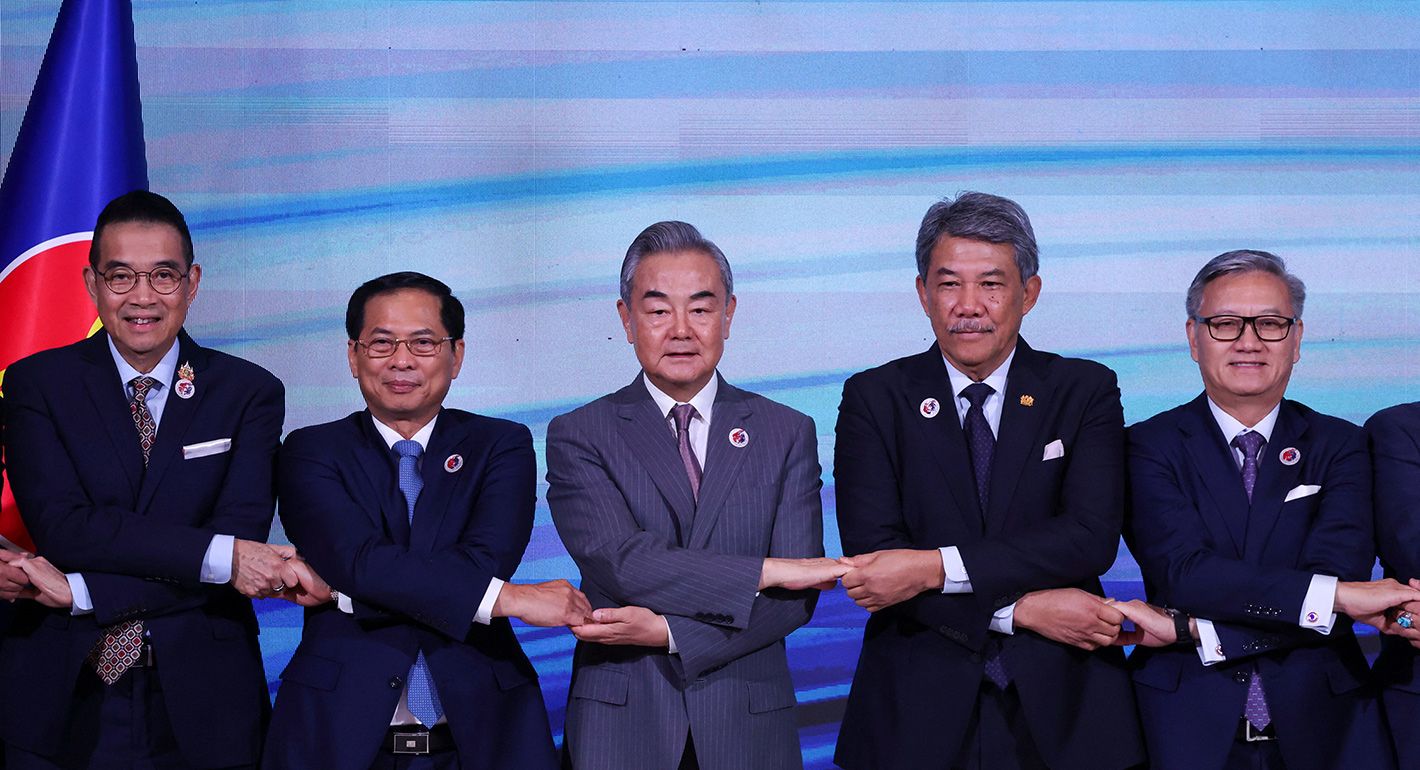
The Thai-Cambodian conflict highlights the limits to China's peacemaker ambition and the significance of this role on Southeast Asia’s balance of power.

Pongphisoot (Paul) Busbarat
Beijing believes that Washington is overestimating its own leverage and its ability to handle the trade war’s impacts.


Rick Waters, Sheena Chestnut Greitens
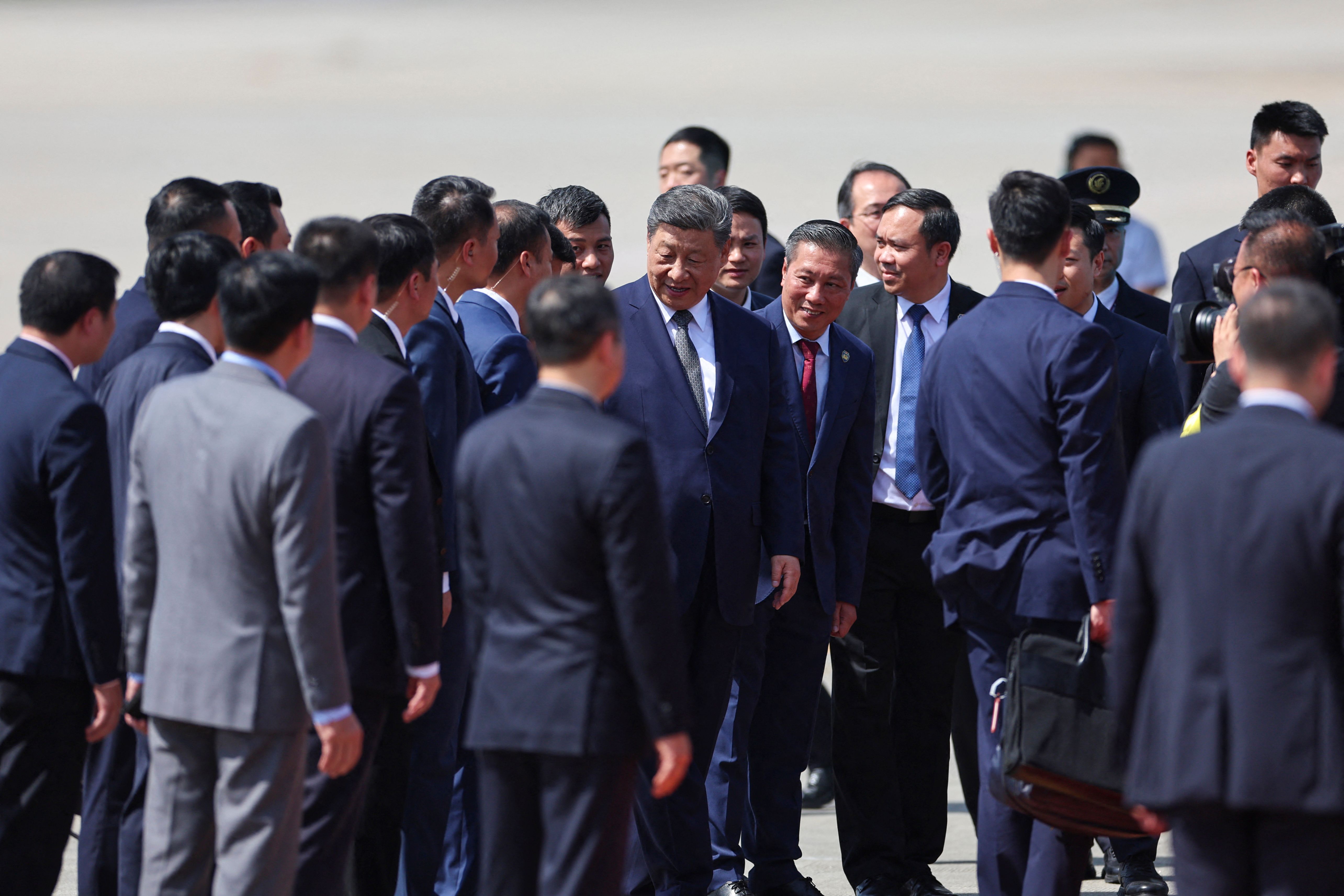
Tapping our network of China experts in the region, Carnegie China offers this latest “China Through a Southeast Asian Lens” report to offer preliminary assessments of whether the U.S. effort to reshape the global trading order will lead countries in the region to tilt toward Beijing.



Selina Ho, Khin Khin Kyaw Kyee, Joseph Ching Velasco, …
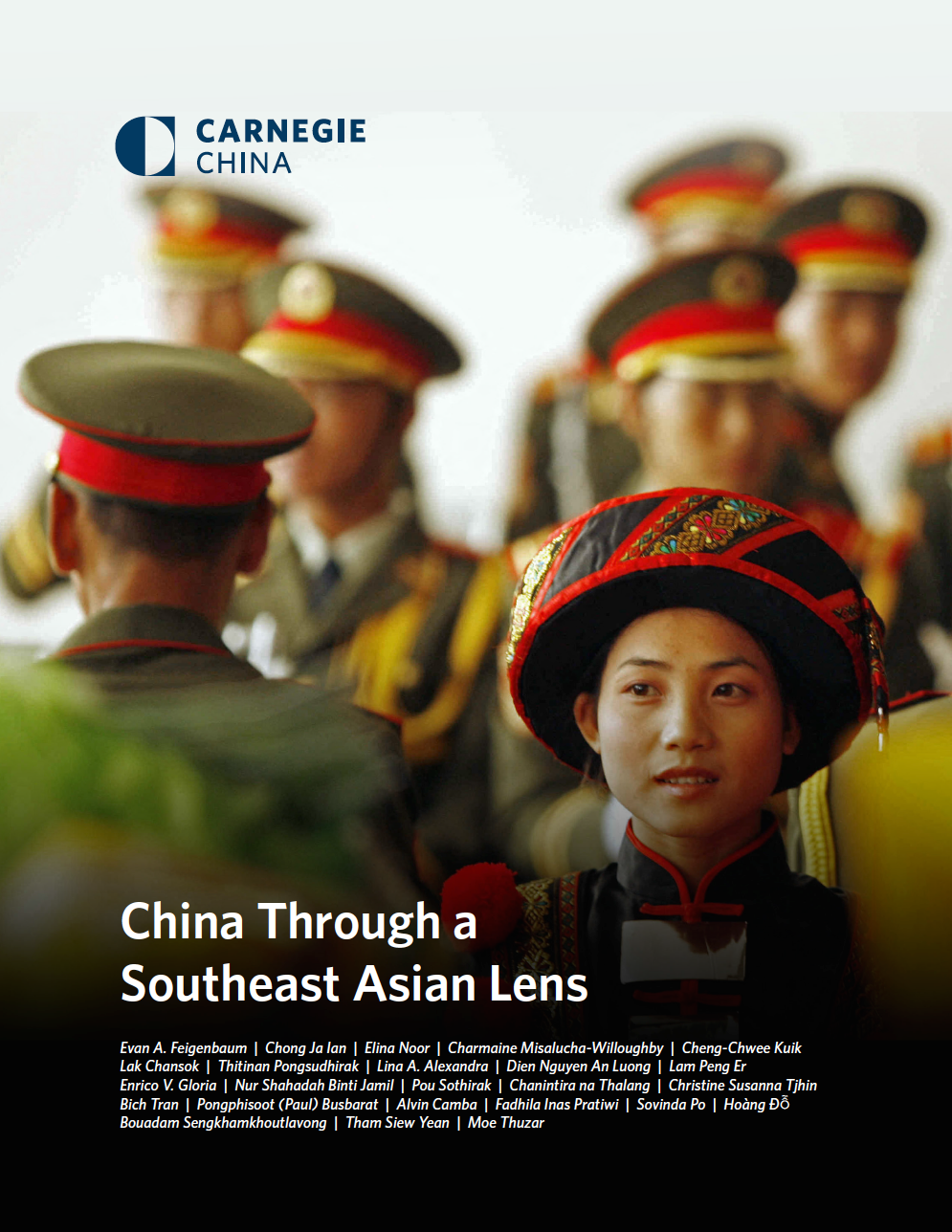
Because strategic, economic, and ideological perceptions of China contain multiple, sometimes contradictory facets in Southeast Asia, receptions of and responses to Beijing diverge across and within state lines.



Evan A. Feigenbaum, Chong Ja Ian, Elina Noor
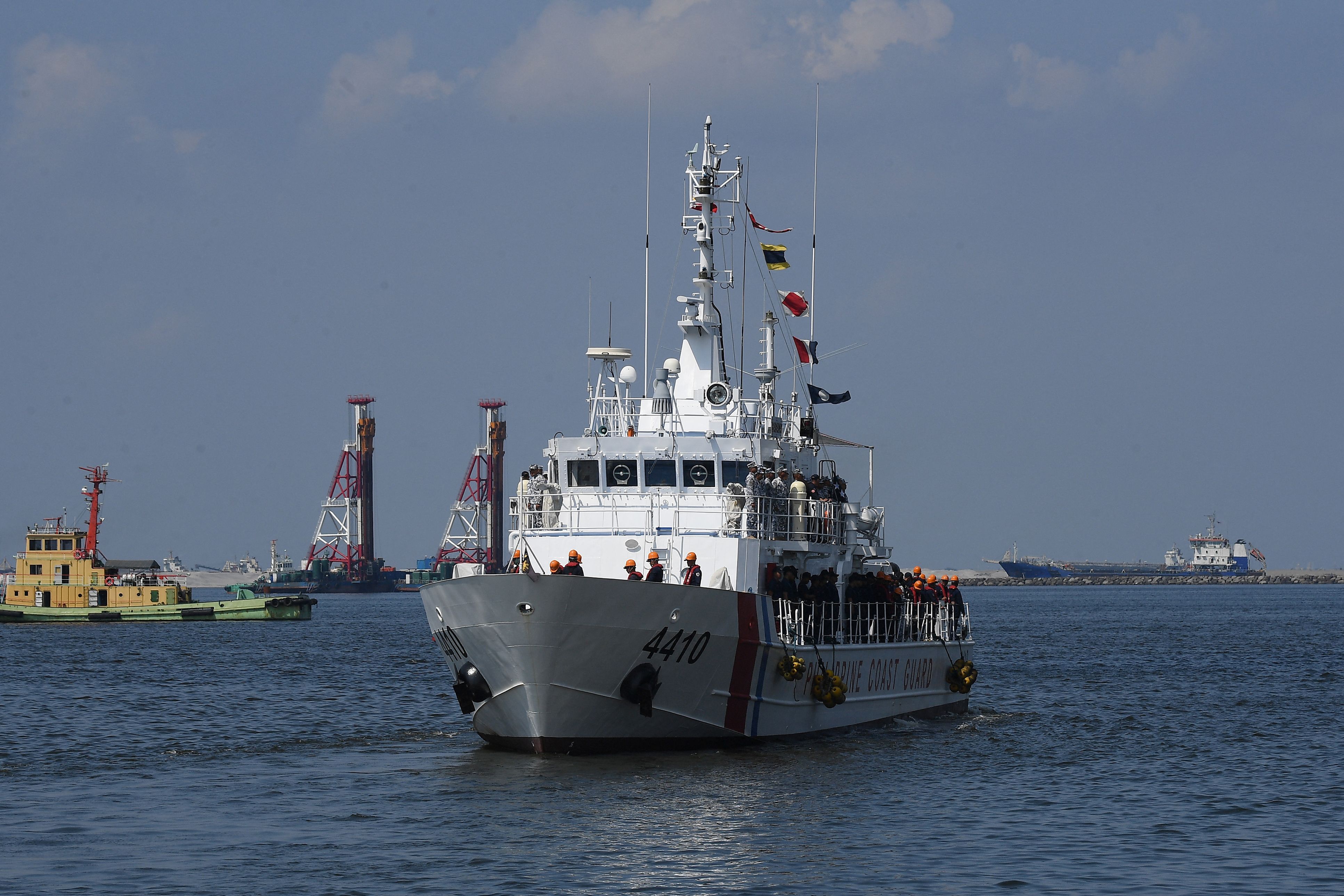
Most Southeast Asian states behave as if the actions of their Northeast Asian neighbors and the Philippines will be sufficient to maintain a regional status quo from which they can benefit.
Chong Ja Ian