

Commentary
Malaysia’s chairmanship sought to fend off short-term challenges while laying the groundwork for minimizing ASEAN’s longer-term exposure to external stresses.
Elina Noor
{
  "authors": [
    "Nikolay Kozhanov",
    "Jeffrey Mankoff"
  ],
  "type": "legacyinthemedia",
  "centerAffiliationAll": "dc",
  "centers": [
    "Carnegie Endowment for International Peace",
    "Malcolm H. Kerr Carnegie Middle East Center",
    "Carnegie Russia Eurasia Center"
  ],
  "collections": [],
  "englishNewsletterAll": "ctw",
  "nonEnglishNewsletterAll": "",
  "primaryCenter": "Carnegie Russia Eurasia Center",
  "programAffiliation": "russia",
  "programs": [
    "Russia and Eurasia"
  ],
  "projects": [
    "Eurasia in Transition"
  ],
  "regions": [
    "Levant",
    "Middle East",
    "Syria",
    "Russia"
  ],
  "topics": [
    "Political Reform",
    "Security",
    "Military",
    "Foreign Policy"
  ]
}
Source: Getty
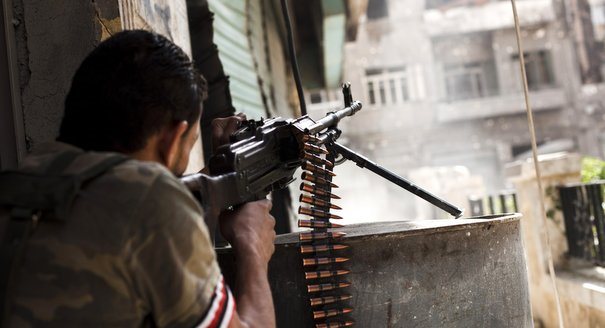
The increase of Russian supplies and presence in support of the Bashar al-Assad’s regime is part of the Russian plan to start negotiations on the ground to resolve the Syrian crisis.
Source: ABC’s Saturday Extra
Russia has deployed large amounts of military equipment to Syria, including fighter aircraft, surface-to-air missiles, and about 2,000 personnel to support the regime of President Bashar al-Assad, a longtime ally of the Kremlin.
On the diplomatic front, Russia has been engaged in military-to-military talks with the United States, held discussions with the Syrian opposition and the Assad regime, and this week President Vladimir Putin will address the United Nations General Assembly—his first address in a decade.Why is Russia acting now? Carnegie Moscow Center’s Nikolay Kozhanov answered this question in his interview on ABC with Geraldine Doogue. Jeffrey Mankoff, acting director and fellow in the Russia and Eurasia Program at the Center for Strategic and International Studies (CSIS), also participated.
The Russians have been involved in Syria since the beginning of the crisis, Kozhanov said. He argued that the current increase of Russian supplies and presence in support of the Assad’s regime is part of the Russian plan to start negotiations on the ground to resolve the crisis—the Kremlin would like to bolster the regime long enough so that it survives until the start of this reconciliation process.
Russians do not believe that Assad’s days are over, Kozhanov added, since they recognize that there is no individual, in their mind, who can take his place. Also, Moscow thinks that only the preservation of the current Syrian regime will guarantee the survival of this country.
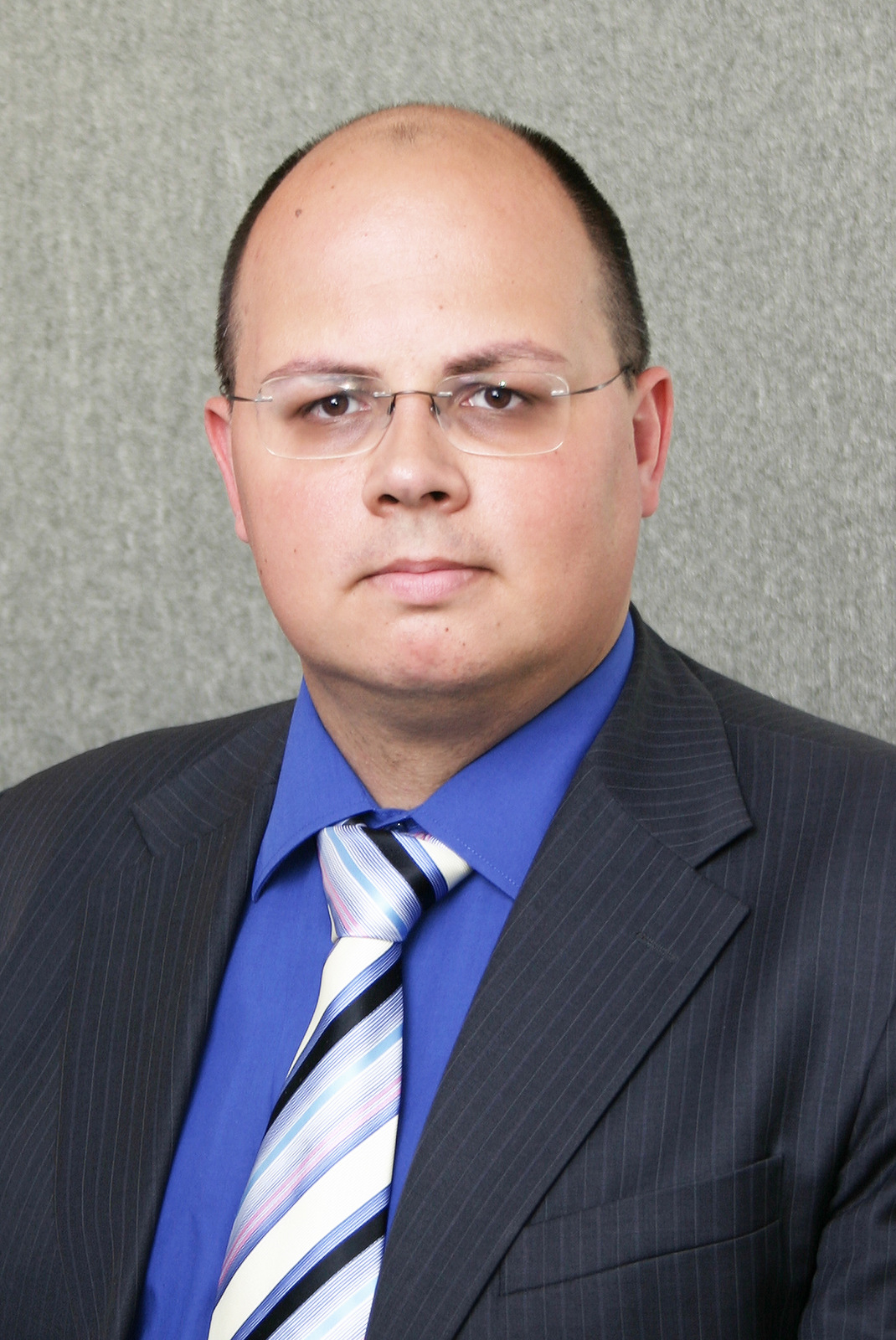
Nikolay Kozhanov
Former nonresident scholar, Foreign and Security Policy Program, Moscow Center
Kozhanov is a former nonresident scholar at the Carnegie Moscow Center and a contributing expert to the Moscow-based Institute of the Middle East.
Jeffrey Mankoff
Carnegie does not take institutional positions on public policy issues; the views represented herein are those of the author(s) and do not necessarily reflect the views of Carnegie, its staff, or its trustees.

Malaysia’s chairmanship sought to fend off short-term challenges while laying the groundwork for minimizing ASEAN’s longer-term exposure to external stresses.

Elina Noor

For Malaysia, the conjunction that works is “and” not “or” when it comes to the United States and China.
Elina Noor
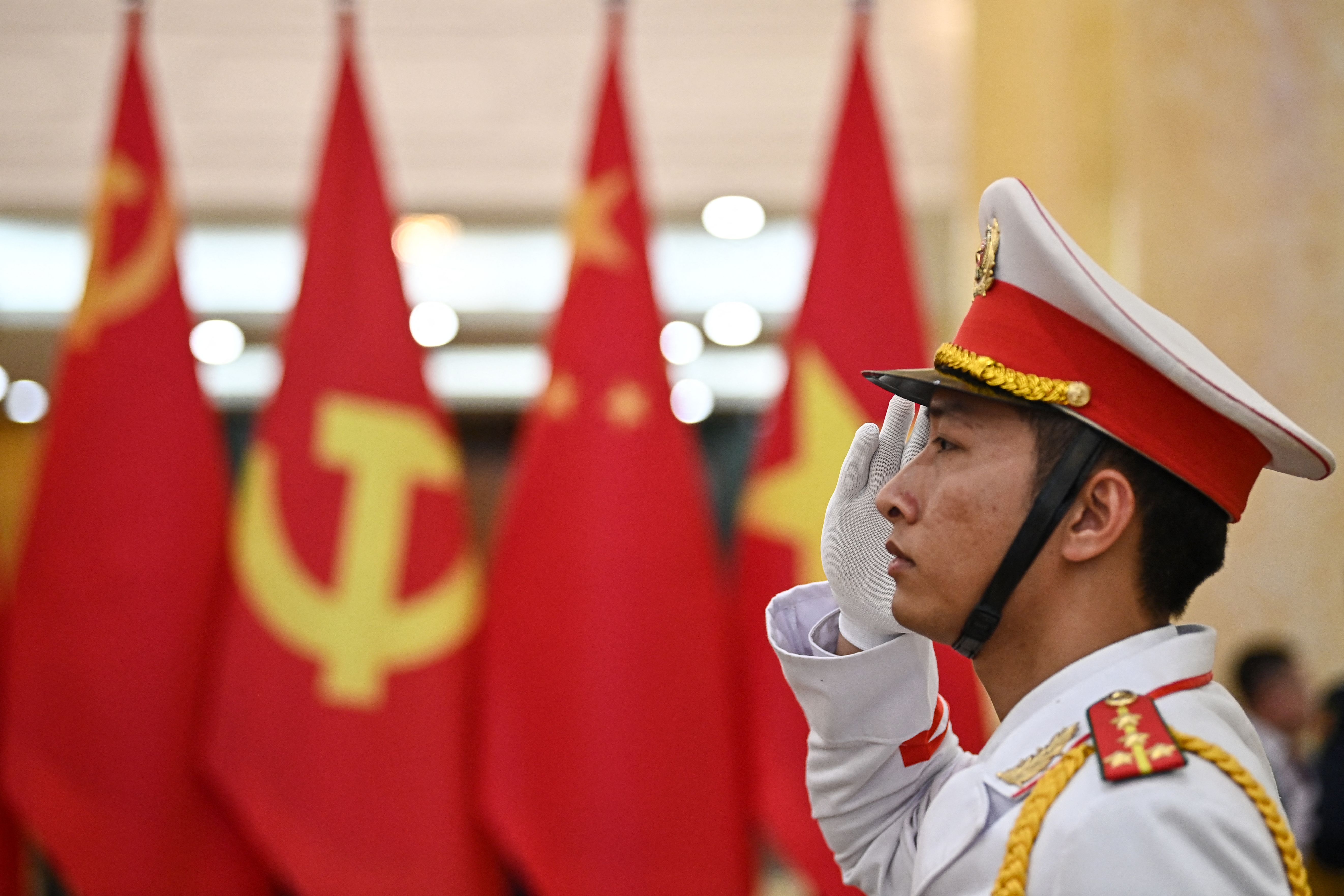
In July 2025, Vietnam and China held their first joint army drill, a modest but symbolic move reflecting Hanoi’s strategic hedging amid U.S.–China rivalry.

Nguyễn Khắc Giang
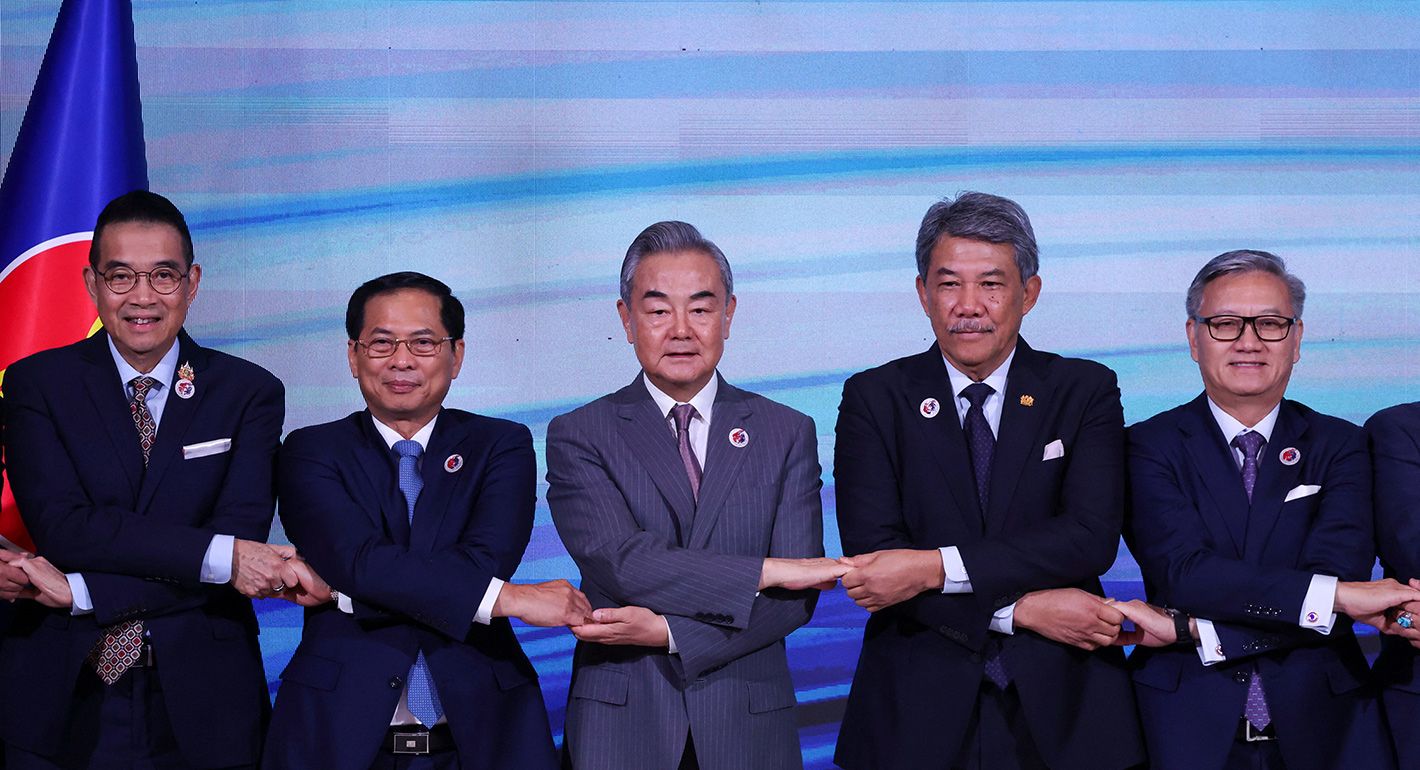
The Thai-Cambodian conflict highlights the limits to China's peacemaker ambition and the significance of this role on Southeast Asia’s balance of power.
Pongphisoot (Paul) Busbarat
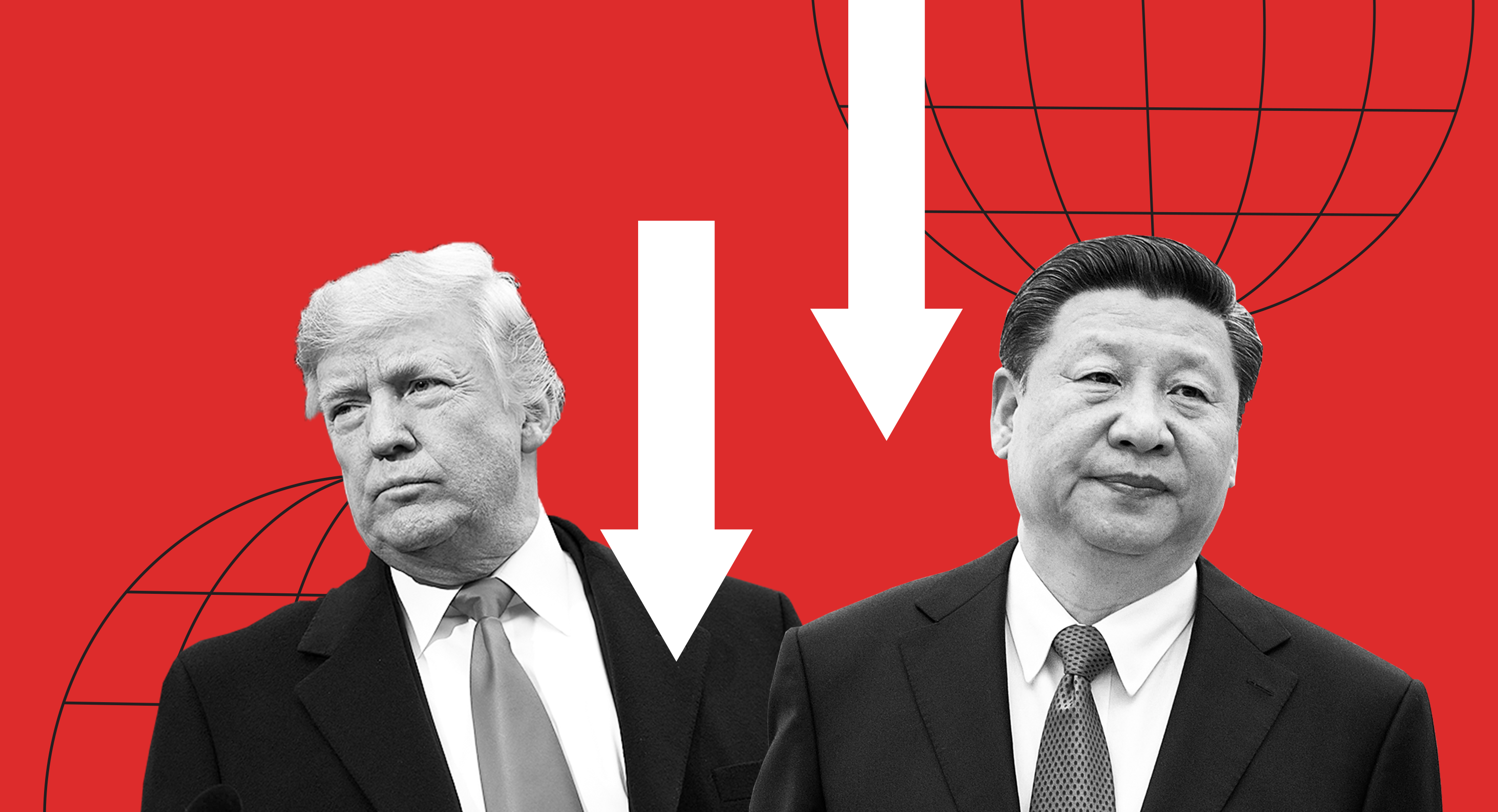
Beijing believes that Washington is overestimating its own leverage and its ability to handle the trade war’s impacts.

Rick Waters, Sheena Chestnut Greitens