

Commentary
The advantage that China has over other global powers, especially America, is that its foreign policy is closely aligned with those of many of the Middle Eastern countries.
Jin Liangxiang, Maha Yahya, Hesham Alghannam
{
  "authors": [
    "Joseph Bahout",
    "Steven Cook",
    "Shadi Hamid",
    "Rachel Havrelock",
    "Emad Shahin",
    "Galip Dalay"
  ],
  "type": "other",
  "centerAffiliationAll": "dc",
  "centers": [
    "Carnegie Endowment for International Peace"
  ],
  "collections": [
    "Arab Awakening"
  ],
  "englishNewsletterAll": "menaTransitions",
  "nonEnglishNewsletterAll": "",
  "primaryCenter": "Carnegie Endowment for International Peace",
  "programAffiliation": "MEP",
  "programs": [
    "Middle East"
  ],
  "projects": [],
  "regions": [
    "Middle East",
    "Israel",
    "North Africa",
    "Iraq",
    "Lebanon",
    "Jordan",
    "Palestine",
    "Syria"
  ],
  "topics": [
    "Political Reform"
  ]
}
Source: Getty
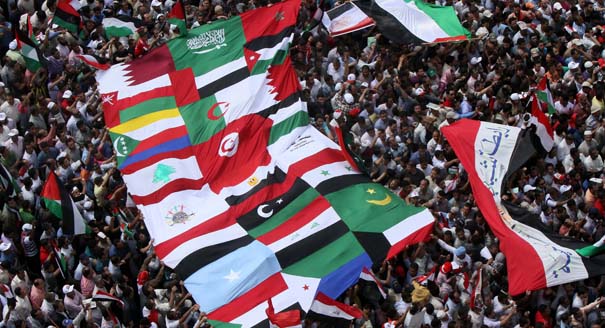
One hundred years after the division of the Middle East, the effects of the Sykes-Picot agreement are still playing out across the region.
Source: Foreign Affairs
The Sykes-Picot agreement that divided the Middle East one hundred years ago has profoundly impacted the political history and trajectory of the modern Middle East. Speaking with Foreign Affairs, Carnegie's Joseph Bahout assessed the consequences of this historic agreement.

Former Nonresident Fellow, Middle East Program
Joseph Bahout was a nonresident fellow in Carnegie’s Middle East Program. His research focuses on political developments in Lebanon and Syria, regional spillover from the Syrian crisis, and identity politics across the region.
Steven Cook
Shadi Hamid
Shadi Hamid is a senior fellow in the Project on U.S. Relations with the Islamic World in the Center for Middle East Policy. He served as director of research at the Brookings Doha Center until January 2014.
Rachel Havrelock
Emad Shahin
Galip Dalay
Carnegie does not take institutional positions on public policy issues; the views represented herein are those of the author(s) and do not necessarily reflect the views of Carnegie, its staff, or its trustees.
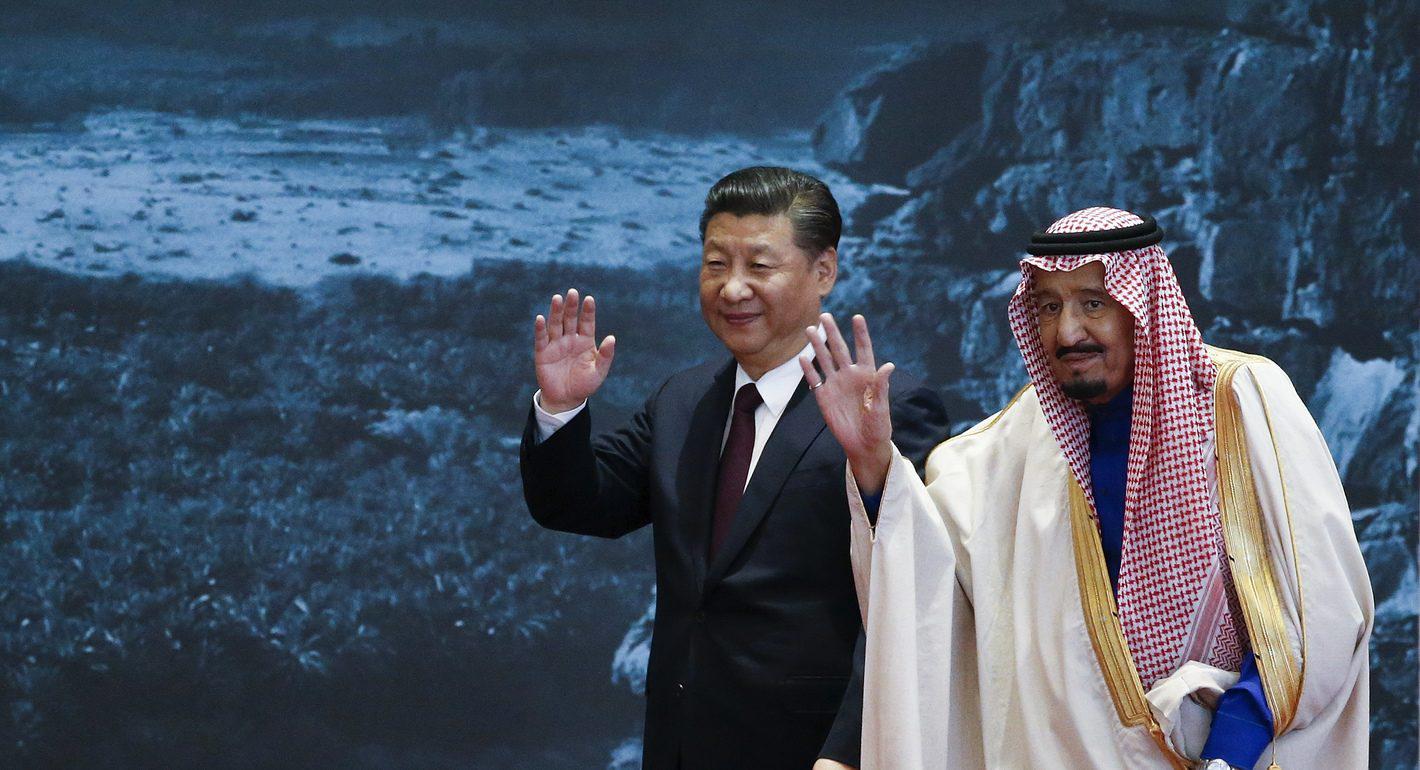
The advantage that China has over other global powers, especially America, is that its foreign policy is closely aligned with those of many of the Middle Eastern countries.


Jin Liangxiang, Maha Yahya, Hesham Alghannam
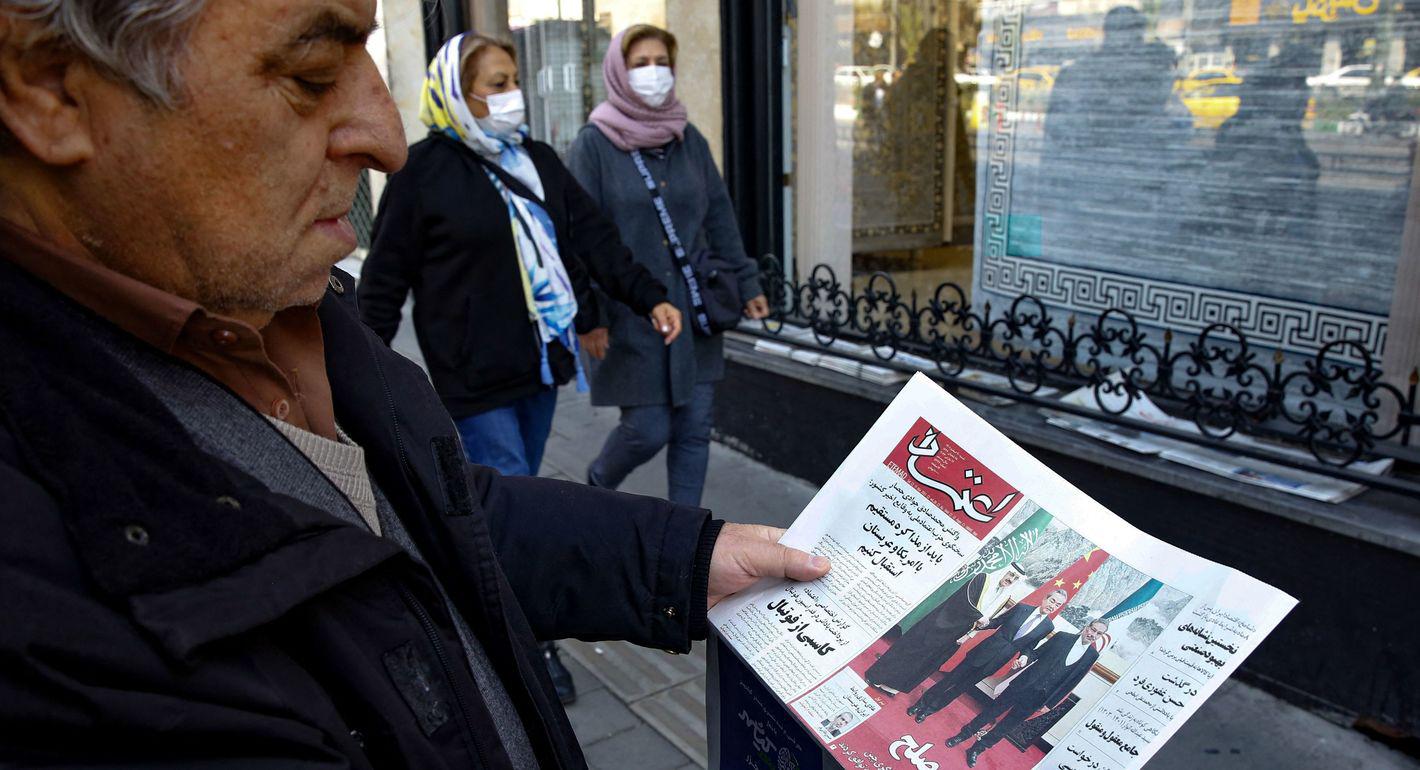
Transactional relationships are stable but can be shallow.


Paul Haenle, Maha Yahya, Benjamin Ho, …

It’s about managing oil prices, bread prices, and strategic partnerships.



Amr Hamzawy, Karim Sadjadpour, Aaron David Miller, …

The murder of George Floyd has underscored the deep inequities that have long plagued American society. In a note to the Carnegie community, Bill Burns reflects on Carnegie’s commitment to build a more just future here at home and around the world, without which peace will remain beyond our grasp.
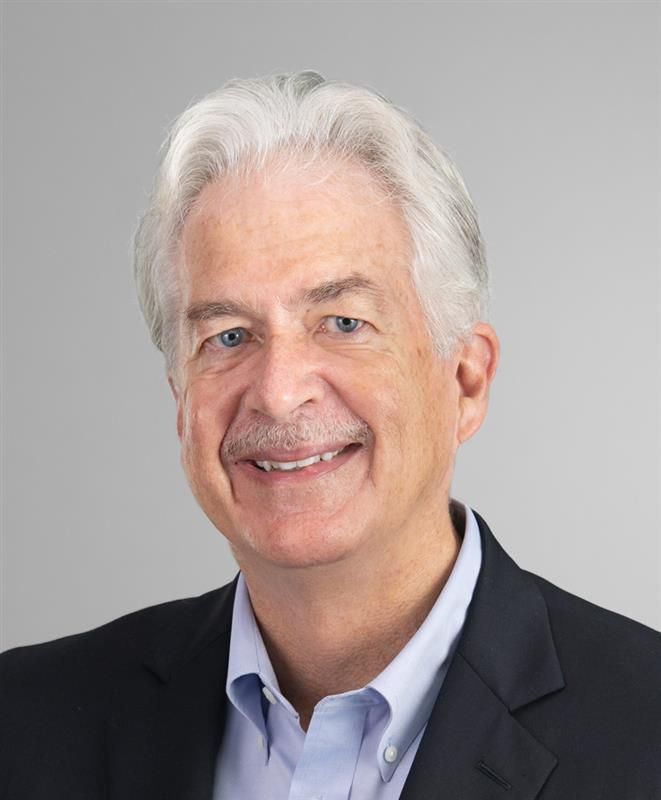
William J. Burns
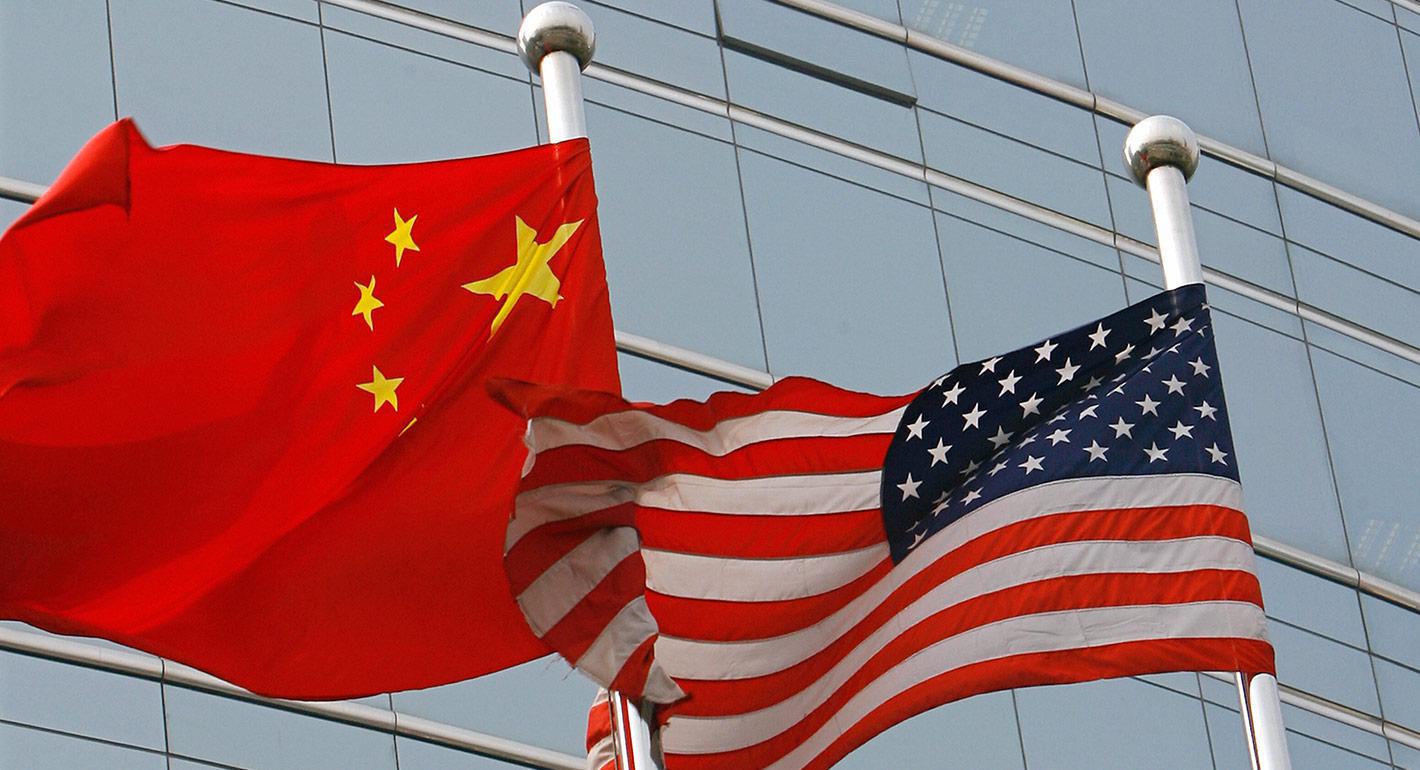
While the world hoped this pandemic might lead to more cooperation between these two great powers, American and Chinese leaders instead fell into a blame game and allowed their increasing suspicions to guide their decision-making.
Lyu Jinghua