

Commentary
Judy Dempsey
{
  "authors": [
    "Judy Dempsey"
  ],
  "type": "legacyinthemedia",
  "centerAffiliationAll": "dc",
  "centers": [
    "Carnegie Endowment for International Peace",
    "Carnegie Europe"
  ],
  "collections": [
    "Transatlantic Cooperation"
  ],
  "englishNewsletterAll": "ctw",
  "nonEnglishNewsletterAll": "",
  "primaryCenter": "Carnegie Europe",
  "programAffiliation": "EP",
  "programs": [
    "Europe"
  ],
  "projects": [],
  "regions": [
    "Europe",
    "North America",
    "Western Europe",
    "United Kingdom",
    "Iran"
  ],
  "topics": [
    "Security"
  ]
}
Source: Getty
With just a year to go before the next NATO summit in 2017, two issues will gnaw at the alliance. One is enlargement; the other is Brexit.
Source: Washington Post
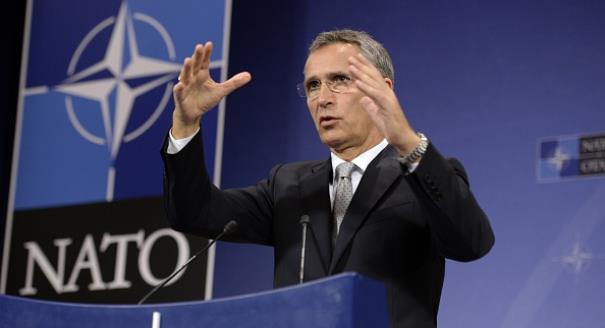
Just days after NATO wrapped up a difficult summit in Warsaw, Jens Stoltenberg, the alliance’s secretary general, tried to kick-start the NATO-Russia Council in Brussels.
The council, established in 2002, has been moribund since 2014, when Russia annexed Crimea, save for one miserable meeting in April.
Stoltenberg, no novice when it comes to dealing with Russia — he negotiated the final delineation of Norway’s Arctic border with Russia in 2010 when he was prime minister — wants to set parameters for a new relationship. But this is not about returning to business as usual. It’s about deterrence underpinning any dialogue with Russia.
The measures agreed to in Warsaw last weekend confirmed this new deterrence posture. There is a transatlantic commitment to shore up the defenses of Poland and the Baltic states, with NATO deploying four battalions over the coming months, led by Canada, Germany, the United Kingdom and the United States.
But behind the scenes, big fights are looming.
With just a year to go (instead of every two years) before the next NATO summit meets in its new spanking 1.1-billion-euro headquarters in Brussels, two issues will gnaw at the alliance. One is enlargement; the other is Brexit.
Take enlargement. In its 35-page Warsaw summit communique, NATO reaffirmed its open-door policy by admitting Montenegro. But Montenegro hardly meets any of the alliance’s criteria of upholding democratic values and the rule of law.
According to the State Department’s assessment of this western Balkan country, it is rife with corruption. The rule of law, the independence of the judiciary and media freedom are under huge pressure. But no matter. The communique recognized “the reforms Montenegro has undertaken, the commitment it has shown to our common values and its contribution to international security.”
Tell that to Macedonia. It already has NATO’s Membership Action Plan, which normally guarantees a speedy entry into the alliance. But NATO member Greece has successfully prevented this other western Balkan country from joining. The reason is that Athens does not want Macedonia to be called Macedonia, fearing some irredentist claims on a region with the same name in northern Greece. In short, a NATO country has vetoed another country from choosing its strategic and political direction.
Georgia also knows all about vetoes. It has been patiently waiting for the MAP, without success.
The countries that oppose granting the MAP to Georgia — and eventually Ukraine — are Germany, France and Italy. For economic and political reasons, they see Georgia through the prism of Russia. They don’t want to antagonize Moscow.
Tedo Japaridze, chairman of the foreign relations committee of Georgia’s parliament, said that if Georgia is kept waiting outside NATO, Russia would exploit the situation. “That would do little for the security and stability of the region,” he said in an interview. “It will lead to frustration inside the country.”
Germany’s role is crucial.
Chancellor Angela Merkel and her defense minister, Ursula von der Leyen, have no illusions about Russia, and both embrace NATO. Von der Leyen even refers to Russia as a threat in her “White Book,” published on July 13, that sets out Germany’s strategic priorities and interests.
Germany’s Achilles heel is Merkel’s coalition partners, the Social Democrats and the Foreign Ministry, led by Frank-Walter Steinmeier. This genial, veteran Social Democrat was chief of staff when Gerhard Schröder, as chancellor between 1998 and 2005, forged very close ties with Russian President Vladimir Putin.
Steinmeier is also soaked in Ostpolitik. During the Cold War, this pacifist “eastern policy” and often anti-Americanism were pursued by successive Social Democratic governments in the belief that reaching out to the Kremlin would reduce tensions between Europe and Moscow. That still resonates among Social Democrats.
Then there is the fall out from Brexit.
The European Union is losing a strong Atlanticist member and a country that took a hard line against Russia. Also, despite denials by NATO diplomats, Brexit will affect NATO. Britain will be distracted by the Brexit negotiations. Furthermore, the appointment of pro-Brexit leader Boris Johnson as Britain’s new foreign secretary doesn’t bode well for either organization; Johnson blamed the E.U. for the crisis in Ukraine without criticizing Russia’s annexation of Crimea. Putin can only revel over such developments.
“All the more reason for NATO not to be cautious,” said Jonathan Eyal, associate, director of the Royal United Services Institute in London. “This is not the time to wobble over enlargement or pretend that Brexit doesn’t matter. Both matter desperately for the cohesion of the transatlantic relationship.”
This article was originally published by the Washington Post.

Nonresident Senior Fellow, Carnegie Europe
Judy Dempsey is a nonresident senior fellow at Carnegie Europe
Recent Work
Judy Dempsey
Judy Dempsey
Carnegie does not take institutional positions on public policy issues; the views represented herein are those of the author(s) and do not necessarily reflect the views of Carnegie, its staff, or its trustees.
The Thai-Cambodian conflict highlights the limits to China's peacemaker ambition and the significance of this role on Southeast Asia’s balance of power.

Pongphisoot (Paul) Busbarat
Beijing believes that Washington is overestimating its own leverage and its ability to handle the trade war’s impacts.


Rick Waters, Sheena Chestnut Greitens
Tapping our network of China experts in the region, Carnegie China offers this latest “China Through a Southeast Asian Lens” report to offer preliminary assessments of whether the U.S. effort to reshape the global trading order will lead countries in the region to tilt toward Beijing.



Selina Ho, Khin Khin Kyaw Kyee, Joseph Ching Velasco, …
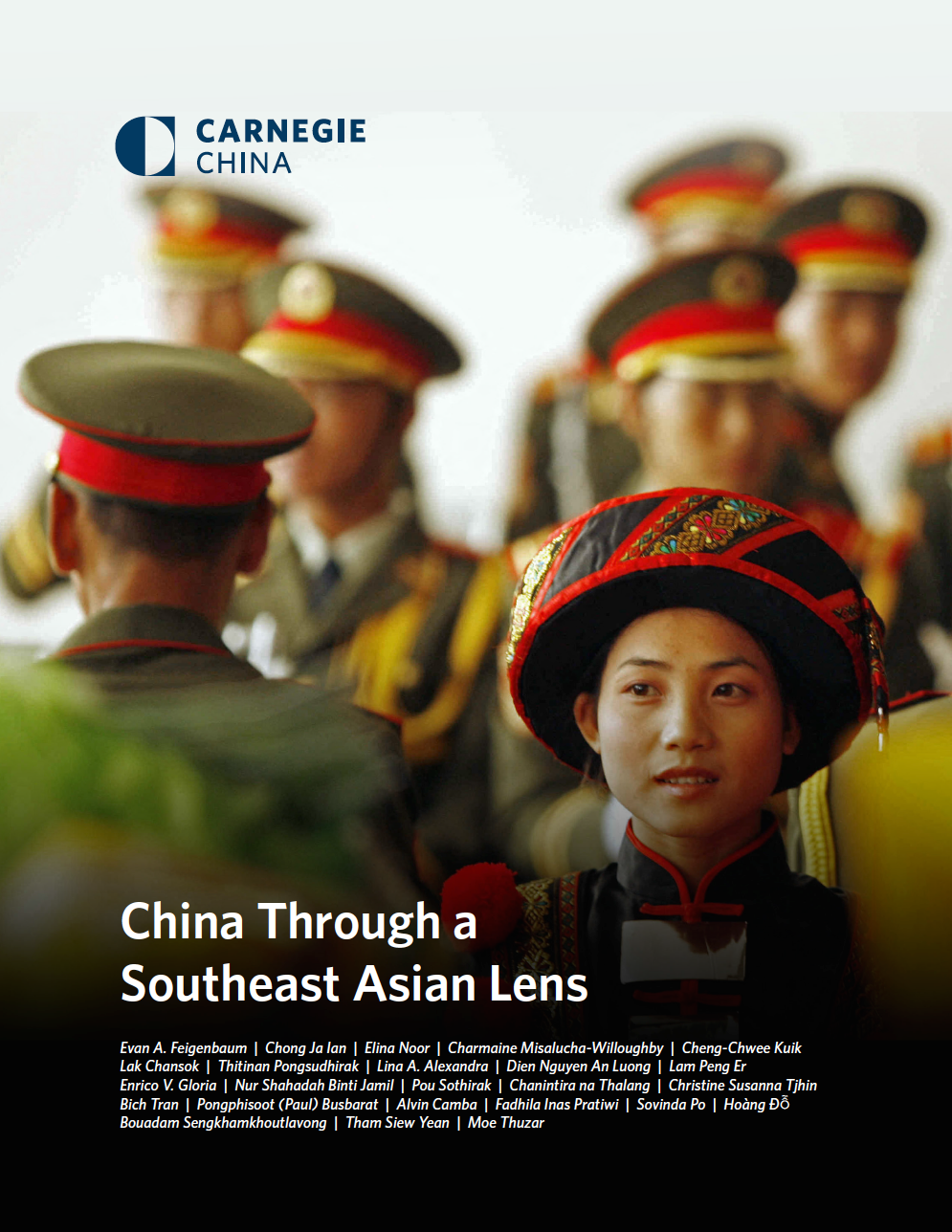
Because strategic, economic, and ideological perceptions of China contain multiple, sometimes contradictory facets in Southeast Asia, receptions of and responses to Beijing diverge across and within state lines.



Evan A. Feigenbaum, Chong Ja Ian, Elina Noor
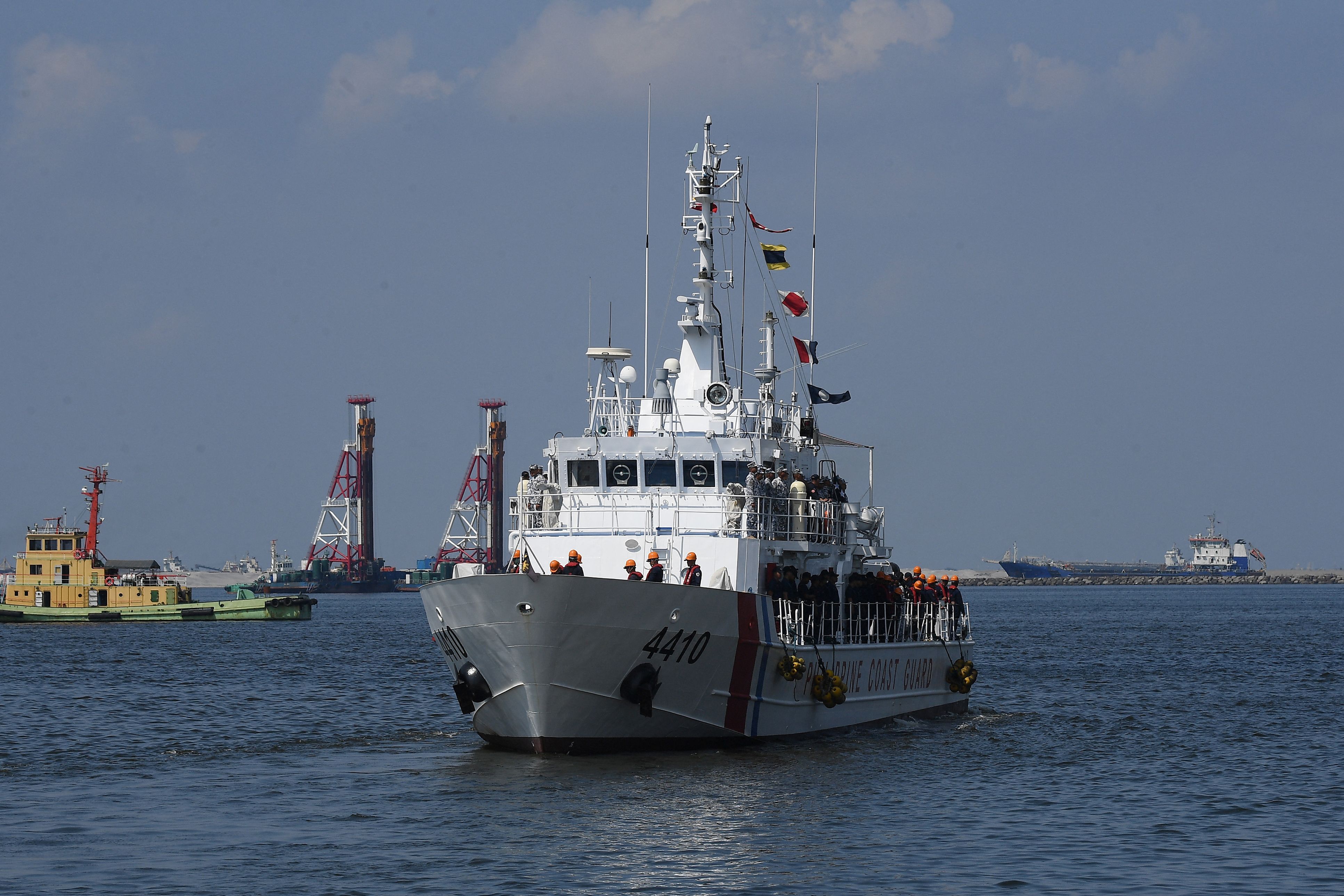
Most Southeast Asian states behave as if the actions of their Northeast Asian neighbors and the Philippines will be sufficient to maintain a regional status quo from which they can benefit.
Chong Ja Ian