

Commentary
- +11
Cornelius Adebahr, Dan Baer, Rosa Balfour, …
{
  "authors": [
    "Erik Brattberg"
  ],
  "type": "legacyinthemedia",
  "centerAffiliationAll": "dc",
  "centers": [
    "Carnegie Endowment for International Peace"
  ],
  "collections": [],
  "englishNewsletterAll": "ctw",
  "nonEnglishNewsletterAll": "",
  "primaryCenter": "Carnegie Endowment for International Peace",
  "programAffiliation": "EP",
  "programs": [
    "Europe"
  ],
  "projects": [],
  "regions": [
    "Middle East",
    "North Africa",
    "Eastern Europe",
    "Western Europe",
    "Iran"
  ],
  "topics": [
    "Democracy",
    "Global Governance"
  ]
}
Source: Getty
Inconsistency in European strategy toward migrants largely comes from the need to develop a internal, unified, and regional immigration policy
Source: KBIA
Speaking on KBIA, Carnegie’s Erik Brattberg discussed how European policy has evolved since the summer of 2015 when the migration crisis exploded in Europe. Regardless of the fact that a migration plan has been adapted to accommodate newfound challenges, it still has its flaws, Brattberg said. He offered as an example the European deal with Turkey, which was largely designed to keep migrants in Turkey in exchange for European aid. A similar plan has been considered with Libya, another country through which a huge number of migrants attempt to enter Europe, but was never replicated because of government and internal instability, he added.
Inconsistency in European strategy largely comes from the need for the region to develop an internal, unified immigration policy, Brattberg said. He explained that this would be the first step towards resettling and redistributing migrants more equitably throughout the continent. Without such a policy, he added, states like Greece, Italy, and Germany will be forced to bear the brunt of the crisis. All in all, he concluded, this issue is essential to European national sovereignty and is the current focus of the European project.
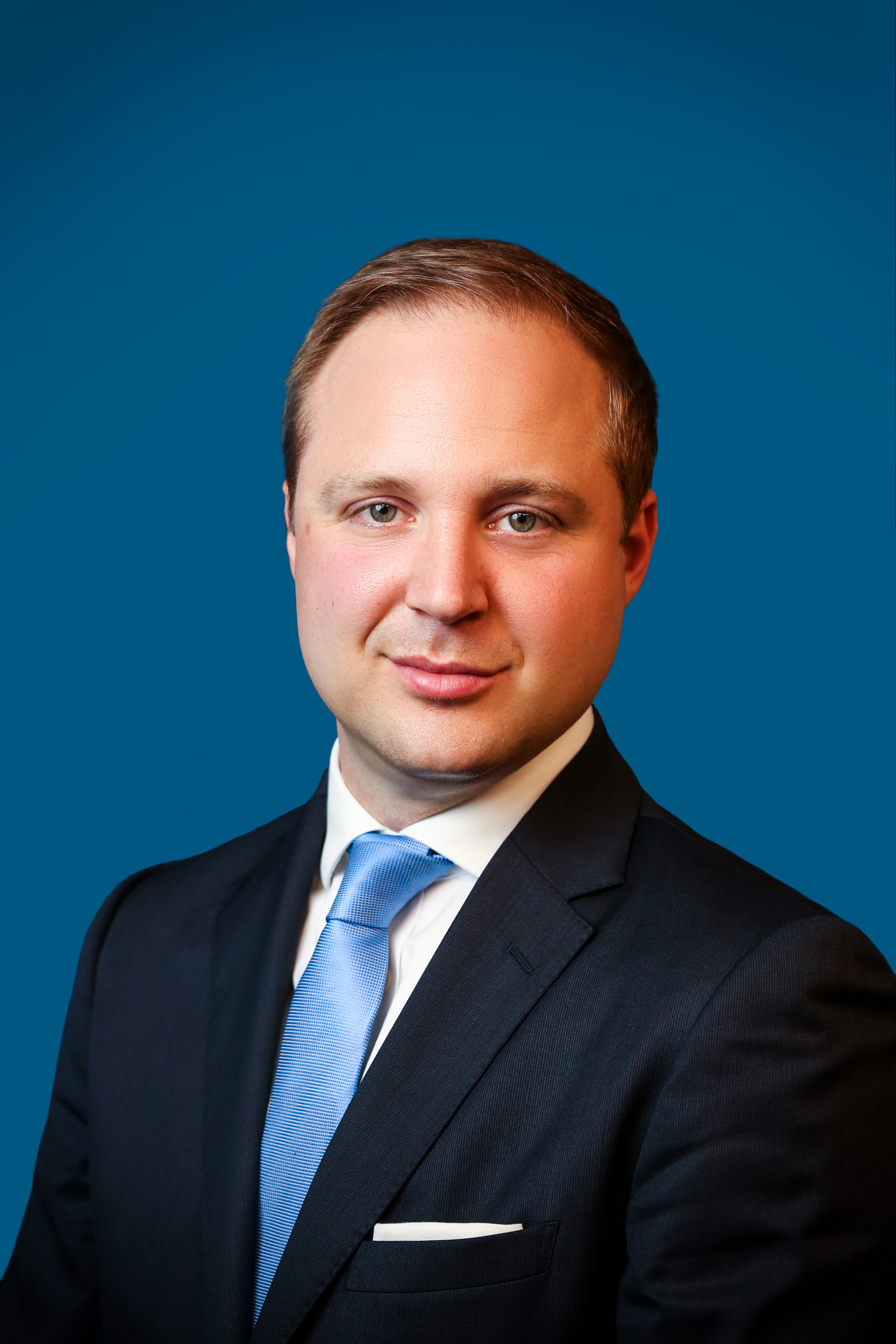
Former Director, Europe Program, Fellow
Erik Brattberg was director of the Europe Program and a fellow at the Carnegie Endowment for International Peace in Washington. He is an expert on European politics and security and transatlantic relations.
Recent Work


Cornelius Adebahr, Dan Baer, Rosa Balfour, …

Erik Brattberg, Philippe Le Corre, Paul Stronski, …
Carnegie does not take institutional positions on public policy issues; the views represented herein are those of the author(s) and do not necessarily reflect the views of Carnegie, its staff, or its trustees.
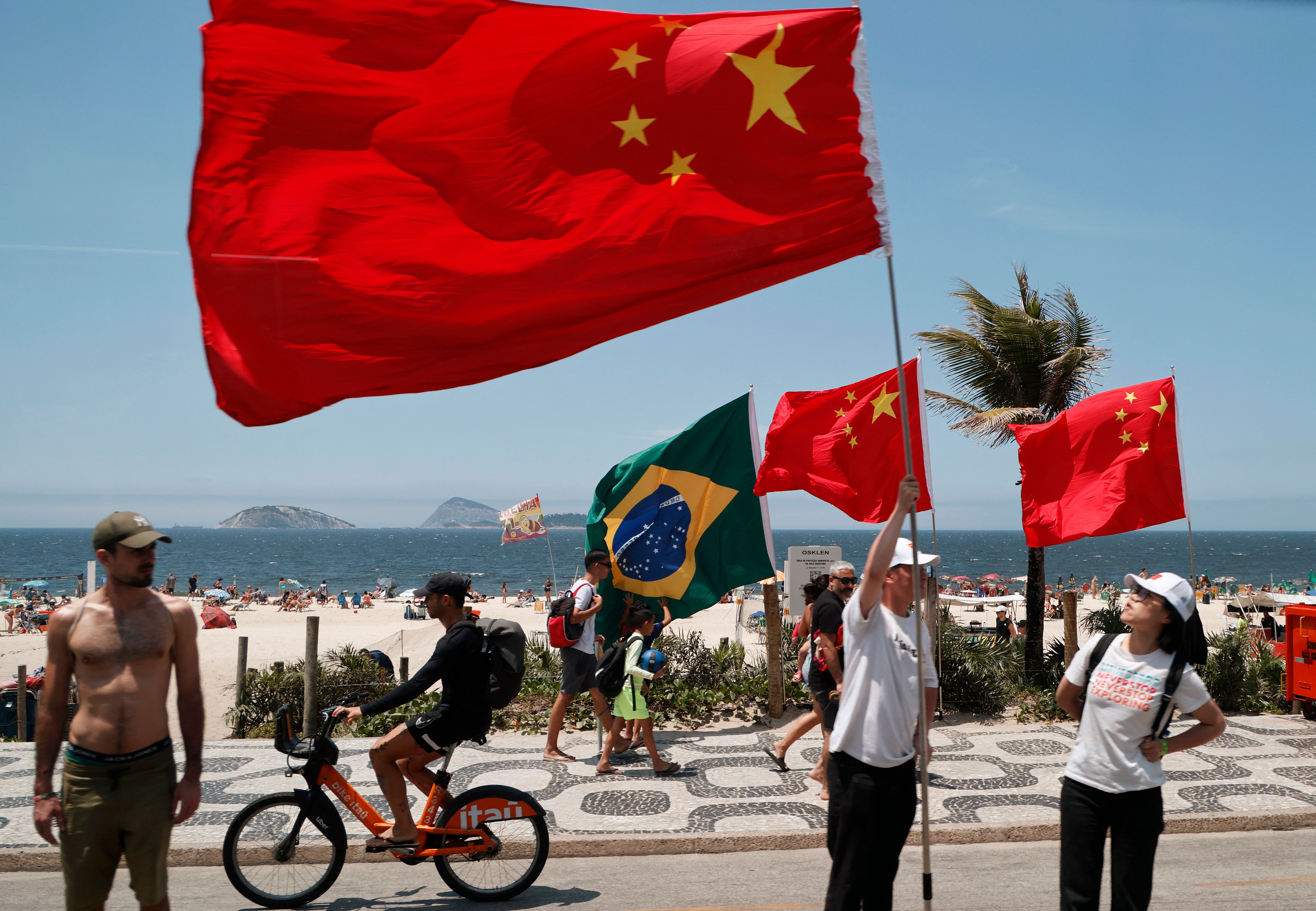
While China will remain a significant political and economic force in the Global South, its ambition to leverage the Global South as a counterbalance to the United States and the Global North is far from assured.

Xue Gong
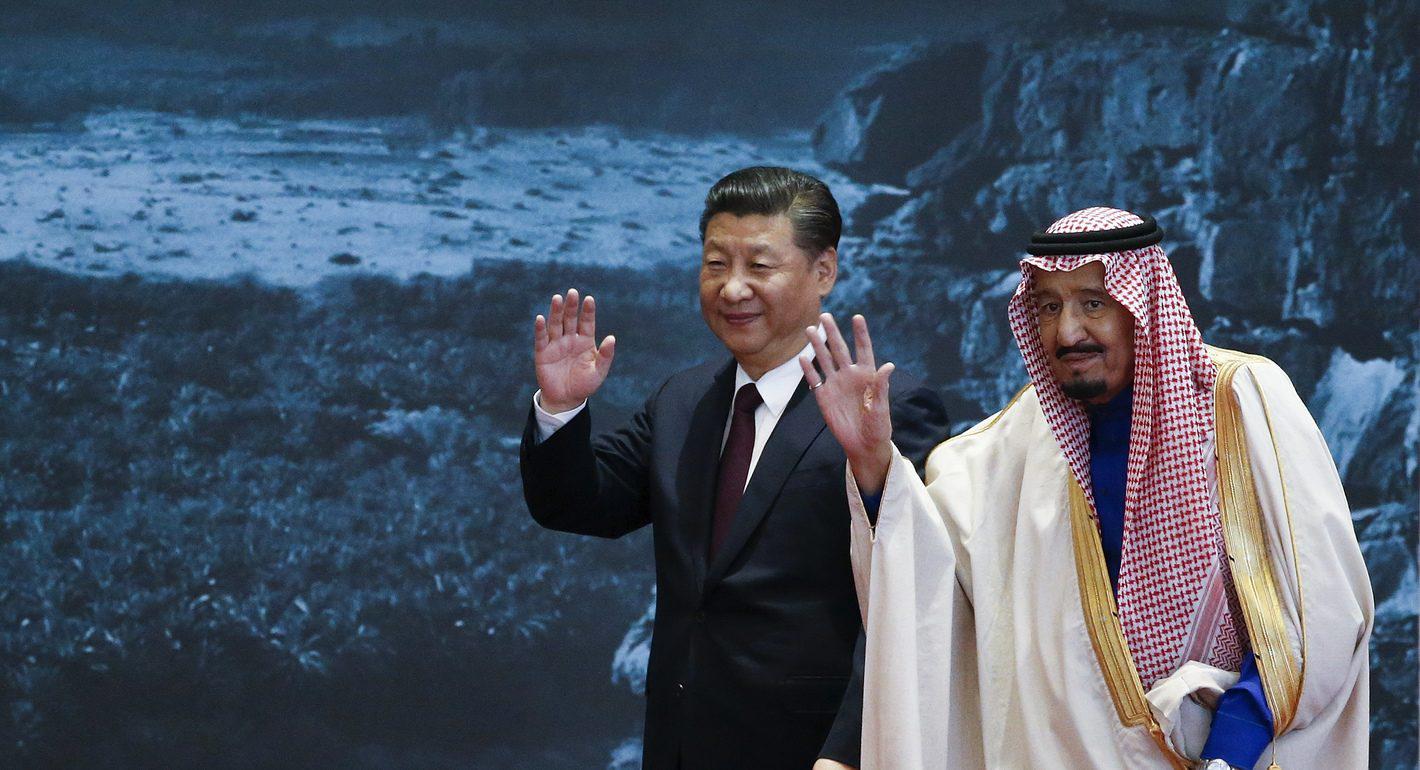
The advantage that China has over other global powers, especially America, is that its foreign policy is closely aligned with those of many of the Middle Eastern countries.


Jin Liangxiang, Maha Yahya, Hesham Alghannam
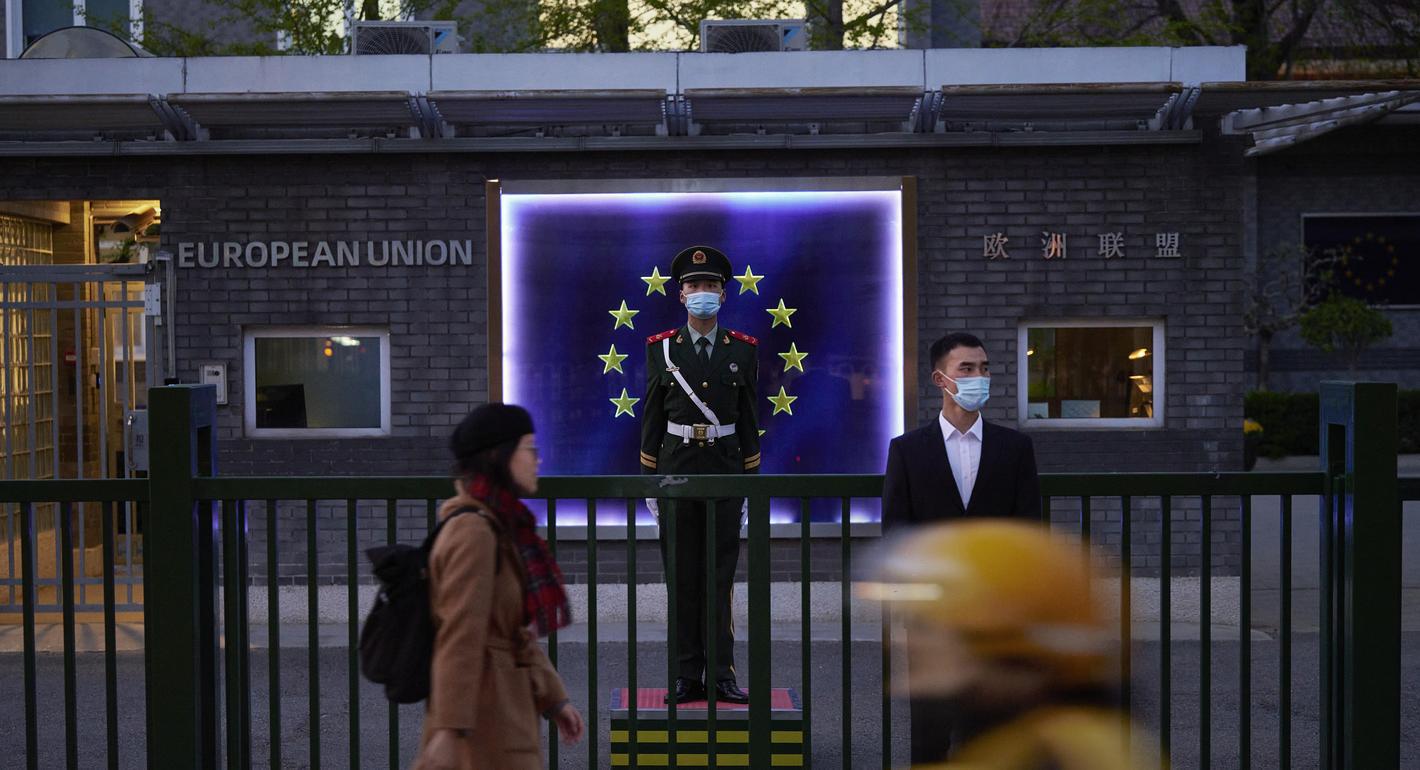
The Russian invasion of Ukraine is a turning point in the EU-China relationship, and evolution of the China-Russia relationship will continue to impact EU-China relations.

Yifan Ding, Alice Ekman
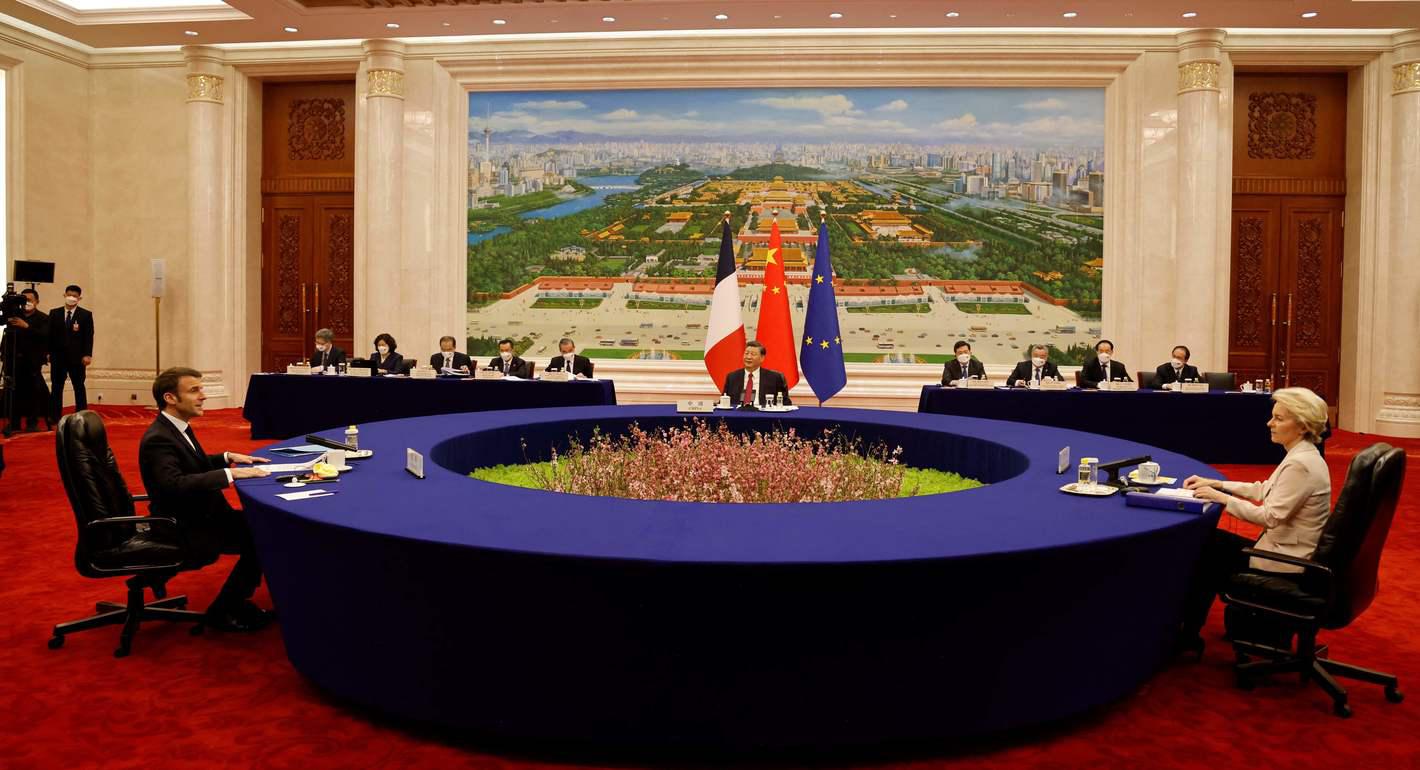
Recent visits by European officials highlight the EU’s lack of internal cohesion.



Paul Haenle, Chan Heng Chee, Liu Yawei, …
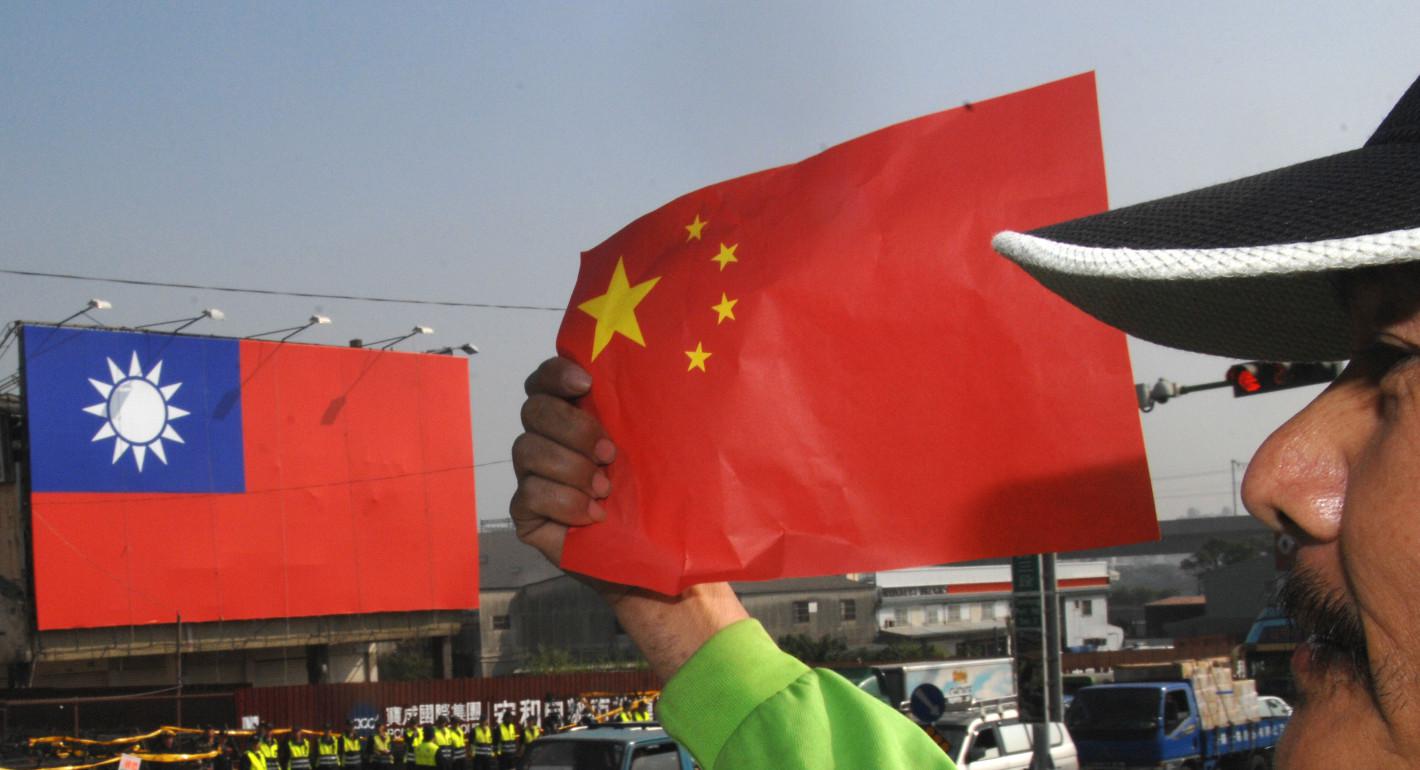
Beijing says that over 180 countries accept its “one China principle” regarding Taiwan, but the reality is more complicated.

Chong Ja Ian