

In The Media
Jessica Tuchman Mathews
{
  "authors": [
    "Jessica Tuchman Mathews"
  ],
  "type": "legacyinthemedia",
  "centerAffiliationAll": "",
  "centers": [
    "Carnegie Endowment for International Peace",
    "Malcolm H. Kerr Carnegie Middle East Center"
  ],
  "collections": [
    "Iranian Proliferation"
  ],
  "englishNewsletterAll": "",
  "nonEnglishNewsletterAll": "",
  "primaryCenter": "Carnegie Endowment for International Peace",
  "programAffiliation": "",
  "programs": [],
  "projects": [],
  "regions": [
    "Middle East",
    "Iran"
  ],
  "topics": [
    "Political Reform",
    "Security",
    "Nuclear Policy"
  ]
}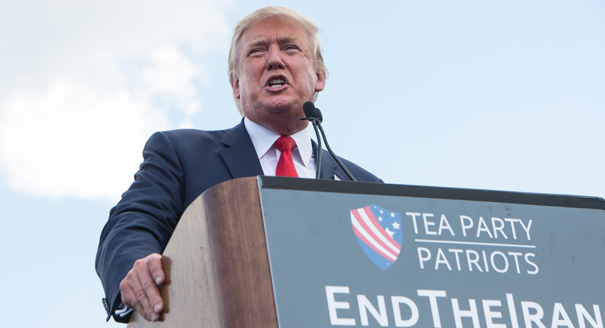
Source: Getty
The Iran Deal may not be perfect but the decision by the Trump Administration weakens oversight mechanisms and causes rifts between America and its European allies.
Source: New York Review of Books
Imagine a business deal among multiple parties. It is so complex that after years of negotiation the contract runs to 159 pages. Once agreed upon, the project proceeds without problems, but two years later one of the signers changes his mind. His lawyers rewrite some of the deal’s provisions, and he announces he’ll pull out unless the other parties accept the new terms.
That, in essence, is what Donald Trump announced on October 13 when he refused to certify to Congress that the Iran nuclear deal, known as the Joint Comprehensive Plan of Action (JCPOA), was working. Certification does not affect the deal itself. It is a purely domestic act. The president is required to do it every ninety days by the terms of the legislation with which Congress approved the JCPOA in 2015. Repeated certifications of this kind are commonly used in contentious situations, such as when sanctions are waived or arms are sold to a problematic buyer, to assure Congress that its conditions are still being met. It is difficult to imagine a president taking what should have been a routine official signature as a reminder of his predecessor’s achievement and therefore an intolerable personal insult. But that is what happened.
On the occasion of his second required certification last July, Trump exploded in anger at his aides for not providing him with an alternative course and made it clear that he didn’t intend to sign again—whether Iran had violated the deal or not. Since then his national security team has frantically sought to come up with a ploy that would satisfy the president without immediately pulling the United States out of the nuclear deal. They have tested various options in public settings and private conversations with European cosigners of the agreement. None was well received, to put it mildly....
This book review was originally published in the New York Review of Books.

Distinguished Fellow
Mathews is a distinguished fellow at the Carnegie Endowment for International Peace. She served as Carnegie’s president for 18 years.
Recent Work
Jessica Tuchman Mathews
Jessica Tuchman Mathews
Carnegie does not take institutional positions on public policy issues; the views represented herein are those of the author(s) and do not necessarily reflect the views of Carnegie, its staff, or its trustees.

The Thai-Cambodian conflict highlights the limits to China's peacemaker ambition and the significance of this role on Southeast Asia’s balance of power.

Pongphisoot (Paul) Busbarat
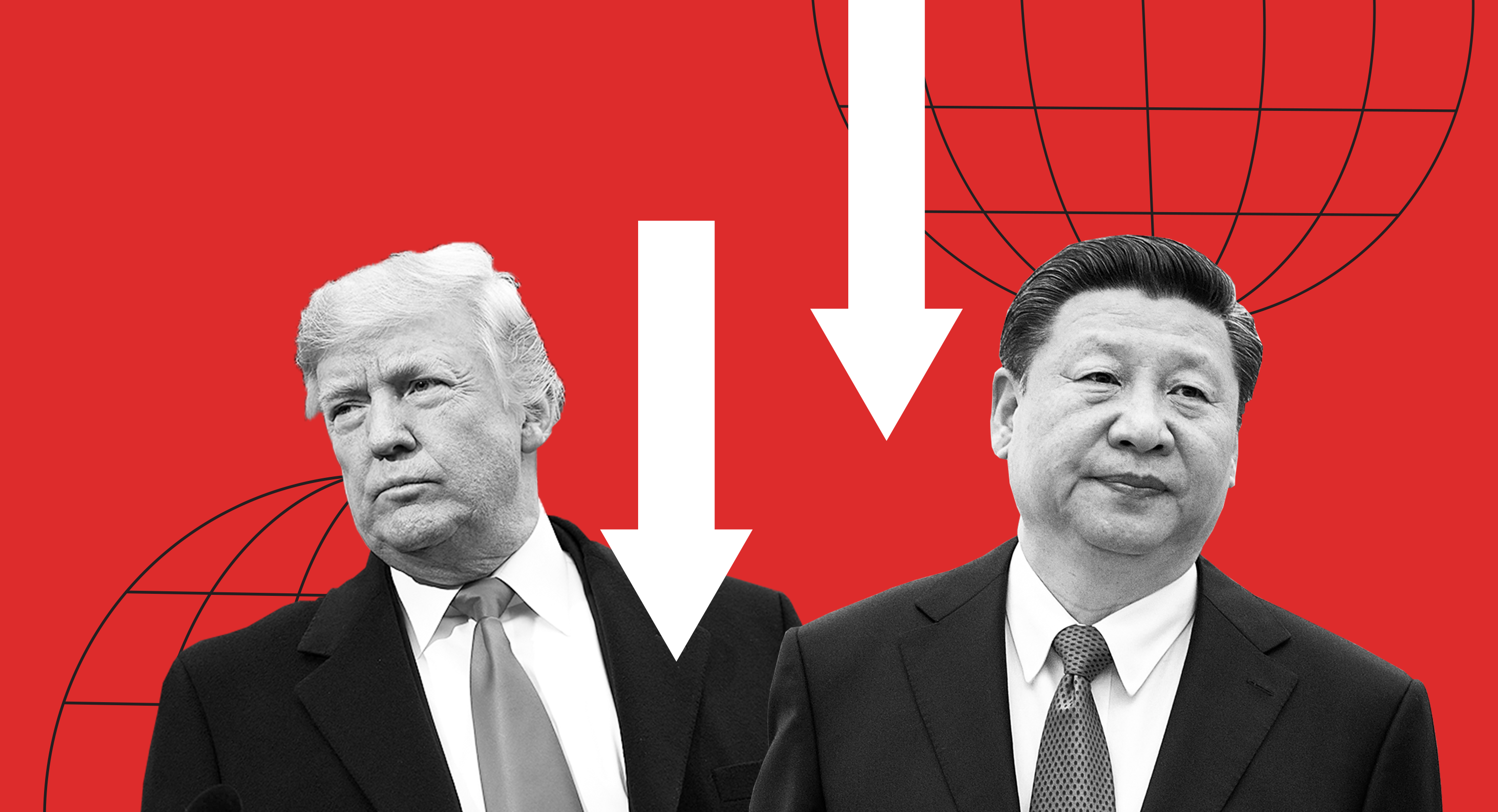
Beijing believes that Washington is overestimating its own leverage and its ability to handle the trade war’s impacts.


Rick Waters, Sheena Chestnut Greitens
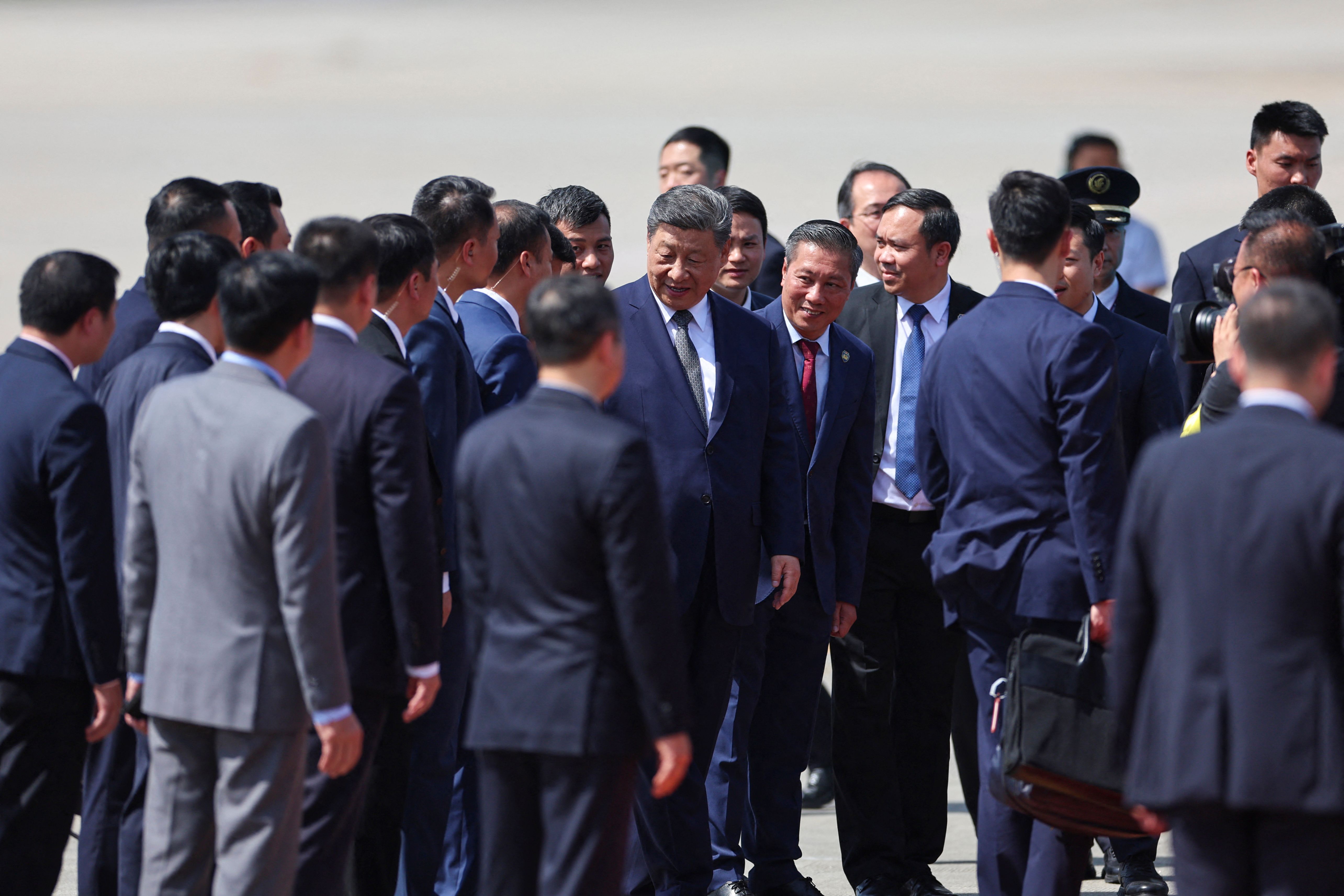
Tapping our network of China experts in the region, Carnegie China offers this latest “China Through a Southeast Asian Lens” report to offer preliminary assessments of whether the U.S. effort to reshape the global trading order will lead countries in the region to tilt toward Beijing.
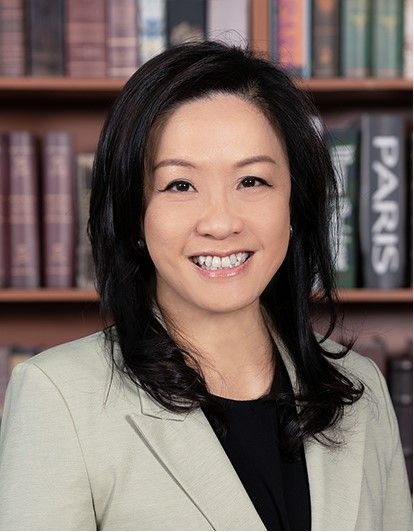


Selina Ho, Khin Khin Kyaw Kyee, Joseph Ching Velasco, …
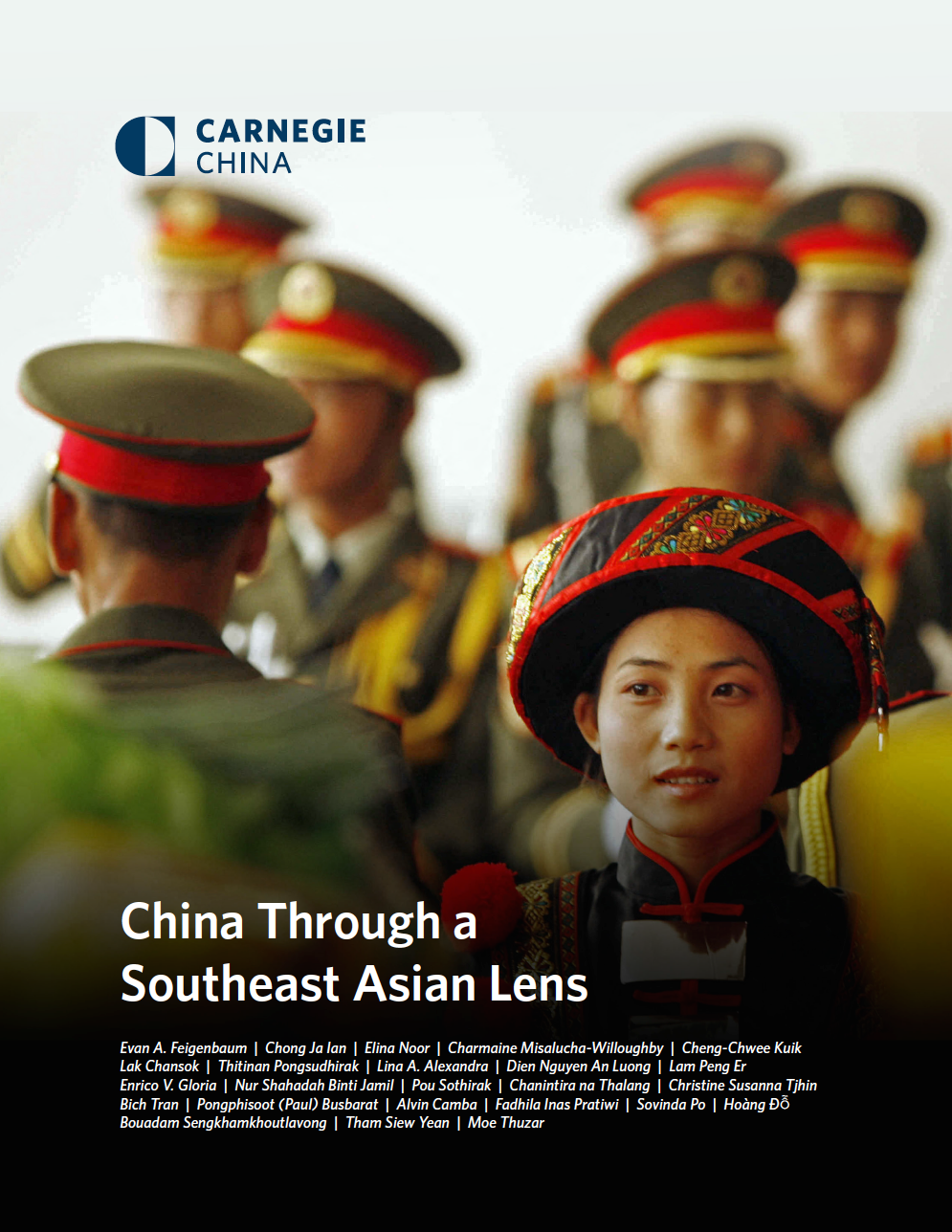
Because strategic, economic, and ideological perceptions of China contain multiple, sometimes contradictory facets in Southeast Asia, receptions of and responses to Beijing diverge across and within state lines.



Evan A. Feigenbaum, Chong Ja Ian, Elina Noor
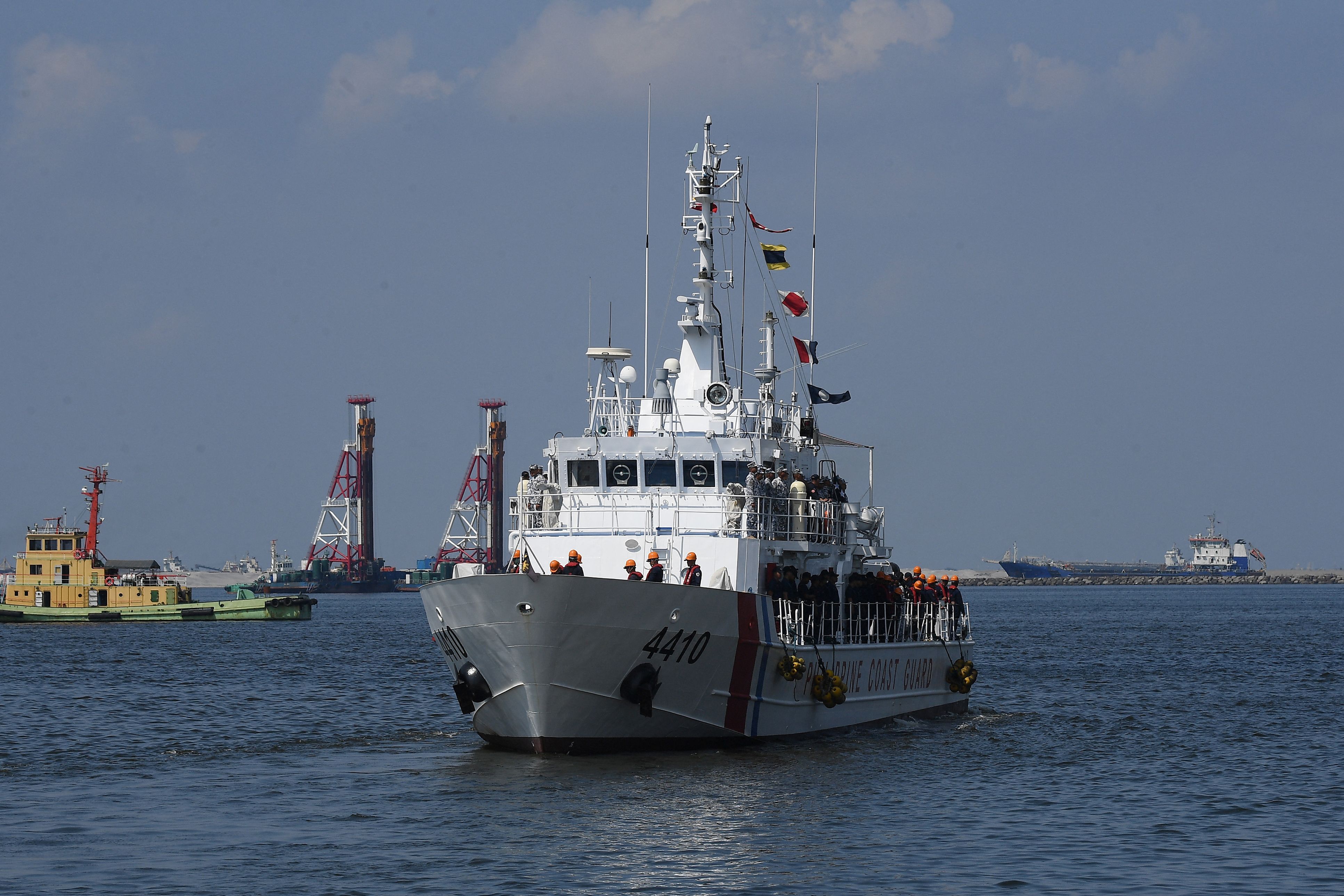
Most Southeast Asian states behave as if the actions of their Northeast Asian neighbors and the Philippines will be sufficient to maintain a regional status quo from which they can benefit.
Chong Ja Ian