

Article
Paul Stronski
{
  "authors": [
    "Paul Stronski"
  ],
  "type": "legacyinthemedia",
  "centerAffiliationAll": "dc",
  "centers": [
    "Carnegie Endowment for International Peace"
  ],
  "collections": [],
  "englishNewsletterAll": "ctw",
  "nonEnglishNewsletterAll": "",
  "primaryCenter": "Carnegie Endowment for International Peace",
  "programAffiliation": "russia",
  "programs": [
    "Russia and Eurasia"
  ],
  "projects": [],
  "regions": [
    "North America",
    "United States",
    "Russia"
  ],
  "topics": [
    "Security",
    "Foreign Policy"
  ]
}
Source: Getty
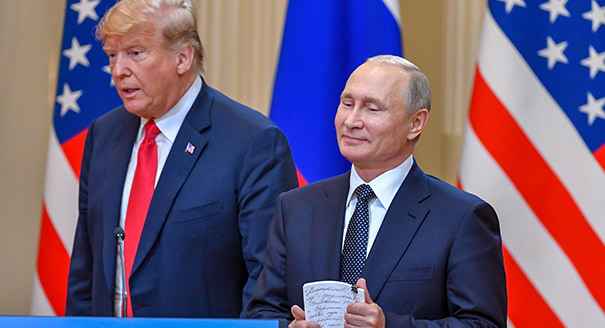
President Trump’s performance at his press conference with Russian President Vladimir Putin could scarcely have been more favorable to Putin or more threatening to the security of U.S. democracy.
Source: Axios
At President Trump’s press conference with Russian President Vladimir Putin on Monday, he assigned blame to the U.S. and complained about Robert Mueller's “witch hunt,” showing indifference to Russia’s meddling in both Ukraine and the 2016 U.S. election. His performance could scarcely have been more favorable to Putin or more threatening to the security of American democracy.
Why it matters: The press conference will create a lasting disconnect between the president and his national security team. It will now be much harder to continue assuring U.S. allies that they can ignore what Trump says.
Last week’s indictment of 12 Russian intelligence officers amplified what was already widely known: In 2016, Russian intelligence hacked into private U.S. email accounts and disseminated stolen information to damage Hillary Clinton’s campaign and tip the scales in Trump’s favor.
With the indictments weighing heavily on the summit, Trump, standing next to Putin, continued to deflect, deny and dismiss the findings of his own country’s intelligence community, at times citing a wandering list of grievances about Clinton and U.S. law enforcement.
Trump went so far as to contradict his own Director of National Intelligence, Dan Coats, giving equal weight to Coats’ assessment of Russian meddling and Putin’s denial of it. Trump's advisers, including U.S. Ambassador to Russia Jon Huntsman, appeared stunned by his comments.
The bottom line: The conference stands out as a uniquely submissive moment in the country’s recent history. It also fully fits Trump’s diplomatic worldview: He belittled and insulted longstanding friends and allies last week, and today appeased a major adversary — all of which redounds to Putin's benefit.
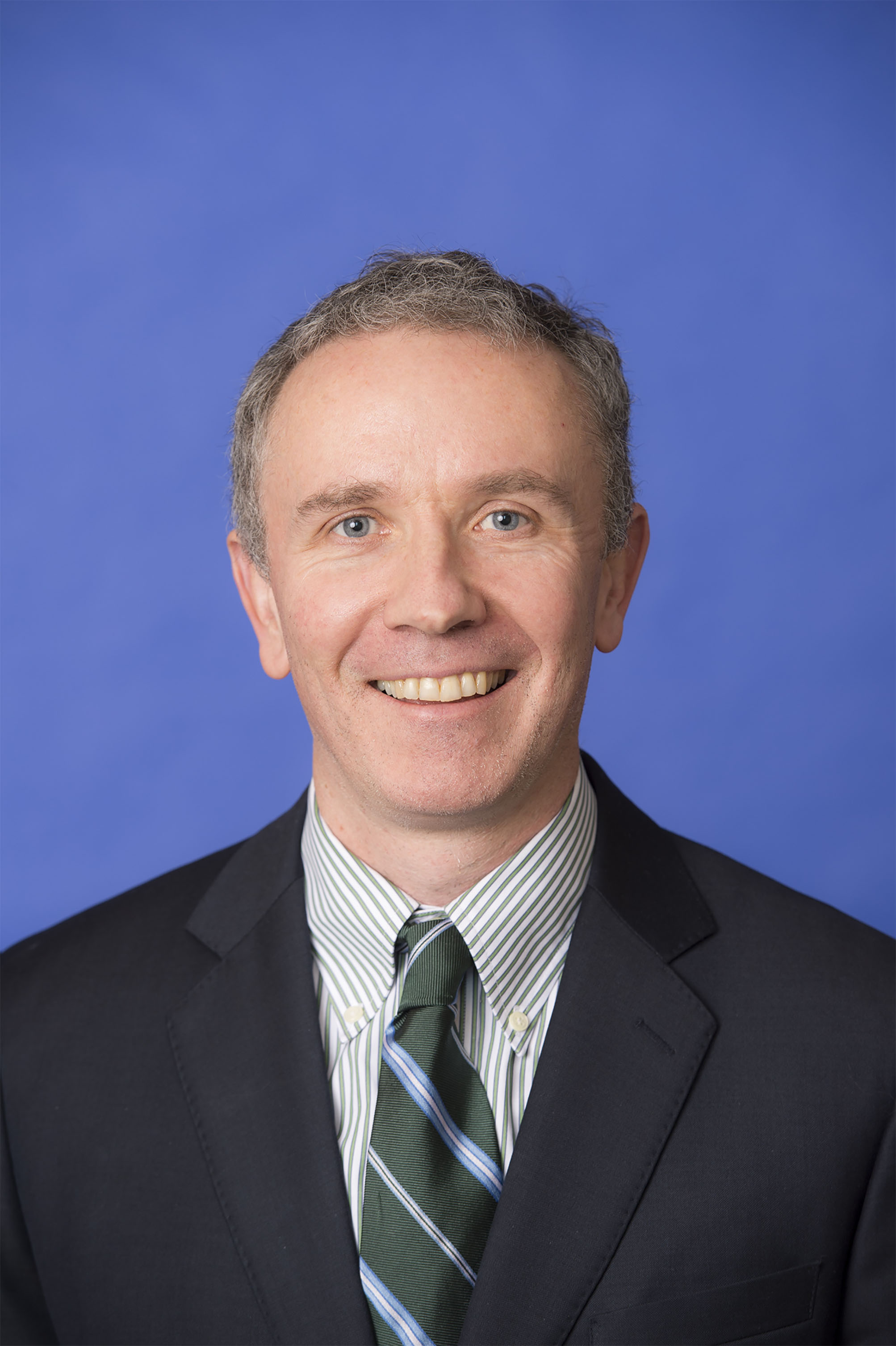
Former Senior Fellow, Russia and Eurasia Program
Paul Stronski was a senior fellow in Carnegie’s Russia and Eurasia Program, where his research focuses on the relationship between Russia and neighboring countries in Central Asia and the South Caucasus.
Recent Work
Paul Stronski
Paul Stronski
Carnegie does not take institutional positions on public policy issues; the views represented herein are those of the author(s) and do not necessarily reflect the views of Carnegie, its staff, or its trustees.

But their "principal to principal" model will only be as effective as the political strength of each leader back home.

Damien Ma

U.S. unpredictability has allowed China to capitalize on its positioning as the “responsible great power”. Paradoxically, the more China wins the perception game, the more likely expectations will rise for Beijing to deliver not just words but to demonstrate with its deeds.

Chong Ja Ian

Hanoi and Beijing have long treated each other as distant cousins rather than comrades in arms. That might be changing as both sides draw closer to hedge against uncertainty and America’s erratic behavior.

Nguyễn Khắc Giang

Across Asia, China is better positioned to withstand energy shocks from the fallout of the Iran war. Its abundant coal capacity can ensure stability in the near term. Yet at the same time, the country’s energy transition away from coal will make it even less vulnerable during the next shock.
Damien Ma

Malaysia’s chairmanship sought to fend off short-term challenges while laying the groundwork for minimizing ASEAN’s longer-term exposure to external stresses.

Elina Noor