

Article
Marc Pierini
{
  "authors": [
    "Marc Pierini"
  ],
  "type": "legacyinthemedia",
  "centerAffiliationAll": "dc",
  "centers": [
    "Carnegie Endowment for International Peace",
    "Carnegie Europe",
    "Malcolm H. Kerr Carnegie Middle East Center"
  ],
  "collections": [
    "Turkey’s Transformation",
    "Transatlantic Cooperation",
    "Europe’s Southern Neighborhood"
  ],
  "englishNewsletterAll": "ctw",
  "nonEnglishNewsletterAll": "",
  "primaryCenter": "Carnegie Europe",
  "programAffiliation": "EP",
  "programs": [
    "Europe"
  ],
  "projects": [],
  "regions": [
    "Middle East",
    "Europe",
    "North America",
    "Türkiye",
    "Levant",
    "United States",
    "Syria",
    "Iran"
  ],
  "topics": [
    "Security"
  ]
}
Source: Getty
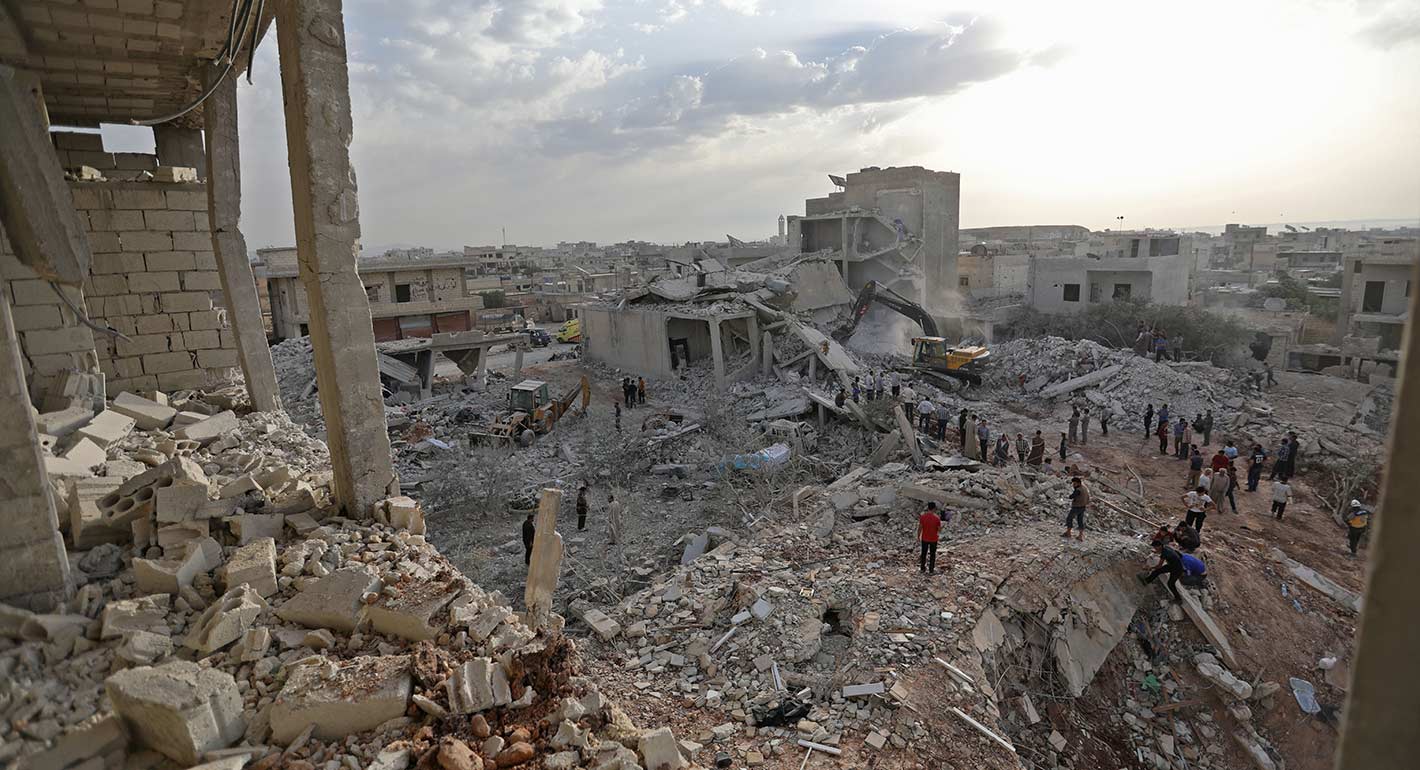
President Trump’s vow to “devastate” the Turkish economy if Ankara attacks Kurdish forces in Syria marks another troubling development in the souring U.S.-Turkey relationship.
Source: Axios
President Trump redefined his Syria policy in a volley of tweets Sunday, threatening to "devastate Turkey economically" if it attacks Kurds in Syria. At issue is Ankara’s longstanding objection to the U.S. alliance with the Syrian Kurdish forces (YPG), who have proven to be Washington's most reliable and efficient allies in Syria’s northeast in the fight against ISIS.
Why it matters: Trump's proclamation marks another troubling development in the souring U.S.–Turkey relationship, one that may further fuel anti-American sentiments in Turkey.
While unexpectedly threatening Turkey with economic retaliation, Trump yielded to Ankara’s longstanding request for a safe zone, a 20-mile-wide strip of land that will prevent Syrian Kurdish forces (YPG) from coming into direct contact with Kurdish insurgents in Turkey (PKK), whom Turkey sees as a single, integrated operation straddling the border. Trump further intimated that the U.S. will act to prevent any provocation by Syrian Kurds with Turkey.
With respect to the Syrian Kurds, who have been fighting for their survival against ISIS' onslaught and for the recognition of their cultural and political identity by Damascus, Trump's new proclamation means they will be left alone with only a vague promise of U.S. air support from air bases outside Syria.
What to watch: The U.S. will now have a weaker hand in the as-yet-unscheduled negotiations in the UN framework for the future constitutional arrangements in Syria, as the U.S. (and French) withdrawal will leave Russia and Iran as the only foreign powers on Syrian territory. This will in turn reinforce Assad’s position, while Turkey’s anti-Assad stance is neutralized by its political alliance with Moscow and Tehran.

Senior Fellow, Carnegie Europe
Marc Pierini is a senior fellow at Carnegie Europe, where his research focuses on developments in the Middle East and Turkey from a European perspective.
Recent Work
Marc Pierini
Marc Pierini
Carnegie does not take institutional positions on public policy issues; the views represented herein are those of the author(s) and do not necessarily reflect the views of Carnegie, its staff, or its trustees.

But their "principal to principal" model will only be as effective as the political strength of each leader back home.

Damien Ma

U.S. unpredictability has allowed China to capitalize on its positioning as the “responsible great power”. Paradoxically, the more China wins the perception game, the more likely expectations will rise for Beijing to deliver not just words but to demonstrate with its deeds.

Chong Ja Ian

For Malaysia, the conjunction that works is “and” not “or” when it comes to the United States and China.

Elina Noor
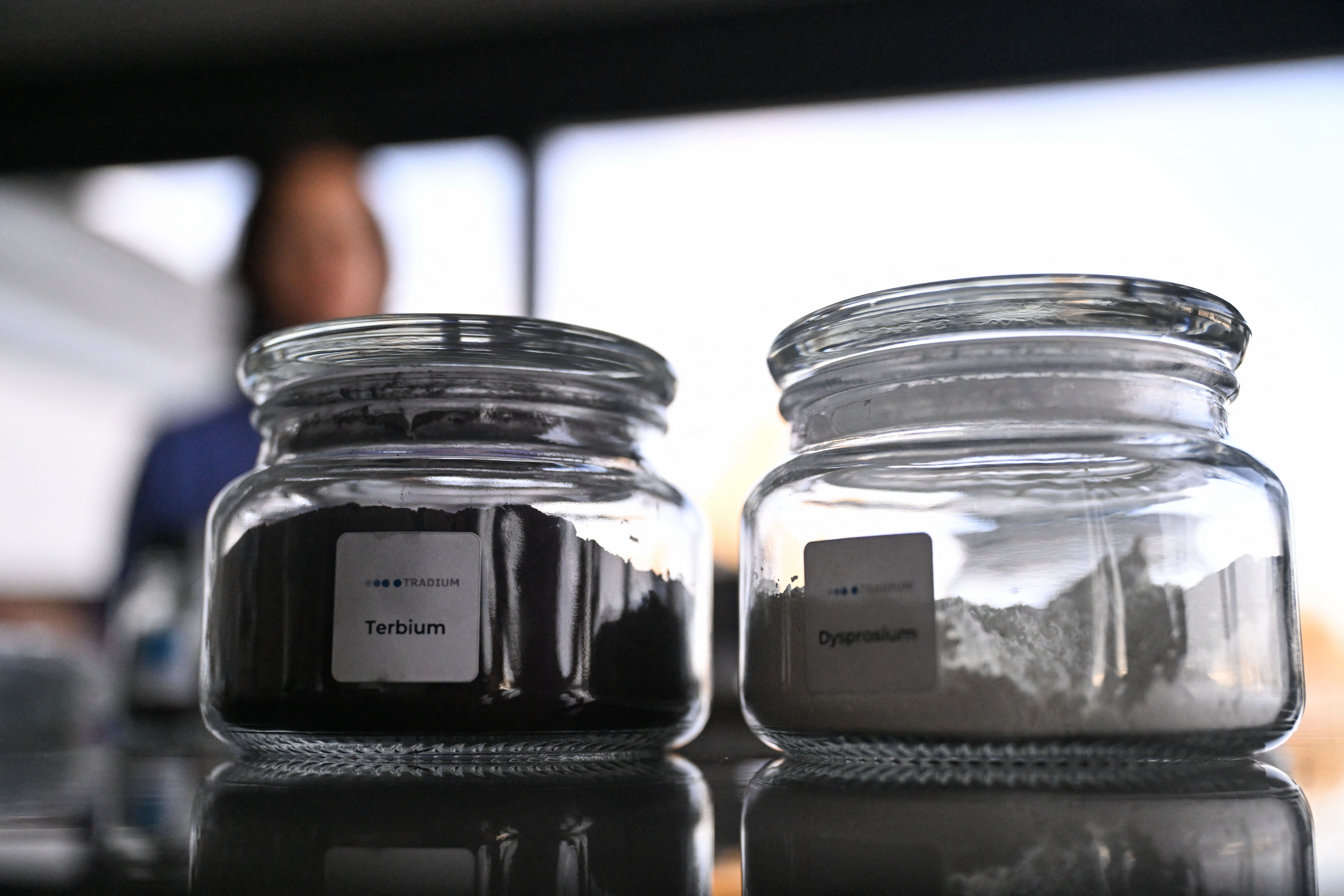
Regulation, not embargo, allows Beijing to shape how other countries and firms adapt to its terms.
Alvin Camba
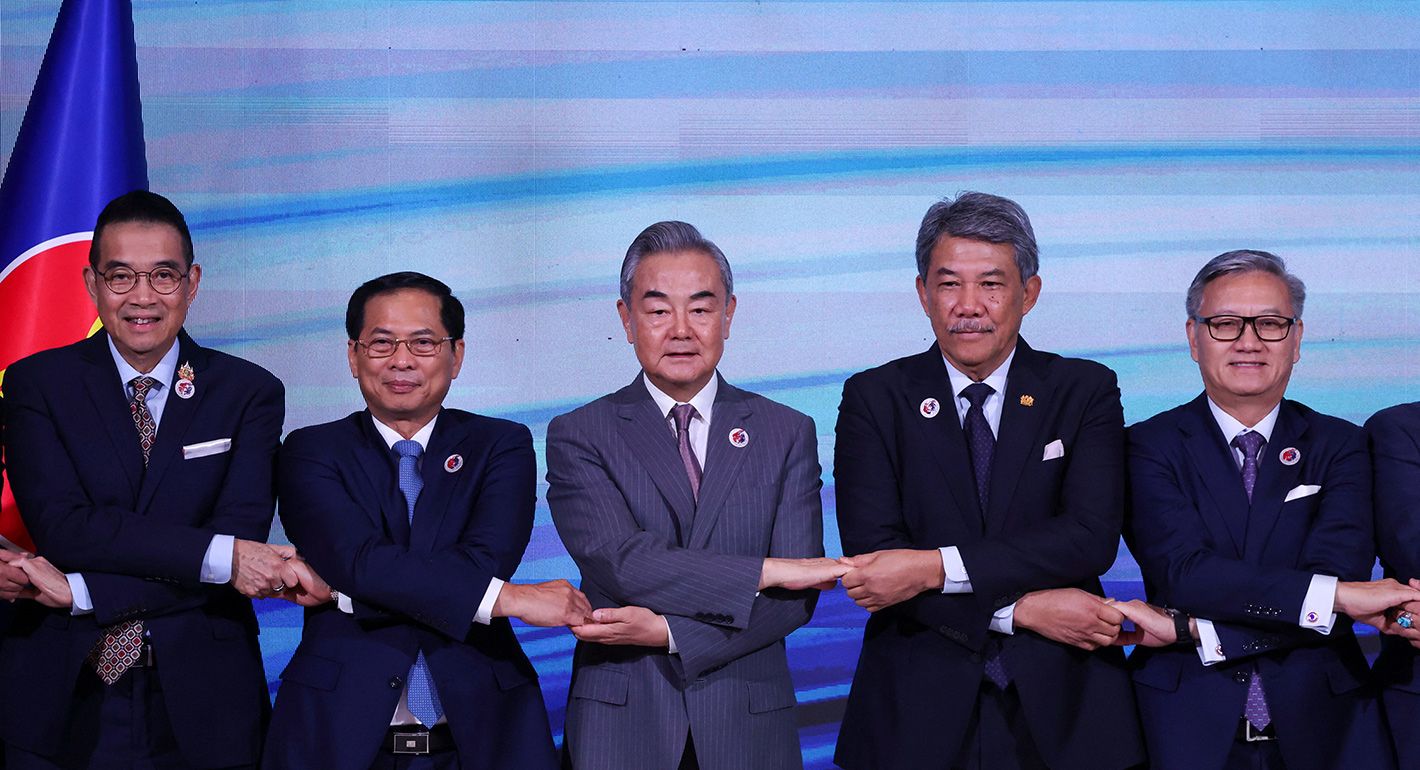
The Thai-Cambodian conflict highlights the limits to China's peacemaker ambition and the significance of this role on Southeast Asia’s balance of power.

Pongphisoot (Paul) Busbarat