

Commentary
In the latest Five-Year Plan, the Chinese president cements the shift to an innovation-driven economy over a consumption-driven one.
Damien Ma
{
  "authors": [
    "Anirudh Burman",
    "K.P. Krishnan"
  ],
  "type": "other",
  "centerAffiliationAll": "",
  "centers": [
    "Carnegie Endowment for International Peace",
    "Carnegie India"
  ],
  "collections": [],
  "englishNewsletterAll": "",
  "nonEnglishNewsletterAll": "",
  "primaryCenter": "Carnegie India",
  "programAffiliation": "",
  "programs": [],
  "projects": [
    "Political Economy"
  ],
  "regions": [
    "India"
  ],
  "topics": [
    "Domestic Politics",
    "Economy"
  ]
}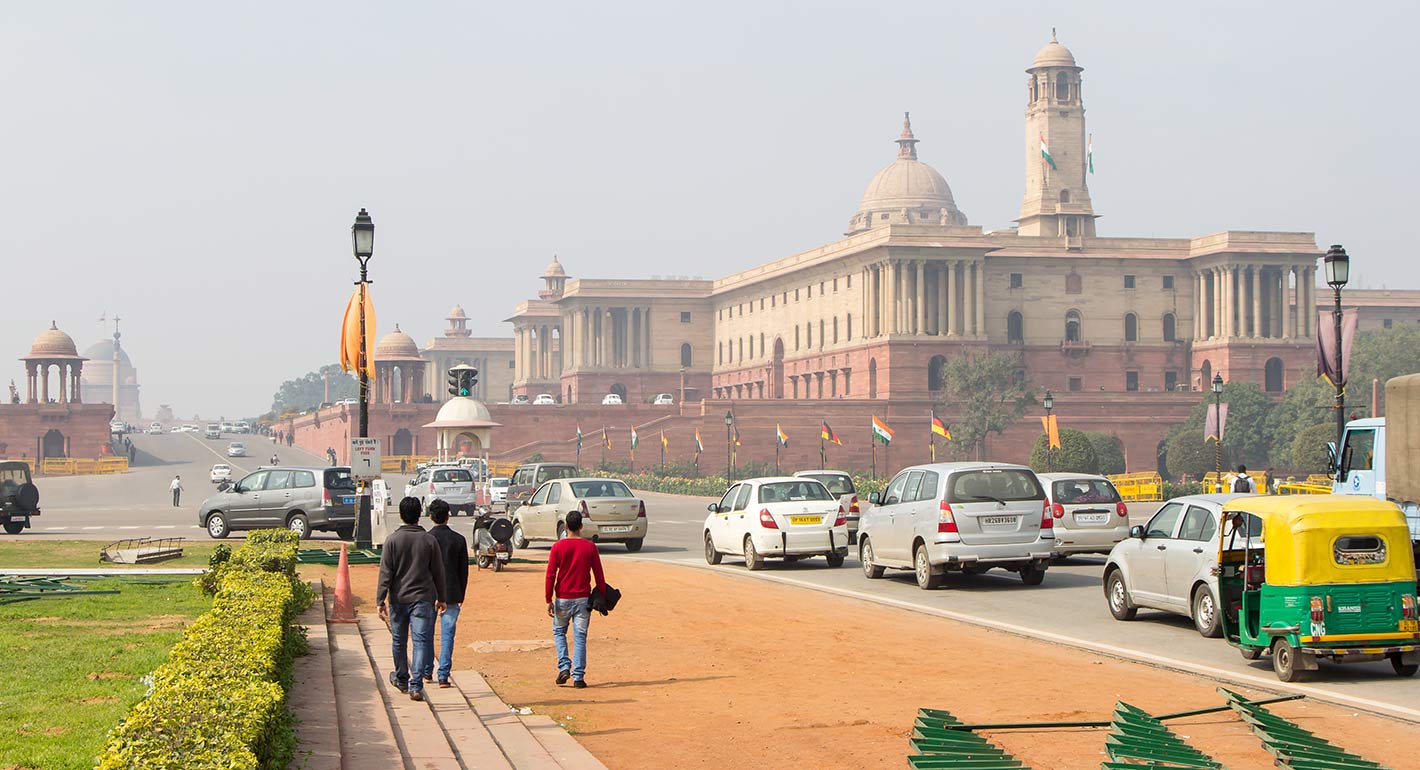
Source: Getty
Statutory regulatory authorities are bound by the same principles of administrative law as other government agencies, as defined by the judiciary from time to time.
Source: Hart Publishing
A number of statutory regulatory authorities have emerged in India since the 1990s. Statutes that have established regulators focus broadly on: (a) the design of the apex decision-making body (board or authority); (b) the substantive powers of the regulator, and; (c) accountability mechanisms such as audits, accounting and reporting. Such statutes are usually ‘thin’ on guidance to regulators on how to conduct their administrative functions. Consequently, statutory regulatory authorities are bound by the same principles of administrative law as other government agencies, as defined by the judiciary from time to time. However, independent regulators perform their functions in ways that are distinct from government departments.
First, statutory regulatory authorities concentrate legislative (regulation-making), executive (monitoring and supervision) and judicial (issuing orders) powers in contrast to the normal structure of government departments.1 This structure potentially violates the principle of separation of powers and affects the design of statutory regulatory authorities. Second, the frequency and volume of regulation-making is significantly higher due to the responsibility of regulators to react to dynamic market requirements. Third, there is an independent and specialised appellate mechanism against the regulatory actions of most regulators.
This book chapter was originally published by Hart Publishing.
1 See generally Financial Sector Legislative Reforms Commission, ‘Report of the Financial Sector Legislative Reforms Commission’, 2013, https://dea.gov.in/sites/default/files/fslrc_report_vol1_1.pdf.

Former Associate Research Director and Fellow, Carnegie India
Anirudh Burman was an associate research director and fellow at Carnegie India. He works on key issues relating to public institutions, public administration, the administrative and regulatory state, and state capacity.
K.P. Krishnan
K.P. Krishnan is the secretary of the Ministry of Skill Development and Entrepreneurship of the Government of India.
Carnegie does not take institutional positions on public policy issues; the views represented herein are those of the author(s) and do not necessarily reflect the views of Carnegie, its staff, or its trustees.
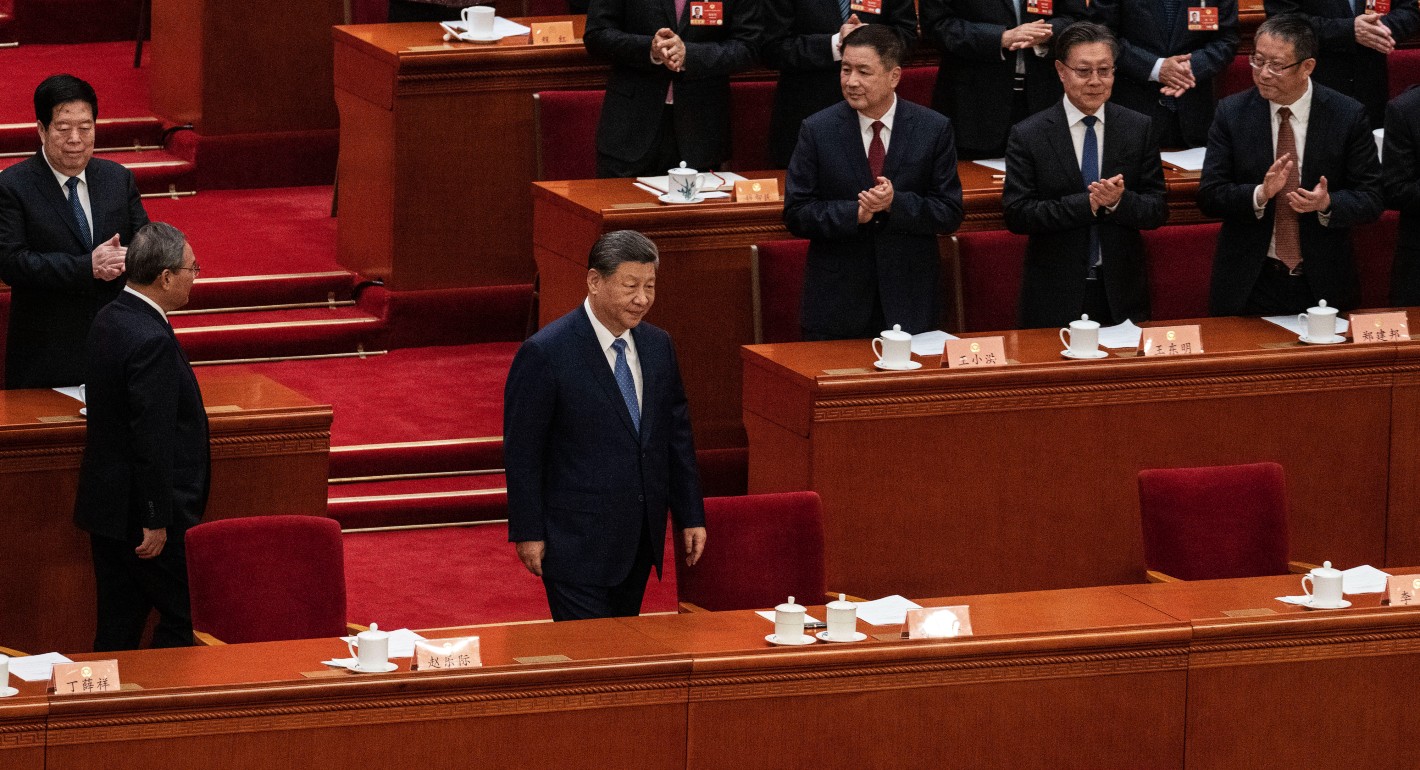
In the latest Five-Year Plan, the Chinese president cements the shift to an innovation-driven economy over a consumption-driven one.

Damien Ma
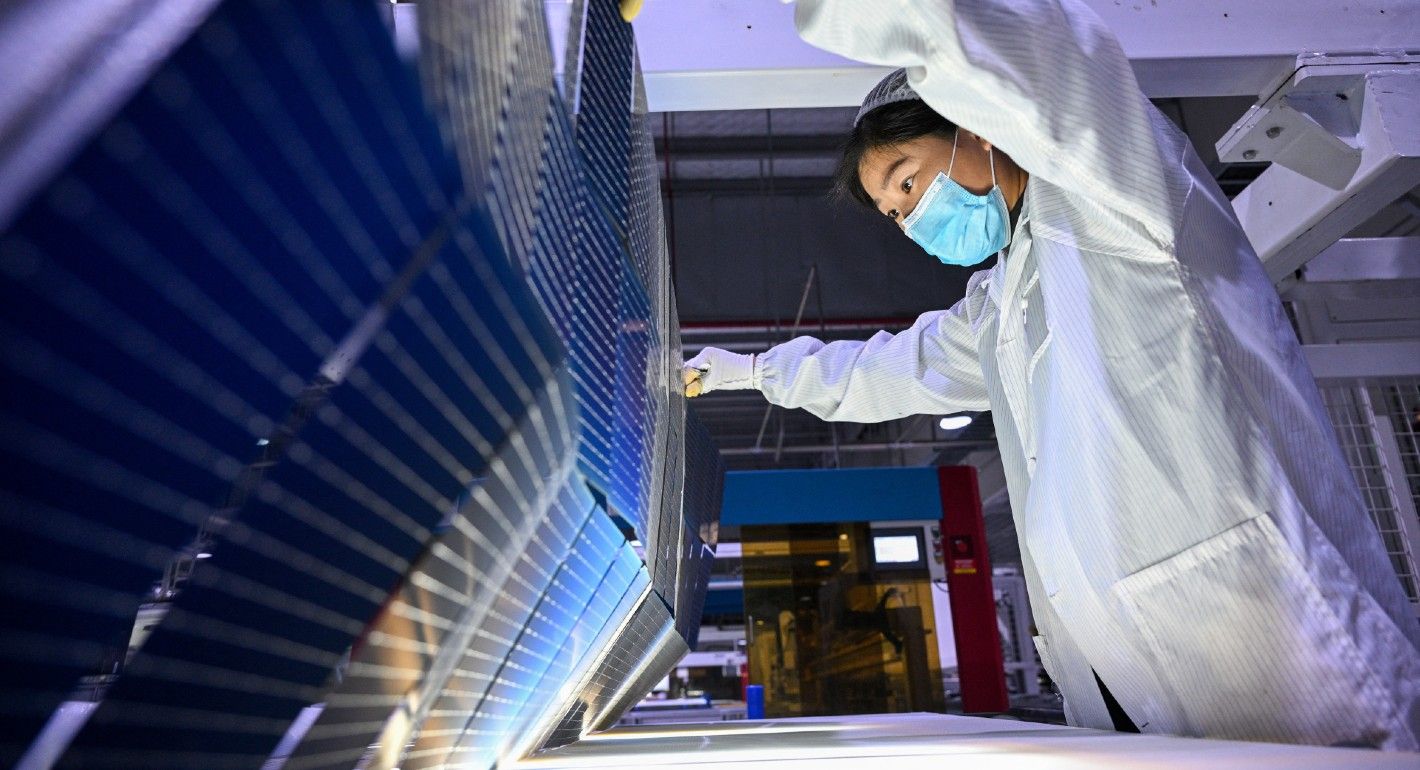
Rather than climate ambitions, compatibility with investment and exports is why China supports both green and high-emission technologies.

Mathias Larsen

“Involution” is a new word for an old problem, and without a very different set of policies to rein it in, it is a problem that is likely to persist.

Michael Pettis

While China's investment story seems contradictory from the outside, the real answers to Beijing's high-quality growth ambitions are hiding in plain sight across the nation's cities.

Yuhan Zhang
China's stimulus addiction cannot go on forever. Beijing still has policy space to clean up the country's massive debt issue, but time is running short.
Michael Pettis