

Paper
- +3
Rajesh Bansal, Anirudh Burman, Rudra Chaudhuri, …
{
  "authors": [
    "Srinath Raghavan"
  ],
  "type": "legacyinthemedia",
  "centerAffiliationAll": "",
  "centers": [
    "Carnegie Endowment for International Peace",
    "Carnegie India"
  ],
  "collections": [],
  "englishNewsletterAll": "",
  "nonEnglishNewsletterAll": "",
  "primaryCenter": "Carnegie India",
  "programAffiliation": "",
  "programs": [],
  "projects": [
    "Security Studies"
  ],
  "regions": [
    "South Asia",
    "India"
  ],
  "topics": [
    "Domestic Politics"
  ]
}
Source: Getty
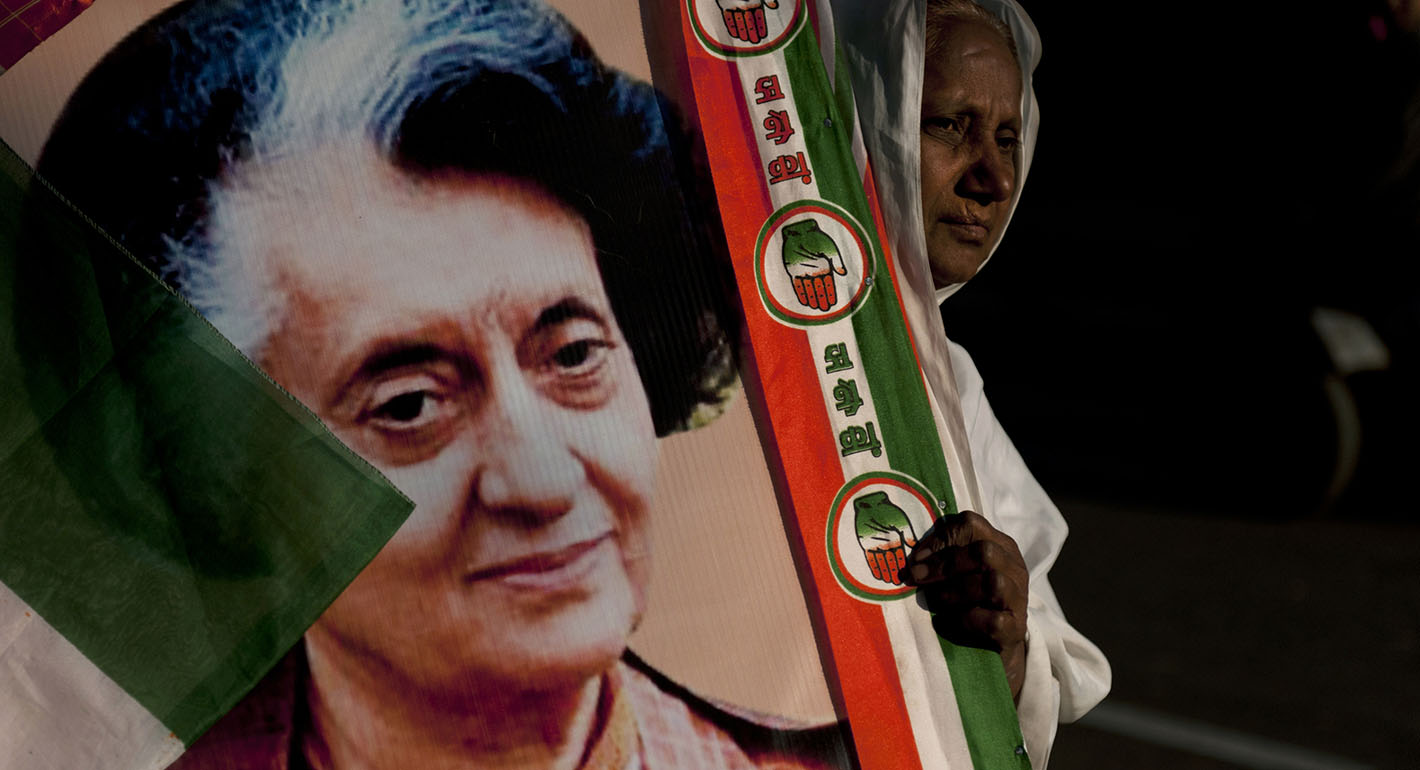
After his government voided Article 370, Indian Prime Minister Narendra Modi said that “a new age has begun in Jammu-Kashmir and Ladakh.”
Source: Print
After his government voided Article 370, Prime Minister Narendra Modi said that “a new age has begun in Jammu-Kashmir and Ladakh”. In fact, the quest for a new beginning is not all that novel in the history of Jammu and Kashmir.
Indira Gandhi too wanted to alter the status quo in Kashmir.
In explaining its decision to abolish the special status of Jammu and Kashmir, the Modi government has emphasised the developmental and political benefits that are expected to flow from these arrangements. These moves have indeed wrought a radical change in the constitutional relationship between the Indian union and the erstwhile state of J&K. As we ponder how these arrangements will work out, it may be useful to look back to Indira Gandhi’s attempt at a new beginning.

Nonresident Senior Fellow
Srinath Raghavan is a nonresident senior fellow at Carnegie India. His primary research focus is on the contemporary and historical aspects of India’s foreign and security policies.
Recent Work


Rajesh Bansal, Anirudh Burman, Rudra Chaudhuri, …
Srinath Raghavan
Carnegie does not take institutional positions on public policy issues; the views represented herein are those of the author(s) and do not necessarily reflect the views of Carnegie, its staff, or its trustees.

In the latest Five-Year Plan, the Chinese president cements the shift to an innovation-driven economy over a consumption-driven one.

Damien Ma
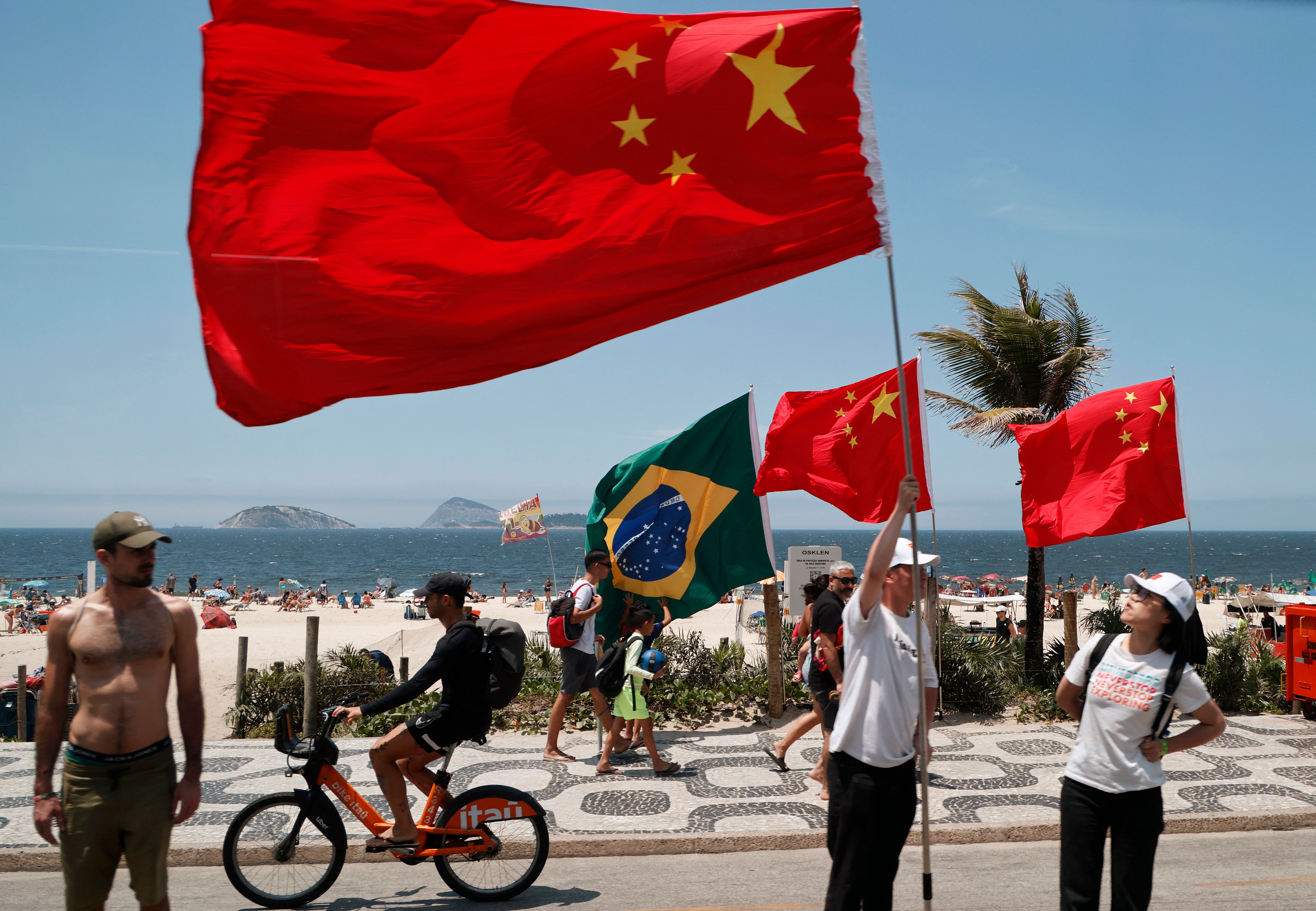
While China will remain a significant political and economic force in the Global South, its ambition to leverage the Global South as a counterbalance to the United States and the Global North is far from assured.

Xue Gong
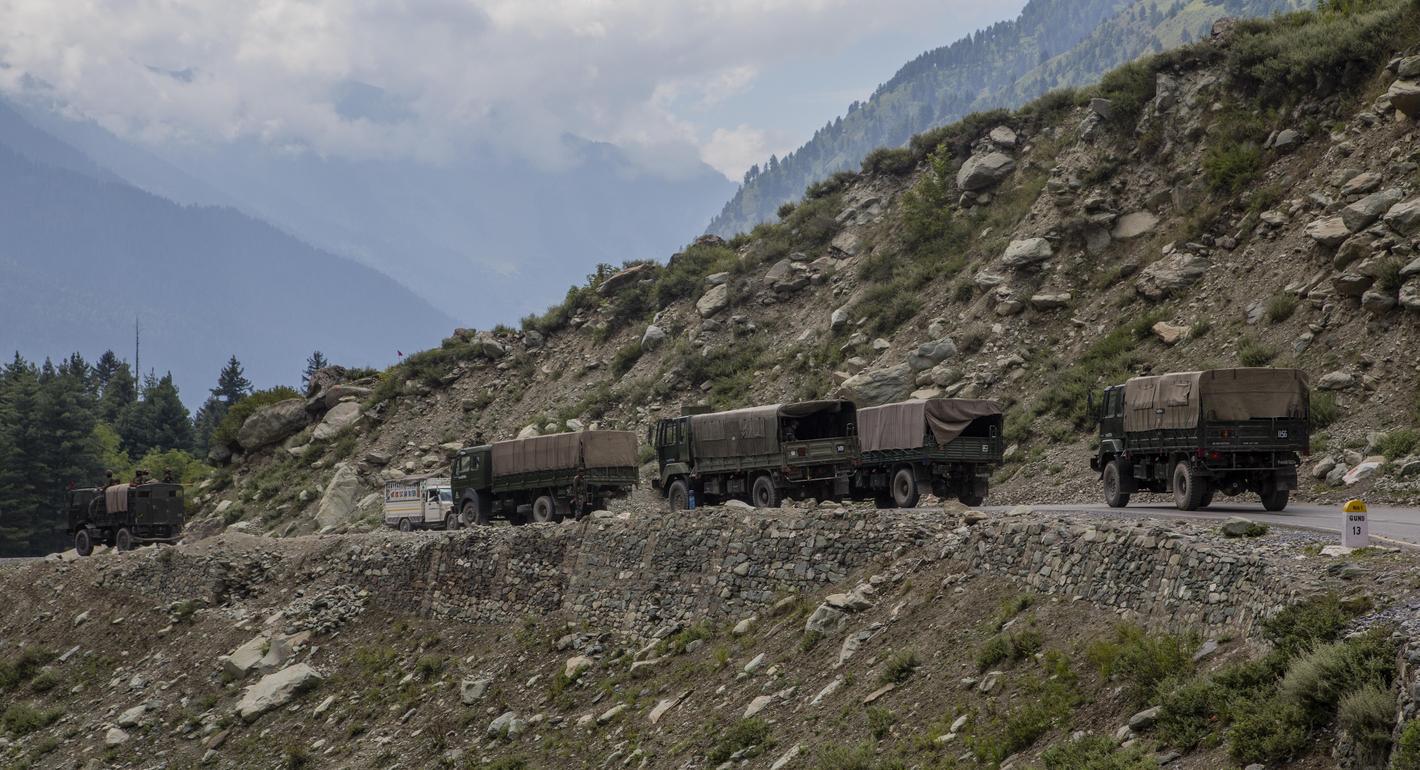
Can China and India disengage from contested territories along the border?

Paul Haenle, Ashley J. Tellis, Han Hua, …
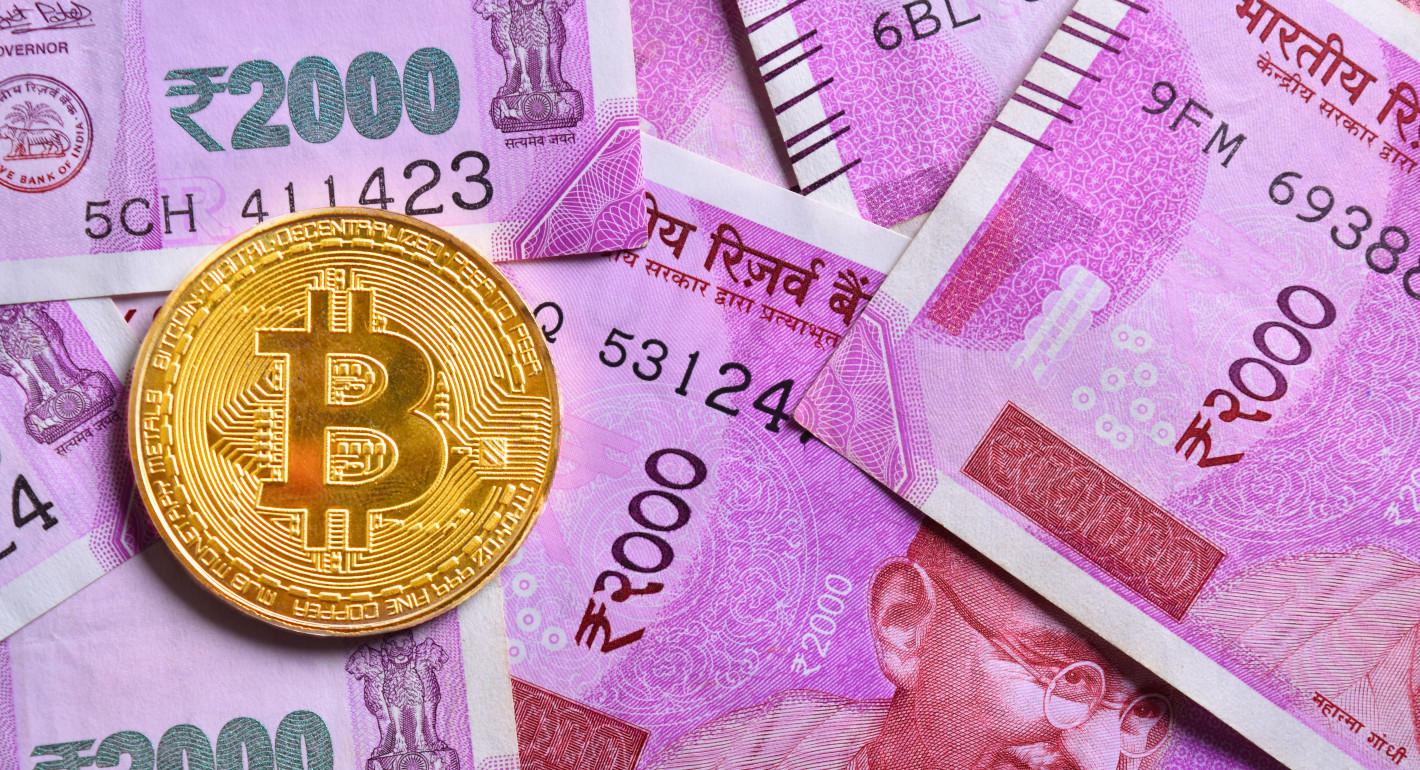
The government extends the uncertainty with its two new taxes and digital rupee.
Anirudh Burman, Priyadarshini D.
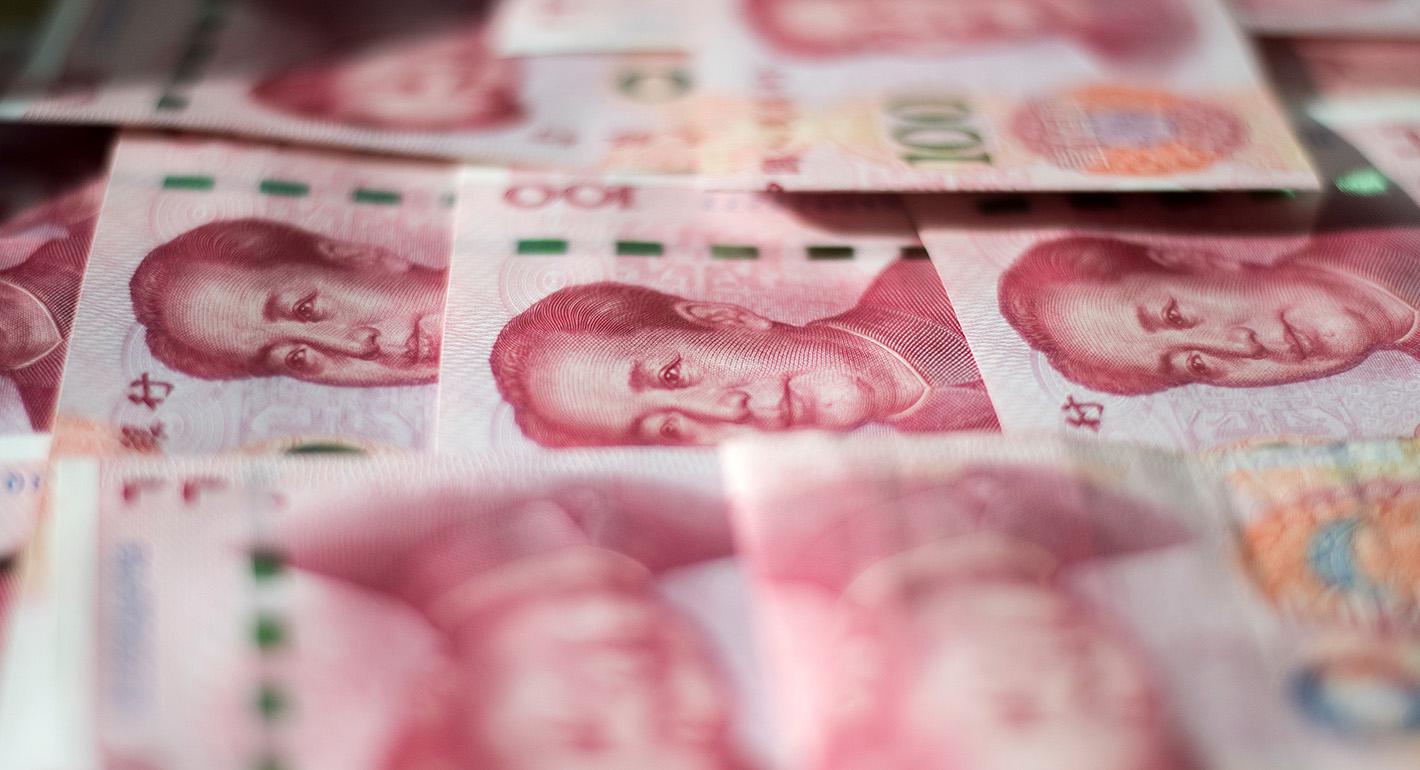
China and Pakistan should strive to build a RMB closed-chain cycle based on capital exports and trade returns.

Lu Yang