

Article
Thomas de Waal
{
  "authors": [
    "Thomas de Waal"
  ],
  "type": "other",
  "centerAffiliationAll": "dc",
  "centers": [
    "Carnegie Endowment for International Peace",
    "Carnegie Europe"
  ],
  "collections": [
    "Europe’s Eastern Neighborhood"
  ],
  "englishNewsletterAll": "ctw",
  "nonEnglishNewsletterAll": "",
  "primaryCenter": "Carnegie Europe",
  "programAffiliation": "EP",
  "programs": [
    "Europe"
  ],
  "projects": [],
  "regions": [
    "Europe",
    "Eastern Europe",
    "Moldova",
    "Iran"
  ],
  "topics": [
    "Security"
  ]
}
Source: Getty
A final political solution of the conflict over Transdniestria remains elusive and dependent on wider geopolitical trends. However, in contrast to other conflicts, it is peaceful.
Source: CENTRE FOR EUROPEAN POLICY STUDIES
The Transdniestria conflict is in many ways less a conflict than a bitter political and territorial dispute. There has been virtually no violence since the armed phase of the conflict ended in 1992. There are high levels of daily contact between people in Transdniestria and in rightbank Moldova and the economies of the two sides are connected at many levels. A spirit of pragmatism prevails in the conflict, which contrasts it with the conflicts in Ukraine and the South Caucasus. The dispute is perpetuated by the rival geopolitical orientations of decisionmakers on two sides. Many in the region also view the status quo as benefiting elite business groups on either side of the Dniester River, who have agreed to divide up assets and profit from Transdniestria’s unrecognized status.This publication was prepared within the framework of the CEPS-led 3DCFTAs project, enabled by financial support from Sweden. To download the publication, please consult the following link.

Senior Fellow, Carnegie Europe
Thomas de Waal is a senior fellow at Carnegie Europe, specializing in Eastern Europe and the Caucasus.
Recent Work
Thomas de Waal
Thomas de Waal
Carnegie does not take institutional positions on public policy issues; the views represented herein are those of the author(s) and do not necessarily reflect the views of Carnegie, its staff, or its trustees.
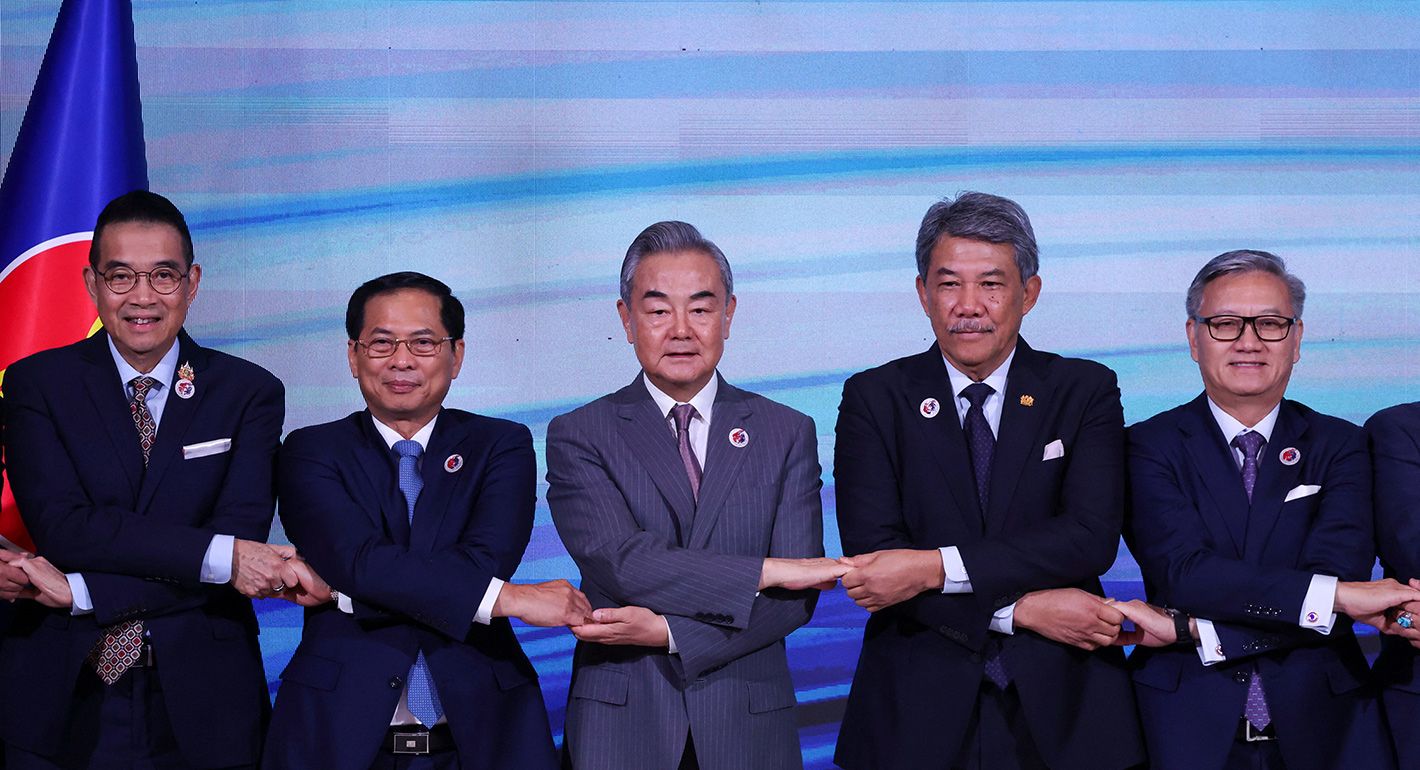
The Thai-Cambodian conflict highlights the limits to China's peacemaker ambition and the significance of this role on Southeast Asia’s balance of power.

Pongphisoot (Paul) Busbarat
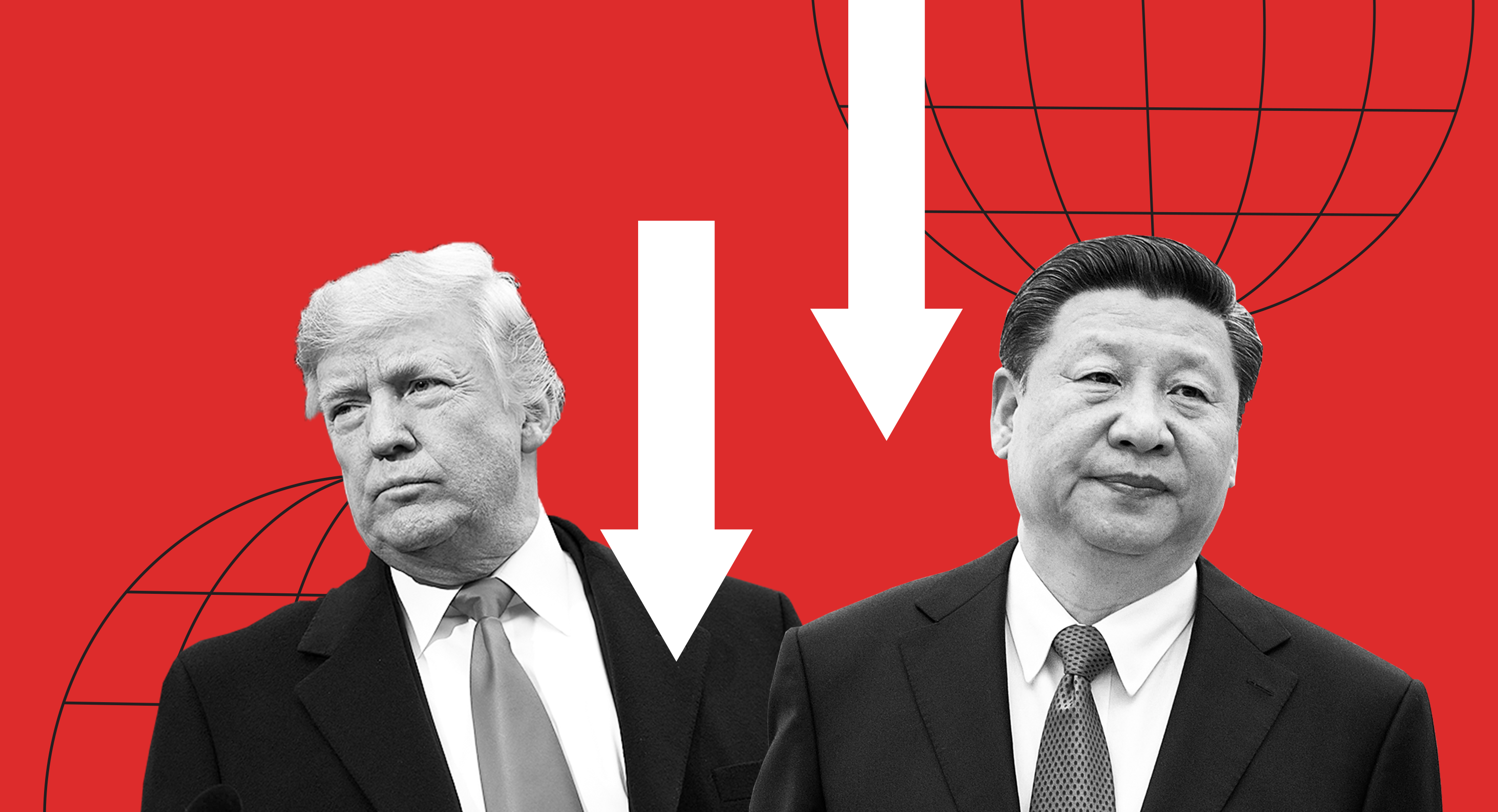
Beijing believes that Washington is overestimating its own leverage and its ability to handle the trade war’s impacts.


Rick Waters, Sheena Chestnut Greitens
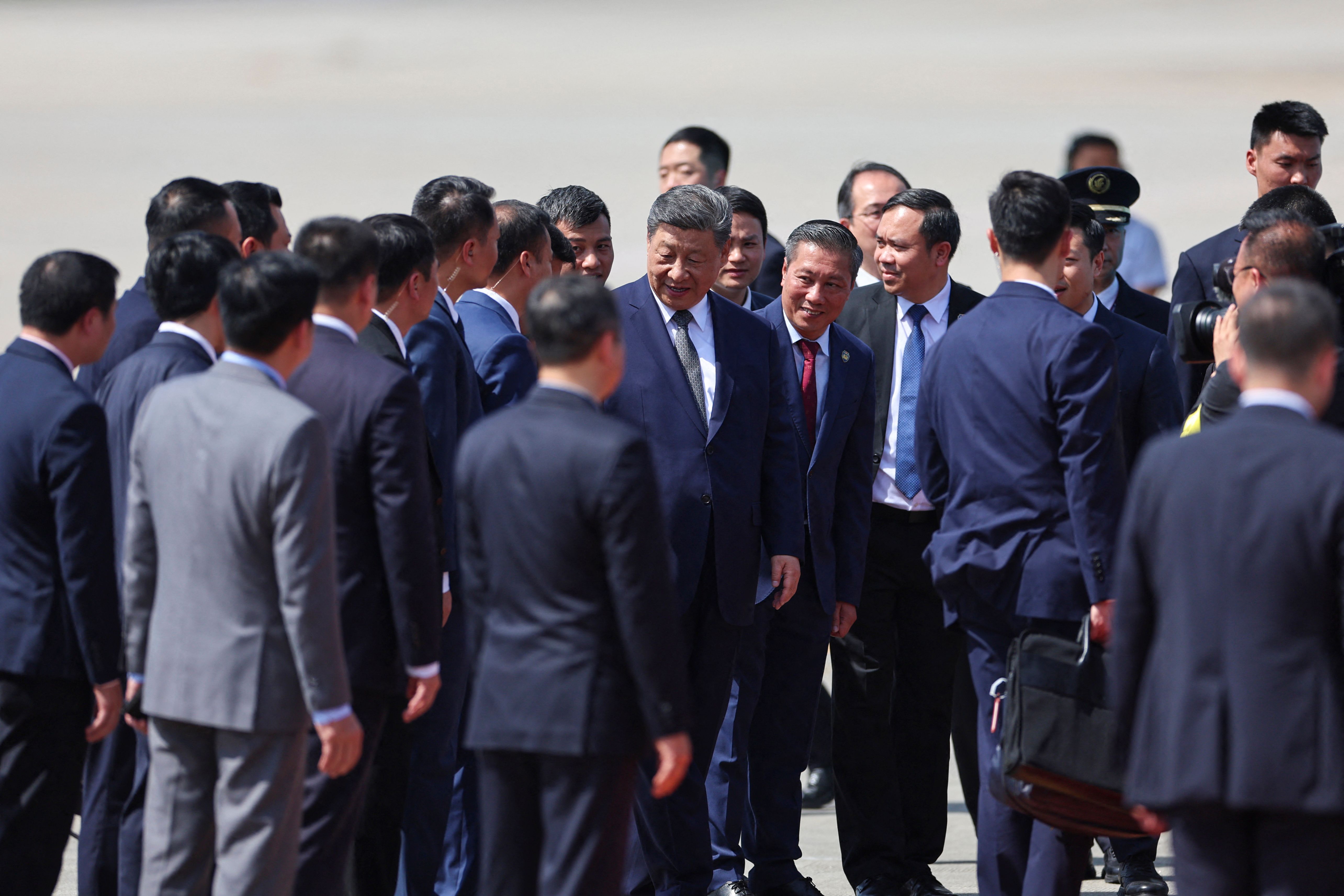
Tapping our network of China experts in the region, Carnegie China offers this latest “China Through a Southeast Asian Lens” report to offer preliminary assessments of whether the U.S. effort to reshape the global trading order will lead countries in the region to tilt toward Beijing.


Selina Ho, Khin Khin Kyaw Kyee, Joseph Ching Velasco, …
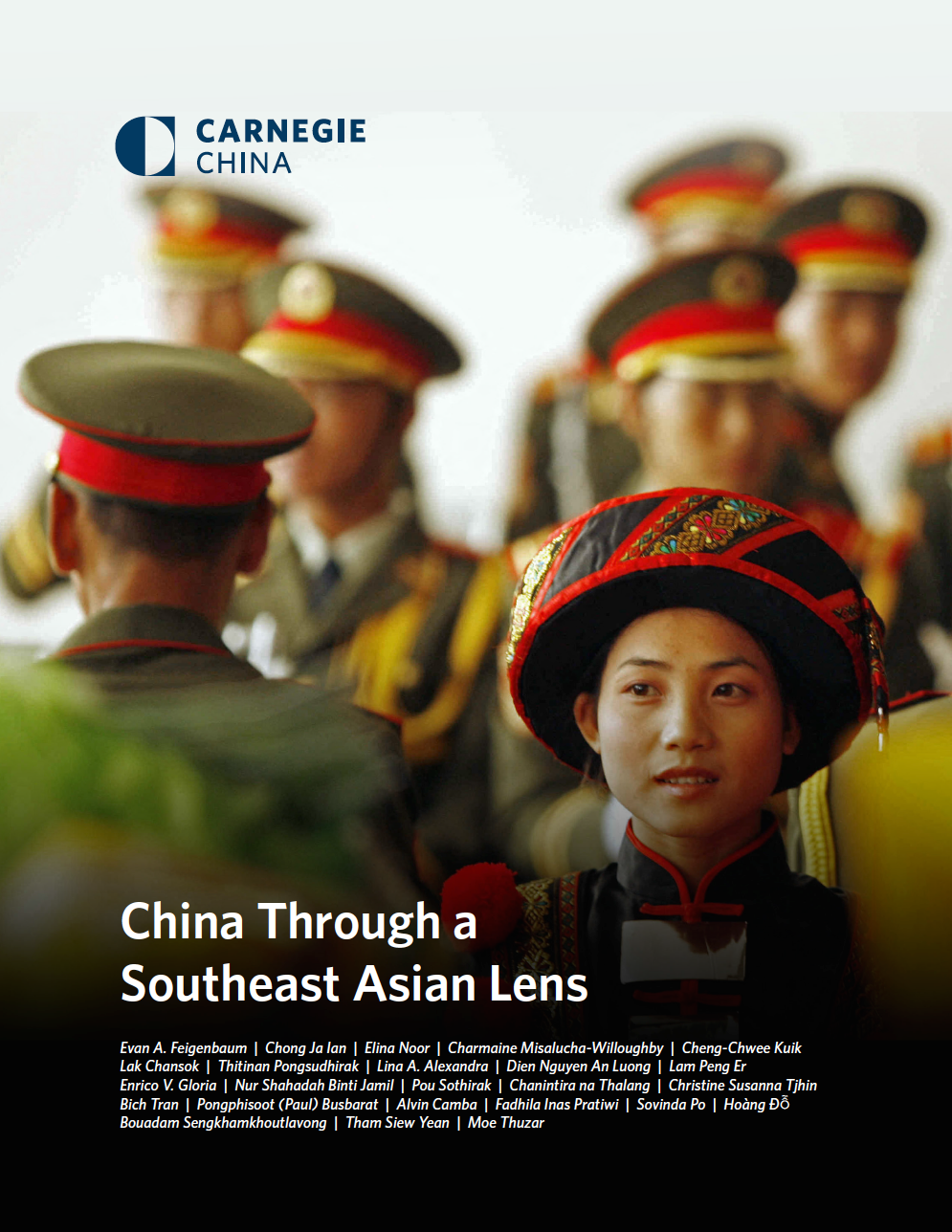
Because strategic, economic, and ideological perceptions of China contain multiple, sometimes contradictory facets in Southeast Asia, receptions of and responses to Beijing diverge across and within state lines.



Evan A. Feigenbaum, Chong Ja Ian, Elina Noor
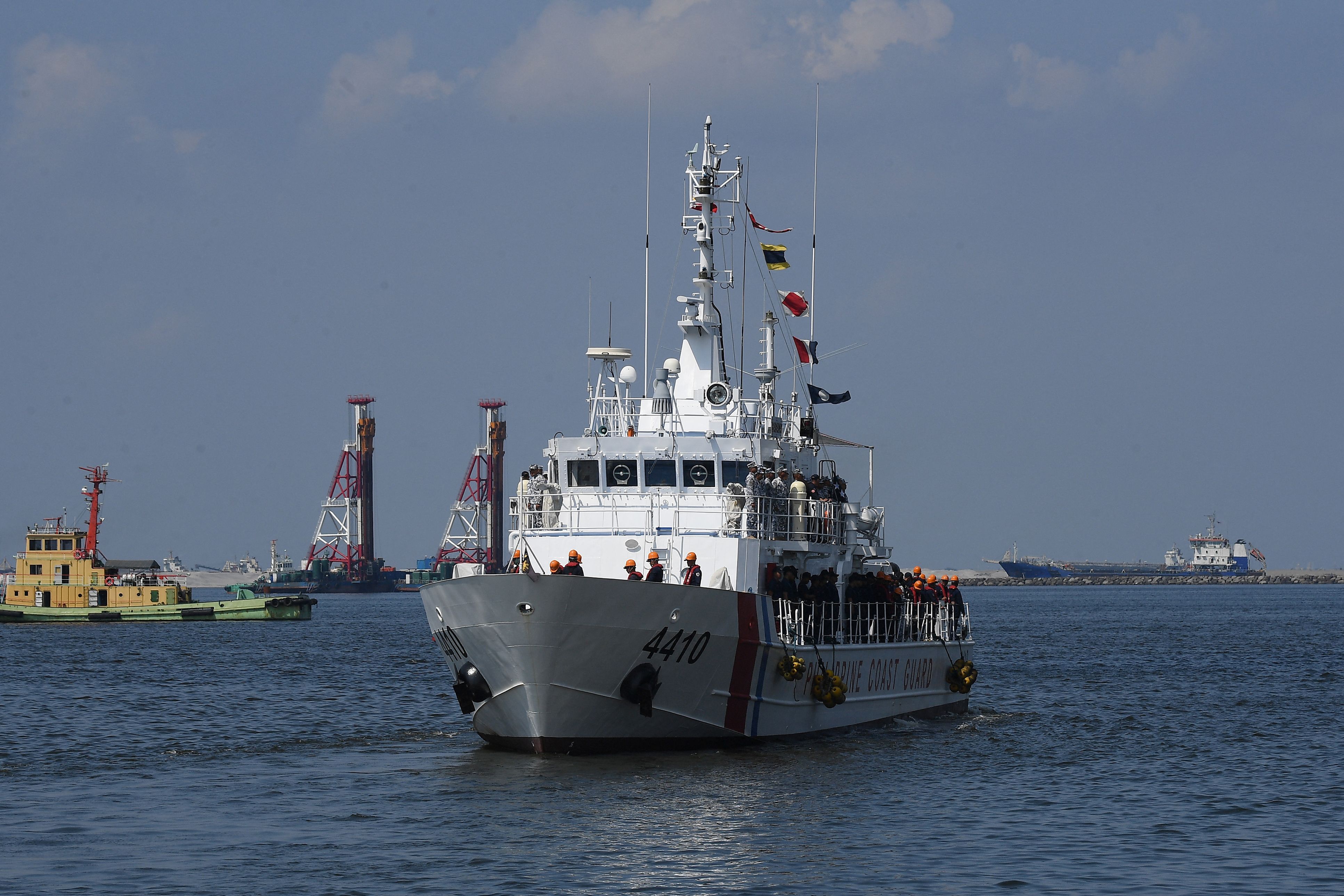
Most Southeast Asian states behave as if the actions of their Northeast Asian neighbors and the Philippines will be sufficient to maintain a regional status quo from which they can benefit.
Chong Ja Ian