

Article
Suyash Rai, Anirudh Burman
{
  "authors": [
    "Suyash Rai"
  ],
  "type": "legacyinthemedia",
  "centerAffiliationAll": "",
  "centers": [
    "Carnegie Endowment for International Peace",
    "Carnegie India"
  ],
  "collections": [],
  "englishNewsletterAll": "",
  "nonEnglishNewsletterAll": "",
  "primaryCenter": "Carnegie India",
  "programAffiliation": "",
  "programs": [],
  "projects": [
    "Political Economy"
  ],
  "regions": [
    "South Asia",
    "India"
  ],
  "topics": [
    "Economy"
  ]
}
Source: Getty
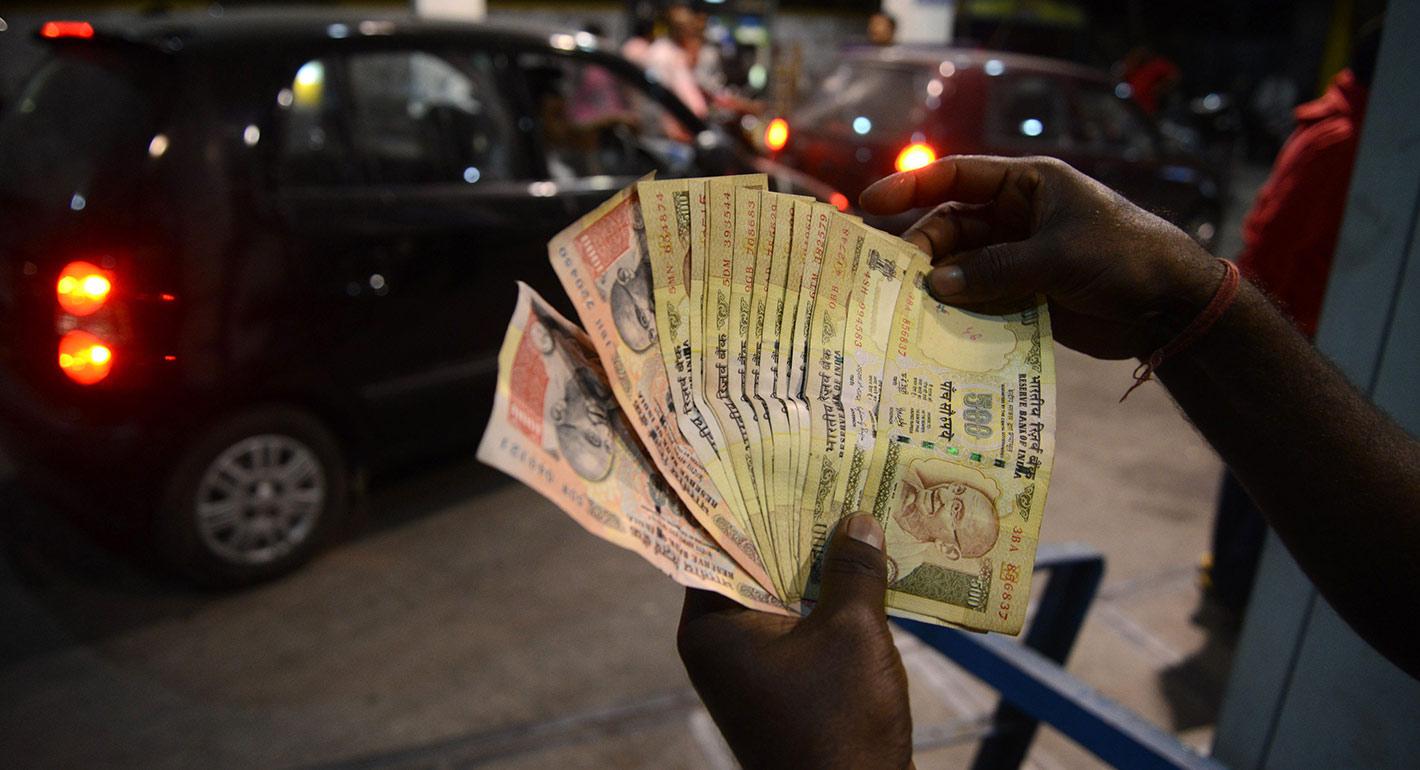
Prime Minister Narendra Modi’s speech on May 12 had two central messages: India will have to learn to live with the coronavirus disease (COVID-19), and India must pivot towards economic recovery.
Source: Hindustan Times
Prime Minister Narendra Modi’s speech on May 12 had two central messages: India will have to learn to live with the coronavirus disease (Covid-19), and India must pivot towards economic recovery.
The recovery strategy will be pursued through a package of fiscal and monetary measures and a reforms package. In some ways, this is an intensification of existing efforts. Since 2017, consumption expenditure financed by the government has grown rapidly — at an average real rate of 10.6%. Big reforms — the Goods and Services Tax (GST), insolvency reform, inflation targeting — have been implemented. India’s rank in the Ease of Doing Business index has improved from 130 in 2016 to 63 in 2019.
This article was originally published by the Hindustan Times.
Former Fellow, Carnegie India
Suyash Rai was a fellow at Carnegie India. His research focuses on the political economy of economic reforms, and the performance of public institutions in India.
Recent Work

Suyash Rai, Anirudh Burman


Shruti Sharma, Suyash Rai, Konark Bhandari, …
Carnegie does not take institutional positions on public policy issues; the views represented herein are those of the author(s) and do not necessarily reflect the views of Carnegie, its staff, or its trustees.

China’s banking crisis in the 2000s was resolved by transferring the costs to households through financial repression—a decision that recapitalized the banks while exacerbating the structural imbalances that continue to shape the Chinese economy today.

Michael Pettis

In the latest Five-Year Plan, the Chinese president cements the shift to an innovation-driven economy over a consumption-driven one.

Damien Ma
Rather than climate ambitions, compatibility with investment and exports is why China supports both green and high-emission technologies.

Mathias Larsen
“Involution” is a new word for an old problem, and without a very different set of policies to rein it in, it is a problem that is likely to persist.
Michael Pettis

While China's investment story seems contradictory from the outside, the real answers to Beijing's high-quality growth ambitions are hiding in plain sight across the nation's cities.
Yuhan Zhang