

Commentary
Peter Kellner
{
  "authors": [
    "Peter Kellner"
  ],
  "type": "legacyinthemedia",
  "centerAffiliationAll": "dc",
  "centers": [
    "Carnegie Endowment for International Peace",
    "Carnegie Europe"
  ],
  "collections": [
    "Brexit and UK Politics"
  ],
  "englishNewsletterAll": "ctw",
  "nonEnglishNewsletterAll": "",
  "primaryCenter": "Carnegie Europe",
  "programAffiliation": "EP",
  "programs": [
    "Europe"
  ],
  "projects": [],
  "regions": [
    "Europe",
    "Western Europe",
    "United Kingdom",
    "Iran"
  ],
  "topics": [
    "Political Reform"
  ]
}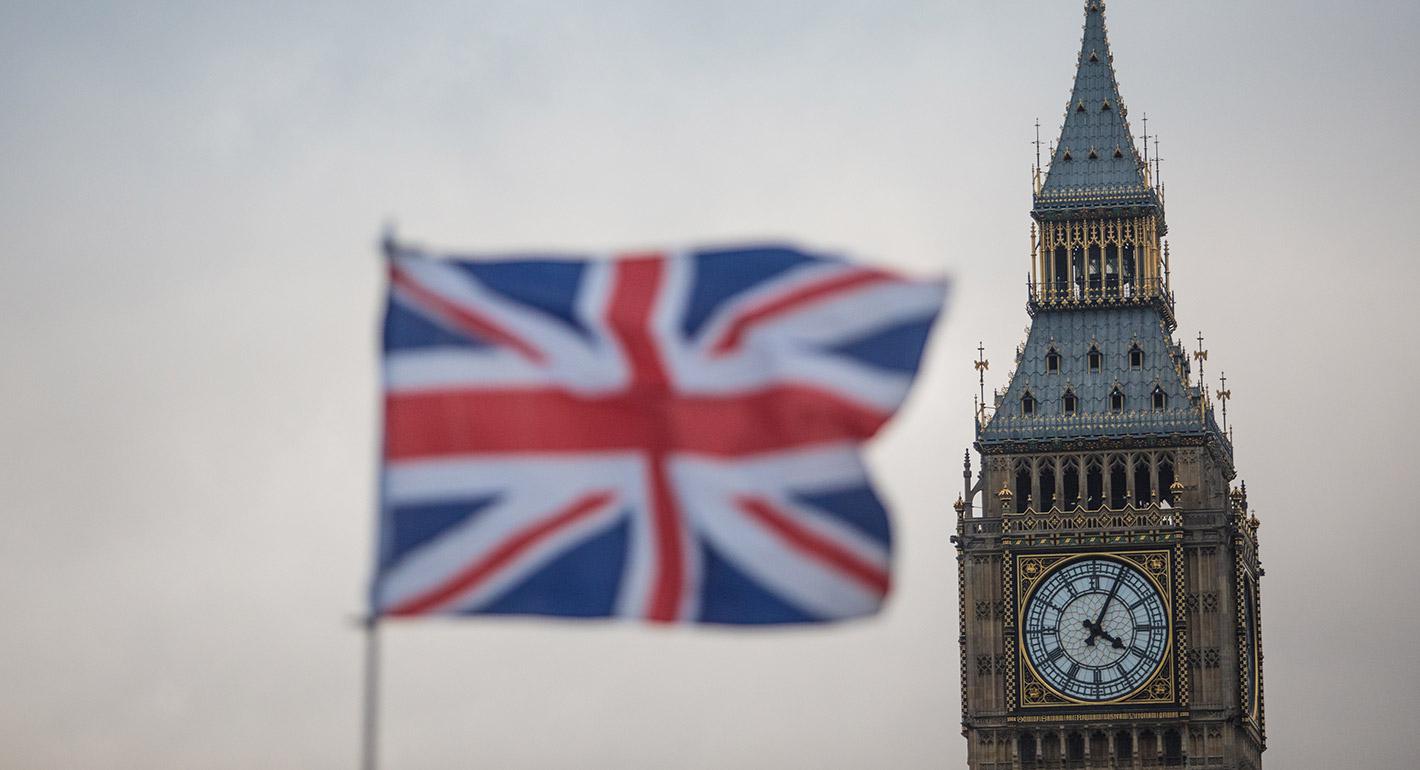
Source: Getty
The new leader of the Labour Party has already established full control of his party. He now has the power to set its course for the next years—but he must deal with two urgent challenges first.
Source: Prospect Magazine
It is hard to overstate the significance of Jennie Formby’s departure as the Labour Party’s general secretary. She was the last important survivor of the Corbyn era. Keir Starmer has taken just one month to dismantle the ancient regime and establish complete control over the party. He now has the power to set its course for the rest of this parliament. He must decide how to use it.
The speed with which he has acted so far has been as admirable as it has been brutal. On the day of his election as party leader, three pro-Corbynites were voted off the national executive and replaced by Starmer loyalists. This gave him a majority on the national executive committee. During the first week, he sacked prominent Corbynites such as Ian Lavery, John Trickett and Shami Chakrabarti from the shadow cabinet. With others choosing to stand down, such as John McDonnell and Diane Abbott, the ideological makeover was made complete. Of those close to Corbyn, only Rebecca Long-Bailey remains at Labour’s top table, and she has been demoted from the business and energy portfolio to education.However, while Formby remained in office, Starmer did not fully have control of the party organisation. Now, in the wake of her resignation, he has. He can count on the loyalty of all three of Labour’s pillars—shadow cabinet, national executive and party machine. It is an important moment in Labour’s history; and if the Johnson administration stumbles, it could prove to be an important moment for British politics as a whole.
What now?
Former Nonresident Scholar, Carnegie Europe
Kellner was a nonresident scholar at Carnegie Europe, where his research focused on Brexit, populism, and electoral democracy.
Recent Work
Peter Kellner
Peter Kellner
Carnegie does not take institutional positions on public policy issues; the views represented herein are those of the author(s) and do not necessarily reflect the views of Carnegie, its staff, or its trustees.
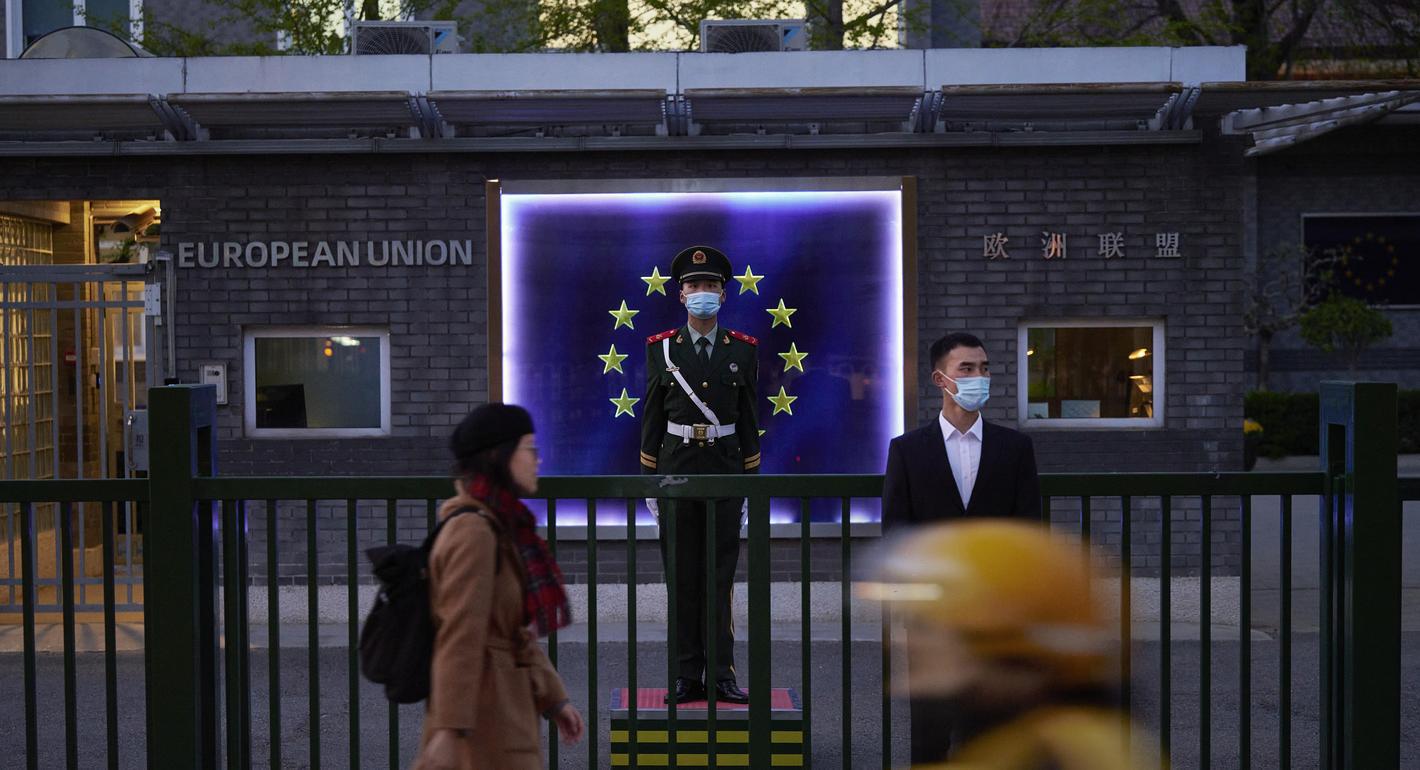
The Russian invasion of Ukraine is a turning point in the EU-China relationship, and evolution of the China-Russia relationship will continue to impact EU-China relations.

Yifan Ding, Alice Ekman
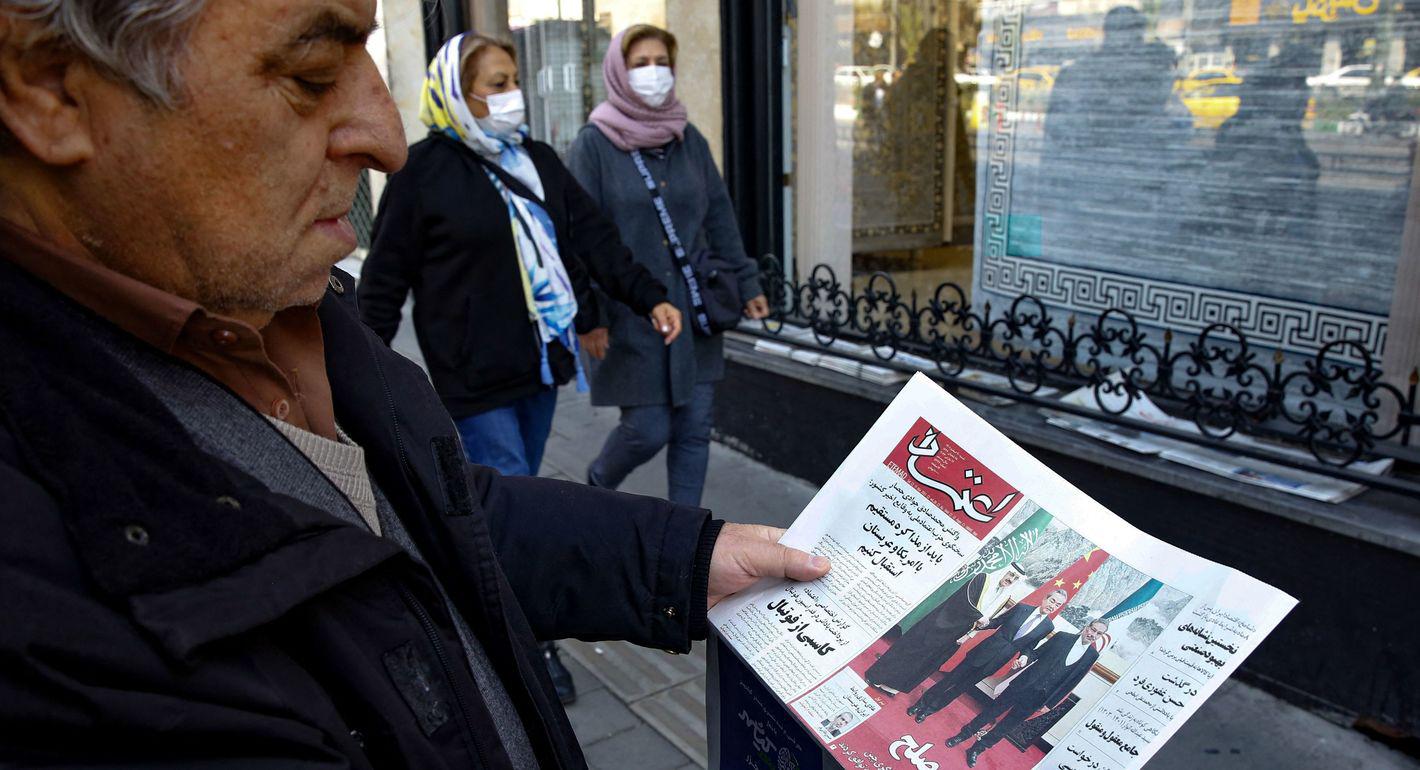
Transactional relationships are stable but can be shallow.



Paul Haenle, Maha Yahya, Benjamin Ho, …
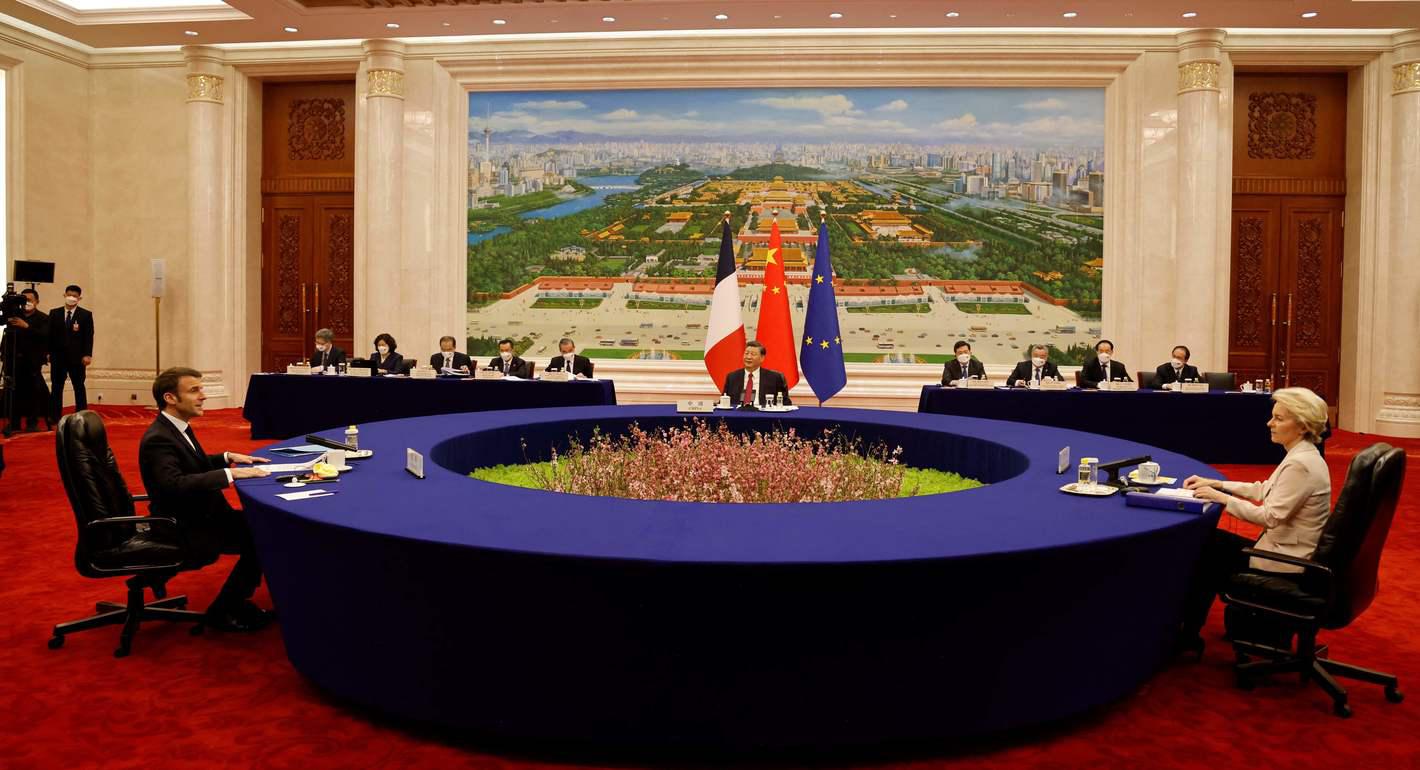
Recent visits by European officials highlight the EU’s lack of internal cohesion.


Paul Haenle, Chan Heng Chee, Liu Yawei, …

“It’s not so clear how we’re going to get out of this.”
Paul Haenle, Philippe Le Corre
It’s about managing oil prices, bread prices, and strategic partnerships.



Amr Hamzawy, Karim Sadjadpour, Aaron David Miller, …