

Commentary
Dmitri Trenin
{
  "authors": [
    "Dmitri Trenin"
  ],
  "type": "legacyinthemedia",
  "centerAffiliationAll": "",
  "centers": [
    "Carnegie Endowment for International Peace",
    "Carnegie Russia Eurasia Center"
  ],
  "collections": [],
  "englishNewsletterAll": "",
  "nonEnglishNewsletterAll": "",
  "primaryCenter": "Carnegie Russia Eurasia Center",
  "programAffiliation": "",
  "programs": [],
  "projects": [],
  "regions": [
    "North America",
    "United States",
    "Russia"
  ],
  "topics": [
    "Nuclear Policy",
    "Arms Control"
  ]
}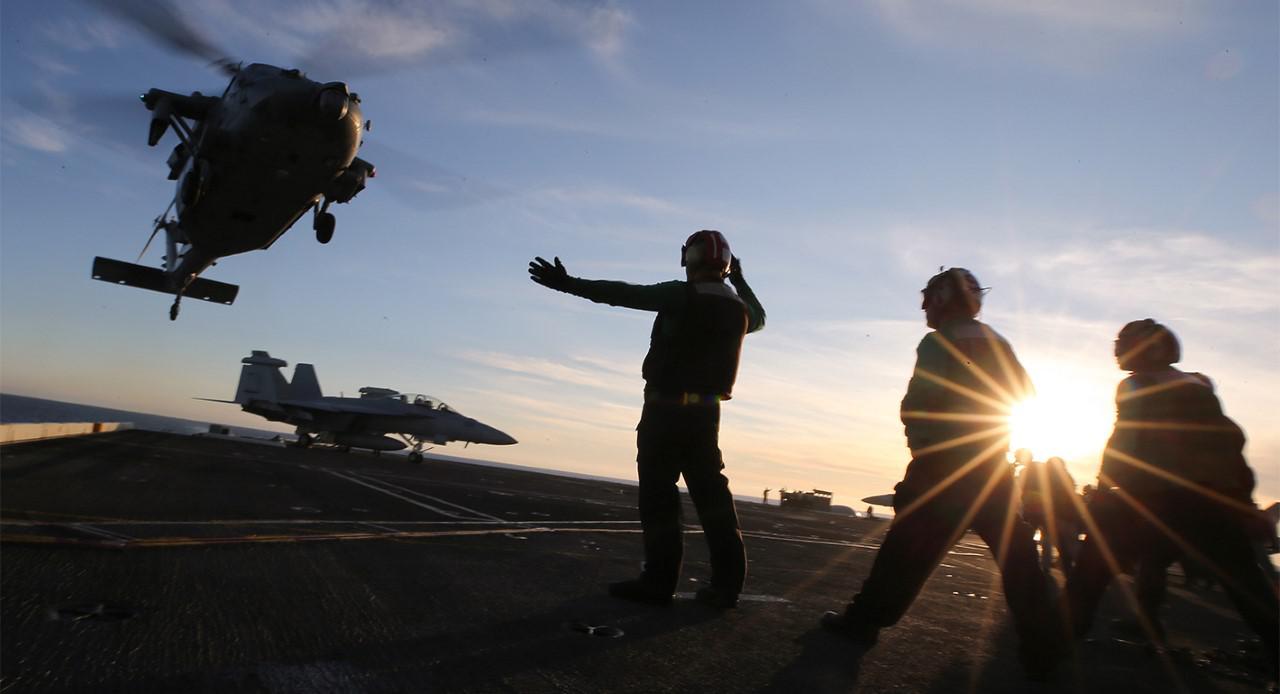
Source: Getty
Bilateral nuclear arms control is being succeeded in a polycentric nuclear world by deregulation. Rather than mourn arms control, we should focus on complimenting deterrence—which has been and will remain the bedrock of strategic stability—with reliable communication, contacts, transparency, and restraint among relevant parties.
Source: Washington Quarterly
That nuclear arms control is on the way out is no news. The unraveling of its Cold War-era architecture started almost two decades ago, when US President George W. Bush welcomed Vladimir Putin to his ranch at Crawford, Texas and told the then-young Russian leader that he intended to withdraw from the Anti-Ballistic Missile (ABM) Treaty. The withdrawal from this 1972 treaty, which placed severe restrictions on both countries’ strategic defenses, was a severe blow to the Russians, who had long considered it a cornerstone of strategic stability. Bush, however, couldn’t care less. The Cold War was over, and several countries around the world were busy developing ballistic missiles that required US response. Russia was neither an adversary nor a close partner of the United States, and it was lying flat on its back. While Washington was pointing to North Korean and Iranian missile programs, Moscow suspected it was seeking strategic superiority over both Russia and China.
In 2019, President Donald Trump took the United States out of the Intermediate Range Nuclear Forces (INF) Treaty. The 1987 agreement had eliminated a whole class of missiles with ranges between 500 and 5,500 km, and its signers touted it as a major step toward strategic stability and US-Soviet understanding. However, the INF treaty had been in trouble for some time as a result of US com-plaints about Russian treaty violations, countered by Moscow’s own accusations leveled against Washington. Both Russia and the United States were also wary of continuing with self-imposed restraint while the rest of the world, particularly China, was free to develop and deploy INF systems. Thus, the decision taken by Trump was clearly a strategic move aimed at China, and potentially Russia, evoking bad memories of the 1980s US INF deployments in Europe, when US Pershing II ballistic missiles and ground-based cruise missiles (installed to counter the Soviet Union’s SS-20 systems targeting Western Europe) were positioned just a few minutes’ flight away from Soviet targets.
This article was originally published in the Washington Quarterly, Fall 2020
Former Director, Carnegie Moscow Center
Trenin was director of the Carnegie Moscow Center from 2008 to early 2022.
Recent Work
Dmitri Trenin
Dmitri Trenin
Carnegie does not take institutional positions on public policy issues; the views represented herein are those of the author(s) and do not necessarily reflect the views of Carnegie, its staff, or its trustees.

For Malaysia, the conjunction that works is “and” not “or” when it comes to the United States and China.

Elina Noor

Regulation, not embargo, allows Beijing to shape how other countries and firms adapt to its terms.
Alvin Camba
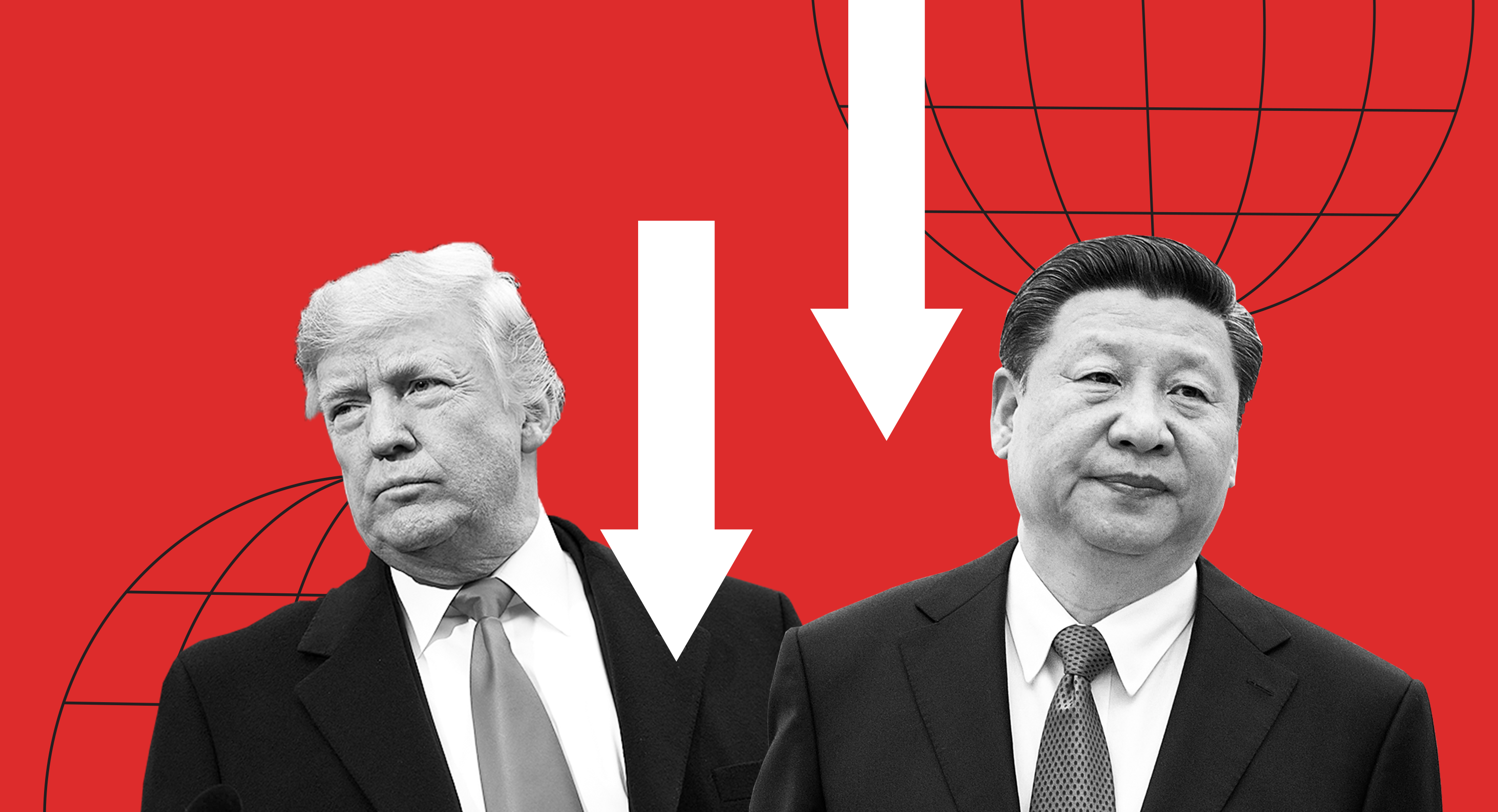
Beijing believes that Washington is overestimating its own leverage and its ability to handle the trade war’s impacts.


Rick Waters, Sheena Chestnut Greitens
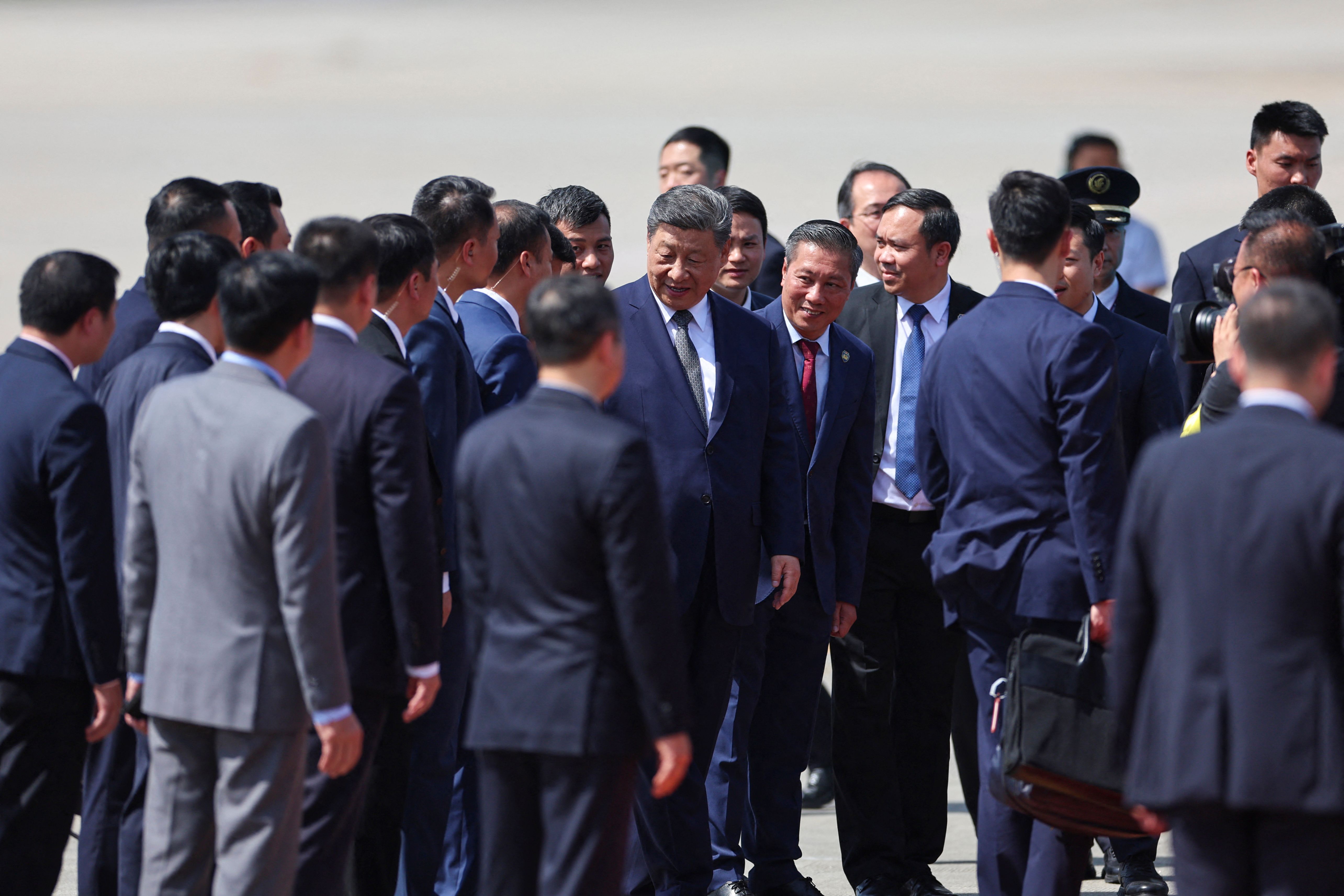
Tapping our network of China experts in the region, Carnegie China offers this latest “China Through a Southeast Asian Lens” report to offer preliminary assessments of whether the U.S. effort to reshape the global trading order will lead countries in the region to tilt toward Beijing.


Selina Ho, Khin Khin Kyaw Kyee, Joseph Ching Velasco, …
Beijing is trying to navigate the overall situation regarding Ukraine, especially the substance of interactions between Washington and Moscow.

Ellen Nakashima, Zhao Long, Pavlo Klimkin, …