

Commentary
In the latest Five-Year Plan, the Chinese president cements the shift to an innovation-driven economy over a consumption-driven one.
Damien Ma
{
  "authors": [
    "Nathan Toronto",
    "Eleonora Ardemagni",
    "Giuseppe Dentice"
  ],
  "type": "legacyinthemedia",
  "centerAffiliationAll": "",
  "centers": [
    "Carnegie Endowment for International Peace",
    "Malcolm H. Kerr Carnegie Middle East Center"
  ],
  "collections": [
    "Civil-Military Relations in Arab States"
  ],
  "englishNewsletterAll": "",
  "nonEnglishNewsletterAll": "",
  "primaryCenter": "Malcolm H. Kerr Carnegie Middle East Center",
  "programAffiliation": "",
  "programs": [],
  "projects": [],
  "regions": [
    "Egypt",
    "North Africa"
  ],
  "topics": [
    "Security",
    "Economy"
  ]
}
REQUIRED IMAGE
Under the presidency of Abdel Fattah el-Sisi, civil-military relations remain imbalanced: but paradoxically, the overwhelming role of the military, also as economic player, combines with the subtle narrowing of the military as cohesive entity.

Nathan Toronto
Former Commissioning Editor, Program on Civil-Military Relations in Arab States, Malcolm H. Kerr Carnegie Middle East Center
Nathan Toronto was the commissioning editor for the Program on Civil-Military Relations in Arab States at the Malcolm H. Kerr Carnegie Middle East Center. His research and practitioner work focus on civil-military relations, battlefield effectiveness, military recruitment and education, and Middle East security, especially in the Gulf region.
Eleonora Ardemagni
Giuseppe Dentice
Carnegie does not take institutional positions on public policy issues; the views represented herein are those of the author(s) and do not necessarily reflect the views of Carnegie, its staff, or its trustees.

In the latest Five-Year Plan, the Chinese president cements the shift to an innovation-driven economy over a consumption-driven one.

Damien Ma
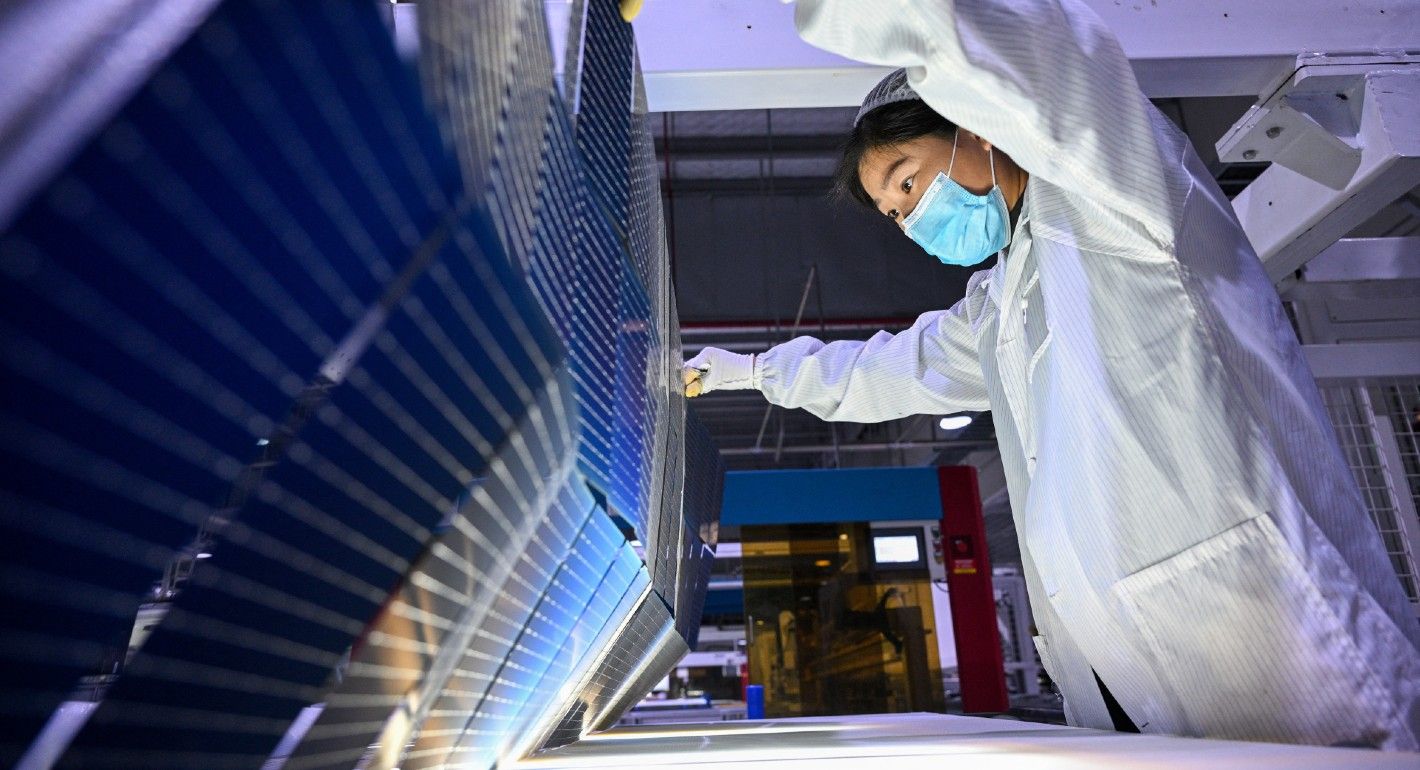
Rather than climate ambitions, compatibility with investment and exports is why China supports both green and high-emission technologies.

Mathias Larsen
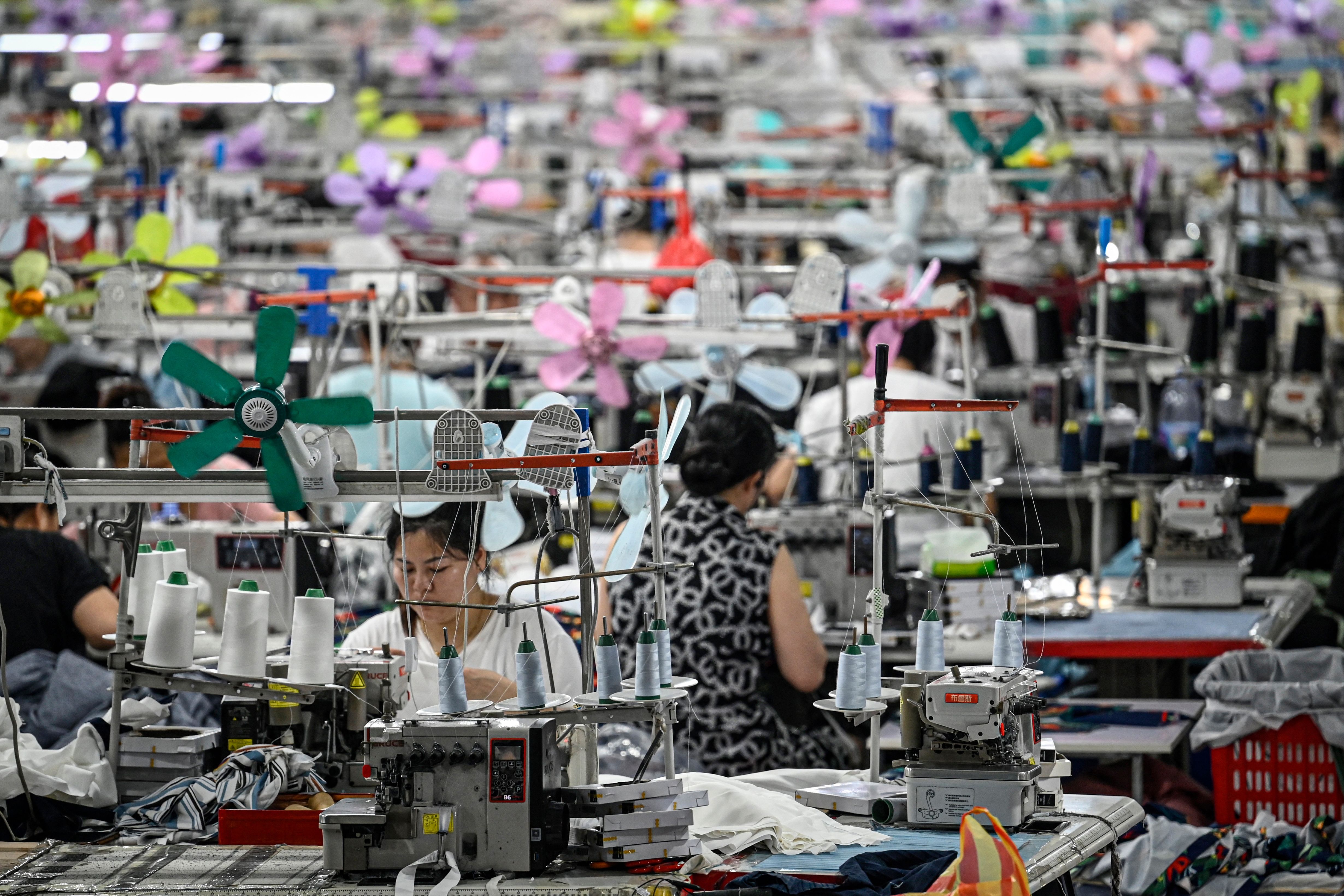
“Involution” is a new word for an old problem, and without a very different set of policies to rein it in, it is a problem that is likely to persist.

Michael Pettis

While China's investment story seems contradictory from the outside, the real answers to Beijing's high-quality growth ambitions are hiding in plain sight across the nation's cities.
Yuhan Zhang

The Thai-Cambodian conflict highlights the limits to China's peacemaker ambition and the significance of this role on Southeast Asia’s balance of power.

Pongphisoot (Paul) Busbarat